Mastering the Bridge Pose in Yoga

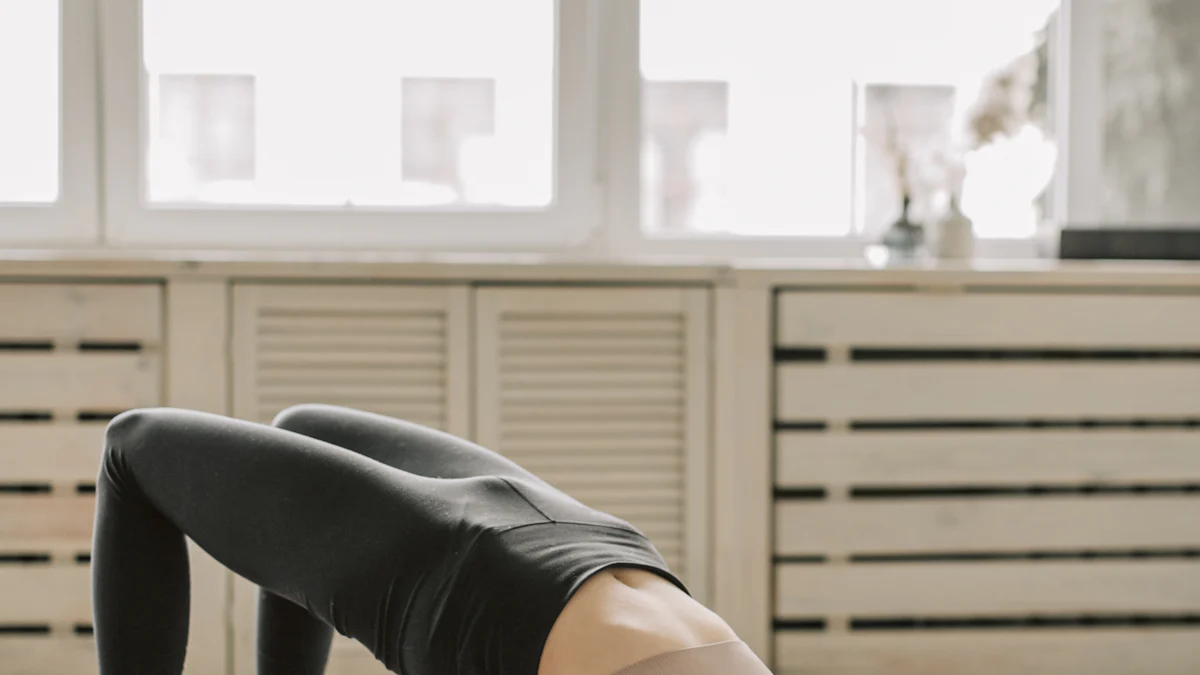
Welcome to the world of bridge pose yoga! This pose, also known as Setu Bandha Sarvangasana, plays a vital role in your yoga journey. It opens your chest and stretches your thighs, offering a blend of strength and flexibility. Mastering this pose enhances your overall yoga proficiency. You’ll find it improves your posture and alleviates back pain. As you practice, you’ll engage your core and lift your hips, feeling the stretch and strength in your body. Embrace the challenge and enjoy the benefits of this essential yoga pose.
Understanding the Bridge Pose Yoga
Definition and Origin
The Bridge Pose, known as Setu Bandha Sarvangasana in Sanskrit, is a classic yoga posture. This name translates to "bridge formation," reflecting the pose's shape and purpose. Historically, this pose has been a staple in yoga practice for centuries. It symbolizes a connection or transition, much like a bridge connecting two points. Practicing bridge pose yoga helps you build a strong foundation in your yoga journey.
Historical background of the Bridge Pose
The origins of the Bridge Pose trace back to ancient yoga texts written in Sanskrit. These texts highlight the pose's significance in promoting physical and mental well-being. Over time, it has become a favorite among yoga practitioners for its versatility and benefits. The pose's historical roots emphasize its enduring value in yoga practice.
Basic principles of the pose
When you perform the Bridge Pose, you create a gentle arch with your body. This arch opens your chest and stretches your thighs. The basic principles involve engaging your core and lifting your hips while keeping your shoulders and feet grounded. This alignment helps you achieve the full benefits of the pose, enhancing both strength and flexibility.
Anatomy of the Bridge Pose Yoga
Understanding the anatomy of bridge pose yoga can deepen your practice. By knowing which muscles are engaged and how to align your body, you can perform the pose more effectively.
Muscles engaged during the pose
In the Bridge Pose, several key muscles work together. Your glutes, hamstrings, and lower back muscles provide the primary lift. Meanwhile, your core muscles stabilize your body. The pose also stretches your hip flexors, chest, and shoulders. This combination of muscle engagement and stretching makes the Bridge Pose a comprehensive exercise for your body.
Alignment and posture details
Proper alignment is crucial in bridge pose yoga. Start by lying on your back with your knees bent and feet flat on the floor, hip-width apart. As you lift your hips, keep your feet and shoulders firmly planted. Interlace your hands under your back for added support. Ensure your knees stay aligned with your hips to avoid strain. By maintaining this alignment, you maximize the pose's benefits and reduce the risk of injury.
Step-by-Step Guide to Performing the Bridge Pose
Preparation
Before diving into bridge pose yoga, it's essential to prepare your body. A good warm-up ensures your muscles are ready and reduces the risk of injury.
Warm-up exercises
Start with some gentle stretches. Try cat-cow stretches to loosen your spine. Follow up with a few rounds of sun salutations to warm up your entire body. These exercises will get your blood flowing and prepare your muscles for bridge pose yoga.
Necessary equipment or props
You don't need much for bridge pose yoga. A yoga mat provides comfort and stability. If you're new to this pose, consider using a yoga block. Place it under your lower back for support. This prop helps you maintain proper alignment and makes the pose more accessible.
Execution
Now that you're warmed up and have your props ready, let's move on to executing the bridge pose yoga.
Initial positioning
Lie on your back on the mat. Bend your knees and place your feet flat on the floor, hip-width apart. Keep your arms by your sides with palms facing down. This is your starting position.
Step-by-step instructions
Engage your core: Tighten your abdominal muscles to support your lower back.
Lift your hips: Press through your feet and lift your hips towards the ceiling. Keep your shoulders and feet grounded.
Interlace your hands: Slide your arms under your back and interlace your fingers. This action opens your chest and provides stability.
Hold the pose: Maintain this position for a few breaths. Focus on keeping your knees aligned with your hips.
Release gently: Unclasp your hands and slowly lower your hips back to the mat.
Common Mistakes and How to Avoid Them
Even seasoned practitioners can make mistakes in bridge pose yoga. Here are some common errors and tips to correct them.
Incorrect alignments
One frequent mistake is letting your knees splay outwards. This misalignment can strain your lower back. Another error is lifting your hips too high, which can compress your spine.
Tips for correction
To keep your knees aligned, imagine holding a block between them. This mental cue helps maintain proper positioning. For hip height, focus on lifting just enough to create a gentle arch. Remember, bridge pose yoga is about balance, not height.
Benefits of the Bridge Pose
Physical Benefits
Strengthening and flexibility
When you practice bridge pose yoga, you engage multiple muscle groups. This pose strengthens your glutes, hamstrings, and lower back. As you lift your hips, these muscles work together to support your body. Over time, this builds strength and endurance. Additionally, bridge pose enhances flexibility. It stretches your hip flexors, chest, and shoulders. This combination of strengthening and stretching improves your overall physical fitness.
Impact on spine and chest
Bridge pose yoga has a positive impact on your spine and chest. By lifting your hips, you create a gentle arch in your back. This movement increases spinal flexibility. A study published in Complementary Therapies in Medicine found that yoga, including bridge pose, improves spinal flexibility and reduces lower back pain. The pose also opens your chest, promoting better posture and breathing. As your chest expands, you may notice an increase in lung capacity and a sense of openness.
Mental and Emotional Benefits
Stress relief
Bridge pose yoga is not just about physical benefits. It also offers mental and emotional advantages. This pose stimulates your nervous system, helping to calm your mind. According to research from the National Institute of Ayurveda, bridge pose reduces stress levels and provides anxiety relief. As you hold the pose, focus on your breath. This mindfulness can help you release tension and find a sense of peace.
Enhancing focus and concentration
Practicing bridge pose yoga can enhance your focus and concentration. When you engage your core and align your body, you must concentrate on maintaining balance. This mental effort sharpens your focus. Over time, this practice can improve your ability to concentrate in other areas of life. By incorporating bridge pose into your routine, you cultivate both physical strength and mental clarity.
Variations and Modifications
Exploring variations and modifications of the Bridge Pose can enhance your yoga practice. These adaptations cater to different skill levels and physical needs, allowing you to experience the pose in new ways.
Beginner Variations
If you're new to yoga or have limited flexibility, these beginner variations can help you ease into the Bridge Pose.
Supported Bridge Pose
The Supported Bridge Pose offers a gentle introduction. You can use a yoga block or bolster to support your lower back. This support helps maintain proper alignment and reduces strain. To try this variation:
Place a block under your sacrum after lifting your hips.
Rest your weight on the block, allowing your body to relax.
Focus on your breath and enjoy the gentle stretch.
This modification provides stability and comfort, making it ideal for beginners.
Modifications for Limited Flexibility
Limited flexibility shouldn't stop you from enjoying the Bridge Pose. Simple adjustments can make the pose more accessible:
Keep your feet slightly wider than hip-width apart.
Use a strap around your thighs to prevent your knees from splaying out.
Place a folded blanket under your shoulders for added support.
These modifications help you maintain alignment and reduce discomfort, allowing you to focus on building strength and flexibility.
Advanced Variations
For those seeking a challenge, advanced variations of the Bridge Pose offer opportunities to deepen your practice.
One-legged Bridge Pose
The One-legged Bridge Pose increases the intensity and engages your core. To perform this variation:
Begin in the standard Bridge Pose.
Lift one leg towards the ceiling, keeping your hips level.
Hold for a few breaths before switching legs.
This variation enhances balance and strengthens your core, glutes, and hamstrings.
Wheel Pose Transition
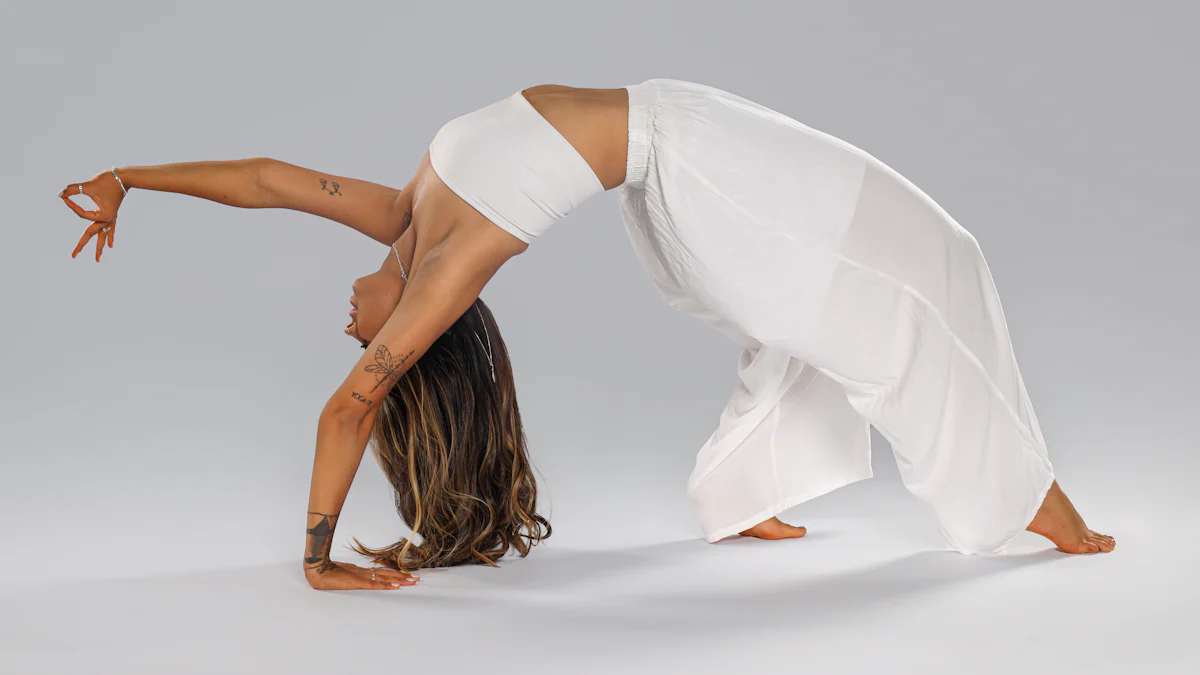
Transitioning from Bridge Pose to Wheel Pose adds complexity and requires strength and flexibility. Here's how to attempt it:
Start in the Bridge Pose.
Place your hands beside your ears, fingers pointing towards your shoulders.
Press through your hands and feet, lifting your body into the Wheel Pose.
This transition challenges your upper body strength and opens your chest further. Approach it with caution and ensure you're warmed up before attempting.
By incorporating these variations and modifications, you can tailor the Bridge Pose to suit your needs and goals. Whether you're a beginner or an advanced practitioner, these adaptations provide valuable ways to explore and enjoy this versatile yoga pose.
Cautions and Contraindications
Health Considerations
Conditions to be aware of
Before diving into the Bridge Pose, it's crucial to consider your health. If you have knee, back, or neck pain, you should approach this pose with caution. Dr. Weil, a health and wellness expert, advises that individuals with these conditions consult a doctor before attempting the Bridge Pose. This pose can put pressure on these areas, potentially exacerbating existing issues. Always prioritize your well-being and seek professional advice if you're unsure.
When to avoid the pose
Certain situations call for avoiding the Bridge Pose altogether. If you have a recent injury or surgery in your spine, neck, or knees, it's best to skip this pose. Additionally, those with severe migraines or abdominal hernias should refrain from practicing it. The core strength required and the potential discomfort could worsen these conditions. Listen to your body and avoid the pose if you feel any pain or discomfort.
Safety Tips
Ensuring a safe practice
Safety should always come first in your yoga practice. To ensure a safe Bridge Pose experience, start with a proper warm-up. This prepares your muscles and reduces the risk of injury. Use a yoga mat for stability and comfort. If you're new to the pose, consider using props like a yoga block for support. This can help maintain proper alignment and prevent strain.
Listening to your body
Your body knows best, so pay attention to its signals. If you feel any pain or discomfort during the Bridge Pose, ease out of it. Yoga is about finding balance and harmony, not pushing through pain. Adjust the pose to suit your comfort level. Remember, it's okay to modify or skip the pose if it doesn't feel right. By listening to your body, you ensure a safe and enjoyable yoga practice.
Mastering the Bridge Pose is a rewarding journey. This pose not only enhances your yoga skills but also brings a sense of calm and balance to your practice. By incorporating it into your routine, you strengthen your body and mind. Remember, yoga is about listening to your body and finding that connection between movement and breath. As you continue your yoga journey, let the Bridge Pose be a reminder of your personal growth and the peace it brings. Embrace the stretch, enjoy the calmness, and celebrate your progress.
See Also
Perfecting Camel Position for Yoga Novices
Achieving the Crescent Shape in Yoga
Mastery of Eagle Position in Yoga: Detailed Instructions

Hi my name is Lia and i am your host in this yoga journey in Portugal, Subscribe to our newsletter to receive every week the best of Yoga in Portugal.

We bring back the importance of initiation into womanhood by Roos-Veerle Krijnen & Ella-June Henrard
Welcome to the Women’s Initiation Retreat by Naked Truth Retreats, a transformative journey into the depths of your True Feminine Nature. This retreat invites you to remember the sacredness and wholeness of your being.
Roos-Veerle Krijnen & Ella-June Henrard