How to Master Yoga Straps for Better Flexibility

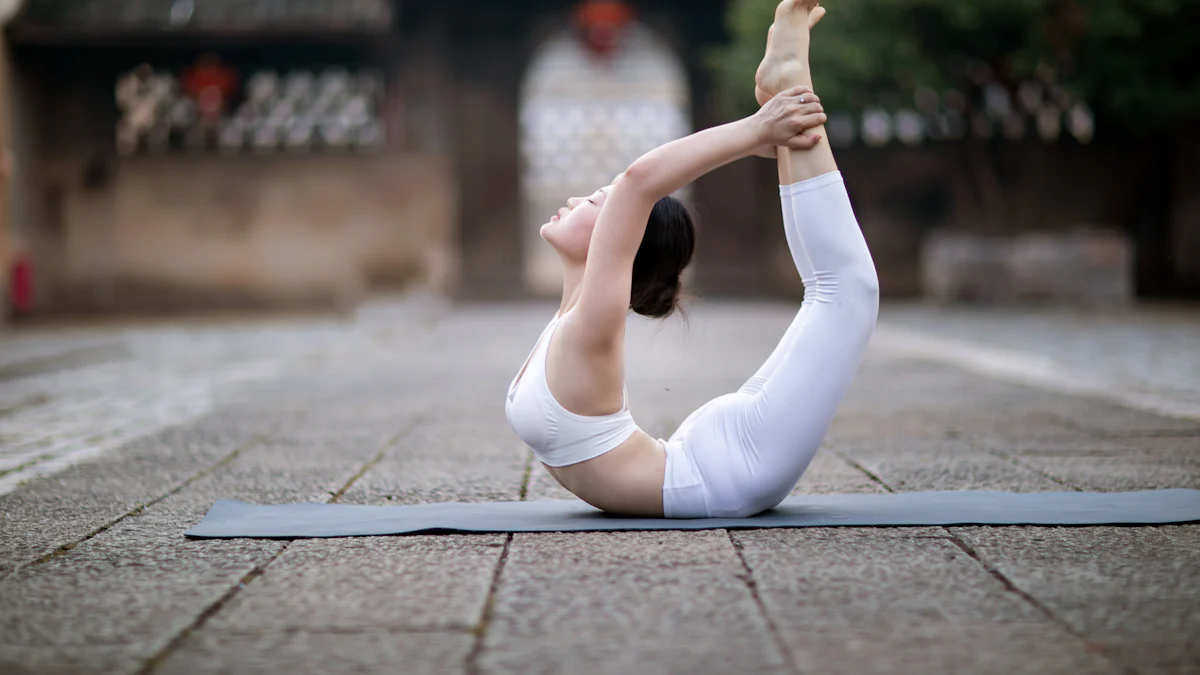
Yoga straps can transform your practice by enhancing flexibility and alignment. They act as an extension of your limbs, allowing you to reach deeper into poses without straining. This tool is especially beneficial if you have tight muscles or limited range of motion. By using a yoga strap, you gain more awareness of your body's problem areas, helping you to improve gradually and safely. Whether you're a beginner or an experienced yogi, incorporating yoga straps into your routine can make challenging poses more accessible and enjoyable.
Understanding Yoga Straps
What is a Yoga Strap?
A yoga strap is a simple yet powerful tool that can elevate your yoga practice. Typically made from cotton or nylon, these straps come in various lengths and feature a buckle for easy adjustment. You can think of them as an extension of your arms or legs, helping you reach further into poses. Whether you're trying to touch your toes or hold a challenging stretch, yoga straps make it easier to maintain proper form and alignment.
Benefits of Using Yoga Straps
Enhancing Flexibility
Yoga straps are fantastic for improving flexibility. They allow you to gradually deepen your stretches without overexerting yourself. By using a strap, you can gently push your limits and increase your range of motion over time. This gradual approach helps prevent injuries and ensures that your muscles adapt safely to new challenges.
Ensuring Proper Alignment
Maintaining proper alignment is crucial in yoga. Yoga straps help you achieve this by providing the support needed to hold poses correctly. For instance, if you're struggling with a pose that requires reaching your hands behind your back, a strap can bridge the gap. This support helps you focus on the alignment of your body rather than straining to reach a position.
Supporting Safe Practice
Safety should always be a priority in any physical activity. Yoga straps offer a way to practice safely, especially if you're new to yoga or recovering from an injury. They provide stability and support, allowing you to explore poses without risking strain or injury. By using a strap, you can confidently work on challenging poses, knowing you have the support you need.
Choosing the Right Yoga Strap
Selecting the perfect yoga strap can make a big difference in your practice. With so many options available, it's important to consider a few key factors to ensure you get the most out of your yoga sessions.
Considerations for Length
When choosing a yoga strap, length is crucial. Straps typically come in three sizes: 6ft, 8ft, and 10ft. The right length depends on your height and the types of poses you plan to practice.
6ft Straps: Ideal for most beginners and those who are shorter in stature. They work well for basic stretches and poses.
8ft Straps: A versatile choice for average-height individuals. They offer more flexibility for a wider range of poses.
10ft Straps: Best for taller individuals or those looking to explore advanced poses. They provide extra length for complex stretches and binds.
Choosing the correct length ensures you have enough strap to comfortably reach and hold poses without straining.
Material Options
Yoga straps are typically made from durable materials like cotton or nylon. Each material has its own benefits:
Cotton Straps: These are soft and comfortable to grip. They provide a natural feel and are often preferred for their eco-friendly properties.
Nylon Straps: Known for their durability and strength. They are slightly more rigid, which can be beneficial for maintaining firm support in challenging poses.
Consider what feels best in your hands and what aligns with your personal values when selecting the material.
Types of Buckles
The buckle type on a yoga strap affects how easily you can adjust it during practice. Common buckle types include:
D-Ring Buckles: These are popular for their simplicity and ease of use. They allow quick adjustments and hold the strap securely in place.
Cinch Buckles: Often found on cotton straps, these provide a snug fit and are easy to tighten or loosen as needed.
Choosing the right buckle type can enhance your practice by making it easier to switch between poses and maintain the desired tension in the strap.
By considering these factors, you can select a yoga strap that complements your practice and helps you achieve your flexibility goals.
Beginner-Friendly Exercises with Yoga Straps
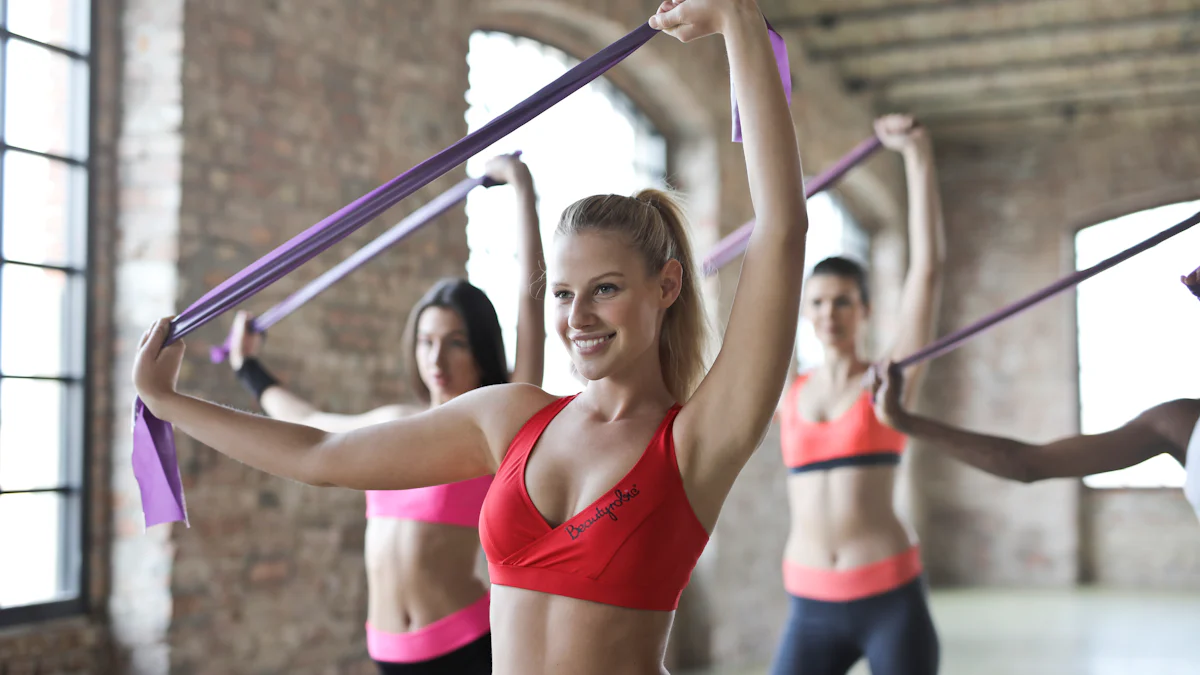
Yoga straps can be a game-changer for beginners. They help you ease into poses without overstraining. Let's explore some beginner-friendly exercises where yoga straps can make a big difference.
Seated Forward Bend
The Seated Forward Bend is a classic pose that stretches your hamstrings and lower back. If you find it hard to reach your toes, a yoga strap can bridge the gap. Here's how you can do it:
Sit on the floor with your legs extended straight in front of you.
Loop the yoga strap around the balls of your feet.
Hold the strap with both hands, keeping your back straight.
Inhale deeply, and as you exhale, gently pull yourself forward using the strap.
Keep your spine long and avoid rounding your back.
Using the strap helps you maintain proper alignment and gradually deepen the stretch. This approach prevents overstraining and supports safe practice.
Reclining Hand-to-Big-Toe Pose
This pose is excellent for stretching your hamstrings and improving flexibility. A yoga strap can assist you in reaching your foot without straining your back or neck.
Lie flat on your back with your legs extended.
Lift your right leg towards the ceiling and loop the strap around the arch of your foot.
Hold the strap with both hands and gently pull your leg closer to your body.
Keep your left leg grounded and your back flat on the mat.
Breathe deeply and hold the pose for a few breaths before switching sides.
The strap allows you to focus on alignment and gradually increase your range of motion.
Cow Face Pose
Cow Face Pose targets your shoulders and hips, areas that often hold tension. A yoga strap can help you achieve the full expression of this pose.
Sit comfortably with your legs crossed.
Extend your right arm overhead and bend it at the elbow, reaching down your back.
Bring your left arm behind your back and reach up to clasp your right hand.
If your hands don't meet, use a yoga strap to bridge the gap.
Hold the strap with both hands and gently pull to deepen the stretch.
This exercise helps you achieve proper alignment and prevents discomfort in your shoulders. Yoga straps make it easier to explore the pose without forcing your body.
By incorporating these exercises into your routine, you can enjoy the benefits of yoga straps. They support your practice, enhance flexibility, and ensure safe alignment. Remember, consistency is key to progress, so keep practicing!
Shoulder Stretch
Shoulder stretches with yoga straps can significantly enhance your flexibility and prevent discomfort. Many people experience tightness in their shoulders, often due to poor posture or stress. Using a yoga strap can help you gently stretch and open up this area, promoting better alignment and reducing the risk of aches and pains.
Here's a simple shoulder stretch you can try:
Start by standing or sitting comfortably. Keep your back straight and shoulders relaxed.
Hold the yoga strap with both hands. Position your hands wider than shoulder-width apart.
Lift your arms overhead. Keep them straight as you raise the strap above your head.
Gently pull the strap apart. This action will engage your shoulder muscles.
Slowly lower your arms behind you. Move as far as your flexibility allows without straining.
Hold the stretch for a few breaths. Feel the opening in your shoulders and chest.
Return to the starting position. Repeat the stretch a few times, gradually increasing your range of motion.
"Yoga straps are beneficial for beginners to prevent overstraining and can assist in achieving proper alignment and deeper stretches for both beginners and experienced practitioners." — Aditi Shah and Kristin McGee, Peloton Yoga Instructors
This shoulder stretch not only helps in improving flexibility but also aids in achieving proper alignment. By incorporating yoga straps into your routine, you can safely explore deeper stretches and enhance your overall practice. Remember, consistency is key, so make this stretch a regular part of your yoga sessions.
Common Mistakes to Avoid
When using yoga straps, you might encounter some common pitfalls. Avoiding these mistakes can enhance your practice and keep you safe.
Incorrect Strap Length
Choosing the wrong strap length can hinder your progress. If the strap is too short, you might struggle to reach certain poses. A strap that's too long can become cumbersome and difficult to manage. To find the right length, consider your height and the poses you plan to practice. For most people, an 8ft strap works well. However, if you're taller or working on advanced poses, a 10ft strap might be more suitable. Always ensure the strap allows you to maintain proper form without straining.
Overstretching
Overstretching is a common mistake, especially when you're eager to improve flexibility. Pushing too hard can lead to injuries. Yoga straps help you ease into poses, but it's crucial to listen to your body. Stretch gradually and avoid forcing your muscles beyond their limits. Remember, yoga is about progress, not perfection. Use the strap to support your journey, not to rush it.
Poor Alignment
Maintaining proper alignment is essential in yoga. Poor alignment can lead to discomfort and injuries. When using a yoga strap, focus on keeping your body aligned. For example, in the Cow Face Arms pose, a strap can help you achieve the correct shoulder stretch. As Yogawithuliana suggests, this pose stretches the shoulders, upper back, and triceps. The strap assists those with tight shoulders in maintaining alignment. Always prioritize form over depth in your stretches. This approach ensures a safe and effective practice.
By being mindful of these common mistakes, you can make the most of your yoga strap and enjoy a safer, more rewarding practice.
Tips for Incorporating Yoga Straps into Your Practice
Yoga straps can be a game-changer in your practice, offering support and helping you reach new levels of flexibility. Here are some tips to make the most out of this versatile tool.
Setting Realistic Goals
When you start using yoga straps, set achievable goals. You might want to touch your toes or hold a pose longer. Break these goals into smaller steps. For example, if you're working on the Seated Forward Bend, aim to reach a little further each week. Celebrate small victories along the way. This approach keeps you motivated and helps you see progress over time.
Consistency is Key
Consistency plays a crucial role in mastering yoga straps. Make them a regular part of your practice. Use them in warm-ups, during poses, and even in cool-downs. The more you use the strap, the more comfortable you'll become with it. Over time, you'll notice improvements in your flexibility and alignment. Remember, regular practice leads to lasting results.
Listening to Your Body
Your body knows best. Pay attention to how it feels when using yoga straps. If a stretch feels too intense, ease off a bit. Yoga is about finding balance, not pushing through pain. Use the strap to support your body, not force it. As Aditi suggests, a strap can help you draw your arms closer in poses like shoulder stand or king pigeon. Let the strap guide you gently into deeper stretches without strain.
"Are you struggling to reach certain yoga poses due to tight muscles or limited flexibility? A yoga strap might be just the tool to enhance your yoga practice."
By setting realistic goals, staying consistent, and listening to your body, you can effectively incorporate yoga straps into your routine. This approach will help you enhance your practice safely and enjoyably.
Advanced Techniques with Yoga Straps
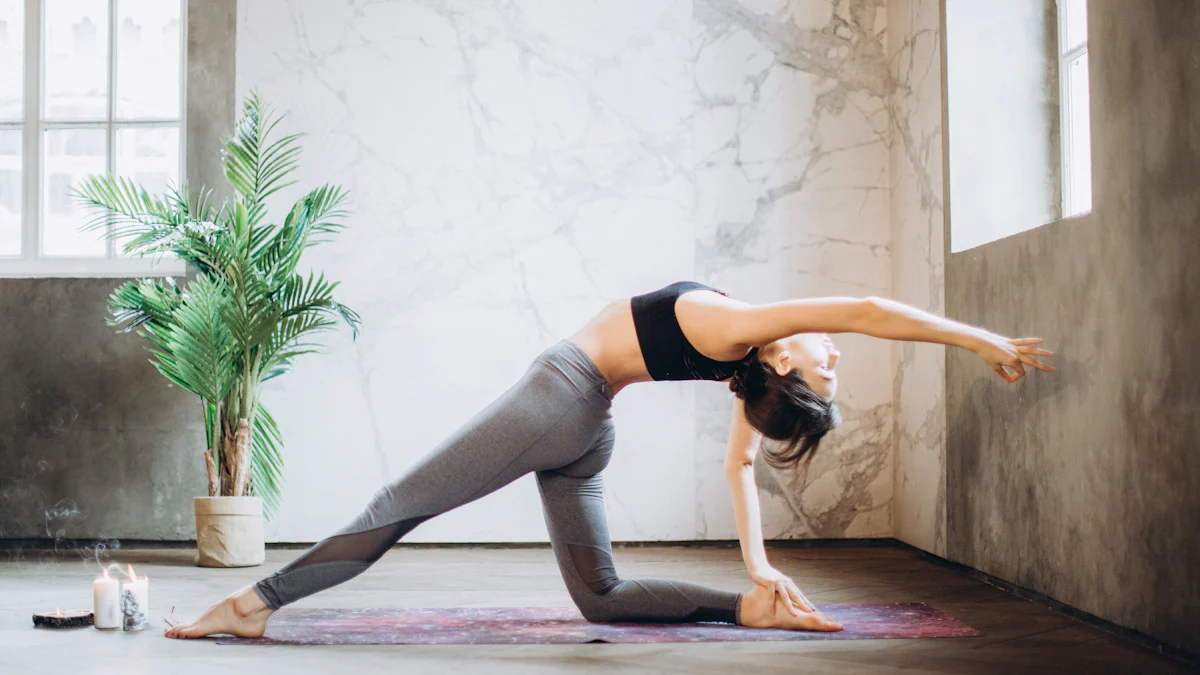
Yoga straps aren't just for beginners. They can also elevate your practice to new heights. Let's dive into some advanced techniques that will help you deepen your poses, enhance your balance, and build strength.
Deepening Poses
Yoga straps act as a bridge between where you are and where you want to be in your practice. They allow you to explore deeper stretches and maintain proper alignment. For instance, in poses like King Pigeon or Full Splits, a strap can help you gradually increase your range of motion. By using the strap, you train your muscles to adapt to new levels of flexibility. This approach not only enhances your physical practice but also deepens your mental and emotional connection to yoga. You cultivate patience and self-compassion, leading to greater acceptance and gratitude.
Enhancing Balance
Balance is a key component of many advanced yoga poses. Yoga straps provide the support needed to stabilize your body. In poses like Dancer's Pose or Half Moon, the strap can act as an anchor, helping you maintain balance while you focus on alignment. This support reduces the risk of injury and allows you to hold poses longer. As you practice, you'll notice improvements in your overall balance and coordination. The strap encourages you to find your center and stay grounded, even in challenging positions.
Building Strength
Yoga straps aren't just for flexibility; they can also help you build strength. By using the strap to create resistance, you engage your muscles more effectively. In poses like Boat Pose or Warrior III, the strap can add an extra challenge, requiring you to activate your core and stabilize your body. This resistance training helps you develop muscle strength and endurance. Over time, you'll find that your practice becomes more dynamic and powerful. The strap allows you to push your limits safely, ensuring that you build strength without compromising form.
By incorporating these advanced techniques into your routine, you can take your yoga practice to the next level. Yoga straps offer a personalized approach, allowing you to modify poses based on your specific needs and goals. This personalization makes your practice more accessible and enjoyable, enhancing your overall yoga experience.
Yoga straps are your secret weapon for enhancing flexibility and alignment. They help you stretch deeper, maintain proper posture, and safely explore new poses. Regular use of yoga straps can transform your practice, making challenging poses more accessible. Remember, safety and mindfulness are key. Listen to your body and progress at your own pace. By incorporating yoga straps into your routine, you open up a world of possibilities, allowing you to deepen your stretches and refine your alignment. Embrace this tool and watch your yoga journey flourish.
See Also
Perfecting Your Bridge Pose Technique in Yoga
Learning the Camel Pose: A Beginner's Guide
Practicing Advanced Yoga Poses Safely and Effectively

Hi my name is Lia and i am your host in this yoga journey in Portugal, Subscribe to our newsletter to receive every week the best of Yoga in Portugal.

We bring back the importance of initiation into womanhood by Roos-Veerle Krijnen & Ella-June Henrard
Welcome to the Women’s Initiation Retreat by Naked Truth Retreats, a transformative journey into the depths of your True Feminine Nature. This retreat invites you to remember the sacredness and wholeness of your being.
Roos-Veerle Krijnen & Ella-June Henrard