How to Master the Candle Pose in Yoga

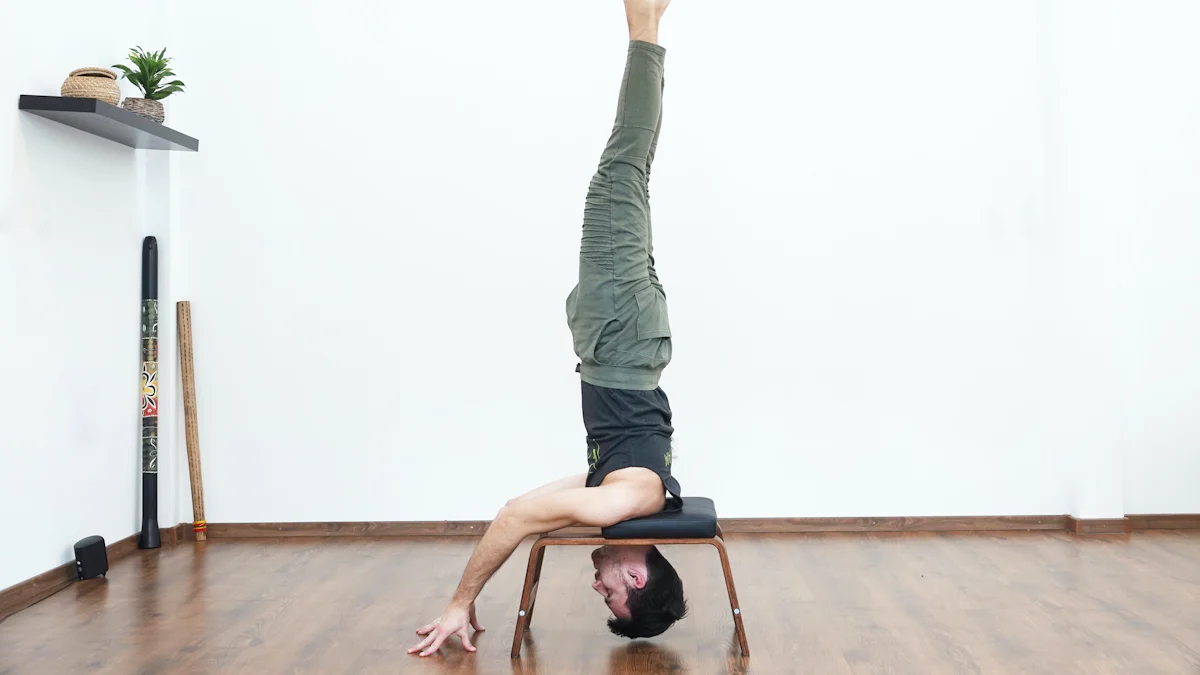
The Candle Pose, or Sarvangasana, stands as one of the essential yoga positions candle. This pose invites you to lift your legs skyward while supporting your back with your hands, creating a straight and stable line. It’s not just about balance—it’s about transformation. Practicing this pose can boost blood circulation, strengthen your core, and even calm your mind. Studies show that *86% of people feel a mood boost after yoga*, making it a powerful tool for mental clarity. Remember, safety matters. Always approach this pose with care and focus.
Key Takeaways
Prepare your body and mind with warm-up poses like Cat-Cow and Sun Salutations to enhance flexibility and reduce injury risk.
Create a safe practice space by choosing a quiet area, using a non-slip mat, and having props like blocks or blankets nearby for support.
Engage your core and maintain proper alignment to prevent strain, ensuring your weight is on your shoulders, not your neck.
Practice the Candle Pose mindfully, taking your time to enter and exit the pose to enhance stability and connection with your body.
Incorporate counterposes like Fish Pose and Child’s Pose after practicing the Candle Pose to release tension and restore balance.
Utilize modifications such as using a wall for support or bending your knees to make the pose more accessible as you build strength.
Regular practice of the Candle Pose can improve blood circulation, strengthen your core, and promote mental clarity, enhancing overall well-being.
Preparing for Yoga Positions Candle
Before diving into the Candle Pose, it’s essential to prepare your body and mind. Proper preparation ensures a safer and more effective practice. Let’s explore how you can get ready for this transformative yoga position.
Warm-Up Poses to Prepare the Body
Warming up is a non-negotiable step in yoga. It helps increase blood circulation, raises your energy levels, and prepares your muscles for movement. Studies from Simple Joy emphasize that a good warm-up enhances oxygen flow and reduces the risk of injury. Start with gentle stretches like Cat-Cow Pose or Child’s Pose. These poses loosen up your spine and shoulders, which are key areas for the Candle Pose.
Incorporate dynamic movements as well. According to ACE Fitness, dynamic warm-ups improve body awareness and alignment. Try Sun Salutations to activate your core and legs. A few rounds of these will elevate your internal temperature and make your body more flexible. Remember, a proper warm-up sets the tone for a successful practice.
Setting Up a Safe and Comfortable Practice Space
Your environment plays a big role in your yoga experience. Choose a quiet, clutter-free space where you can focus without distractions. Use a yoga mat with good grip to prevent slipping. If you’re practicing on a hard surface, consider adding a folded blanket under your shoulders for extra support.
Lighting and ambiance matter too. Dim lighting or natural sunlight can create a calming atmosphere. Keep props like yoga blocks or straps nearby. These tools can assist you in maintaining balance and alignment during the pose. A safe and comfortable space allows you to fully immerse yourself in the practice.
Ensuring Physical and Mental Readiness
Physical readiness means listening to your body. If you feel stiff or tired, take extra time to warm up. Avoid practicing the Candle Pose if you have neck pain or injuries. Engage your core muscles and keep your shoulders strong to support your weight during the pose.
Mental readiness is just as important. Take a few moments to center yourself with deep breathing. Focus on your intention for the practice. A calm mind enhances your ability to hold the pose with stability. When you’re physically and mentally prepared, you’ll approach the Candle Pose with confidence and ease.
Step-by-Step Guide to Yoga Positions Candle
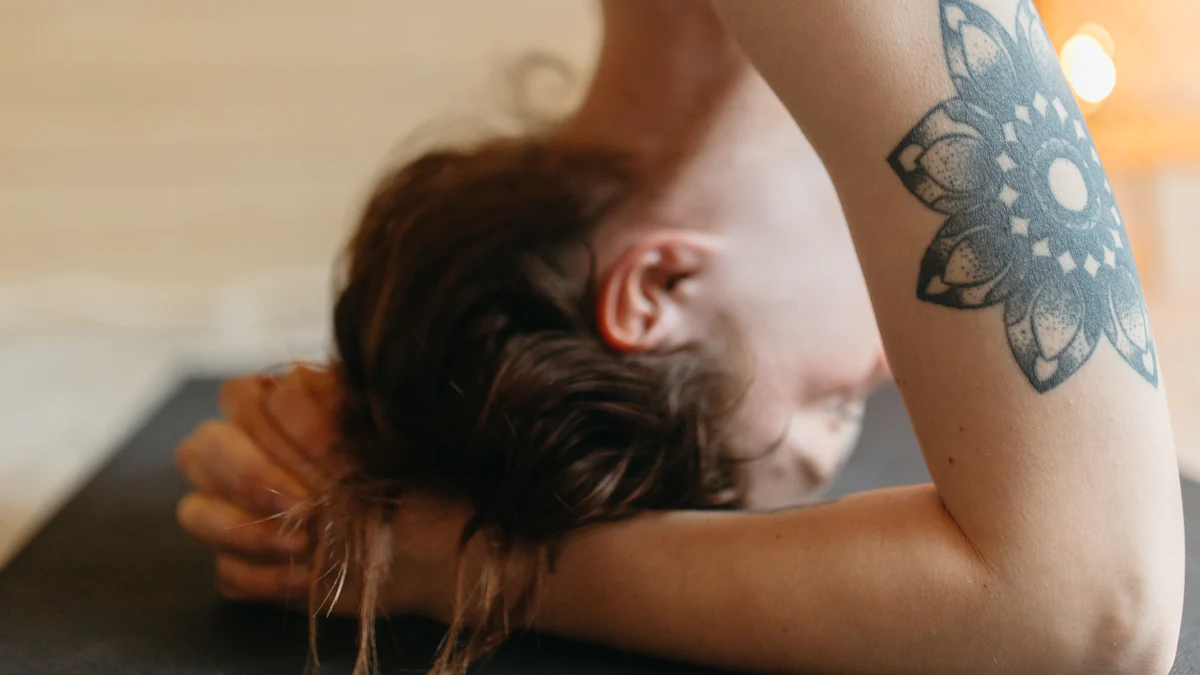
Mastering the Candle Pose requires patience and attention to detail. Follow these steps to safely and effectively practice this foundational yoga position.
Getting Into the Pose
Starting the Candle Pose begins with lying flat on your back. Place your arms alongside your body, palms facing down. Slowly lift your legs toward the ceiling, keeping them straight. Bend your knees slightly if needed. Use your core strength to raise your hips off the ground. Support your lower back with your hands, placing your elbows firmly on the mat for stability.
As you lift, bring your elbows closer together to create a strong base. Keep your weight on your shoulders, not your neck. This ensures safety and prevents strain. Take your time. Moving slowly helps you maintain control and avoid injury.
“Consistent practice of poses like the Candle Pose can transform both your physical and mental well-being,” say experienced yoga practitioners. They emphasize the importance of steady progress over rushing into advanced positions.
Achieving Proper Alignment
Alignment is key to reaping the benefits of the Candle Pose. Once your legs are lifted, extend them straight up toward the ceiling. Engage your core muscles to keep your body stable. Your torso and legs should form a straight line. Avoid overarching your back or letting your legs drift forward or backward.
Keep your neck neutral. Don’t turn your head while in the pose. Focus your gaze upward to maintain alignment. If you feel discomfort in your neck or shoulders, adjust your position or use props like a folded blanket under your shoulders for extra support.
Proper alignment not only enhances the effectiveness of the pose but also reduces the risk of injury. It allows you to hold the position longer and with greater ease.
Holding and Exiting the Pose Safely
Once you’re in the pose, focus on your breath. Inhale deeply and exhale slowly. Hold the position for 15–30 seconds if you’re a beginner. Gradually increase the duration as you build strength and confidence. Stay mindful of your body. If you feel strain or discomfort, exit the pose immediately.
To come out of the pose, lower your legs slowly and with control. Bend your knees toward your chest. Roll your spine down onto the mat, one vertebra at a time. Rest in a supine position for a few breaths before moving on to another pose.
“Yoga positions candle, like the Candle Pose, teach you to listen to your body and move with intention,” say seasoned practitioners. They highlight how exiting a pose mindfully is just as important as entering it.
By following these steps, you’ll build a strong foundation for practicing the Candle Pose. Remember, consistency is key. Each attempt brings you closer to mastering this transformative yoga position.
Tips for Proper Alignment and Safety
Practicing the Candle Pose safely requires attention to detail. Proper alignment not only enhances the benefits of the pose but also protects your body from unnecessary strain. Let’s dive into some essential tips to keep your practice safe and effective.
Maintaining a Neutral Neck Position
Your neck plays a crucial role in the Candle Pose. Keeping it neutral ensures that you avoid unnecessary pressure or strain. When you lift into the pose, focus on placing your weight on your shoulders rather than your neck. This helps distribute the load evenly and keeps your cervical spine safe.
Avoid turning your head while holding the pose. Looking to the side can misalign your neck and increase the risk of injury. Instead, keep your gaze upward. If you feel any discomfort, pause and adjust your position. A neutral neck not only protects you but also allows you to hold the pose with greater ease.
“The foundation of any yoga pose lies in proper alignment,” says B.K.S. Iyengar, a pioneer in modern yoga. His teachings emphasize the importance of protecting vulnerable areas like the neck during inversions.
Engaging Core Muscles for Stability
Your core acts as the powerhouse for this pose. Engaging these muscles provides stability and helps you maintain balance. As you lift your legs and hips, tighten your abdominal muscles. This action supports your lower back and prevents overarching.
Think of your core as the anchor that holds everything in place. Without it, you might feel wobbly or unstable. Practicing poses like Plank or Boat Pose regularly can strengthen your core and prepare you for the demands of the Candle Pose. A strong core not only improves your alignment but also boosts your confidence in the pose.
Using Props for Comfort and Support
Props can transform your yoga practice, making challenging poses more accessible. If you’re new to the Candle Pose or have limited flexibility, consider using a folded blanket under your shoulders. This small adjustment elevates your upper body and reduces strain on your neck.
Yoga blocks can also come in handy. Place them under your hips to provide extra support as you lift into the pose. Props aren’t just for beginners. Even advanced practitioners use them to refine their alignment and deepen their practice. B.K.S. Iyengar, who introduced props in the 1970s, believed they help students achieve correct alignment and support the body in poses.
Props remind us that yoga is about progress, not perfection. They allow you to practice safely while honoring your body’s unique needs.
By focusing on these tips, you’ll create a safer and more enjoyable experience with the Candle Pose. Remember, yoga is a journey. Each practice brings you closer to mastering not just the pose but also your connection to your body and mind.
Common Mistakes to Avoid in Yoga Positions Candle
Even with the best intentions, mistakes can sneak into your practice. These errors not only reduce the benefits of the pose but also increase the risk of injury. Let’s explore some common pitfalls and how you can avoid them.
Overarching the Back
One of the most frequent mistakes in the Candle Pose is overarching your back. This happens when your core muscles aren’t fully engaged, causing your lower back to take on unnecessary strain. Overarching can lead to discomfort and even long-term issues if not corrected.
To prevent this, focus on activating your core. Imagine pulling your belly button toward your spine. This action stabilizes your lower back and keeps your body in a straight line. If you’re struggling to maintain alignment, try practicing with a yoga block or pillow under your hips. This small adjustment can help you find the right posture while reducing strain.
“Yoga is about finding balance, not forcing perfection,” says a seasoned yoga instructor. Remember, it’s okay to use props or modify the pose as you build strength.
Straining the Neck
Your neck is a sensitive area that requires extra care during inversions like the Candle Pose. Placing too much weight on your neck or turning your head while in the pose can lead to strain or injury. This mistake often occurs when you rush into the pose without proper alignment.
To avoid neck strain, ensure your weight rests on your shoulders, not your neck. Keep your gaze upward and resist the urge to look around. If you feel any discomfort, pause and adjust your position. Adding a folded blanket under your shoulders can also provide extra support and protect your neck.
“Your neck should feel free, not burdened,” reminds a yoga expert. Prioritize safety over aesthetics to enjoy a sustainable practice.
Rushing Into or Out of the Pose
Hurrying through the Candle Pose is another common error. Rushing can throw off your balance, compromise your alignment, and increase the risk of injury. Yoga is a practice of mindfulness, and speed has no place in it.
Take your time when entering the pose. Move slowly and with intention. Focus on each step—lifting your legs, engaging your core, and supporting your back with your hands. The same applies when exiting the pose. Lower your legs gradually, keeping control throughout the movement. This mindful approach not only enhances your practice but also helps you connect with your body.
For a playful twist, you can even add a bit of humor to your practice. Imagine your feet as the flame of a candle. Ask a friend to “blow out” your candle by gently blowing toward your toes. As they do, slowly lower your feet to the ground. This light-hearted exercise makes the practice more enjoyable and reminds you to move with care.
“Yoga positions candle isn’t just about the pose—it’s about the journey into and out of it,” says an experienced yogi. Embrace the process, and you’ll find joy in every movement.
By avoiding these common mistakes, you’ll create a safer and more rewarding experience with the Candle Pose. Remember, yoga is a journey of growth. Each practice is an opportunity to learn, improve, and deepen your connection to yourself.
Benefits of Yoga Positions Candle
The Candle Pose, often referred to as the "queen of asanas," offers a wealth of benefits for both your body and mind. By practicing this yoga position regularly, you can unlock its transformative potential and enhance your overall well-being.
Physical Benefits
The Candle Pose works wonders for your physical health. One of its standout benefits is improved blood circulation. When you lift your legs above your heart, gravity helps blood flow more efficiently, which can reduce swelling in your lower limbs and promote healthier veins. This inversion also stimulates your thyroid gland, which plays a key role in regulating your metabolism and energy levels.
Strengthening your muscles is another major perk. The pose engages your core, shoulders, and legs, helping you build stability and endurance. Over time, this can improve your posture and balance. Additionally, the Candle Pose supports better digestion by gently massaging your abdominal organs. This can help relieve bloating and improve nutrient absorption.
“The Candle Pose enhances blood flow, strengthens muscles, and supports digestive health,” according to yoga experts. These physical benefits make it a cornerstone of many yoga practices.
Mental Benefits
Beyond the physical, the Candle Pose offers profound mental advantages. Holding this pose encourages deep, steady breathing, which calms your nervous system and reduces stress. Many practitioners report feeling a sense of clarity and focus after practicing this pose. It’s like hitting the reset button for your mind.
This pose also promotes emotional stability. By inverting your body, you shift your perspective—literally and figuratively. This can help you approach challenges with a fresh mindset. Regular practice of the Candle Pose has been linked to reduced anxiety and improved mood, making it a powerful tool for mental well-being.
“Yoga positions candle, like the Candle Pose, bring balance to your mind and emotions,” say seasoned yogis. They emphasize how this pose fosters inner peace and resilience.
Incorporating the Candle Pose into your routine can transform both your body and mind. Whether you’re seeking physical strength or mental clarity, this yoga position offers a holistic approach to wellness.
Modifications and Variations for Yoga Positions Candle
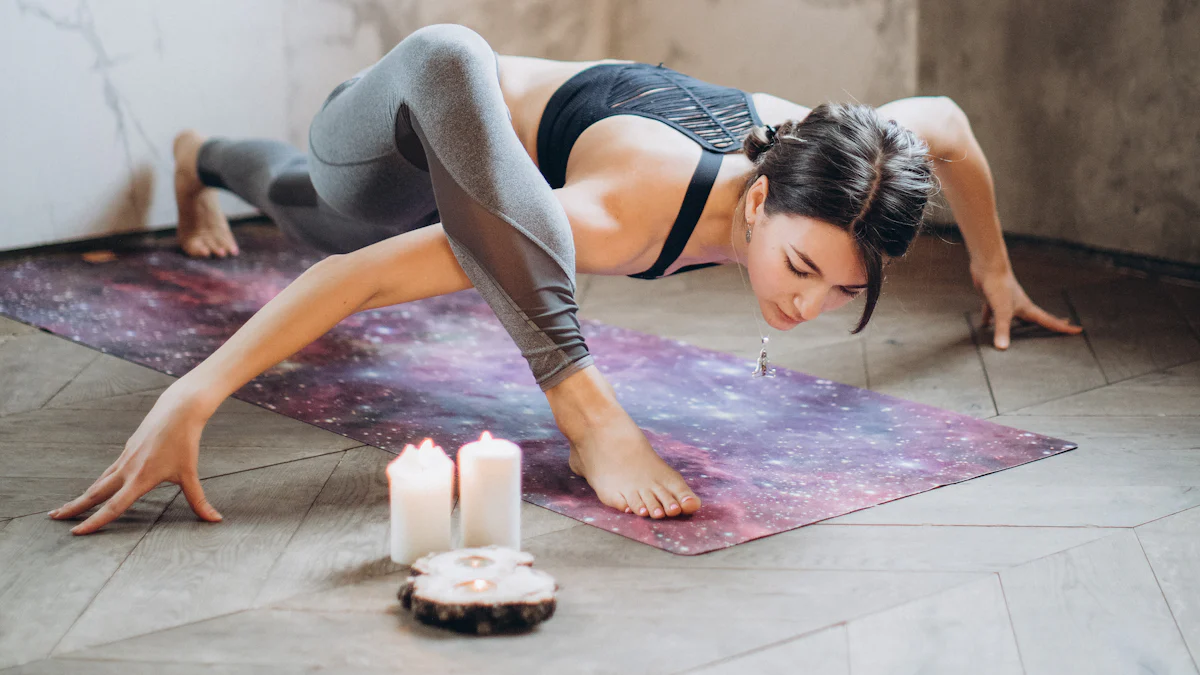
Yoga is for everyone, and the Candle Pose is no exception. Whether you're just starting out or have years of experience, there are ways to adapt this pose to suit your needs. Let’s explore some beginner-friendly modifications and advanced variations to help you grow in your practice.
Beginner-Friendly Modifications
Starting with the Candle Pose can feel intimidating, but small adjustments make it more accessible. These modifications allow you to build strength and confidence while keeping your practice safe.
Use a Wall for Support
Practicing against a wall provides stability. Lie on your back with your legs resting vertically against the wall. As you lift your hips, press your feet into the wall for balance. This setup reduces strain on your core and shoulders, making it easier to focus on alignment.Elevate Your Shoulders with a Blanket
Place a folded blanket under your shoulders to elevate them slightly. This adjustment protects your neck by reducing the angle between your shoulders and the floor. It also helps distribute your weight more evenly, making the pose feel more comfortable.Bend Your Knees
Keeping your legs straight can be challenging at first. Instead, bend your knees slightly while lifting your hips. This modification reduces the effort required from your core and allows you to focus on maintaining stability.Practice Half Candle Pose
If lifting your hips feels too intense, try the Half Candle Pose. Lie on your back and lift your legs toward the ceiling without raising your hips. This variation strengthens your core and prepares you for the full pose over time.
“Yoga meets you where you are,” say experienced practitioners. They emphasize that modifications are not signs of weakness but tools for growth.
Advanced Variations for Experienced Practitioners
If you’ve mastered the basics, you can challenge yourself with advanced variations. These options deepen your practice and enhance the benefits of the Candle Pose.
Add Leg Movements
While holding the pose, try moving your legs into different positions. For example, spread them wide apart or lower one leg toward the floor while keeping the other vertical. These movements engage your core and improve your balance.Incorporate a Lotus Position
For a more advanced variation, fold your legs into a Lotus Pose while in the Candle Pose. This requires flexibility in your hips and knees, so approach it with caution. Practicing this variation enhances your focus and strengthens your core.Transition to Plow Pose
From the Candle Pose, slowly lower your legs over your head until your toes touch the floor behind you. This transition stretches your spine and shoulders while improving flexibility. Move with control to avoid straining your neck.Perform the Pose Without Hand Support
Once you feel stable, try removing your hands from your lower back. Extend your arms along the floor or toward the ceiling. This variation demands greater core strength and balance, so attempt it only when you feel confident.
“Hearing from individuals who have experienced significant improvements in their health and well-being through yoga can be incredibly motivating,” say yoga enthusiasts. Advanced variations like these highlight the transformative power of consistent practice.
By exploring these modifications and variations, you can tailor the Candle Pose to your unique needs and goals. Remember, yoga is a journey, not a race. Celebrate every step forward, no matter how small.
Follow-Up Poses to Complement Yoga Positions Candle
After practicing the Candle Pose, your body needs balance and recovery. Follow-up poses help release tension, restore equilibrium, and build strength for future sessions. Let’s explore two categories of poses that perfectly complement the Candle Pose.
Counterposes to Release Tension
Counterposes are essential after inversions like the Candle Pose. They help your body transition back to a neutral state and prevent stiffness or strain. Here are a few counterposes you can try:
Fish Pose (Matsyasana)
Fish Pose is a classic counterpose for the Candle Pose. Lie on your back and arch your chest upward while supporting yourself with your forearms. This gentle backbend stretches your neck, shoulders, and chest, relieving any compression caused by the inversion. It also opens up your throat and stimulates deep breathing.Child’s Pose (Balasana)
Child’s Pose offers a calming stretch for your spine and shoulders. Kneel on the mat, sit back on your heels, and extend your arms forward as you lower your forehead to the ground. This pose soothes your nervous system and releases tension in your lower back, making it an excellent way to unwind after the Candle Pose.Supine Twist (Supta Matsyendrasana)
A gentle twist can help release any tightness in your spine. Lie on your back, bend one knee, and guide it across your body while keeping your shoulders grounded. This pose not only stretches your back but also aids digestion, which aligns well with the benefits of the Candle Pose.
“Main poses in life need counterposes for balance,” says Naturally Randi Kay. Incorporating these poses ensures your practice feels complete and harmonious.
Poses to Build Strength and Flexibility
To deepen your yoga journey, include poses that enhance the strength and flexibility required for the Candle Pose. These follow-up poses prepare your body for more advanced practices.
Plank Pose (Phalakasana)
Plank Pose strengthens your core, shoulders, and arms—all crucial for maintaining stability in the Candle Pose. Hold a straight line from your head to your heels, engaging your abdominal muscles. Regular practice of this pose builds endurance and improves overall body alignment.Bridge Pose (Setu Bandhasana)
Bridge Pose complements the Candle Pose by strengthening your back and opening your chest. Lie on your back, bend your knees, and lift your hips toward the ceiling. This pose activates your glutes and hamstrings while stretching your spine, creating a balanced workout for your body.Seated Forward Bend (Paschimottanasana)
Stretching your hamstrings and lower back is vital for flexibility. Sit with your legs extended and reach for your feet, keeping your spine long. This pose not only improves flexibility but also calms your mind, making it a great addition to your practice.Cat-Cow Pose (Marjaryasana-Bitilasana)
This dynamic movement warms up your spine and enhances flexibility. Move between arching your back (Cow Pose) and rounding it (Cat Pose) while syncing with your breath. This flow keeps your spine healthy and prepares it for future inversions.
According to ACE Fitness, crafting an intelligent sequence of poses enhances your practice. Combining strength-building and flexibility-enhancing poses ensures you’re ready for the demands of the Candle Pose.
By incorporating these follow-up poses, you’ll create a well-rounded yoga routine. Counterposes help you recover, while strength and flexibility exercises prepare you for growth. Remember, yoga is about balance—both on and off the mat.
Mastering the Candle Pose starts with preparation, proper alignment, and mindful execution. By following the steps and safety tips, you ensure a safe and rewarding practice. This pose strengthens your body, calms your mind, and boosts your overall well-being. Regular practice can transform your yoga journey, helping you feel more balanced and focused.
Keep practicing consistently. Explore variations and other poses to deepen your skills. Remember, yoga is a journey, not a destination. Celebrate your progress, stay curious, and enjoy every step of your growth on the mat.
See Also
A Beginner's Guide to Perfecting Camel Pose
Achieving the Perfect Cat Pose in Yoga
Unlocking the Secrets of Half Moon Pose

Hi my name is Lia and i am your host in this yoga journey in Portugal, Subscribe to our newsletter to receive every week the best of Yoga in Portugal.

We bring back the importance of initiation into womanhood by Roos-Veerle Krijnen & Ella-June Henrard
Welcome to the Women’s Initiation Retreat by Naked Truth Retreats, a transformative journey into the depths of your True Feminine Nature. This retreat invites you to remember the sacredness and wholeness of your being.
Roos-Veerle Krijnen & Ella-June Henrard