Mastering the Tripod Headstand: A Step-by-Step Guide

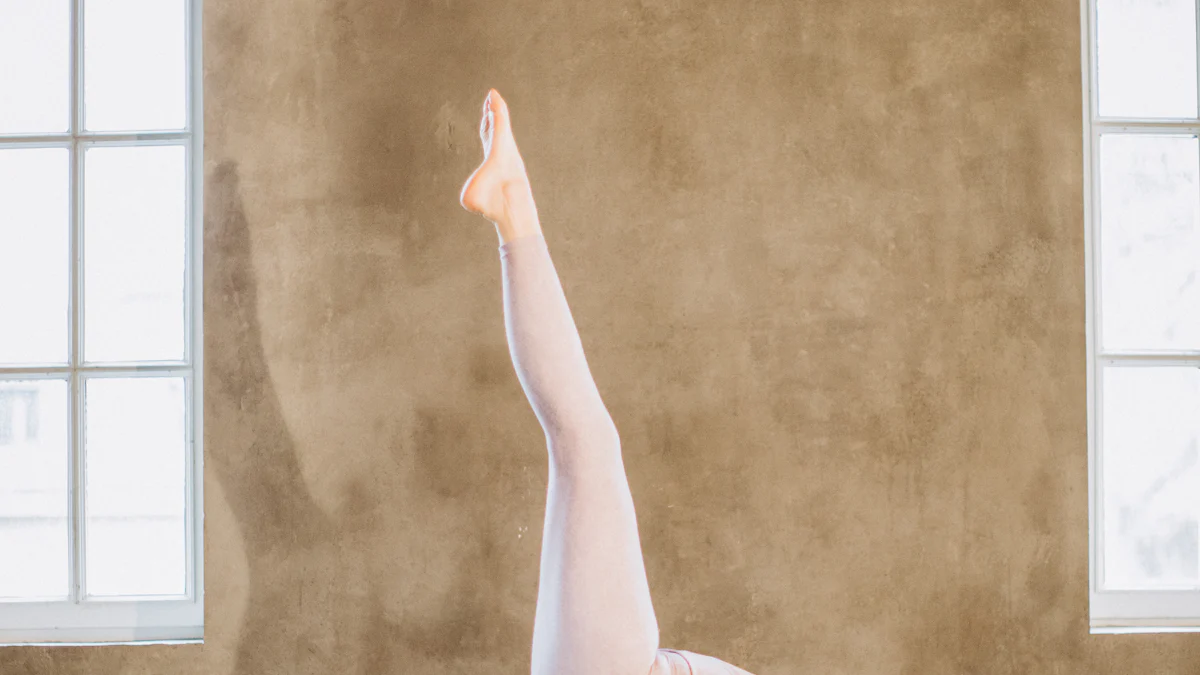
Are you eager to master the tripod headstand? This challenging pose in tripod yoga not only tests your balance but also strengthens your core and upper body. It's crucial to focus on the correct technique to ensure safety and prevent injuries. By incorporating this pose into your yoga practice, you can enjoy numerous benefits. It helps calm the mind, alleviate stress, and boost digestion. Plus, it enhances lung capacity and strengthens abdominal organs. Embrace the journey of mastering this pose and experience the transformative effects it can bring to your overall well-being.
Assessing Your Readiness for Tripod Yoga
Before diving into the world of tripod yoga, it's essential to evaluate your readiness. This involves understanding both your physical capabilities and mental preparedness. Let's break it down step by step.
Evaluating Strength and Flexibility
Core Strength Requirements
Your core plays a pivotal role in maintaining balance during a tripod headstand. A strong core helps you stabilize your body and prevents unnecessary strain on your neck and shoulders. To assess your core strength, try holding a plank position for at least 30 seconds. If you can do this comfortably, you're on the right track. Remember, a solid core foundation is crucial for safely executing the pose.
Neck and Shoulder Flexibility
Flexibility in your neck and shoulders is equally important. These areas bear significant weight during the headstand. To test your flexibility, gently tilt your head from side to side and roll your shoulders. If you feel any discomfort, consider incorporating stretches into your routine. This will help prevent injuries and ensure a smoother transition into the pose.
Mental Preparation
Building Confidence
Confidence is key when attempting any inversion. Start by visualizing yourself successfully performing the tripod headstand. Visualization can boost your confidence and prepare your mind for the challenge. Practice with a wall or a partner initially to build trust in your abilities. As you gain confidence, you'll find the pose less intimidating.
Overcoming Fear of Inversion
Fear of inversion is common, but it shouldn't hold you back. Begin by practicing simpler inversions, like the downward dog or dolphin pose. These will help you get comfortable with being upside down. Gradually, you'll overcome the fear and embrace the exhilarating feeling of mastering the tripod headstand. Remember, patience and persistence are your best allies.
Scientific Research Findings: Practicing headstands, such as the tripod headstand, can increase heart rate variability and decrease overall heart rate, contributing to a calmer mind and reduced stress levels. This aligns with the benefits of tripod yoga, which not only strengthens the body but also enhances mental well-being.
By assessing your readiness in these areas, you'll set a solid foundation for your tripod yoga journey. Embrace the process, and soon you'll find yourself confidently balancing in this empowering pose.
Step-by-Step Guide to Performing a Tripod Headstand
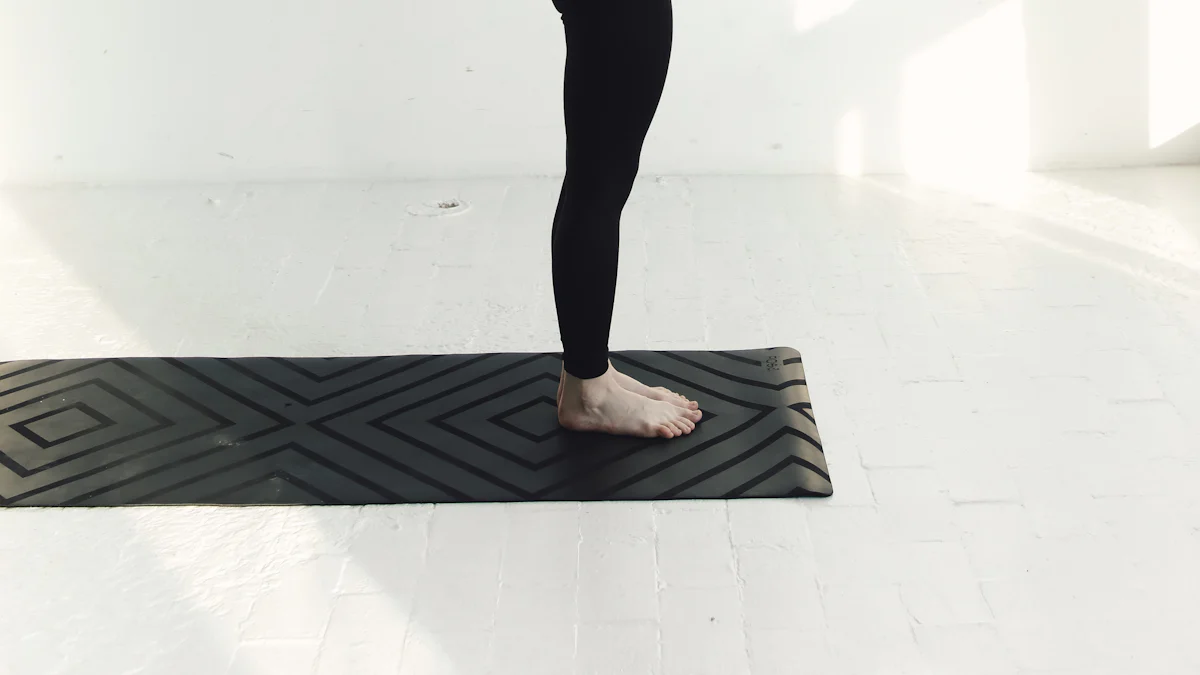
Ready to dive into the world of tripod yoga? Let's break down the steps to help you master the tripod headstand with confidence and ease.
Setting Up the Foundation
Positioning Your Hands and Head
Start by kneeling on the mat. Place your hands shoulder-width apart, creating a stable base. Your fingers should spread wide, gripping the mat for extra support. Lower your head gently between your hands, forming a triangle with your head and hands. This setup is crucial for balance and safety.
Aligning Your Body
Once your hands and head are in position, focus on aligning your body. Keep your elbows bent and directly above your wrists. Your neck should feel comfortable, not strained. Engage your core muscles to maintain a straight line from your head to your tailbone. This alignment helps distribute weight evenly, reducing pressure on your neck.
Lifting into the Pose
Engaging Core Muscles
With your foundation set, it's time to lift. Engage your core muscles by pulling your belly button towards your spine. This action stabilizes your body and prevents wobbling. Strong core engagement is essential in tripod yoga, as it supports your entire body during the inversion.
Balancing and Stability
Begin lifting your legs off the ground slowly. You can start by bringing one knee to your chest, then the other. Focus on maintaining balance by keeping your gaze fixed on a point in front of you. This helps you stay centered and prevents tipping over. Remember, balance is key in tripod yoga.
Holding and Exiting the Pose
Maintaining Balance
Once you're fully inverted, hold the pose by continuing to engage your core and keeping your body aligned. Breathe deeply and steadily. This not only helps maintain balance but also calms your mind. Enjoy the feeling of being upside down, knowing you're strengthening your body and mind.
Safely Lowering Down
To exit the pose, slowly lower one leg at a time back to the ground. Keep your core engaged to control the descent. Avoid collapsing onto the mat, as this can strain your neck. Instead, aim for a gentle landing. Once both feet are on the ground, rest in a child's pose to relax your muscles.
Expert Testimony: Dav Jones Yoga, a seasoned yoga instructor, emphasizes the importance of warming up before attempting the challenging Tripod Headstand. This preparation ensures safety and effectiveness in the pose.
By following these steps, you'll find yourself mastering the tripod headstand in no time. Remember, practice makes perfect. Embrace the journey of tripod yoga, and enjoy the benefits it brings to your physical and mental well-being.
Benefits of the Tripod Headstand
Practicing the tripod headstand in your yoga routine can bring a wealth of benefits, both physically and mentally. Let's explore how this powerful pose can enhance your well-being.
Physical Benefits
Strengthening Muscles
When you engage in tripod yoga, you activate a variety of muscles. Your shoulders, arms, and core work hard to support your body weight. This strengthens these areas over time. Regular practice of the tripod headstand can lead to increased muscle tone and endurance. You might notice improved strength in your upper body, which can benefit other yoga poses and daily activities.
Improving Balance and Coordination
Tripod yoga challenges your balance and coordination. As you lift into the pose, your body learns to stabilize itself. This enhances your overall balance skills. Improved coordination comes as a bonus. You become more aware of your body's movements and how to control them. This awareness can translate into better performance in sports and other physical activities.
Mental and Emotional Benefits
Enhancing Focus
The tripod headstand requires concentration. You need to focus on your breath and body alignment. This focus can sharpen your mental clarity. Practicing tripod yoga regularly can improve your ability to concentrate on tasks outside of yoga. It trains your mind to stay present and attentive.
Reducing Stress
Inversions like the tripod headstand have a calming effect on the mind. They help reduce stress and anxiety levels. When you invert, blood flow to the brain increases, promoting relaxation. This can alleviate mild depression and create a sense of peace. Incorporating tripod yoga into your routine can be a powerful tool for managing stress and enhancing your mood.
Scientific Research Findings: Studies have shown that headstands, including the tripod headstand, positively affect heart rate variability. This contributes to a calmer mind and reduced stress levels.
By embracing the benefits of tripod yoga, you can experience a transformation in both your physical and mental health. The journey of mastering this pose is not just about strength and balance; it's about finding harmony within yourself.
Safety Precautions and Common Misconceptions
When practicing tripod yoga, safety should always be your top priority. Understanding common mistakes and contraindications can help you avoid injuries and enjoy a safe practice.
Avoiding Common Mistakes
Incorrect Hand Placement
One of the most frequent errors in tripod yoga is incorrect hand placement. Your hands should form a stable base, positioned shoulder-width apart. Spread your fingers wide to distribute weight evenly. This setup prevents unnecessary strain on your wrists and ensures a solid foundation. If your hands are too close or too far apart, you risk losing balance and falling.
Overarching the Back
Another common mistake is overarching the back. This can happen when you lift into the pose without engaging your core. Your body should form a straight line from head to tailbone. Overarching not only disrupts balance but also puts pressure on your lower back. To avoid this, focus on pulling your belly button towards your spine. This action keeps your core engaged and your back aligned.
Understanding Contraindications
Neck and Spine Concerns
Tripod yoga involves placing weight on your head and neck, which can be risky if you have existing neck or spine issues. Conditions like disc herniations, cervical spine problems, or nerve impingements make headstands potentially harmful. Research indicates that headstands can compress the neck, leading to pinched nerves or spinal cord damage. If you have any concerns, consult a healthcare professional before attempting the pose.
High Blood Pressure
Individuals with high blood pressure should approach tripod yoga with caution. Inversions can affect blood flow and pressure, posing risks for those with cardiovascular issues. Although some believe headstands increase blood flow to the brain, recent studies have dispelled this claim. If you have high blood pressure, it's best to avoid inversions or practice under the guidance of a qualified instructor.
Scientific Research Findings: Headstands, including tripod yoga, can cause musculoskeletal, neurological, and ophthalmic injuries. Contraindications include detached retina, disc herniations, and glaucoma.
By being aware of these safety precautions and misconceptions, you can practice tripod yoga with confidence. Remember, it's essential to listen to your body and respect its limits. With mindful practice, you can enjoy the benefits of tripod yoga while minimizing risks.
Tips for Beginners and Modifications
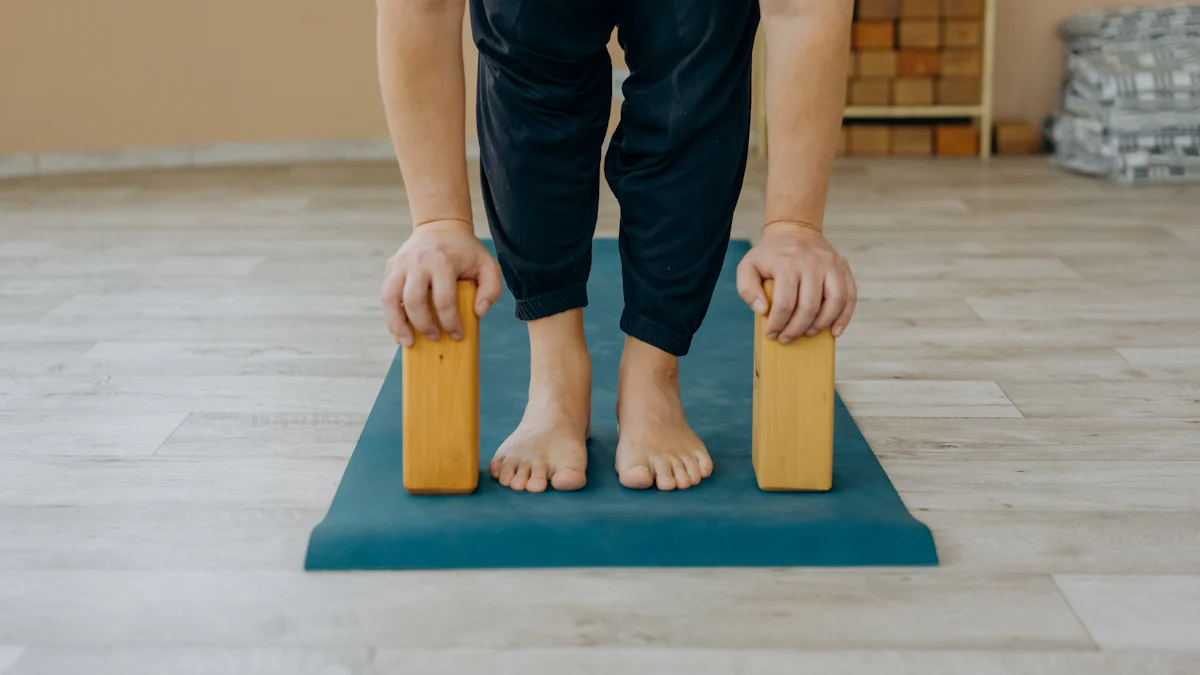
Starting your journey with tripod yoga can feel daunting, but with the right tips and modifications, you'll find it more approachable. Let's explore some ways to ease into this practice and make it work for you.
Using Props for Support
Props can be your best friends when you're new to tripod yoga. They offer stability and help you build confidence as you learn the pose.
Wall Support
Using a wall for support is a fantastic way to practice tripod yoga safely. Position yourself a few inches away from the wall. As you lift into the headstand, let your feet gently touch the wall. This support helps you focus on engaging your core and aligning your body without worrying about balance. Over time, you'll rely less on the wall and more on your strength.
Yoga Blocks
Yoga blocks can also provide excellent support. Place two blocks under your shoulders to create a 'headless headstand.' This modification takes the weight off your head and neck, allowing you to focus on building shoulder strength. You can also use a yoga strap around your upper arms to prevent your elbows from splaying out. These props ensure that you maintain proper alignment and reduce the risk of injury.
Gradual Progression
Progressing gradually is key to mastering tripod yoga. Take your time to build strength and confidence.
Building Up Strength
Before attempting the full tripod headstand, work on strengthening your core, shoulders, and arms. Incorporate exercises like planks and dolphin poses into your routine. These preparatory poses develop the necessary muscles and technique for tripod yoga. Remember, consistency is crucial. Regular practice will lead to noticeable improvements in your strength and stability.
Practicing with a Partner
Practicing with a partner can provide additional support and encouragement. Your partner can help guide your legs into position and offer feedback on your alignment. This collaboration not only boosts your confidence but also makes the learning process more enjoyable. Plus, having someone to share your progress with can be incredibly motivating.
Anecdotal Insight: Denise Davis-Gains, a yoga instructor, suggests using props like blocks or chairs to modify headstands. This approach ensures safety and helps beginners gain confidence in their practice.
By incorporating these tips and modifications, you'll find tripod yoga more accessible and enjoyable. Embrace the journey, and remember that every small step brings you closer to mastering this empowering pose.
Summary of Key Points
You've embarked on an exciting journey with tripod yoga, and it's time to recap the essential steps and safety tips. This will help you practice confidently and safely.
Recap of Steps and Safety Tips
Assess Your Readiness: Before diving into tripod yoga, evaluate your strength and flexibility. Ensure your core is strong and your neck and shoulders are flexible. This foundation is crucial for a safe practice.
Mental Preparation: Build confidence by visualizing success. Overcome any fear of inversion by practicing simpler poses like the downward dog. This mental readiness will support your physical efforts.
Setting Up the Foundation: Position your hands shoulder-width apart and form a triangle with your head and hands. This stable base is vital for balance and safety.
Lifting into the Pose: Engage your core muscles and lift your legs slowly. Focus on maintaining balance by keeping your gaze fixed on a point in front of you. This helps you stay centered.
Holding and Exiting the Pose: Once inverted, continue engaging your core and breathe steadily. To exit, lower one leg at a time, keeping control to avoid straining your neck.
Safety Precautions: Avoid common mistakes like incorrect hand placement and overarching the back. Understand contraindications, especially if you have neck or spine concerns or high blood pressure. Consult a healthcare professional or yoga teacher if needed.
"Headstand is an iconic yoga pose with numerous benefits, but should be learned under guidance for safety." Practicing in a room corner with wall support can prevent misalignment and boost your confidence.
Encouragement to Practice Regularly
Regular practice is key to mastering tripod yoga. Consistency builds strength, flexibility, and confidence. Embrace the process and enjoy the journey. Each session brings you closer to achieving the perfect tripod headstand. Remember, patience and persistence are your best friends. Celebrate small victories along the way and keep pushing your limits. With dedication, you'll experience the transformative benefits of tripod yoga, both physically and mentally.
Patience and practice are your best allies in mastering the tripod headstand. This journey is not just about achieving the pose but also about embracing the process. Enjoy each step, celebrate small victories, and relish the progress you make. The headstand, often called the "king of poses," offers a wealth of benefits, from strengthening your core to enhancing mental clarity.
"The headstand is a powerhouse of benefits. It strengthens the shoulders, arms, and core, promoting overall stability and posture."
Feel free to share your experiences and progress with others. Your journey can inspire and motivate fellow practitioners. Remember, every attempt brings you closer to mastery.
See Also
Achieving the Perfect Yoga Headstand: A Complete Guide
Perfecting the Yoga Plank Pose: A Detailed Tutorial
Conquering Surya Namaskar: A Comprehensive How-To Guide

Hi my name is Lia and i am your host in this yoga journey in Portugal, Subscribe to our newsletter to receive every week the best of Yoga in Portugal.

We bring back the importance of initiation into womanhood by Roos-Veerle Krijnen & Ella-June Henrard
Welcome to the Women’s Initiation Retreat by Naked Truth Retreats, a transformative journey into the depths of your True Feminine Nature. This retreat invites you to remember the sacredness and wholeness of your being.
Roos-Veerle Krijnen & Ella-June Henrard