How to Master Standing Yoga Poses for Better Balance

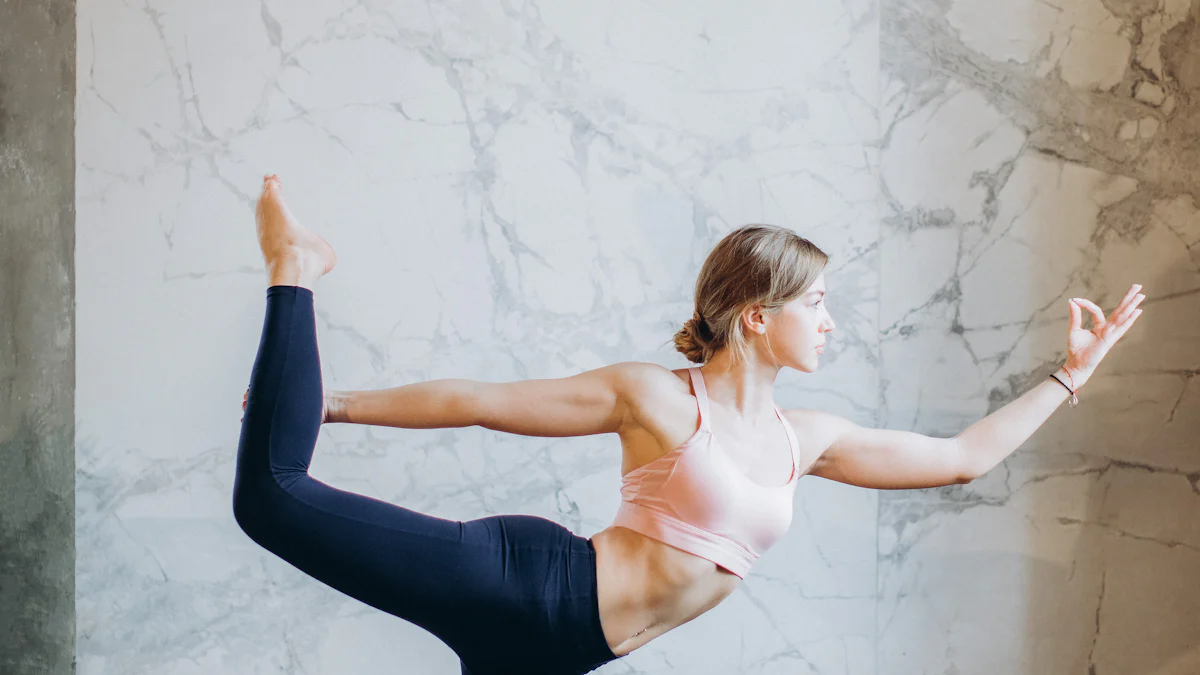
Balance plays a crucial role in yoga, enhancing both your physical and mental well-being. Standing yoga poses form the foundation of many practices, helping you build strength and stability. By mastering these poses, you can improve coordination and boost your confidence. Plus, yoga releases feel-good chemicals like dopamine and serotonin, promoting happiness. With millions practicing yoga annually, it's clear that these benefits resonate with many. Embrace standing yoga to transform your practice and life.
Understanding Balance in Yoga
The Role of Balance
Balance is more than just standing on one foot. It’s about finding harmony in your body and mind. When you practice yoga, balance plays a key role in enhancing your overall experience.
Physical Benefits
Balancing poses strengthen your muscles. They improve your posture and increase your flexibility. When you engage in these poses, you work on your core, legs, and even your arms. This helps you build a strong foundation. You’ll notice better coordination and stability in your daily activities.
Mental Benefits
Yoga isn’t just physical. It’s a mental journey too. Balancing poses require focus and concentration. They teach you to be present in the moment. As you practice, you’ll find that your stress levels decrease. You’ll feel more relaxed and at peace. This mental clarity can boost your confidence and help you tackle challenges with a calm mind.
Common Challenges
While balance offers many benefits, it also comes with its own set of challenges. Understanding these can help you overcome them and improve your practice.
Physical Limitations
Everyone’s body is different. You might face physical limitations like tight muscles or joint issues. These can make balancing difficult. But don’t worry. With regular practice, you can improve your flexibility and strength. Listen to your body and modify poses as needed. Use props like blocks or straps to support your practice.
Mental Barriers
Your mind can be your biggest obstacle. Fear of falling or self-doubt can hinder your progress. It’s important to approach your practice with a positive mindset. Remember, it’s okay to wobble or fall. Each attempt is a step towards improvement. Focus on your breath and stay patient with yourself. Over time, you’ll find that your mental resilience grows stronger.
Essential Standing Yoga Poses
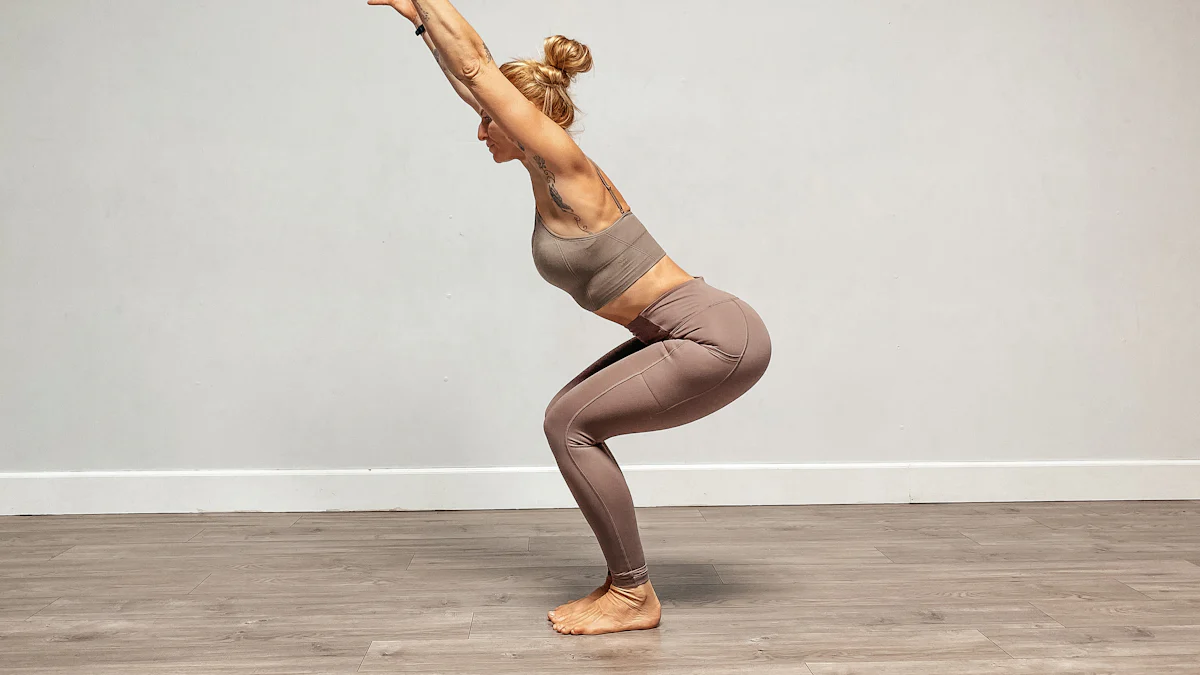
Standing yoga poses form the backbone of your practice. They help you build strength, stability, and balance. Let's dive into some essential poses that will enhance your yoga journey.
Mountain Pose (Tadasana)
Description and Steps
Mountain Pose, or Tadasana, is the foundation of all standing yoga poses. It looks simple, but it requires focus and alignment. Here's how you do it:
Stand with your feet together. Keep your big toes touching and heels slightly apart.
Distribute your weight evenly across both feet.
Engage your thighs and lift your kneecaps.
Lengthen your spine and roll your shoulders back.
Let your arms hang naturally by your sides, palms facing forward.
Gaze straight ahead and breathe deeply.
Benefits
Mountain Pose improves your posture and strengthens your legs. It helps you become aware of your body alignment. Practicing Tadasana regularly enhances your focus and concentration. This pose also serves as a great starting point for other standing yoga poses.
Tree Pose (Vrksasana)
Description and Steps
Tree Pose, or Vrksasana, challenges your balance and concentration. It's a beautiful pose that mimics the grace of a tree. Follow these steps:
Begin in Mountain Pose.
Shift your weight onto your left foot.
Bend your right knee and place your right foot on your inner left thigh or calf. Avoid the knee.
Press your hands together in front of your chest in a prayer position.
Find a focal point to help maintain your balance.
Hold the pose for a few breaths, then switch sides.
Benefits
Tree Pose strengthens your legs and core. It improves your balance and stability. This pose also encourages mental focus and calmness. Practicing Vrksasana regularly boosts your confidence and helps you stay grounded.
Warrior I (Virabhadrasana I)
Description and Steps
Warrior I, or Virabhadrasana I, is a powerful standing yoga pose. It builds strength and endurance. Here's how to perform it:
Start in Mountain Pose.
Step your left foot back about four feet.
Turn your left foot out at a 45-degree angle.
Bend your right knee over your right ankle.
Raise your arms overhead, palms facing each other.
Square your hips to the front and gaze forward.
Benefits
Warrior I strengthens your legs, arms, and back. It opens your chest and shoulders, improving flexibility. This pose enhances your focus and determination. Practicing Virabhadrasana I regularly increases your stamina and resilience.
Advanced Standing Yoga Poses
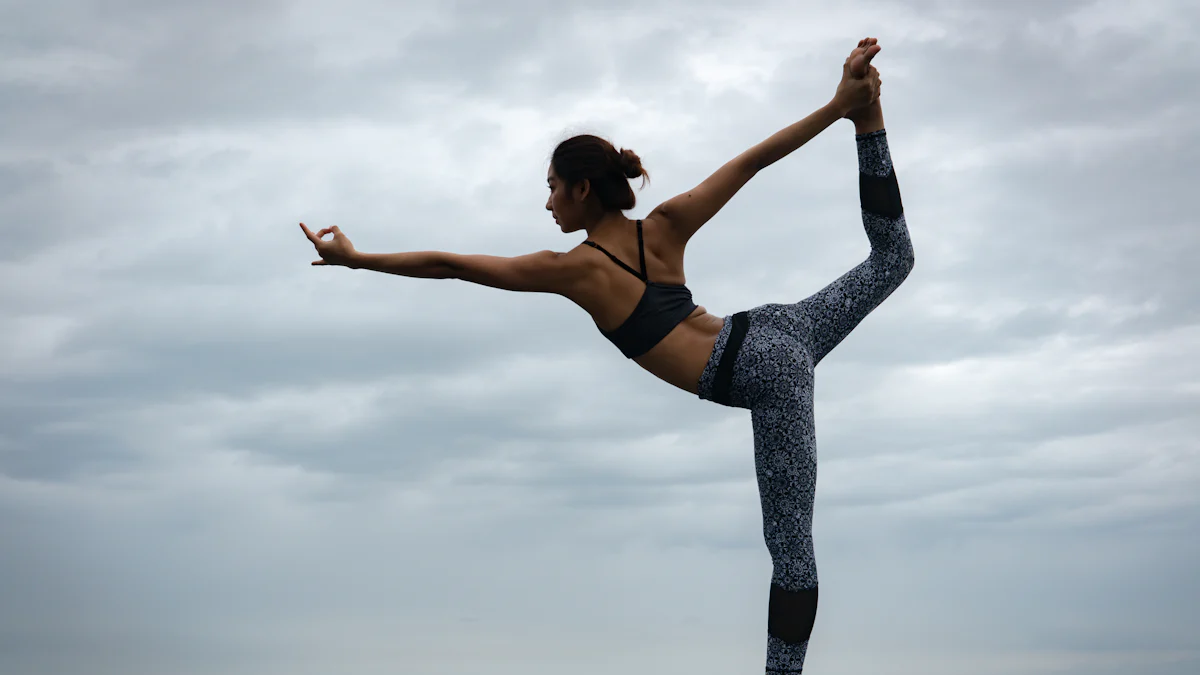
As you progress in your yoga journey, you might feel ready to tackle more advanced standing yoga poses. These poses challenge your balance and strength, pushing you to discover your true potential. Let's explore two powerful poses that can elevate your practice.
Warrior III (Virabhadrasana III)
Description and Steps
Warrior III is a dynamic pose that tests your balance and focus. It requires you to engage multiple muscle groups, enhancing your stability and coordination. Here's how you can master it:
Begin in Mountain Pose.
Step your right foot forward and shift your weight onto it.
Lift your left leg behind you, keeping it straight and parallel to the floor.
Extend your arms forward, aligning them with your torso and left leg.
Keep your gaze on a fixed point to maintain balance.
Hold for a few breaths, then switch sides.
Benefits
Practicing Warrior III strengthens your legs, core, and back. It improves your balance and concentration, teaching you to stay focused even when challenged. This pose also encourages self-awareness, helping you confront any limiting beliefs about your abilities. By leaning into your edges, you build both physical and mental resilience.
Half Moon Pose (Ardha Chandrasana)
Description and Steps
Half Moon Pose is a graceful standing yoga posture that enhances your balance and flexibility. It requires you to open your body and mind to new possibilities. Follow these steps to achieve it:
Start in Warrior II with your right foot forward.
Shift your weight onto your right foot and right hand.
Lift your left leg parallel to the floor.
Extend your left arm toward the ceiling, stacking your shoulders.
Keep your gaze on your left hand or the floor for balance.
Hold for a few breaths, then repeat on the other side.
Benefits
Half Moon Pose activates your core, legs, and arms, promoting strength and stability. It enhances your flexibility, especially in your hips and shoulders. This pose invites you to explore your potential, encouraging a mindset that sees possibilities rather than limitations. As you practice, you'll cultivate deeper self-awareness and personal growth.
Advanced standing yoga poses like Warrior III and Half Moon Pose offer a chance to deepen your practice. They challenge you to breathe through adversity and embrace discomfort, leading to empowerment and transformation. By incorporating these poses into your routine, you not only enhance your physical abilities but also nurture a mindset of resilience and possibility.
Tips for Improving Balance
Improving your balance in standing yoga poses can transform your practice. It requires focus, concentration, and strength. Here are some tips to help you enhance your balance and stability.
Focus and Concentration
Balancing in yoga isn't just about physical strength. It also involves mental focus and concentration. Here are some techniques to help you sharpen your focus:
Techniques to Enhance Focus
Set an Intention: Begin your practice by setting a clear intention. This could be a word or phrase that resonates with you. It helps center your mind and keeps you grounded during your practice.
Use a Drishti: A drishti is a focal point that you fix your gaze on during a pose. It helps stabilize your mind and body. Choose a spot on the floor or wall and keep your eyes steady.
Visualize Success: Picture yourself holding the pose with ease. Visualization can boost your confidence and improve your performance.
"Balance in yoga is not just about the physical act of standing still. It's about finding a calm center within yourself," says Amy, a seasoned yoga practitioner.
Breathing Exercises
Breathing plays a crucial role in maintaining balance. It calms your mind and provides stability. Try these breathing exercises:
Deep Belly Breathing: Inhale deeply through your nose, filling your belly with air. Exhale slowly, releasing tension. This technique helps you stay relaxed and focused.
Alternate Nostril Breathing: This exercise balances your energy and enhances concentration. Close one nostril with your thumb, inhale through the other, then switch nostrils and exhale. Repeat several times.
Strengthening Exercises
Building strength is essential for improving balance in standing yoga poses. Focus on strengthening your core and legs to create a solid foundation.
Core Strengthening
Plank Pose: Hold a plank position for 30 seconds to a minute. Engage your core muscles to maintain stability. This exercise strengthens your entire midsection.
Boat Pose: Sit on the floor, lift your legs, and balance on your sit bones. Hold for a few breaths. This pose targets your abdominal muscles and improves core strength.
Leg Strengthening
Chair Pose: Stand with your feet together, bend your knees, and lower your hips as if sitting in a chair. Hold for a few breaths. This pose strengthens your thighs and calves.
Calf Raises: Stand with your feet hip-width apart. Lift your heels off the ground and lower them back down. Repeat several times. This exercise builds strength in your calves and ankles.
By incorporating these tips into your practice, you'll find that your balance improves over time. Remember, it's a journey, not a destination. Keep practicing, stay patient, and enjoy the process of mastering standing yoga poses.
Common Mistakes and How to Avoid Them
When practicing standing yoga, you might encounter some common mistakes. Recognizing these errors and knowing how to correct them can enhance your practice and prevent injuries.
Alignment Issues
Proper alignment is crucial in standing yoga poses. It ensures that you engage the right muscles and maintain balance.
Correcting Posture
You might find yourself slouching or misaligning your body during poses. To correct this, focus on your posture. Stand tall with your spine straight and shoulders relaxed. Engage your core muscles to support your back. Imagine a string pulling you upward from the top of your head. This visualization helps maintain proper alignment.
Using Props
Props can be your best friend in yoga. They assist in achieving correct alignment and provide support. Use blocks under your hands in poses like Half Moon Pose if you can't reach the floor. Straps can help you maintain balance in poses like Tree Pose. Don't hesitate to use props—they're there to enhance your practice.
Overcoming Fear of Falling
Fear of falling is a common barrier in standing yoga. It can prevent you from fully engaging in poses and exploring your potential.
Building Confidence
Confidence grows with practice. Start with simpler poses and gradually progress to more challenging ones. Celebrate small victories, like holding a pose for a few extra seconds. Remember, yoga is about the journey, not perfection. As one teacher said, "Yoga is about healing. Practicing advanced postures can be hugely helpful when it comes to healing both physical and psychological wounds." Embrace this mindset to build confidence.
Safe Practice Techniques
Safety should always come first. Practice near a wall for support if you're worried about falling. This provides a safety net and allows you to focus on the pose. Keep your gaze steady on a fixed point to help maintain balance. Breathing deeply and evenly also calms your mind and body, reducing the fear of falling.
By addressing these common mistakes, you can improve your standing yoga practice. Focus on alignment, use props wisely, and build confidence through safe practice techniques. Remember, every step you take brings you closer to mastering standing yoga poses.
Mastering standing yoga poses can transform your practice and life. These poses enhance your physical strength and mental clarity. Regular practice helps you find balance in both body and mind. Remember, yoga is a journey. Embrace each step with patience and dedication. My dad's journey through yoga after a shoulder injury taught me that yoga heals at any age. It’s not just about the poses; it’s about the peace and resilience you cultivate. So, keep practicing, stay grounded, and let yoga guide you to a balanced life.
See Also
Yoga Asanas to Harmonize Svadhisthana Energy Center
Safe Home Practice for Advanced Inversions in Yoga
Basic Anatomy Principles for Yoga Newbies

Hi my name is Lia and i am your host in this yoga journey in Portugal, Subscribe to our newsletter to receive every week the best of Yoga in Portugal.

We bring back the importance of initiation into womanhood by Roos-Veerle Krijnen & Ella-June Henrard
Welcome to the Women’s Initiation Retreat by Naked Truth Retreats, a transformative journey into the depths of your True Feminine Nature. This retreat invites you to remember the sacredness and wholeness of your being.
Roos-Veerle Krijnen & Ella-June Henrard