How to Master Root Chakra Yoga Sequences


Chakras represent energy centers within your body, each playing a vital role in your physical and emotional health. The root chakra, located at the base of your spine, serves as the foundation for stability and security. When balanced, it enhances your overall well-being, promoting emotional stability and clarity. Yoga offers a powerful tool for balancing chakras, including the root chakra. By practicing a root chakra yoga sequence, you can harmonize your body, mind, and spirit, fostering a sense of grounding and connection to the earth.
Understanding the Root Chakra
What is the Root Chakra?
The root chakra, also known as the Muladhara, is the first of the seven chakras. It is located at the base of your spine, near the tailbone. This chakra serves as the foundation of your energy system, connecting you to the earth and providing a sense of stability and security. When balanced, the root chakra supports your survival instincts and helps you feel grounded and secure.
Location and Significance
The root chakra's location at the base of the spine signifies its role as the grounding force in your body. It connects you to the physical world and influences your basic needs, such as food, shelter, and safety. A well-balanced root chakra ensures that you feel secure and stable, both physically and emotionally. This chakra is crucial for maintaining a strong foundation for all other chakras, allowing energy to flow freely throughout your body.
Physical and Emotional Associations
The root chakra is associated with the color red and governs the lower part of your body, including your legs, feet, and lower spine. Physically, it influences your bones, muscles, and immune system. Emotionally, a balanced root chakra fosters feelings of safety, security, and confidence. It helps you face challenges with resilience and maintain a sense of inner peace.
Signs of an Imbalanced Root Chakra
An imbalanced root chakra can disrupt your physical and emotional well-being. Recognizing these signs can help you take steps to restore balance and harmony.
Physical Symptoms
When your root chakra is out of balance, you may experience various physical symptoms. These can include fatigue, lower back pain, and digestive issues. You might also notice problems with your legs or feet, such as stiffness or discomfort. An imbalanced root chakra can weaken your immune system, making you more susceptible to illnesses.
Emotional Symptoms
Emotionally, an imbalanced root chakra can lead to feelings of insecurity, fear, and anxiety. You may struggle with stress and find it difficult to relax or feel grounded. This imbalance can also cause you to feel disconnected from your surroundings and lead to a lack of motivation or purpose. Addressing these emotional symptoms is essential for restoring balance and achieving a sense of stability and security in your life.
By understanding the root chakra and recognizing the signs of imbalance, you can take proactive steps to enhance your physical and emotional health. Balancing this chakra can lead to a more grounded disposition, a sense of security, and improved overall well-being.
Preparing for Root Chakra Yoga
Setting the Right Environment
Creating a conducive environment is crucial for your root chakra yoga practice. A well-prepared space enhances focus and promotes a sense of calm.
Choosing a Quiet Space
Select a quiet area where you can practice without interruptions. This space should feel safe and comfortable, allowing you to concentrate fully on your practice. A serene environment helps you connect with your inner self and fosters a deeper sense of grounding. Consider dimming the lights or using natural light to create a soothing atmosphere.
Gathering Necessary Props
Gathering the right props can enhance your yoga experience. Use a yoga mat for comfort and stability. Blocks and straps can assist in achieving proper alignment, especially if you're new to yoga. These tools support your body, making poses more accessible and effective. Having a blanket nearby can provide extra cushioning or warmth during meditation.
Grounding Techniques
Grounding techniques are essential for balancing the root chakra. They help you connect with the earth and stabilize your energy.
Breathing Exercises
Breathing exercises, or pranayama, play a vital role in grounding. Focus on deep, slow breaths to calm your mind and body. Inhale deeply through your nose, filling your lungs completely. Exhale slowly, releasing tension and stress. This practice centers your thoughts and enhances your connection to the present moment.
Meditation Practices
Meditation offers a powerful way to balance the root chakra. Begin by sitting comfortably with your spine straight. Close your eyes and focus on your breath. Visualize a red light at the base of your spine, symbolizing the root chakra. Imagine this light growing stronger with each breath, anchoring you to the earth. Regular meditation cultivates a sense of stability and security, supporting your overall well-being.
Yoga has been like a balm for the soul, a support to lean on, and a way to improve relationships with oneself and others. Embrace these practices to nurture your root chakra and enhance your connection to the world around you.
Root Chakra Yoga Sequence

Mountain Pose (Tadasana)
Steps to perform
Stand tall with your feet together, grounding them firmly into the earth.
Distribute your weight evenly across both feet.
Engage your thighs and lift your kneecaps.
Lengthen your spine by reaching the crown of your head toward the sky.
Relax your shoulders away from your ears.
Keep your arms at your sides with palms facing forward.
Benefits for the root chakra
Mountain Pose, or Tadasana, serves as the foundation for many yoga poses. It helps you connect deeply with the earth, fostering a sense of stability and balance. By practicing this pose, you enhance your awareness of your body's alignment and strengthen your connection to the root chakra. This pose encourages grounding, making you feel more secure and centered.
Warrior I (Virabhadrasana I)
Steps to perform
Begin in Mountain Pose.
Step your left foot back about four feet, keeping your right foot facing forward.
Bend your right knee over your right ankle.
Turn your left foot slightly inward, grounding the outer edge.
Raise your arms overhead, palms facing each other.
Square your hips toward the front.
Benefits for the root chakra
Warrior I, known as Virabhadrasana I, channels the body's natural energy flow. This pose strengthens your legs and core, enhancing your stability. With both feet firmly planted, you stimulate the root chakra, promoting strength and determination. Practicing Warrior I helps you tap into your inner reserves, fostering a sense of empowerment and grounding.
Tree Pose (Vrksasana)
Steps to perform
Start in Mountain Pose.
Shift your weight onto your left foot.
Place the sole of your right foot on your left inner thigh or calf.
Avoid placing it on your knee.
Bring your hands to prayer position at your chest.
Focus on a point in front of you to maintain balance.
Benefits for the root chakra
Tree Pose, or Vrksasana, enhances your balance and concentration. By rooting one foot into the ground, you strengthen your connection to the earth. This pose encourages stability and focus, essential for balancing the root chakra. As you hold Tree Pose, you cultivate a sense of calm and groundedness, reinforcing your foundation.
"Working with your chakras is all about balance. Releasing excess chakra energy is just as important as stimulating chakras to gain energy." Spend five slow breaths in each root chakra pose to allow for true transformation and personal growth.
By incorporating these poses into your root chakra yoga sequence, you can achieve a harmonious balance of energy. These practices not only stabilize your physical body but also nurture your emotional well-being, fostering a profound sense of security and trust.
Garland Pose (Malasana)
Garland Pose, or Malasana, is a powerful addition to your root chakra yoga sequence. This pose, often referred to as the Yoga Squat, deeply connects you to the earth, enhancing your sense of grounding and stability.
Steps to perform
Begin by standing with your feet slightly wider than hip-width apart.
Slowly bend your knees, lowering your hips toward the floor into a squat position.
Keep your feet flat on the ground, ensuring your heels remain in contact with the mat.
Bring your palms together in a prayer position at your chest.
Use your elbows to gently press your knees apart, opening your hips.
Lengthen your spine, reaching the crown of your head toward the ceiling.
Hold the pose for several breaths, focusing on your connection to the ground.
Benefits for the root chakra
Malasana is renowned for its ability to stabilize and ground energy. By practicing this pose, you foster a profound sense of security and trust, which are essential for a balanced root chakra. The deep squat position encourages the release of excess energy while simultaneously stimulating the Muladhara, allowing for personal growth and transformation. As you hold Garland Pose, you cultivate a strong foundation, both physically and emotionally, reinforcing your connection to the earth.
"Malasana, commonly known as the Yoga Squat, is a profound root chakra pose that aids in grounding and stabilizing energy. It fosters a sense of security and trust, which are core aspects of a well-balanced root chakra."
Incorporating Garland Pose into your root chakra yoga sequence can significantly enhance your practice. This pose not only strengthens your lower body but also nurtures your emotional well-being, promoting a harmonious balance of energy.
Progressing in Your Practice
Advancing in your root chakra yoga sequence involves dedication and mindfulness. As you deepen your practice, focus on building a routine and listening to your body. These elements will help you achieve a balanced and fulfilling yoga journey.
Building a Routine
Creating a consistent yoga routine is essential for progress. Regular practice enhances your connection to the root chakra and promotes stability in your life.
Frequency of Practice
Aim to practice yoga several times a week. Consistency is key to experiencing the full benefits of a root chakra yoga sequence. Start with two to three sessions per week and gradually increase as you become more comfortable. Regular practice helps reinforce grounding and stability, essential for balancing the root chakra.
Duration of Sessions
Each session should last between 20 to 45 minutes. This duration allows you to engage deeply with each pose and focus on your breathing. Shorter sessions can be effective for beginners, while longer ones provide an opportunity for more advanced practitioners to explore deeper aspects of their practice. Adjust the duration based on your schedule and energy levels.
Listening to Your Body
Your body communicates its needs and limits. Paying attention to these signals ensures a safe and effective yoga practice.
Recognizing Limits
Understand your physical boundaries. Avoid pushing yourself into discomfort or pain. Each pose should feel stable and secure, reflecting the qualities of a balanced root chakra. If you experience strain, ease back and modify the pose. Recognizing your limits prevents injury and promotes a sustainable practice.
Adjusting Poses as Needed
Modify poses to suit your body's needs. Use props like blocks or straps to assist with alignment and support. For example, in Garland Pose, if your heels lift off the ground, place a folded blanket under them for stability. Adjustments ensure that each pose remains accessible and beneficial, enhancing your connection to the earth and fostering a sense of grounding.
"Malasana, commonly known as the Yoga Squat, is a profound root chakra pose that aids in grounding and stabilizing energy. It fosters a sense of security and trust, which are core aspects of a well-balanced root chakra."
By progressing mindfully in your root chakra yoga sequence, you cultivate a deeper sense of grounding and stability. This practice not only strengthens your physical body but also nurtures your emotional well-being, promoting a harmonious balance of energy.
Additional Tips for Balancing the Root Chakra
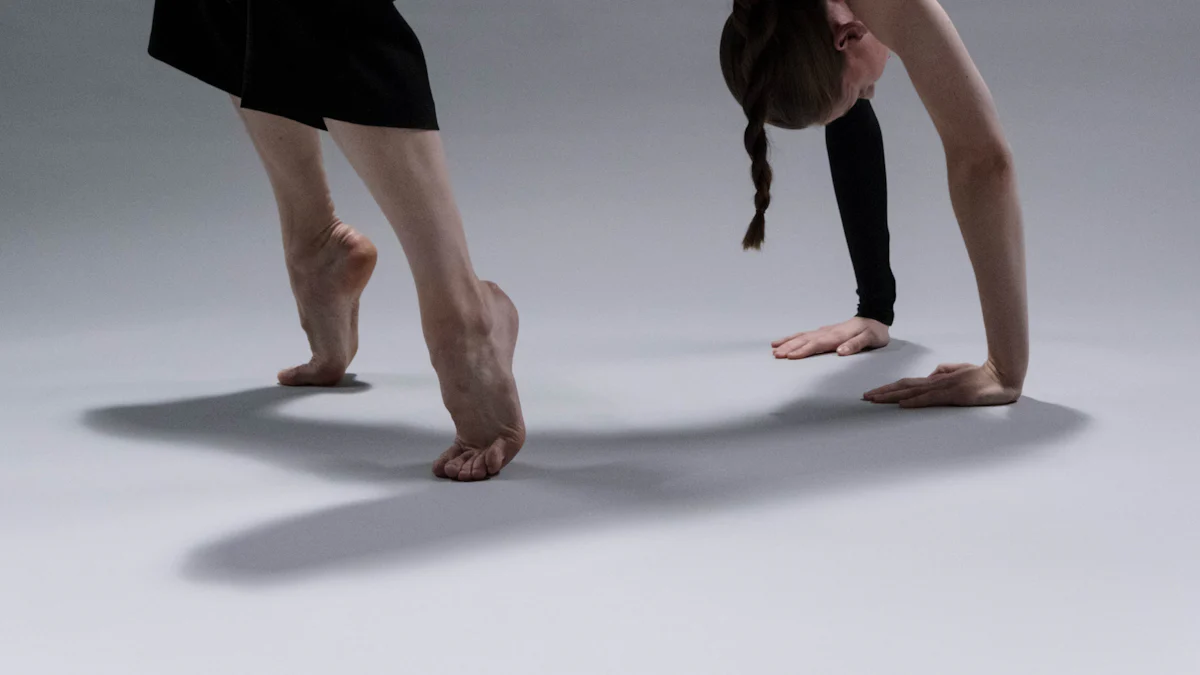
Balancing your root chakra involves more than just practicing yoga. Incorporating specific dietary choices and lifestyle changes can significantly enhance your overall well-being. Here are some additional tips to support your root chakra journey.
Diet and Nutrition
Your diet plays a crucial role in maintaining a balanced root chakra. Consuming the right foods can help you feel more grounded and secure.
Foods that support the root chakra
Certain foods resonate with the energy of the root chakra. Incorporate red-colored foods like beets, tomatoes, and strawberries into your meals. Root vegetables such as carrots, potatoes, and radishes also provide grounding energy. These foods nourish your body and support the stability associated with the root chakra.
Hydration importance
Staying hydrated is essential for maintaining energy flow throughout your body. Water helps cleanse and balance your chakras, including the root chakra. Aim to drink at least eight glasses of water daily. Proper hydration supports your physical health and enhances your connection to the earth.
Lifestyle Changes
Adopting specific lifestyle changes can further support your root chakra. These changes promote a sense of grounding and reduce stress.
Incorporating grounding activities
Engage in activities that connect you with nature. Walking barefoot on grass or sand can help you feel more grounded. Gardening, hiking, or spending time in a forest also strengthens your connection to the earth. These activities enhance your root chakra energy and foster a sense of stability.
Reducing stress and anxiety
Stress and anxiety can disrupt your root chakra balance. Practice mindfulness techniques like meditation or deep breathing exercises to calm your mind. Yoga, as mentioned earlier, is an excellent tool for reducing stress. Regular practice of a root chakra yoga sequence can help you manage anxiety and promote emotional stability.
"Yoga can improve our relationship with ourselves and others, strengthen our sense of community, and help us grow and develop." Embrace these practices to nurture your root chakra and enhance your connection to the world around you.
By integrating these dietary and lifestyle tips into your routine, you can achieve a harmonious balance of energy. These practices not only stabilize your physical body but also nurture your emotional well-being, fostering a profound sense of security and trust.
Begin your journey with root chakra yoga sequences to cultivate stability and security in your life. Regular practice not only grounds you but also enhances your emotional and physical well-being. A balanced root chakra fosters confidence, resilience, and a deep connection to the earth. As you progress, explore additional yoga practices and lifestyle changes, such as incorporating red-colored foods and grounding activities like walking in nature. These practices will enrich your experience and promote a harmonious balance of energy, leading to a more fulfilling and centered life.
See Also
Balancing Svadhisthana Chakra with Effective Yoga Poses
Safe Mastery of Home Upside Down Yoga
Exploring Yoga's Various Side Plank Poses

Hi my name is Lia and i am your host in this yoga journey in Portugal, Subscribe to our newsletter to receive every week the best of Yoga in Portugal.

We bring back the importance of initiation into womanhood by Roos-Veerle Krijnen & Ella-June Henrard
Welcome to the Women’s Initiation Retreat by Naked Truth Retreats, a transformative journey into the depths of your True Feminine Nature. This retreat invites you to remember the sacredness and wholeness of your being.
Roos-Veerle Krijnen & Ella-June Henrard