Master Restorative Yoga for Ultimate Relaxation

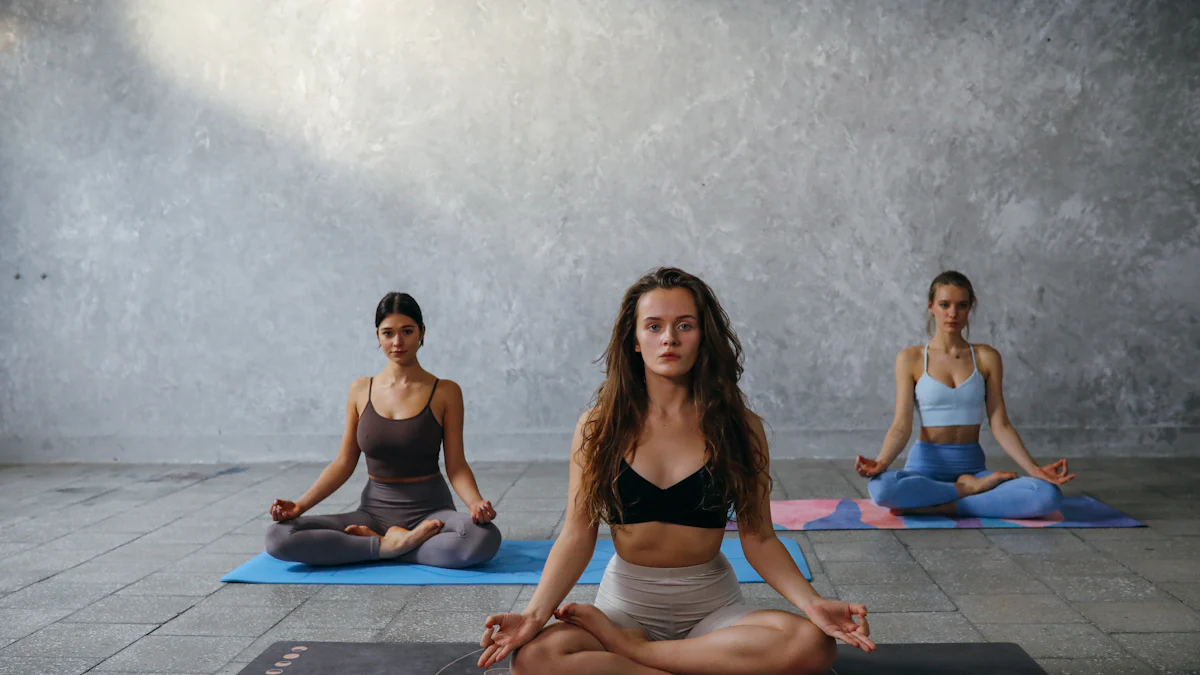
Restorative yoga offers you a pathway to deep relaxation. This gentle practice activates your body's relaxation response, calming the nervous system and reducing stress levels. You can experience numerous benefits, such as improved self-esteem and enhanced well-being. Embracing restorative yoga is essential for managing anxiety and promoting overall wellness. By incorporating this practice into your routine, you can release tension and cultivate a sense of peace in your life.
Key Takeaways
Restorative yoga is a gentle practice that promotes deep relaxation and stress relief, making it essential for overall wellness.
Incorporate essential poses like Supported Child’s Pose and Savasana into your routine to enhance relaxation and release tension.
Create a calming environment with soft lighting, comfortable props, and soothing scents to elevate your restorative yoga experience.
Establish a regular practice schedule to help your body adapt to the calming effects of restorative yoga and improve your mental clarity.
Listen to your body during practice; adjust poses and use props to ensure comfort and prevent strain.
Incorporate mindfulness techniques, such as breath awareness and meditation, to deepen your relaxation and enhance your overall well-being.
Avoid common mistakes like rushing through poses or neglecting props to fully experience the benefits of restorative yoga.
Understanding Restorative Yoga
What is Restorative Yoga?
Restorative yoga is a gentle practice that focuses on relaxation and stress relief. You hold poses for extended periods, often supported by props like bolsters and blankets. This approach allows your body to release tension and enter a state of deep relaxation. Unlike more vigorous styles of yoga, restorative yoga emphasizes stillness and comfort. You can expect to feel a profound sense of calm as you engage in this nurturing practice.
Benefits of Restorative Yoga
Practicing restorative yoga offers numerous benefits that enhance your overall well-being. Here are some key advantages:
Promotes Relaxation: This practice activates your body's relaxation response, calming the nervous system and reducing stress levels.
Improves Sleep Quality: Regular sessions can lead to better sleep patterns, helping you wake up refreshed and rejuvenated.
Enhances Mood: You may notice an uplift in your mood and a decrease in feelings of anxiety and depression.
Increases Flexibility: Holding poses for longer periods helps improve flexibility and range of motion in your joints.
Supports Pain Management: Restorative yoga can alleviate chronic pain and discomfort, making it accessible for those with musculoskeletal issues.
Research shows that restorative yoga can significantly improve psychological well-being. It helps manage symptoms of anxiety and depression, making it a valuable tool for mental health.
Differences Between Restorative and Other Yoga Styles
Restorative yoga differs from other yoga styles in several ways. While many forms of yoga focus on strength and flexibility, restorative yoga prioritizes relaxation and recovery. Here are some distinctions:
Intensity: Restorative yoga involves gentle movements and long-held poses, while styles like vinyasa or power yoga require more physical exertion.
Focus: The primary goal of restorative yoga is to calm the mind and body. Other styles may emphasize building strength or endurance.
Use of Props: In restorative yoga, props play a crucial role in supporting your body. Other styles may use props less frequently or not at all.
By understanding these differences, you can appreciate the unique benefits that restorative yoga brings to your practice. Embrace this gentle approach to enhance your relaxation and overall wellness.
Essential Poses for Restorative Yoga
Supported Child’s Pose
Supported Child’s Pose invites you to surrender and relax. Begin by kneeling on your mat. Sit back on your heels and stretch your arms forward, resting your forehead on the ground. Use a bolster or a folded blanket under your chest for added support. This gentle pose opens your hips and releases tension in your back. Hold this position for five to ten minutes. Allow your breath to deepen as you settle into the pose. Feel the calming effects wash over you.
Legs-Up-the-Wall Pose
Legs-Up-the-Wall Pose is a fantastic way to rejuvenate your body. Find a wall space and sit sideways against it. Gently swing your legs up the wall while lying back on the floor. You can place a bolster or a folded blanket under your hips for extra comfort. This pose encourages blood flow and helps reduce swelling in your legs. Stay here for five to fifteen minutes. Focus on your breath and let go of any lingering stress. This restorative pose promotes relaxation and tranquility.
Supported Bridge Pose
Supported Bridge Pose offers a gentle backbend that opens your chest and shoulders. Lie on your back with your knees bent and feet flat on the floor, hip-width apart. Place a bolster or a block under your sacrum for support. This position allows your body to relax while gently stretching your spine. Hold this pose for five to ten minutes. Feel the support of the prop beneath you as you breathe deeply. This pose helps release tension in your lower back and encourages a sense of calm.
Reclining Bound Angle Pose
Reclining Bound Angle Pose invites you to open your hips and relax deeply. Begin by lying on your back. Bring the soles of your feet together, allowing your knees to fall outward. Place a bolster or folded blanket under your knees for support. This gentle position encourages a sense of ease in your body. Hold this pose for five to fifteen minutes. Focus on your breath as you sink into the ground. Feel the tension melt away, creating space for tranquility.
This pose not only stretches your inner thighs but also calms your mind. You can use props like blankets or blocks to enhance your comfort. The support allows you to hold the pose longer without straining your muscles. As you breathe deeply, visualize stress leaving your body. Embrace the stillness and let it rejuvenate your spirit.
Savasana (Corpse Pose)
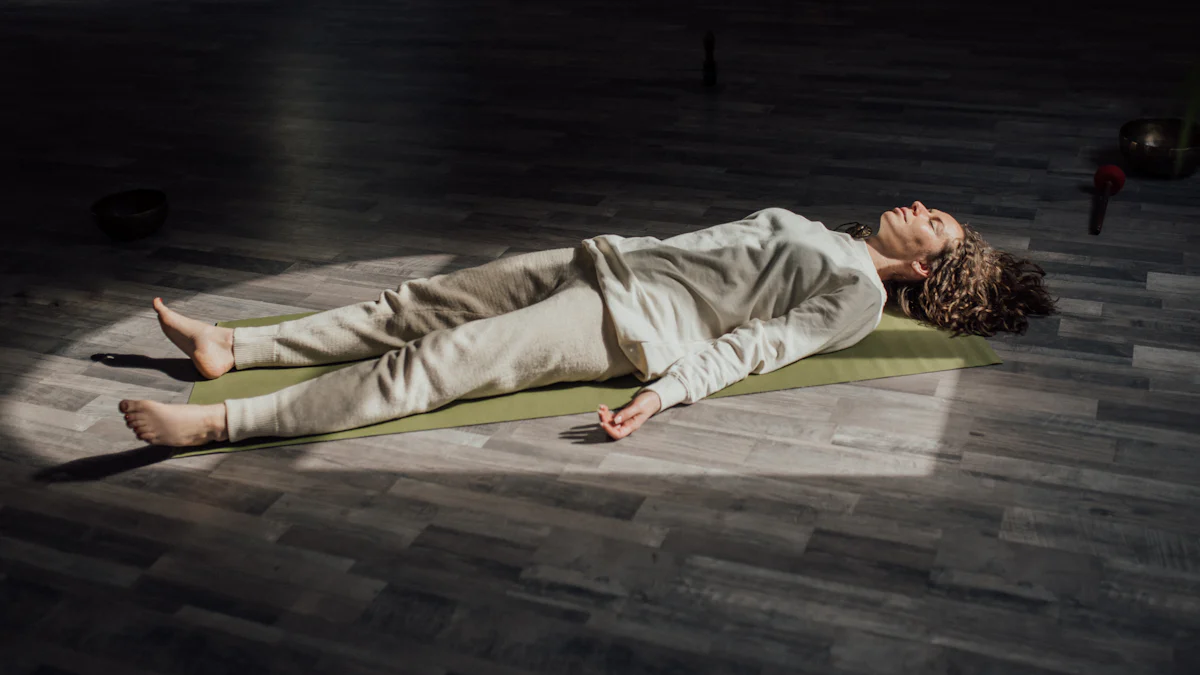
Savasana, or Corpse Pose, serves as the ultimate relaxation pose in restorative yoga. Lie flat on your back with your legs extended and arms resting at your sides. Allow your feet to fall open naturally. Close your eyes and take a moment to settle into the ground. This pose encourages complete surrender. Hold Savasana for ten to twenty minutes, letting your body absorb the benefits of your practice.
In Savasana, you can use a blanket to cover yourself for warmth and comfort. This simple act enhances your sense of security. Focus on your breath, allowing each exhale to release any remaining tension. Feel your body become heavy and relaxed. This pose helps transition your body into a state of deep rest, promoting healing and rejuvenation.
Both Reclining Bound Angle Pose and Savasana play vital roles in your restorative yoga practice. They allow you to cultivate a profound sense of relaxation and peace. By incorporating these poses into your routine, you can experience the transformative power of restorative yoga.
Creating a Calming Environment for Restorative Yoga
Choosing the Right Space
Select a space that feels peaceful and inviting. Look for a quiet area in your home where you can practice without distractions. Soft lighting enhances the calming atmosphere. Consider using candles or dimmable lamps to create a soothing glow. Ensure the temperature feels comfortable. A warm environment helps your muscles relax. Keep the space tidy and clutter-free. A clean area promotes mental clarity and tranquility.
Using Props Effectively
Props play a vital role in restorative yoga. They provide support and comfort, allowing you to hold poses longer. Essential props include bolsters, blankets, and blocks.
Bolsters: Use these to support your back, hips, and legs. They allow for deep spinal decompression and relaxation.
Folded Blankets or Towels: These common props offer comfort in various poses, including Savasana.
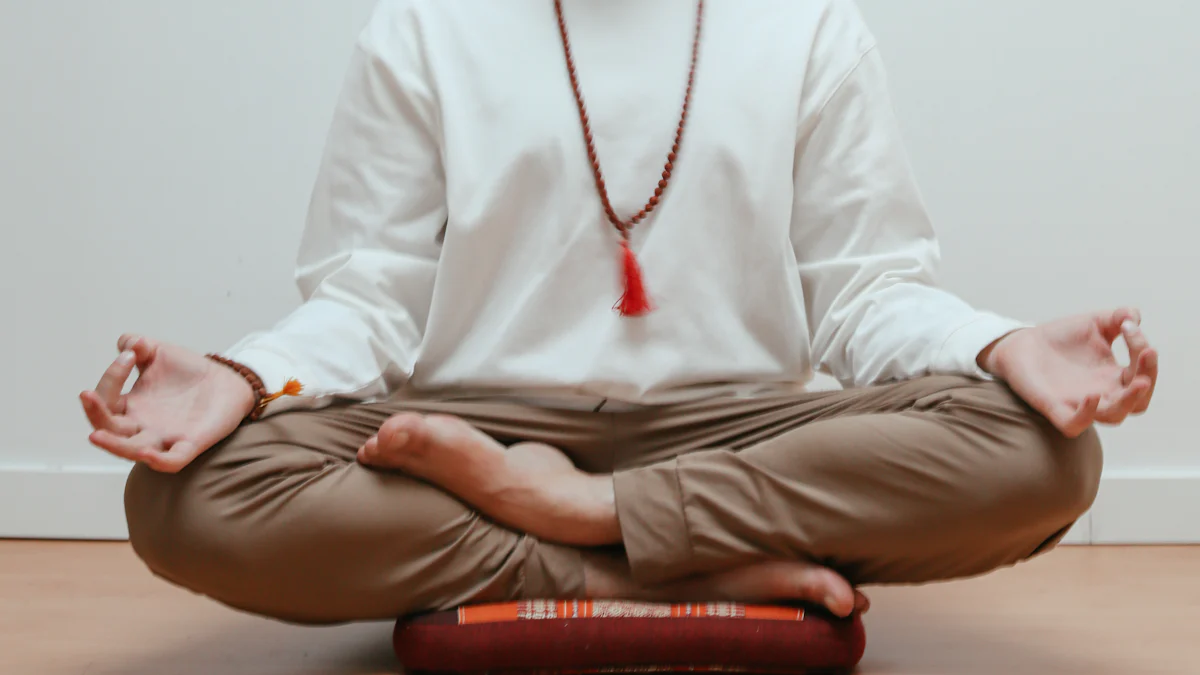
Meditation Pillows (Zafu Cushions): Elevate your hips and support your spine during seated postures.
Eye Pillows: Cover your eyes during supported Savasana to promote relaxation and calm your mind.
Incorporate these tools into your practice. They help you achieve deeper relaxation and enhance your overall experience.
Incorporating Aromatherapy and Music
Aromatherapy can elevate your restorative yoga practice. Use essential oils like lavender or chamomile to create a calming scent. Diffuse these oils in your space or apply them to your wrists. The soothing aroma helps you unwind and enhances relaxation.
Music also plays a significant role. Choose soft, instrumental tracks that promote tranquility. Nature sounds or gentle melodies can help you focus and deepen your practice. Create a playlist that resonates with you. Allow the music to guide your breath and movement.
By creating a calming environment, you set the stage for a fulfilling restorative yoga experience. Embrace the tranquility and let it nourish your mind and body.
Techniques for Deep Relaxation in Restorative Yoga
Breath Awareness
Breath awareness serves as a powerful tool in restorative yoga. You can enhance your relaxation by focusing on your breath. Start by finding a comfortable position. Close your eyes and take a deep breath in through your nose. Feel your abdomen expand. Then, exhale slowly through your mouth. As you breathe, notice the sensations in your body. Allow each breath to guide you deeper into relaxation.
Incorporating breath awareness into your practice helps calm your mind. It shifts your focus away from distractions. You may find that your thoughts begin to settle. As you continue this practice, you create a rhythm that promotes tranquility. Remember, the breath acts as a bridge between your body and mind. Use it to cultivate a sense of peace.
Mindfulness and Meditation
Mindfulness and meditation play crucial roles in restorative yoga. These practices encourage you to stay present. Begin by setting aside a few moments for meditation. Sit comfortably or lie down in a restorative pose. Focus on your breath or a specific mantra. Allow your thoughts to come and go without judgment.
As you practice mindfulness, you develop a deeper connection with your body. You become aware of sensations, emotions, and thoughts. This awareness fosters acceptance and compassion towards yourself. Research shows that mindfulness can significantly reduce stress and anxiety. By integrating mindfulness into your restorative yoga practice, you enhance your overall well-being.
Progressive Muscle Relaxation
Progressive muscle relaxation (PMR) offers another effective technique for deep relaxation. This method involves tensing and then relaxing different muscle groups in your body. Start at your feet. Tense the muscles for a few seconds, then release. Move up to your calves, thighs, and so on, until you reach your head.
As you practice PMR, pay attention to the contrast between tension and relaxation. This technique helps you identify areas of stress in your body. By consciously relaxing these areas, you promote a sense of calm. Incorporating PMR into your restorative yoga sessions can enhance your relaxation experience.
Tips for Maximizing Your Restorative Yoga Practice
Setting a Regular Schedule
Establishing a regular schedule for your restorative yoga practice can significantly enhance its benefits. Consistency helps your body and mind adapt to the calming effects of restorative yoga. Aim to practice at the same time each day or week. This routine creates a sense of commitment and allows you to prioritize relaxation in your life.
Consider setting aside 20 to 30 minutes for each session. You can gradually increase this time as you become more comfortable. Whether you choose mornings to start your day with peace or evenings to unwind, find what works best for you. Regular practice leads to improved relaxation and stress reduction, making it easier to manage daily challenges.
Listening to Your Body
Listening to your body is crucial in restorative yoga. Each session offers an opportunity to tune into your physical and emotional needs. Pay attention to how your body feels in each pose. If something feels uncomfortable, adjust your position or use additional props for support.
Remember, restorative yoga is about nurturing yourself. You don’t need to push through discomfort. Instead, embrace the gentle nature of this practice. By honoring your body’s signals, you promote deeper relaxation and prevent strain. This mindful approach enhances your overall experience and encourages a lasting connection with your practice.
Staying Present and Focused
Staying present and focused during your restorative yoga sessions can deepen your relaxation. As you settle into each pose, bring your awareness to your breath. Notice the rise and fall of your abdomen. Allow your thoughts to drift away.
You might find it helpful to set an intention for your practice. This intention can guide your focus and keep you grounded. Whether it’s cultivating peace or letting go of stress, having a clear purpose enhances your experience.
Incorporating mindfulness techniques, such as meditation or breath awareness, can also help you stay centered. Research shows that these practices significantly reduce stress levels and improve overall well-being. By remaining present, you create a sanctuary of calm within yourself, allowing restorative yoga to work its magic.
Common Mistakes to Avoid in Restorative Yoga
Overexerting Yourself
Restorative yoga emphasizes relaxation and comfort. You should not push your body beyond its limits. Overexertion can lead to discomfort and even injury. Instead, focus on gentle movements and allow your body to settle into each pose. Listen to your body’s signals. If you feel any strain, ease out of the pose. Remember, restorative yoga is about nurturing yourself, not challenging your physical abilities. Embrace the stillness and let your body relax fully.
Neglecting Props
Props are essential in restorative yoga. They provide support and enhance your comfort during poses. Neglecting to use props can hinder your ability to relax. Always have bolsters, blankets, and blocks nearby. Use them to support your body and create a safe space for relaxation. For example, place a bolster under your knees in Savasana or use a blanket for added warmth. These tools help you hold poses longer and deepen your experience. By incorporating props, you empower yourself to achieve a greater sense of calm.
Rushing Through Poses
Take your time with each pose. Rushing through your practice can prevent you from fully experiencing the benefits of restorative yoga. Allow yourself to hold each pose for five to twenty minutes. This extended time lets your body release tension and promotes relaxation. Focus on your breath and the sensations in your body. As you slow down, you create space for mindfulness and deeper connection. Remember, restorative yoga is a journey, not a race. Enjoy the process and savor each moment.
By avoiding these common mistakes, you can enhance your restorative yoga practice. Embrace the gentle nature of this style and allow it to transform your approach to relaxation. You deserve this time for yourself.
You can practice restorative yoga effectively by embracing its gentle nature and focusing on relaxation. Integrate restorative yoga into your routine to enhance your overall well-being. Allow yourself to experience the calming effects of each pose and the supportive environment you create. Remember, this practice nurtures both your body and mind.
Share your experiences and tips with others. Your journey can inspire someone else to find peace through restorative yoga.
FAQ
What should I wear for restorative yoga?
Choose comfortable, loose-fitting clothing that allows for easy movement. Opt for breathable fabrics to keep you cool during your practice. You want to feel relaxed and unrestricted in your movements.
How long should I hold each pose?
Aim to hold each pose for five to twenty minutes. This duration allows your body to relax fully and release tension. Listen to your body and adjust the time based on your comfort level.
Do I need to be flexible to practice restorative yoga?
No, you do not need to be flexible. Restorative yoga welcomes everyone, regardless of flexibility. The use of props helps support your body, allowing you to find comfort in each pose.
Can I practice restorative yoga if I have an injury?
Yes, you can practice restorative yoga with an injury. Always consult your healthcare provider before starting any new exercise routine. Modify poses as needed and use props for additional support.
How often should I practice restorative yoga?
Aim to practice restorative yoga at least once a week. Regular sessions enhance relaxation and promote overall well-being. You can increase the frequency as you become more comfortable with the practice.
Is it normal to feel emotional during restorative yoga?
Yes, it is normal to experience emotions during restorative yoga. This practice encourages deep relaxation, which can bring up feelings you may have suppressed. Allow yourself to feel and process these emotions without judgment.
Can I do restorative yoga at home?
Absolutely! You can practice restorative yoga at home. Create a calming environment, gather your props, and follow guided sessions online or in books. Enjoy the flexibility of practicing whenever it suits you.
What if I fall asleep during my practice?
Falling asleep during restorative yoga is common and perfectly okay. Your body may need that extra rest. If you wake up, gently return to your breath and continue your practice or transition into Savasana.
How can I deepen my relaxation during restorative yoga?
Focus on your breath and practice mindfulness. Use techniques like progressive muscle relaxation to enhance your experience. Incorporate soothing music or aromatherapy to create a tranquil atmosphere.
Can restorative yoga help with stress management?
Yes, restorative yoga is an excellent tool for managing stress. This practice calms your nervous system and promotes relaxation. Regular sessions can lead to improved mental clarity and emotional resilience.
See Also
Discover Mumbai's Best Yoga Studios for Total Relaxation
The Impact of Yoga on Improving Sleep Quality
Yoga Techniques That Improve Your Sleep Experience
Hi my name is Lia and i am your host in this yoga journey in Portugal, Subscribe to our newsletter to receive every week the best of Yoga in Portugal.

We bring back the importance of initiation into womanhood by Roos-Veerle Krijnen & Ella-June Henrard
Welcome to the Women’s Initiation Retreat by Naked Truth Retreats, a transformative journey into the depths of your True Feminine Nature. This retreat invites you to remember the sacredness and wholeness of your being.
Roos-Veerle Krijnen & Ella-June Henrard