How to Master Power Yoga Poses for Beginners

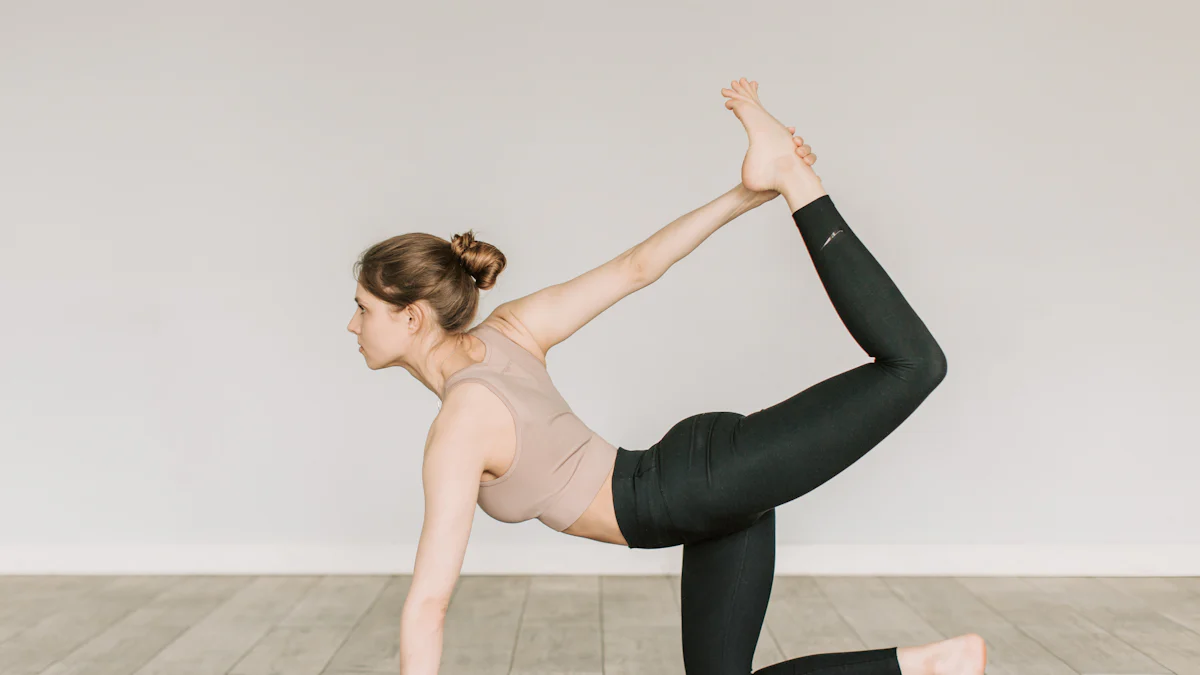
Power yoga is an energetic and strength-focused style of yoga that’s perfect for beginners. It combines dynamic movements with deep breathing, helping you build physical strength while improving flexibility. This practice doesn’t just benefit your body—it also sharpens your focus and reduces stress, leaving you feeling balanced and refreshed.
Consistency is key when it comes to mastering power yoga poses. Practicing regularly allows your muscles to adapt and grow stronger. Paying attention to proper technique ensures you avoid injuries and get the most out of every pose. Start small, stay committed, and watch your progress unfold.
Key Takeaways
Create a dedicated practice space that is quiet and clutter-free to enhance focus and motivation.
Establish a consistent practice schedule, even if it's just 20 minutes a day, to build strength and flexibility over time.
Always warm up before diving into power yoga to prevent injuries and improve performance.
Focus on proper alignment in each pose to maximize benefits and minimize the risk of injury.
Gradually increase the intensity of your practice by holding poses longer or adding challenges to familiar movements.
Incorporate controlled breathing techniques to enhance focus and manage discomfort during poses.
Embrace the journey of yoga by celebrating small victories and respecting your body's limits.
Preparing for Power Yoga Poses
Before diving into power yoga, setting yourself up for success is essential. A little preparation goes a long way in ensuring a safe and enjoyable practice.
Setting Up Your Space
Creating the right environment helps you focus and stay motivated. Choose a quiet, clutter-free area where you can move freely. A yoga mat provides stability and comfort, so make sure you have one that suits your needs. If possible, practice near natural light to create a calming atmosphere.
Keep a water bottle nearby to stay hydrated. As one yoga expert advises, staying hydrated before, during, and after your session prevents dehydration and keeps your energy levels steady. You might also want to have props like yoga blocks or straps handy. These tools can help you maintain proper alignment and make poses more accessible.
Choosing the Right Time
Timing matters when it comes to power yoga. Pick a time of day when you feel most energetic and alert. Many people prefer mornings because it sets a positive tone for the rest of the day. Others find evening sessions help them unwind after work. Experiment with different times to see what works best for you.
Consistency is key. Try to stick to a regular schedule, even if it’s just 20 minutes a day. This routine helps your body adapt and builds strength over time. Remember, power yoga is about progress, not perfection.
Warming Up
Warming up prepares your body for the dynamic movements of power yoga. Start with gentle stretches to loosen up your muscles and improve blood flow. Focus on areas like your shoulders, hips, and hamstrings, as these are often engaged in yoga poses.
A proper warm-up reduces the risk of injury and enhances your performance. It also gives you a moment to center yourself and connect with your breath. As one fitness expert suggests, approach your practice with patience and an open mindset. This attitude helps you listen to your body and respect its limits.
By setting up your space, choosing the right time, and warming up properly, you lay the foundation for a successful power yoga journey. These small steps make a big difference in how you experience your practice.
Beginner-Friendly Power Yoga Poses
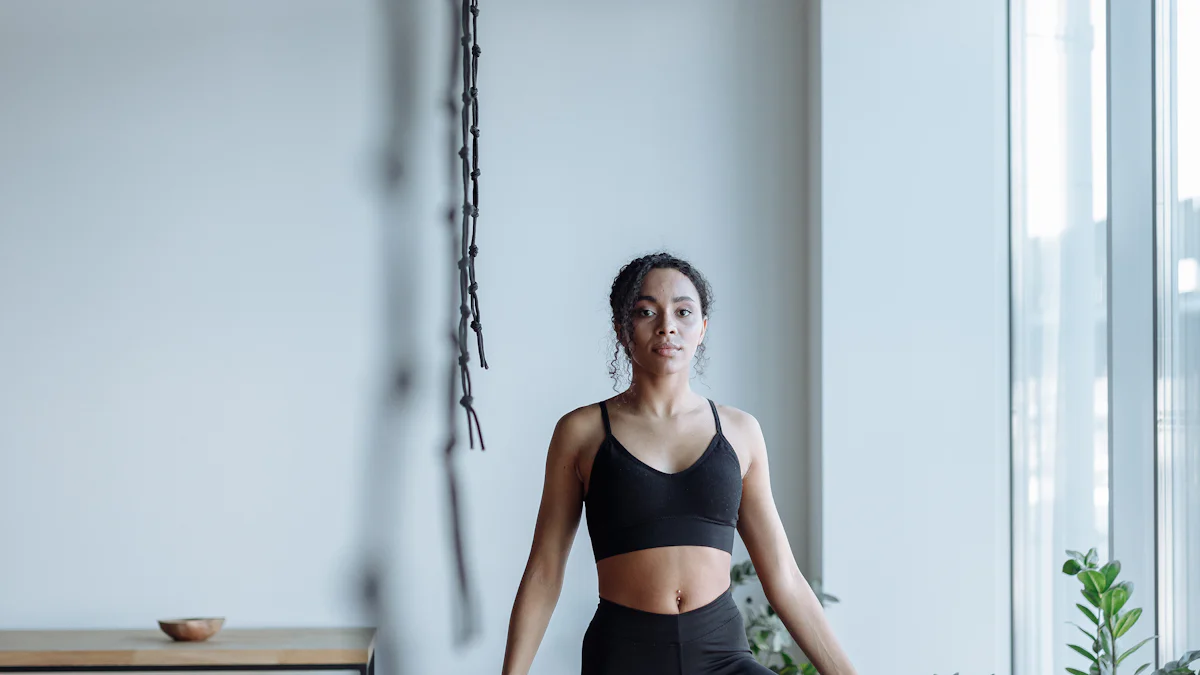
Starting with beginner-friendly power yoga poses helps you build confidence and strength. These poses form the foundation of your practice, allowing you to focus on alignment and breathing. Let’s explore some essential poses to get you started.
Downward-Facing Dog (Adho Mukha Svanasana)
Downward-Facing Dog is a staple in power yoga. It stretches your hamstrings, calves, and shoulders while strengthening your arms and core. Begin on your hands and knees. Spread your fingers wide and press your palms into the mat. Lift your hips toward the ceiling, forming an inverted "V" shape with your body. Keep your heels reaching toward the floor, even if they don’t touch.
This pose improves flexibility and builds upper body strength. Joe, a yoga enthusiast, shared how practicing modified versions of Downward Dog helped him regain whole-body awareness. You can also modify this pose by bending your knees slightly if your hamstrings feel tight. Focus on steady breathing to stay grounded.
Plank Pose (Phalakasana)
Plank Pose is a powerhouse for building core strength. Start in a push-up position with your hands directly under your shoulders. Keep your body in a straight line from head to heels. Engage your core and avoid letting your hips sag or lift too high.
This pose challenges your endurance and stability. It’s a great way to prepare for more advanced power yoga poses. If holding a full plank feels too intense, drop your knees to the mat while maintaining a straight spine. Remember, it’s better to modify than to compromise your form.
Warrior I (Virabhadrasana I)
Warrior I combines strength and balance, making it a fantastic pose for beginners. Step one foot forward into a lunge position. Turn your back foot slightly outward and press it firmly into the mat. Raise your arms overhead, keeping your shoulders relaxed. Sink into the lunge while keeping your front knee aligned over your ankle.
This pose strengthens your legs, opens your hips, and stretches your chest. It also boosts your confidence. Karen, a yoga practitioner, found joy in setting physical goals like mastering Warrior I. Over time, she gained strength and self-assurance. Take your time to find stability in this pose. Focus on your breath to stay steady.
These beginner-friendly power yoga poses lay the groundwork for your practice. They help you build strength, improve flexibility, and develop mindfulness. As you grow more comfortable, you’ll notice how these poses prepare you for more dynamic movements. Keep practicing, and enjoy the journey.
Chair Pose (Utkatasana)
Chair Pose challenges your lower body strength and balance. It’s like sitting in an invisible chair, which might sound simple, but it works wonders for your thighs, calves, and core. Start by standing tall with your feet together. Bend your knees as if you’re about to sit down, keeping your weight in your heels. Raise your arms overhead, keeping them straight and aligned with your ears. Engage your core and hold the pose while breathing steadily.
This pose builds endurance and strengthens your legs. If you feel wobbly, focus on a fixed point in front of you to maintain balance. Karen, a yoga enthusiast, shared how setting small goals like holding Chair Pose for longer helped her build confidence and strength over time. Remember, it’s okay to come out of the pose when needed. Listen to your body and gradually increase your stamina.
Child’s Pose (Balasana)
Child’s Pose offers a moment of rest and relaxation during your power yoga practice. It gently stretches your lower back, hips, and thighs while calming your mind. Begin by kneeling on the mat. Sit back on your heels and stretch your arms forward, lowering your chest toward the ground. Rest your forehead on the mat and take slow, deep breaths.
This pose is perfect for reconnecting with your breath and releasing tension. Use it whenever you need a break during your session. If your hips feel tight, place a cushion or folded blanket under your hips for support. Joe, who regained whole-body awareness through yoga, often used Child’s Pose to reset and refocus during his practice. Let this pose remind you that rest is just as important as effort.
Mountain Pose (Tadasana)
Mountain Pose may look simple, but it’s the foundation of many power yoga poses. It teaches you proper alignment and helps you feel grounded. Stand tall with your feet together or slightly apart. Distribute your weight evenly across both feet. Engage your thighs, lengthen your spine, and relax your shoulders. Let your arms rest at your sides with palms facing forward.
This pose improves posture and strengthens your legs and core. It’s also a great way to center yourself before moving into more dynamic poses. Focus on your breath and imagine yourself as steady as a mountain. Karen found joy in mastering foundational poses like Mountain Pose, which gave her the confidence to tackle more challenging ones. Use this pose to connect with your body and prepare for the next step in your practice.
Half Moon Pose (Ardha Chandrasana)
Half Moon Pose challenges your balance and strengthens your core, legs, and hips. It also improves your focus and coordination. To begin, stand tall in Mountain Pose. Step one foot forward into a lunge, then place your hand on the ground or a yoga block beside your front foot. Shift your weight onto your front leg as you lift your back leg parallel to the floor. Extend your top arm toward the ceiling, creating a straight line from your grounded hand to your raised hand. Keep your gaze steady, either at the floor or up toward your top hand.
This pose may feel tricky at first, but it’s worth the effort. Joe, who regained whole-body awareness through yoga, found that practicing balancing poses like Half Moon helped him reconnect with his body. If you feel wobbly, use a wall for support or keep your lifted leg slightly lower. The key is to stay patient and focus on your breath.
Half Moon Pose offers more than just physical benefits. It encourages mental clarity and builds confidence. Karen, a yoga enthusiast, shared how setting goals like mastering challenging poses gave her a sense of accomplishment and joy. You can take inspiration from her journey by celebrating small victories, like holding the pose for a few seconds longer each time.
To make the most of this pose, engage your core and keep your lifted leg active. Avoid locking your standing knee, and instead, keep a slight bend to maintain stability. With consistent practice, you’ll notice improved strength, balance, and a deeper connection to your body. Half Moon Pose is a rewarding addition to your power yoga poses, helping you progress both physically and mentally.
Avoiding Common Mistakes in Power Yoga Poses
Even with the best intentions, mistakes can sneak into your power yoga practice. These errors might slow your progress or even lead to discomfort. By recognizing and addressing common pitfalls, you can make your sessions safer and more effective.
Overexertion
Pushing yourself too hard during power yoga can do more harm than good. Overexertion often leads to fatigue, muscle strain, or even injury. You might feel tempted to match the pace of others or hold poses longer than your body allows, but this approach can backfire.
Instead, listen to your body. If a pose feels too intense, modify it or take a break. For example, in Plank Pose, dropping your knees to the mat reduces the strain while still engaging your core. Remember, yoga is not a competition. Progress comes from consistent practice, not from overdoing it in a single session.
“Yoga is the journey of the self, through the self, to the self.” – The Bhagavad Gita
This quote reminds you to focus on your personal growth rather than comparing yourself to others. Respect your limits and celebrate small victories along the way.
Improper Alignment
Alignment plays a crucial role in power yoga poses. Poor alignment not only reduces the effectiveness of a pose but also increases the risk of injury. For instance, in Warrior I, letting your front knee collapse inward can strain your joints. Similarly, rounding your back in Downward-Facing Dog can lead to discomfort in your shoulders and spine.
To avoid these issues, pay attention to your posture. Use a mirror or record yourself to check your form. Props like yoga blocks or straps can also help you maintain proper alignment. For example, placing a block under your hand in Half Moon Pose provides stability and helps you achieve the correct position. Small adjustments make a big difference in how a pose feels and benefits your body.
Skipping Warm-Ups
Diving straight into power yoga without warming up is a recipe for stiffness and strain. Your muscles need time to loosen up and prepare for the dynamic movements ahead. Skipping warm-ups increases the likelihood of pulling a muscle or feeling discomfort during your practice.
Start with gentle stretches to wake up your body. Focus on areas like your shoulders, hips, and hamstrings, as these are heavily engaged in many poses. A simple sequence of Cat-Cow stretches or seated forward bends can work wonders. Warming up not only prevents injuries but also enhances your performance by improving flexibility and blood flow.
Think of warm-ups as the foundation of your practice. Just as Mountain Pose lays the groundwork for other positions, a proper warm-up sets the stage for a successful session. Approach this step with care, and your body will thank you.
By avoiding overexertion, maintaining proper alignment, and prioritizing warm-ups, you can enjoy a safer and more rewarding power yoga experience. These small adjustments help you build strength, improve flexibility, and stay consistent in your practice.
Progressing Safely in Power Yoga Poses
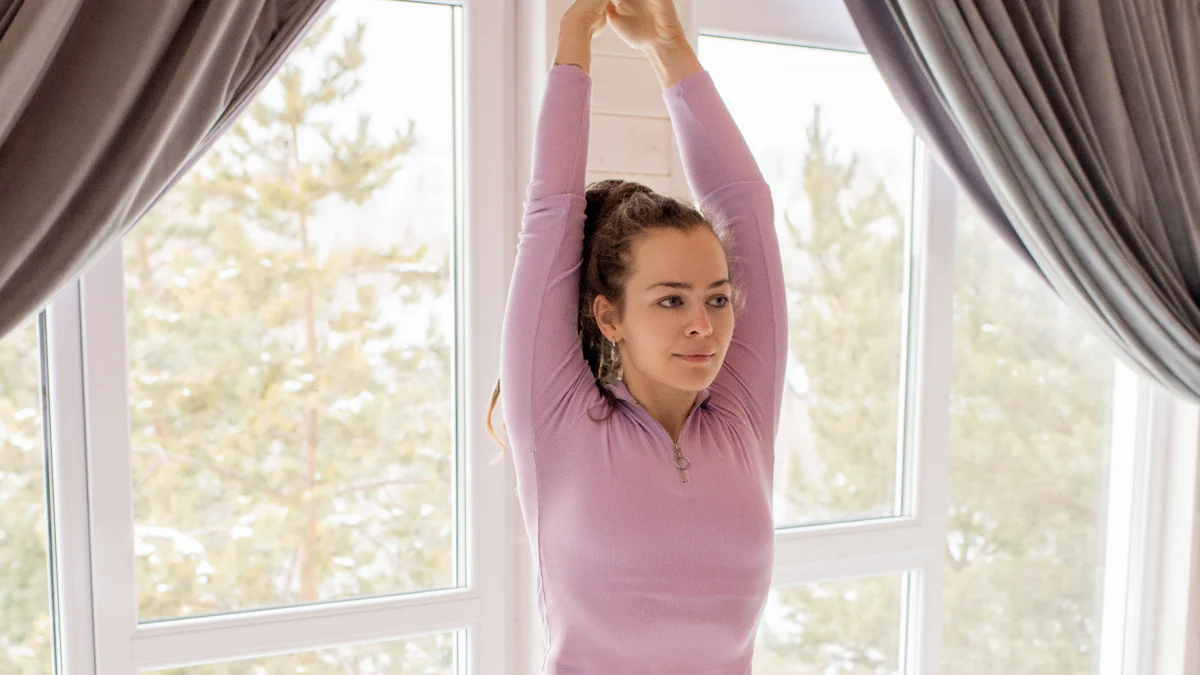
As you grow more comfortable with power yoga, it’s important to progress in a way that supports your body and mind. Building strength and flexibility takes time, and a safe approach ensures long-term success. Let’s explore how you can advance your practice while staying mindful of your limits.
Gradually Increasing Intensity
Progressing in power yoga doesn’t mean rushing into advanced poses. Instead, focus on gradually increasing the intensity of your practice. Start by holding poses for a few extra breaths or adding a slight challenge to familiar movements. For example, in Plank Pose, you can lift one leg off the ground to engage your core even more.
You might also try flowing between poses with greater control. Moving from Warrior I to Half Moon Pose, for instance, requires balance and focus. This transition strengthens your legs and core while improving coordination. Remember, small adjustments can lead to big improvements over time.
“Yoga is a journey, not a destination.” – Unknown
This quote reminds you to embrace the process. Celebrate each step forward, no matter how small. Consistency and patience will help you achieve your goals without risking injury.
Incorporating Breathing Techniques
Breathing is the foundation of every yoga practice. In power yoga, it becomes even more essential as you move through dynamic sequences. Controlled breathing helps you stay focused and maintain energy during challenging poses.
Practice deep, steady breaths by inhaling through your nose and exhaling fully. This technique, often called Ujjayi breathing, creates a calming rhythm that supports your movements. For example, when transitioning into Half Moon Pose, align your breath with each step. Inhale as you lift your leg and exhale as you extend your arm toward the ceiling.
Breathing also helps you manage discomfort and stay present. If a pose feels intense, focus on your breath to find stability. Over time, this practice enhances both your physical and mental endurance.
Staying Consistent
Consistency is the key to mastering power yoga poses. A regular practice routine allows your body to adapt and grow stronger. Even short sessions, like 20 minutes a day, can make a significant difference over time.
Set realistic goals to keep yourself motivated. You might aim to hold Chair Pose for a few seconds longer or improve your alignment in Mountain Pose. Tracking your progress can boost your confidence and encourage you to stay committed.
Create a schedule that fits your lifestyle. Whether you prefer morning sessions to energize your day or evening practices to unwind, find a time that works best for you. Stick to it, and you’ll notice steady improvements in your strength, flexibility, and mindfulness.
By gradually increasing intensity, incorporating breathing techniques, and staying consistent, you can safely progress in your power yoga journey. These steps ensure that your practice remains enjoyable and effective, helping you build a strong foundation for long-term growth.
Mastering power yoga poses starts with preparation, proper technique, and consistency. Setting up your space, warming up, and focusing on alignment lay the groundwork for a safe and effective practice. Begin with beginner-friendly poses and progress at your own pace. Remember, patience is key. Your body needs time to adapt, so listen to it and respect its limits.
Power yoga is more than just physical exercise. It’s a journey of self-improvement and mindfulness. Each session helps you grow stronger, both mentally and physically. Stay committed, and you’ll experience the incredible benefits of regular practice. Embrace the process, and enjoy every step of your yoga journey.
See Also
Essential Standing Yoga Poses Every Beginner Should Learn
A Beginner's Introduction to Yoga Asanas in Hindi
Slow Flow Yoga: A Beginner's Comprehensive Guide

Hi my name is Lia and i am your host in this yoga journey in Portugal, Subscribe to our newsletter to receive every week the best of Yoga in Portugal.

We bring back the importance of initiation into womanhood by Roos-Veerle Krijnen & Ella-June Henrard
Welcome to the Women’s Initiation Retreat by Naked Truth Retreats, a transformative journey into the depths of your True Feminine Nature. This retreat invites you to remember the sacredness and wholeness of your being.
Roos-Veerle Krijnen & Ella-June Henrard