How to Master Power Yoga Asanas for Better Results

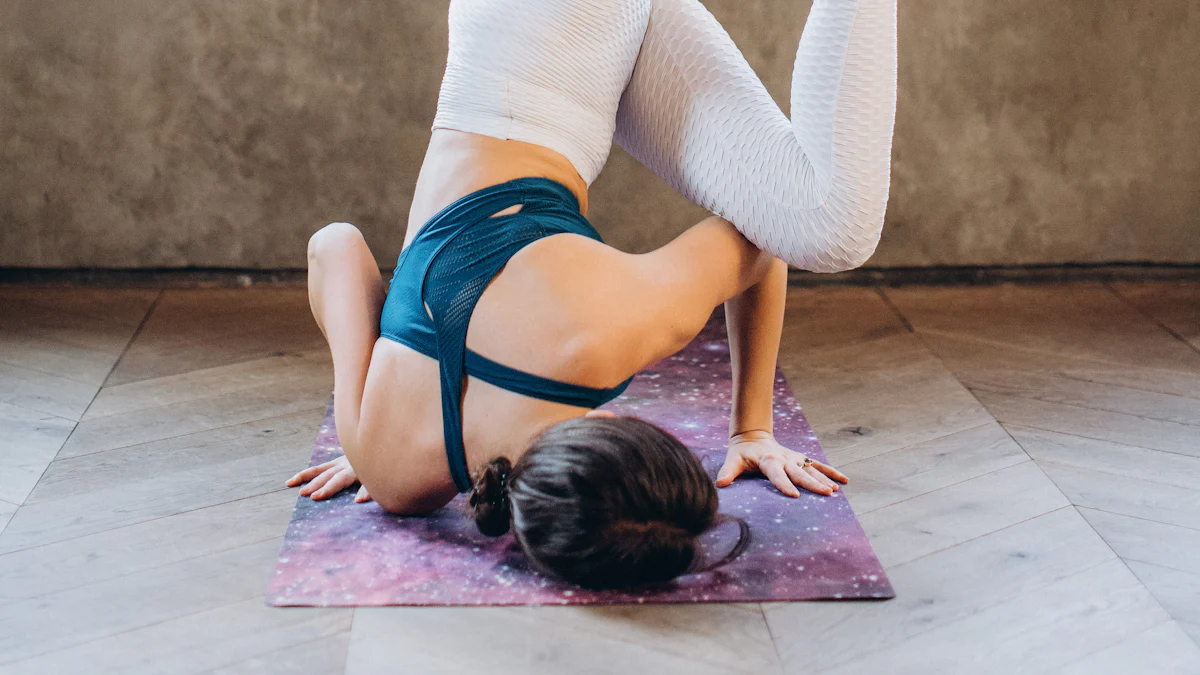
Mastering power yoga asanas plays a crucial role in enhancing your physical and mental well-being. Engaging in these dynamic poses not only builds strength but also reduces stress hormones like cortisol. You can experience improved mood and anxiety levels through consistent practice. Embrace a mindset of dedication and consistency. This approach will lead you to achieve better results and foster personal growth on your yoga journey.
Key Takeaways
Power yoga enhances both physical strength and mental clarity, making it a holistic practice for overall well-being.
Incorporate essential asanas like Chair Pose, Plank Pose, and Cobra Pose into your routine to build strength and flexibility.
Focus on proper technique by holding poses longer and controlling your breath during transitions to deepen your practice.
Avoid common mistakes such as rushing through poses and ignoring body signals to prevent injuries and enhance your experience.
Set realistic goals and track your progress to stay motivated and committed to your power yoga journey.
Integrate power yoga into your fitness routine by balancing it with other workouts and establishing a consistent practice schedule.
Listen to your body and seek professional guidance when needed to ensure a safe and effective practice.
The Fundamentals of Power Yoga
What is Power Yoga
Power yoga combines the athleticism of Ashtanga with the fluidity of Vinyasa. This dynamic practice emphasizes strength, flexibility, and endurance. You engage in a series of poses that flow together, creating a vigorous workout. Unlike traditional yoga, power yoga focuses on building muscle and improving cardiovascular health. You can expect to sweat as you move through challenging sequences.
Benefits of Practicing Power Yoga
Practicing power yoga offers numerous benefits for both your body and mind. Here are some key advantages:
Strengthens Muscles: Regular sessions enhance muscle tone and build overall strength.
Improves Flexibility: You will notice increased flexibility as you progress through various poses.
Boosts Cardiovascular Health: The intensity of power yoga elevates your heart rate, promoting better heart health.
Reduces Stress: Engaging in power yoga helps lower stress levels and calms the mind. Research shows that it can significantly reduce anxiety and improve sleep patterns.
Enhances Mental Clarity: This practice promotes mindfulness, helping you focus better and think clearly.
Studies indicate that moderate aerobic activities like power yoga can lift immune system function and improve overall well-being. You can experience these benefits by committing to a consistent practice.
Different Types of Power Yoga Styles
Power yoga encompasses various styles, each offering unique approaches and benefits. Here are a few popular types:
Ashtanga Yoga: This style follows a set sequence of poses, emphasizing breath and movement synchronization.
Vinyasa Yoga: Known for its flowing sequences, Vinyasa allows for creativity in transitions between poses.
Bikram Yoga: Practiced in a heated room, Bikram consists of a specific series of 26 poses, promoting detoxification through sweat.
Rocket Yoga: A more accessible version of Ashtanga, Rocket Yoga incorporates playful elements and modifications.
Each style provides different challenges and benefits. You can explore these options to find the one that resonates with you.
Essential Power Yoga Asanas for Your Practice
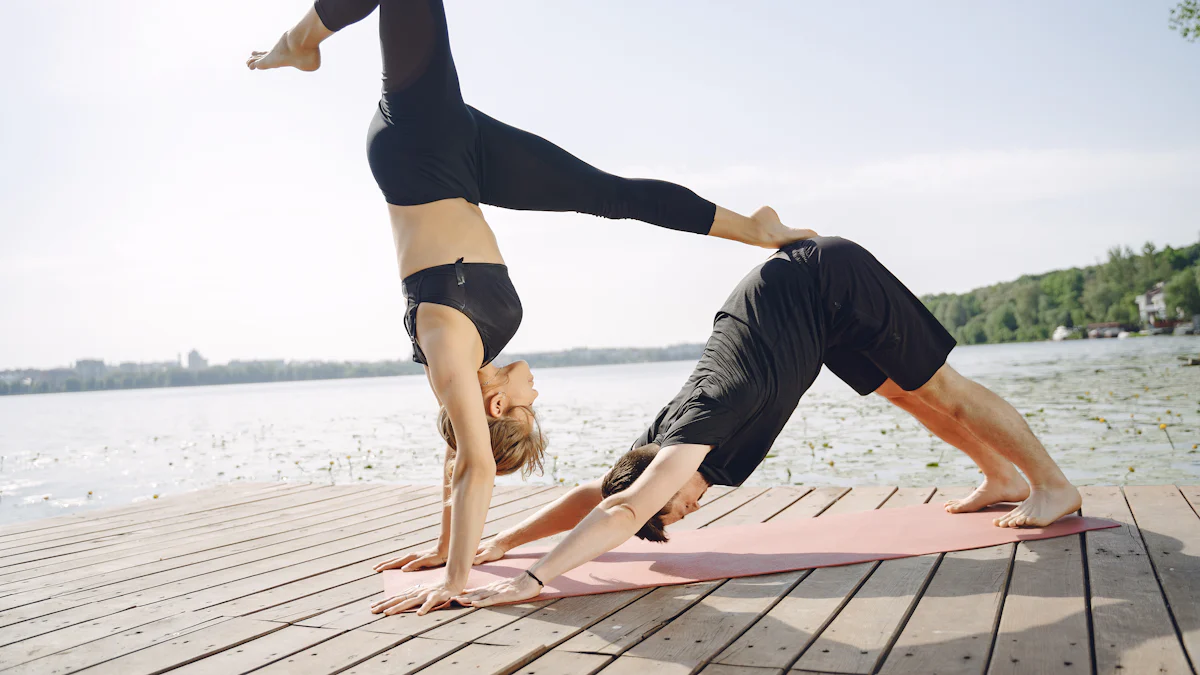
Key Asanas to Include in Your Practice
Incorporating specific power yoga asanas into your routine can enhance your strength and flexibility. Here are three essential poses to include:
Chair Pose
Chair Pose, or Utkatasana, builds strength in your legs and core. Stand with your feet together. Inhale and raise your arms overhead. Exhale as you bend your knees, lowering your hips as if sitting in a chair. Keep your back straight and chest lifted. Hold this pose for several breaths to engage your muscles fully.
Plank Pose
Plank Pose, or Phalakasana, strengthens your entire body. Start in a push-up position with your hands directly under your shoulders. Keep your body in a straight line from head to heels. Engage your core and hold the position. This pose builds endurance and stability, essential for power yoga.
Cobra Pose
Cobra Pose, or Bhujangasana, opens your chest and strengthens your spine. Lie face down with your palms under your shoulders. Inhale as you lift your chest off the ground, using your back muscles. Keep your elbows slightly bent and shoulders away from your ears. This pose enhances flexibility and counteracts the effects of sitting.
Tips for Proper Technique
To master power yoga asanas, focus on technique. Here are some tips to improve your practice:
Hold poses for longer durations for better focus on technique
Holding poses longer allows you to concentrate on alignment and muscle engagement. This practice helps you develop strength and stability. Aim for at least five breaths in each pose to deepen your connection.
Focus on breath control during transitions
Breath control is vital in power yoga. Use your breath to guide your movements. Inhale as you prepare to move into a new pose and exhale as you transition. This technique maintains your energy and keeps your practice fluid.
Common Mistakes to Avoid
Avoiding common mistakes can enhance your power yoga experience. Here are two pitfalls to watch for:
Rushing through poses without proper alignment
Many practitioners rush through poses, sacrificing alignment for speed. This approach can lead to injuries and limit your progress. Take your time to ensure each pose is executed correctly. Focus on the sensations in your body and adjust as needed.
Ignoring body signals and pushing too hard
Listening to your body is crucial. Pushing through pain or discomfort can lead to injury. Pay attention to what your body tells you. If a pose feels wrong, modify it or take a break. Respecting your limits fosters a safer and more effective practice.
Modifications for Different Skill Levels
Beginner Modifications
If you are new to power yoga asanas, start with modifications that make poses more accessible. These adjustments help you build strength and confidence. For example, in Chair Pose, you can place a block under your hips. This support allows you to lower your body without straining. In Plank Pose, drop your knees to the ground. This modification reduces the intensity while still engaging your core. For Cobra Pose, keep your elbows bent and lift only your chest. This approach protects your lower back while you strengthen your upper body.
Intermediate Adjustments
As you gain experience, you can explore intermediate adjustments to deepen your practice. In Chair Pose, try lifting your heels off the ground. This variation challenges your balance and engages your calves. For Plank Pose, shift your weight forward slightly. This adjustment increases the intensity and activates your shoulders. In Cobra Pose, extend your arms fully. This modification enhances the stretch in your back and opens your chest further.
Advanced Variations
For those who have mastered the basics, advanced variations offer new challenges. In Chair Pose, you can transition into a Twisted Chair Pose. This variation adds a twist, improving your spinal flexibility and core strength. In Plank Pose, consider moving into a Side Plank. This transition engages your obliques and tests your balance. For Cobra Pose, try moving into Upward-Facing Dog. This advanced pose requires more strength and flexibility, providing a deeper stretch for your spine and chest.
Power yoga asanas cater to all skill levels. You can modify poses to suit your needs and gradually progress. Each adjustment helps you build mental resilience and physical strength. Embrace these modifications to enhance your practice and achieve better results.
Integrating Power Yoga into Your Fitness Routine
Creating a Balanced Schedule
To integrate power yoga asanas into your fitness routine, start by creating a balanced schedule. Aim for consistency in your practice. Set aside specific days and times for yoga sessions. This commitment helps you establish a routine. Consider incorporating power yoga two to three times a week. Balance these sessions with other forms of exercise, such as strength training or cardio. This approach enhances overall well-being and supports recovery.
Combining Power Yoga with Other Workouts
Power yoga complements various workouts effectively. You can combine it with strength training to build muscle while improving flexibility. For example, perform power yoga on days when you focus on upper body strength. This combination allows your muscles to recover while maintaining flexibility. Additionally, pairing power yoga with cardio workouts boosts cardiovascular health. Engage in activities like running or cycling on alternate days. This strategy creates a well-rounded fitness regimen that promotes both strength and endurance.
Setting Realistic Goals
Setting realistic goals is crucial for your progress. Start by defining what you want to achieve with power yoga. Whether you aim to improve flexibility, build strength, or reduce stress, clarity in your goals helps you stay focused. Break down larger goals into smaller, manageable steps. For instance, if you want to master a specific pose, practice it regularly and track your progress. Celebrate small victories along the way. This positive reinforcement keeps you motivated and committed to your practice.
Safety Tips for Practicing Power Yoga
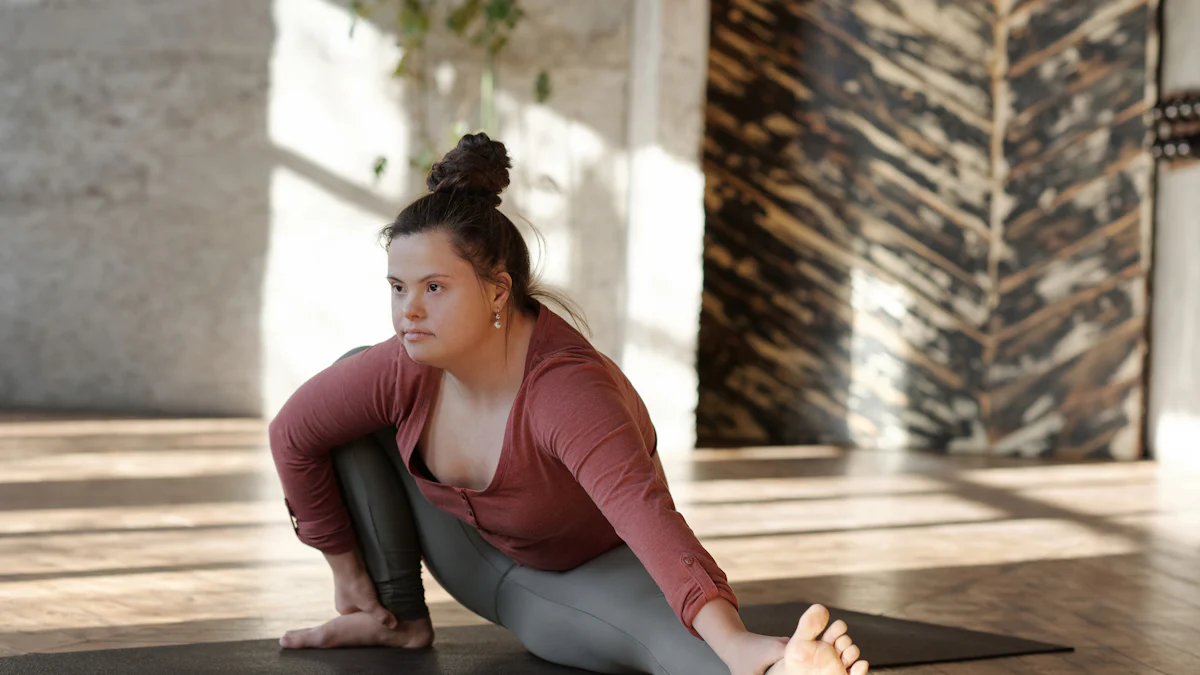
Importance of Warm-Up and Cool Down
You should never underestimate the importance of warming up and cooling down in your power yoga practice. Warming up prepares your body for the physical demands of the session. It increases blood flow to your muscles and enhances flexibility. Start with gentle stretches and movements to gradually elevate your heart rate.
Cooling down helps your body transition back to a resting state. It reduces muscle soreness and promotes recovery. Incorporate deep stretches and relaxation techniques at the end of your practice. This approach allows your body to absorb the benefits of the asanas and prevents injuries.
Listening to Your Body
Listening to your body is essential during power yoga. Each session may feel different, and your body will communicate its needs. Pay attention to any discomfort or pain. If a pose feels wrong, modify it or skip it altogether. Respecting your limits fosters a safer practice.
Many practitioners report that they experience improved wellness through yoga. According to the 2012 National Health Interview Survey, around 94% of people practice yoga for wellness reasons. This statistic highlights the importance of maintaining a mindful approach to your practice. You should prioritize your well-being over pushing through challenging poses.
When to Seek Professional Guidance
Sometimes, you may need professional guidance to enhance your practice. Consider seeking help if you experience persistent pain or struggle with specific poses. A qualified instructor can provide personalized feedback and adjustments. They can also help you develop a safe and effective practice tailored to your needs.
If you are new to power yoga, attending classes can be beneficial. Instructors can guide you through the fundamentals and ensure you practice safely. Engaging with a community of practitioners can also motivate you to stay committed to your journey.
Building a Consistent Practice
Establishing a Routine
Creating a routine is essential for mastering power yoga asanas. Set aside specific days and times for your practice. Consistency helps you build strength and flexibility over time. Aim for at least two to three sessions each week. You can gradually increase the frequency as you become more comfortable.
Start with shorter sessions, around 20 to 30 minutes. As you progress, extend your practice to 60 minutes or more. This gradual increase allows your body to adapt without feeling overwhelmed. Incorporate a mix of poses to keep your routine engaging.
Finding a Community or Class
Joining a community or class can enhance your yoga journey. Surrounding yourself with like-minded individuals provides motivation and support. Look for local studios or online classes that focus on power yoga. Participating in group sessions fosters a sense of belonging.
You can also find online forums or social media groups dedicated to power yoga. Engaging with others allows you to share experiences and tips. Many practitioners report that connecting with a community keeps them accountable and committed to their practice.
Tracking Your Progress
Tracking your progress is vital for staying motivated. Keep a journal to document your practice. Note the poses you work on, how you feel, and any improvements you notice. This reflection helps you recognize your growth over time.
Consider setting specific goals for your practice. For example, aim to master a challenging pose or increase your practice duration. Celebrate small victories along the way. Acknowledging your achievements boosts your confidence and encourages you to continue.
Incorporating these strategies into your practice will help you build consistency. You will notice improvements in your strength, flexibility, and overall well-being.
Mastering power yoga asanas transforms your physical and mental well-being. You build strength, improve flexibility, and reduce stress through consistent practice. Remember to embrace the journey. Each session brings you closer to your goals. As you progress, you unlock your potential and discover new aspects of yourself. Stay dedicated to your practice. The benefits extend beyond the mat, enriching your life in countless ways.
"Yoga changes people in a better way. It helps us unlock our unused potential."
Let this inspire you to continue your yoga journey.
FAQ
What should I wear for power yoga?
Choose comfortable, breathable clothing that allows for easy movement. Look for moisture-wicking fabrics to keep you dry during intense sessions. Fitted clothes help you monitor your alignment and posture. Avoid overly loose garments that may hinder your movements.
How often should I practice power yoga?
Aim for two to three sessions each week. This frequency allows your body to adapt and build strength over time. As you become more comfortable, consider increasing your practice to four or five times a week. Consistency is key to seeing improvements.
Can beginners practice power yoga?
Yes, beginners can absolutely practice power yoga. Start with modified poses to build strength and confidence. Focus on learning the fundamentals before progressing to more challenging variations. Many classes cater to all skill levels, so look for beginner-friendly options.
How long should each power yoga session last?
Begin with sessions lasting 20 to 30 minutes. As you gain experience, extend your practice to 60 minutes or more. Gradually increasing your session length helps your body adapt without feeling overwhelmed. Listen to your body and adjust as needed.
Is power yoga suitable for weight loss?
Power yoga can support weight loss efforts. The intensity of the practice elevates your heart rate, burning calories. Combine power yoga with a balanced diet for optimal results. Consistent practice also builds muscle, which can boost your metabolism.
What if I feel pain during a pose?
If you experience pain, stop the pose immediately. Listen to your body and respect its limits. Modify the pose or skip it altogether if necessary. Pain signals that something may not be right, so prioritize your safety and well-being.
Do I need any equipment for power yoga?
You can practice power yoga with minimal equipment. A yoga mat provides stability and comfort. Consider using props like blocks or straps for support, especially if you are a beginner. These tools can enhance your practice and help you achieve proper alignment.
How can I improve my flexibility for power yoga?
Incorporate regular stretching into your routine. Focus on areas that feel tight, such as hips, hamstrings, and shoulders. Consistent practice of power yoga will naturally improve your flexibility over time. Patience and dedication are essential.
Should I eat before practicing power yoga?
Avoid heavy meals right before your practice. Eating a light snack, such as fruit or yogurt, about 30 minutes prior can provide energy. Listen to your body and find what works best for you. Experiment with timing to see how it affects your practice.
How can I stay motivated to practice power yoga regularly?
Set specific goals for your practice. Track your progress in a journal to see how far you’ve come. Join a community or class for support and accountability. Celebrate small victories along the way to keep your motivation high.
See Also
Comprehensive Guide to Perfecting Your Yoga Asanas
Learn Yoga Asanas Through Simple Illustration Methods
A Detailed Guide to Achieving the Yoga Plank

Hi my name is Lia and i am your host in this yoga journey in Portugal, Subscribe to our newsletter to receive every week the best of Yoga in Portugal.

We bring back the importance of initiation into womanhood by Roos-Veerle Krijnen & Ella-June Henrard
Welcome to the Women’s Initiation Retreat by Naked Truth Retreats, a transformative journey into the depths of your True Feminine Nature. This retreat invites you to remember the sacredness and wholeness of your being.
Roos-Veerle Krijnen & Ella-June Henrard