How to Master Hatha Yoga Stretches for Improved Flexibility

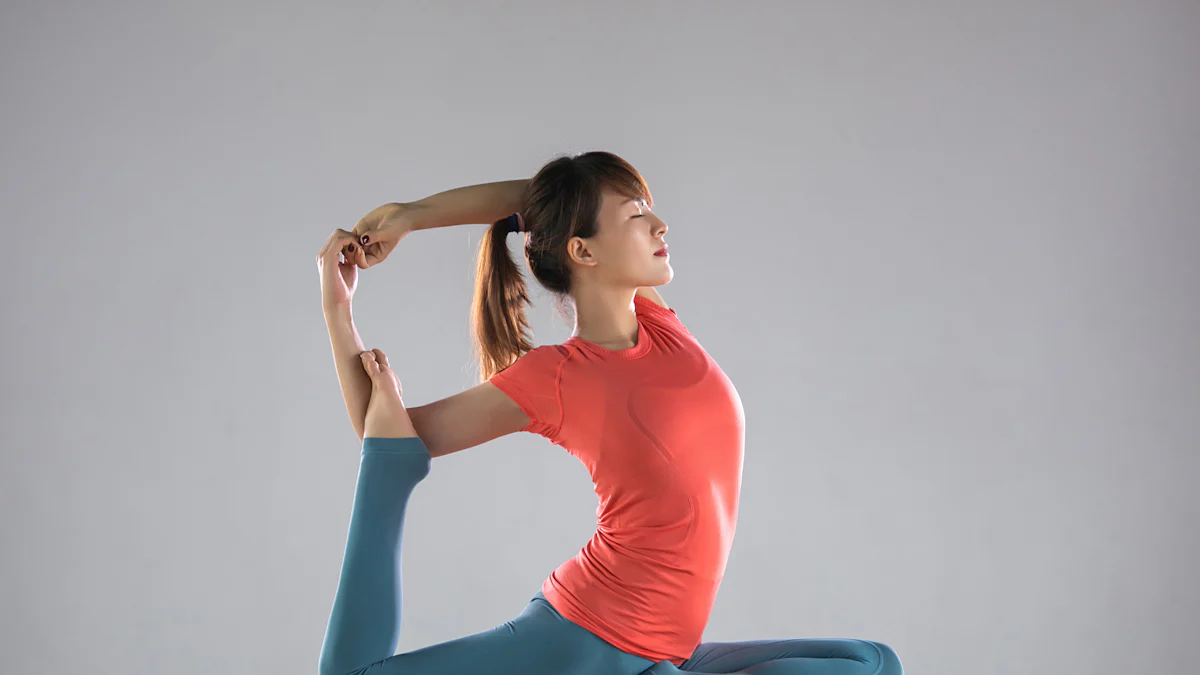
Hatha yoga stretches can significantly enhance your flexibility. By practicing these stretches, you gradually increase the pliability of your muscles and joints. Flexibility plays a crucial role in your overall well-being, impacting everything from posture to injury prevention. You might wonder how to improve your flexibility effectively. Hatha yoga offers a structured approach, with studies showing that participants experience notable improvements after consistent practice. Whether you're a beginner or seasoned practitioner, incorporating these stretches into your routine can lead to remarkable changes in your body's flexibility.
Benefits of Hatha Yoga for Flexibility
Physical Benefits
Hatha yoga offers a treasure trove of physical benefits, especially when it comes to flexibility. By engaging in regular practice, you can experience a noticeable increase in your range of motion. This happens because Hatha yoga stretches target various muscle groups, helping them become more pliable. For instance, poses like the Downward-Facing Dog and Cobra Pose work wonders on your hamstrings and spine, respectively.
Moreover, Hatha yoga doesn't just stop at flexibility. It also boosts your overall physical health. Studies have shown that regular practice can enhance muscular efficiency and improve physical performance. You might find that your balance improves, too, which is crucial for preventing injuries. As you hold each pose, your muscles strengthen and stretch simultaneously, creating a balanced body that's both strong and flexible.
Mental and Emotional Benefits
The benefits of Hatha yoga extend beyond the physical realm. When you practice Hatha yoga, you also nurture your mental and emotional well-being. The focus on breath and mindfulness during each pose helps reduce stress and anxiety. In fact, research indicates that Hatha yoga can significantly lower symptoms of depression and anxiety. This calming effect stems from the way yoga encourages you to be present, fostering a sense of peace and relaxation.
Additionally, Hatha yoga promotes neuroplasticity, which is the brain's ability to adapt and change. This means that regular practice can enhance your brain health over time. You might notice improvements in your mood and mental clarity, making it easier to tackle daily challenges with a positive mindset. By balancing your body, mind, and emotions, Hatha yoga creates a harmonious state that supports your overall well-being.
Essential Hatha Yoga Stretches
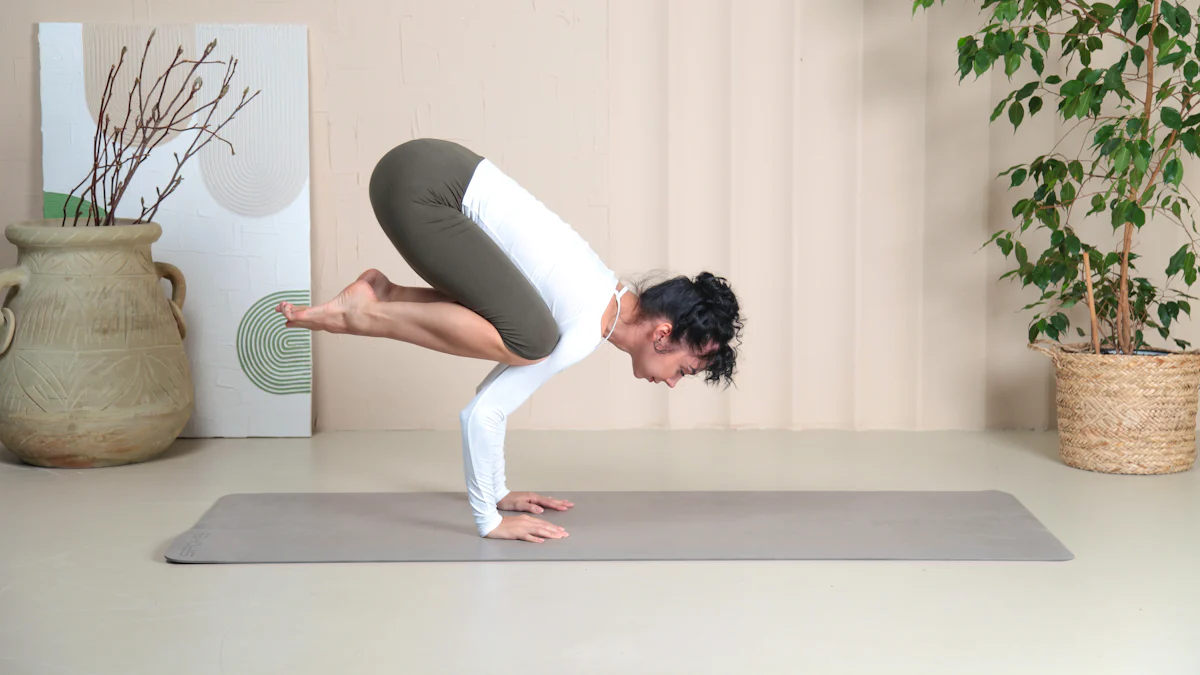
Incorporating essential hatha yoga stretches into your routine can significantly boost your flexibility. These stretches target various muscle groups, helping you achieve a more balanced and flexible body. Let's dive into some key poses that you can start practicing today.
Downward-Facing Dog (Adho Mukha Svanasana)
The Downward-Facing Dog is a staple in hatha yoga. This pose stretches your hamstrings, calves, and shoulders. To get started, place your hands and feet on the mat, forming an inverted V shape with your body. Keep your fingers spread wide and press your heels toward the ground. This position not only enhances flexibility but also strengthens your arms and legs. Remember to breathe deeply, inhaling as you lift your hips and exhaling as you settle into the stretch.
Standing Forward Bend (Uttanasana)
The Standing Forward Bend is another excellent stretch for improving flexibility. Stand with your feet hip-width apart and slowly bend forward from your hips. Let your head hang heavy and reach for your toes. This pose targets your hamstrings and lower back, providing a deep stretch. If you can't reach your toes, don't worry. You can bend your knees slightly or use a yoga block for support. Consistent practice will help you go deeper into the stretch over time.
Cobra Pose (Bhujangasana)
The Cobra Pose focuses on your spine and chest. Lie face down on your mat with your palms under your shoulders. As you inhale, gently lift your chest off the ground, keeping your elbows close to your body. This pose opens up your chest and strengthens your back muscles. It also improves spinal flexibility, which is crucial for overall mobility. Make sure to keep your shoulders relaxed and avoid straining your neck.
Dr. Hansaji Jayadeva Yogendra, a fitness expert, emphasizes that "Hatha yoga asanas offer numerous benefits, including increased spine flexibility, improved immunity, and mental calmness." Even if you're a beginner, these poses are highly modifiable, allowing you to practice at your own pace and gradually improve your flexibility.
By incorporating these hatha yoga stretches into your routine, you can enhance your flexibility and enjoy the numerous physical and mental benefits that come with it. Remember, consistency is key. So, roll out your mat and start stretching!
Triangle Pose (Trikonasana)
The Triangle Pose, or Trikonasana, is a fundamental hatha yoga stretch that enhances flexibility and balance. This pose targets your legs, hips, and spine, providing a comprehensive stretch that benefits multiple muscle groups. To begin, stand with your feet wide apart. Turn your right foot out 90 degrees and your left foot slightly inward. Extend your arms parallel to the floor, then reach your right hand down towards your right ankle while your left arm stretches upwards. Your gaze should follow your left hand.
This pose not only stretches your muscles but also strengthens them. As you hold the position, you'll feel a deep stretch along your side body and inner thighs. The Triangle Pose helps improve your posture by aligning your spine and opening your chest. It also encourages better balance and stability, which are essential for overall physical health.
Dr. Hansaji Jayadeva Yogendra, a fitness expert, notes that "Hatha yoga asanas offer numerous benefits, including increased spine flexibility, improved immunity, and mental calmness." The Triangle Pose exemplifies these benefits by promoting both physical and mental well-being.
Remember, consistency is key when practicing hatha yoga stretches like the Triangle Pose. Over time, you'll notice increased flexibility and strength. Don't worry if you can't reach your ankle at first. Use a yoga block for support and gradually work towards deeper stretches. This adaptability makes hatha yoga accessible to everyone, regardless of their experience level.
How to Execute Hatha Yoga Poses Correctly
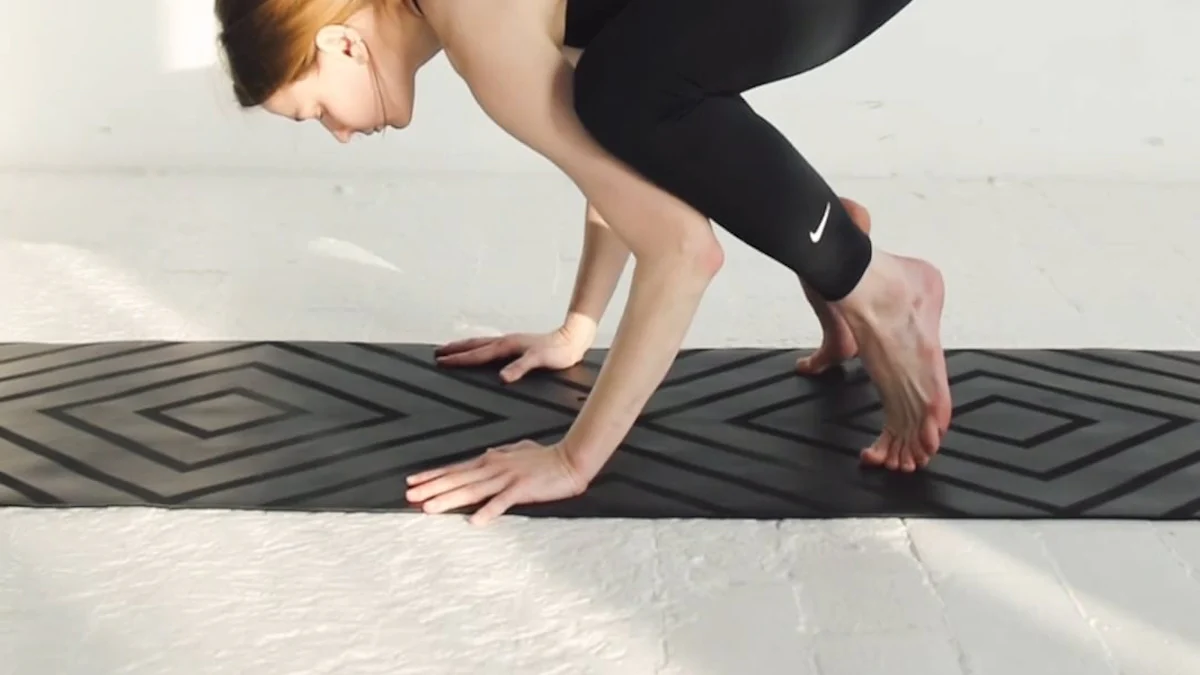
Mastering Hatha yoga poses requires attention to detail. You need to focus on two key elements: proper breathing and maintaining alignment. These aspects ensure you get the most out of your practice while minimizing the risk of injury.
Importance of Proper Breathing
Breathing plays a crucial role in Hatha yoga. It connects your mind and body, enhancing your practice. When you breathe correctly, you increase oxygen flow to your muscles. This helps them relax and stretch more effectively.
Inhale Deeply: As you move into a pose, take a deep breath. This prepares your body for the stretch and helps you maintain balance.
Exhale Slowly: When you settle into the pose, exhale slowly. This allows your muscles to release tension and deepen the stretch.
Maintain a Rhythm: Keep a steady breathing rhythm throughout your practice. This rhythm helps you stay focused and calm, making each pose more effective.
Unknown Yoga Expert emphasizes, "Proper breathing in yoga enhances flexibility and mental clarity."
Maintaining Proper Alignment
Alignment is the foundation of any yoga pose. It ensures that you engage the right muscles and protect your joints. Here's how you can maintain proper alignment:
Focus on Your Base: Start with your feet. They should be firmly planted on the ground, providing a stable base. In poses like the Triangle Pose, kick your hips to the side to engage your legs fully.
Engage Your Core: Your core supports your spine and helps maintain balance. Keep it engaged to protect your back and improve posture.
Align Your Spine: Your spine should be straight and elongated. Avoid slouching or arching your back excessively. This alignment opens your chest and shoulders, enhancing the stretch.
Use Props if Needed: Don't hesitate to use yoga blocks or straps. They help you achieve proper alignment, especially if you're new to yoga.
Unknown Yoga Expert notes, "Triangle pose strengthens the legs and stretches the groin, hamstrings, and hips, and opens the chest and shoulders. It also challenges—and improves—balance and stability."
By focusing on breathing and alignment, you can execute Hatha yoga poses correctly. This approach not only enhances flexibility but also promotes overall well-being. So, roll out your mat, breathe deeply, and align your body for a rewarding yoga experience.
Creating a Regular Hatha Yoga Practice
Establishing a consistent Hatha yoga practice can transform your flexibility and overall well-being. Let's explore how you can set a routine and listen to your body to make the most of your yoga journey.
Setting a Routine
Creating a routine is crucial for mastering Hatha yoga stretches. Consistency helps your body adapt and improve over time. Here's how you can set up a successful routine:
Choose a Time: Pick a time of day that suits you best. Morning sessions can energize you for the day, while evening practices can help you unwind.
Start Small: Begin with short sessions, perhaps 15 to 30 minutes. As you grow more comfortable, gradually increase the duration.
Schedule It: Treat your yoga practice like an important appointment. Mark it on your calendar and stick to it.
Create a Space: Designate a quiet, comfortable space for your practice. A peaceful environment enhances focus and relaxation.
Use Resources: Consider joining a class or using online videos to guide your practice. A structured approach can keep you motivated.
Dr. Hansaji Jayadeva Yogendra, a renowned yoga expert, suggests, "Consistency in yoga practice leads to profound physical and mental benefits."
Listening to Your Body
Listening to your body is essential in yoga. It ensures you practice safely and effectively. Here are some tips to help you tune into your body's needs:
Pay Attention to Sensations: Notice how your body feels during each pose. If you experience pain, ease off or modify the pose.
Respect Your Limits: Everyone's flexibility varies. Avoid comparing yourself to others and honor your current abilities.
Modify When Needed: Use props like yoga blocks or straps to support your practice. They can help you achieve proper alignment and deepen stretches safely.
Rest When Necessary: If you're feeling fatigued, take a break. Resting allows your body to recover and prevents injury.
Stay Mindful: Focus on your breath and stay present. Mindfulness enhances your connection to your body and enriches your practice.
Unknown Yoga Expert emphasizes, "Yoga is not about touching your toes; it's about what you learn on the way down."
By setting a routine and listening to your body, you can create a fulfilling Hatha yoga practice. This approach not only boosts flexibility but also nurtures your overall well-being. So, roll out your mat, embrace the journey, and enjoy the transformative power of yoga.
Tips for Maximizing Flexibility Gains
Enhancing your flexibility through hatha yoga stretches can be a rewarding journey. To maximize your gains, consider integrating other activities and focusing on nutrition and hydration. These elements can complement your yoga practice and lead to better results.
Combining Yoga with Other Activities
Incorporating different activities into your routine can boost your flexibility. Here are some ways to do it:
Strength Training: Building muscle strength supports your joints and enhances your yoga practice. Strong muscles help you hold poses longer and with better form. Consider adding light weights or resistance bands to your workouts.
Cardio Exercises: Activities like running, cycling, or swimming increase your heart rate and improve circulation. Better blood flow helps your muscles recover faster after yoga sessions, allowing you to stretch deeper over time.
Pilates: This exercise focuses on core strength and stability, which complements the balance and alignment needed in yoga. Pilates can improve your posture and make your yoga practice more effective.
Dance: Engaging in dance classes can enhance your coordination and flexibility. Dance movements often require a wide range of motion, which can translate well into your yoga practice.
Jenny, a seasoned yoga practitioner, shares, "Yoga is an experience with no end goal. Combining it with other activities enriches this journey and supports personal growth."
Nutrition and Hydration
What you eat and drink plays a crucial role in your flexibility journey. Proper nutrition and hydration support muscle function and recovery. Here are some tips:
Stay Hydrated: Water keeps your muscles supple and reduces the risk of cramps. Aim to drink plenty of water throughout the day, especially before and after yoga sessions.
Eat Balanced Meals: Include a variety of nutrients in your diet. Foods rich in protein, healthy fats, and complex carbohydrates provide the energy and building blocks your body needs for muscle repair and growth.
Incorporate Anti-inflammatory Foods: Foods like turmeric, ginger, and leafy greens can reduce inflammation and promote faster recovery. This helps you maintain flexibility and prevent injuries.
Consider Supplements: If you struggle to get enough nutrients from your diet, consider supplements like omega-3 fatty acids or magnesium. These can support joint health and muscle function.
Camilla Mia, who practices yoga regularly, emphasizes the importance of a balanced lifestyle. She notes that combining yoga with proper nutrition and hydration has made her practice more fulfilling and effective.
By combining hatha yoga stretches with other activities and focusing on nutrition and hydration, you can enhance your flexibility and overall well-being. Remember, it's about creating a balanced routine that supports your body and mind. So, explore different activities, nourish your body, and enjoy the journey to improved flexibility.
Incorporating Hatha Yoga into your daily routine offers numerous benefits. You'll notice improved flexibility, which enhances your overall health. Start with small, consistent steps. Even a weekly practice can lead to significant gains. Over time, you'll experience increased range of motion and better posture. These improvements contribute to a healthier lifestyle. Remember, yoga isn't just about physical changes. It also nurtures your mental well-being. Embrace the journey, and enjoy the long-term rewards of a balanced body and mind.
See Also
5 Effective Yoga Poses for Improved Hip Flexibility
Comparing Yoga and Pilates: Flexibility Benefits Explored
Beginner's Guide to Isha Hatha Yoga Practice

Hi my name is Lia and i am your host in this yoga journey in Portugal, Subscribe to our newsletter to receive every week the best of Yoga in Portugal.

We bring back the importance of initiation into womanhood by Roos-Veerle Krijnen & Ella-June Henrard
Welcome to the Women’s Initiation Retreat by Naked Truth Retreats, a transformative journey into the depths of your True Feminine Nature. This retreat invites you to remember the sacredness and wholeness of your being.
Roos-Veerle Krijnen & Ella-June Henrard