How to Master Hatha Flow Yoga Techniques

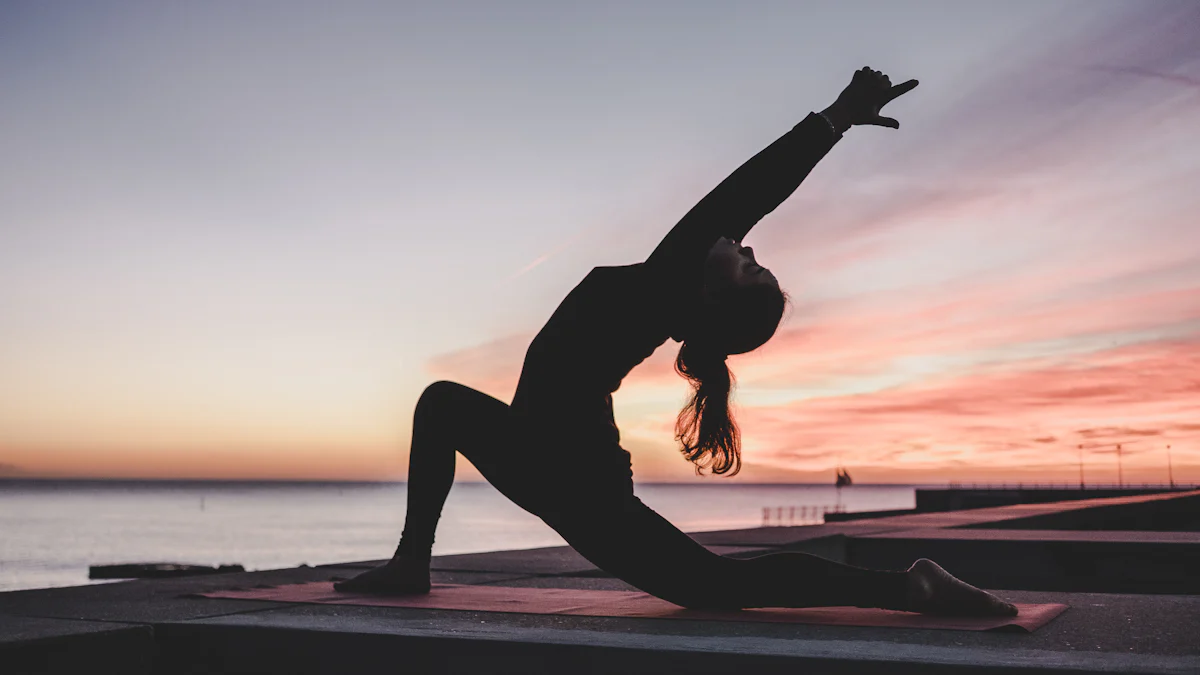
Hatha Flow Yoga offers a unique blend of physical postures and breathing techniques. You engage in a dynamic practice that enhances both body and mind. Mastering these techniques is crucial. It ensures you reap the full benefits, like improved flexibility and strength. Regular practice can also reduce stress and anxiety. Studies show that Hatha Yoga significantly decreases anxiety and depression levels. It also boosts self-care activities. By focusing on the connection between breath and movement, you create a mindful experience that promotes overall well-being. Dive into yoga hatha flow and discover its transformative power.
Understanding Yoga Hatha Flow
Origins and Philosophy
Yoga Hatha Flow has a rich history that dates back to 15th century India. It has inspired many of the flow styles you see in studios today. The practice evolved from ancient ascetic traditions, which focused on physical and mental discipline. Over time, it adapted to meet modern needs, showcasing its relevance and adaptability.
In the early 20th century, figures like Swami Kuvalayananda and Tirumalai Krishnamacharya played pivotal roles in shaping yoga as exercise in the West. They introduced a flowing style that emphasized physical movement over spiritual goals. This shift made yoga more accessible to a global audience, blending fitness with mindfulness.
Historical Background
The earliest mentions of Hatha Yoga appear in Tantric Buddhist texts and early Hindu scriptures. These texts introduced specific physical practices that laid the groundwork for what we now know as yoga hatha flow. The revival of Hatha Yoga in the 1930s coincided with a global enthusiasm for fitness and gymnastics. This period marked a significant transformation, as yoga reentered the conversation as a holistic approach to well-being.
Core Principles
At its core, yoga hatha flow emphasizes the connection between breath and movement. This practice encourages you to focus on your breath as you transition between poses. By doing so, you cultivate mindfulness and presence. The principles of alignment and posture are crucial, ensuring you practice safely and effectively. This mindful approach not only enhances physical strength but also nurtures mental clarity.
Benefits of Yoga Hatha Flow
Yoga Hatha Flow offers a multitude of benefits that extend beyond the mat. By engaging in this practice, you can experience improvements in both your physical and mental health.
Physical Benefits
Improved Flexibility: Regular practice helps increase your range of motion, making everyday movements easier.
Enhanced Strength: The various poses in yoga hatha flow build muscle strength, supporting your overall physical health.
Better Posture: Focusing on alignment during practice can lead to improved posture, reducing strain on your body.
Mental and Emotional Benefits
Stress Reduction: The mindful nature of yoga hatha flow helps calm your mind, reducing stress and anxiety levels.
Increased Focus: By concentrating on your breath and movements, you enhance your ability to focus and stay present.
Emotional Balance: This practice promotes emotional well-being, helping you manage your emotions more effectively.
Yoga Hatha Flow is more than just a physical exercise; it's a journey towards holistic well-being. By understanding its origins and embracing its benefits, you can transform your practice and your life.
Essential Techniques in Yoga Hatha Flow
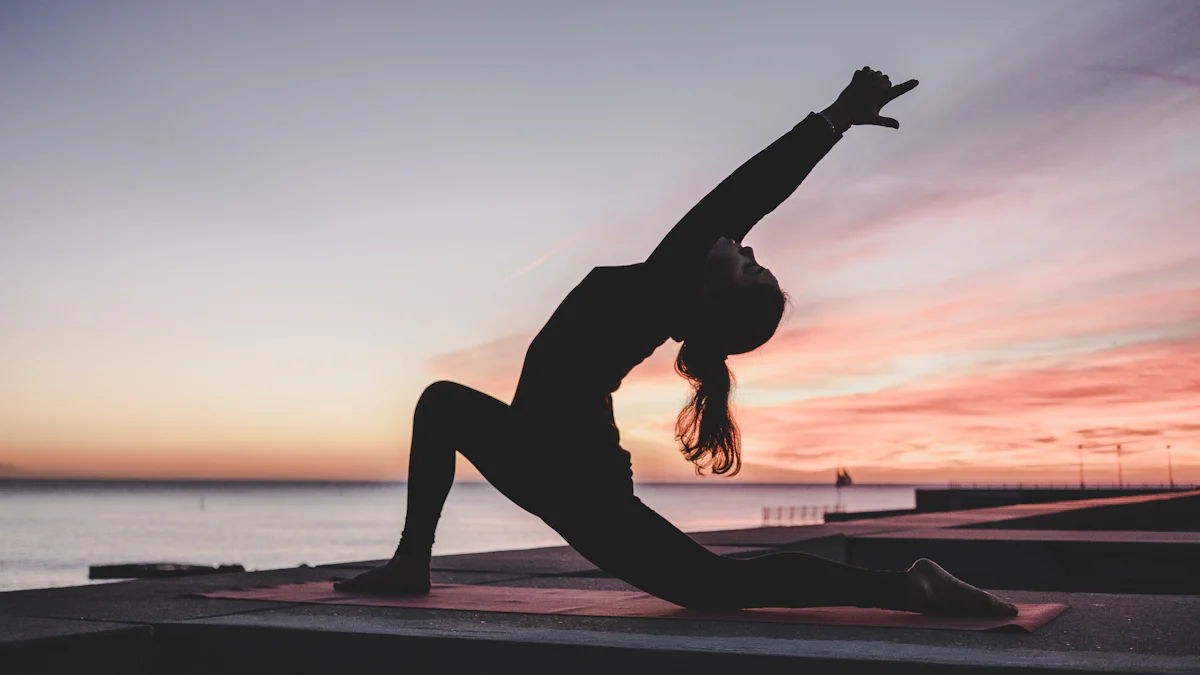
Mastering the essential techniques in yoga hatha flow can transform your practice. By focusing on both postures and breathing, you create a balanced routine that enhances your physical and mental well-being. Let's dive into some key techniques that form the foundation of this practice.
Basic Postures
Basic postures in yoga hatha flow serve as the building blocks for more advanced poses. They help you develop strength, flexibility, and balance.
Mountain Pose
Mountain Pose, or Tadasana, is often the starting point for many sequences. It may look simple, but it sets the tone for your practice. Stand tall with your feet together, grounding through all four corners of your feet. Engage your thighs and lift your kneecaps. Roll your shoulders back and down, and reach your arms alongside your body. This pose improves posture and alignment, creating a strong foundation for other poses.
Downward Dog
Downward Dog, or Adho Mukha Svanasana, is a staple in yoga hatha flow. Begin on your hands and knees, tuck your toes, and lift your hips towards the ceiling. Your body forms an inverted V-shape. Press your hands firmly into the mat and draw your shoulder blades down your back. This pose stretches the hamstrings and calves while strengthening the arms and shoulders. It also helps calm the mind and relieve stress.
Breathing Techniques
Breathing techniques, or pranayama, are integral to yoga hatha flow. They enhance your practice by promoting relaxation and focus.
Ujjayi Breath
Ujjayi Breath, also known as the "ocean breath," involves inhaling and exhaling through the nose while slightly constricting the throat. This creates a soft, whispering sound. Ujjayi Breath helps regulate your breath during practice, allowing you to maintain a steady rhythm. It also increases oxygen intake, energizing your body and calming your mind.
Alternate Nostril Breathing
Alternate Nostril Breathing, or Nadi Shodhana, balances the left and right hemispheres of the brain. Sit comfortably and use your right thumb to close your right nostril. Inhale deeply through your left nostril, then close it with your ring finger. Release your thumb and exhale through your right nostril. Continue this pattern, alternating sides. This technique reduces stress and enhances mental clarity, making it a valuable addition to your yoga hatha flow practice.
Incorporating these essential techniques into your yoga hatha flow routine can lead to significant improvements in both physical and mental health. Studies have shown that practicing yoga hatha flow can increase mindfulness, improve psychological well-being, and enhance executive function. By focusing on these foundational elements, you create a practice that supports your overall well-being.
Developing a Consistent Practice
Creating a consistent yoga hatha flow practice can transform your life. It requires dedication and a bit of planning. Let's explore how you can set a routine and stay motivated.
Setting a Routine
Establishing a routine is the first step in mastering yoga hatha flow. Consistency helps you build strength and flexibility over time.
Choosing the Right Time
Finding the right time for your practice is crucial. Choose a time that fits seamlessly into your daily schedule. Morning practices can energize you for the day ahead, while evening sessions can help you unwind. The key is to pick a time when you can focus without distractions. Remember, consistency is more important than duration. Even a short session can be beneficial if done regularly.
Creating a Yoga Space
Your environment plays a significant role in your practice. Designate a specific area in your home for yoga hatha flow. This space should be quiet and free from clutter. A dedicated yoga space helps you mentally prepare for practice. Add elements that inspire you, like candles or plants. A calming environment enhances your focus and encourages mindfulness.
Staying Motivated
Staying motivated can be challenging, especially when life gets busy. Here are some strategies to keep you on track.
Setting Goals
Set clear and achievable goals for your yoga hatha flow practice. Goals give you direction and purpose. Start with small, attainable objectives, like mastering a particular pose or increasing your practice time. As you achieve these goals, you'll gain confidence and motivation to tackle more challenging ones. Remember, your journey is unique. Avoid comparing yourself to others.
Tracking Progress
Tracking your progress is a powerful motivator. Keep a journal to record your practice sessions. Note any improvements in flexibility, strength, or mental clarity. Celebrate your achievements, no matter how small. This practice reinforces positive habits and keeps you engaged. Overcoming mental fatigue and self-doubt is essential. Practice self-compassion and remind yourself of the benefits of yoga hatha flow.
By developing a consistent practice, you can fully experience the transformative power of yoga hatha flow. Embrace the journey and enjoy the process. Your commitment will lead to a healthier, more balanced life.
Common Challenges and How to Overcome Them
Practicing yoga hatha flow can be incredibly rewarding, but like any journey, it comes with its own set of challenges. Understanding these hurdles and learning how to overcome them can enhance your practice and keep you motivated.
Physical Limitations
Physical limitations are common, especially if you're new to yoga hatha flow. Your body might not be as flexible or strong as you'd like, but that's okay. The key is to work with your body, not against it.
Modifications for Beginners
As a beginner, you might find some poses challenging. That's where modifications come in handy. For instance, if you struggle with the Downward Dog, try bending your knees slightly. This adjustment can make the pose more accessible while still providing a good stretch. Use props like blocks or straps to support your body in various poses. These tools help you maintain proper alignment and prevent injury. Remember, yoga hatha flow is about progress, not perfection.
Listening to Your Body
Listening to your body is crucial in yoga hatha flow. Pay attention to how you feel during each pose. If something doesn't feel right, modify the pose or take a break. Your body knows its limits better than anyone else. Over time, you'll learn to distinguish between discomfort that leads to growth and pain that signals a need to stop. This awareness will help you practice safely and effectively.
Mental Blocks
Mental blocks can also hinder your yoga hatha flow practice. Distractions and lack of focus are common issues, but they can be managed with the right strategies.
Overcoming Distractions
Distractions can disrupt your practice, making it hard to stay present. To overcome this, create a dedicated yoga space free from interruptions. Turn off your phone and let others know you need some quiet time. Practicing mindfulness techniques, like focusing on your breath, can also help you stay centered. When your mind wanders, gently bring your attention back to your breath or the pose you're in.
Building Focus
Building focus takes time and practice. Start by setting small, achievable goals for each session. For example, aim to hold a pose for a few extra breaths or maintain steady breathing throughout your practice. Visualization can also enhance focus. Picture yourself moving smoothly through each pose, connecting your breath with your movements. This mental imagery can improve your concentration and deepen your yoga hatha flow experience.
By addressing these common challenges, you can make your yoga hatha flow practice more enjoyable and effective. Embrace the journey, and remember that every step forward is a victory. With patience and persistence, you'll find yourself growing stronger, both physically and mentally.
Additional Resources and Tips
To deepen your understanding of Hatha Flow Yoga, explore a variety of resources. Books and online platforms offer valuable insights and guidance. Let's dive into some recommended readings and digital resources that can enhance your practice.
Recommended Reading
Books on Hatha Yoga
"Hatha Yoga Pradipika" by Swami Swatmarama
This classic text is a cornerstone of Hatha Yoga literature. It covers the foundational principles and practices that remain relevant today. Many yoga teacher training courses include this book in their curriculum."Light on Yoga" by B.K.S. Iyengar
B.K.S. Iyengar, a renowned yoga teacher, provides detailed instructions on various poses and breathing techniques. His book is an excellent resource for both beginners and advanced practitioners."The Heart of Yoga: Developing a Personal Practice" by T.K.V. Desikachar
This book offers a comprehensive guide to developing a personal yoga practice. Desikachar emphasizes the importance of adapting yoga to individual needs, making it accessible to everyone.
Online Resources
Yoga Journal
Yoga Journal offers a wealth of articles, videos, and tutorials on Hatha Yoga. You can find tips on mastering poses, breathing techniques, and creating a consistent practice.DoYogaWithMe
This website provides free online yoga classes, including Hatha Flow sessions. It's a great way to practice at home with guidance from experienced instructors.Yoga International
Yoga International features a variety of articles and courses on Hatha Yoga. You can explore topics like alignment, philosophy, and the benefits of regular practice.
FAQs
Common Questions
What is the difference between Hatha Yoga and Hatha Flow Yoga?
Hatha Yoga focuses on static poses and breathing techniques. Hatha Flow Yoga incorporates these elements into a dynamic sequence, emphasizing the connection between breath and movement.Can beginners practice Hatha Flow Yoga?
Absolutely! Hatha Flow Yoga is suitable for all levels. Beginners can start with basic poses and gradually progress to more challenging sequences.How often should I practice Hatha Flow Yoga?
Aim for at least three times a week to experience the benefits. Consistency is key, even if you start with shorter sessions.
Expert Answers
How does Hatha Flow Yoga reduce stress?
The combination of mindful breathing and movement helps calm the nervous system. This practice reduces stress hormones and promotes relaxation.What are the physical benefits of Hatha Flow Yoga?
Regular practice improves flexibility, strength, and posture. It also enhances muscle and joint flexibility, contributing to overall physical health.How can I stay motivated in my practice?
Set achievable goals and track your progress. Celebrate small victories and remind yourself of the benefits. Creating a dedicated yoga space can also enhance motivation.
By exploring these resources and addressing common questions, you can enrich your Hatha Flow Yoga journey. Remember, the path to mastery is unique for everyone. Embrace the process and enjoy the transformative power of yoga.
You've explored the transformative world of Hatha Flow Yoga. From understanding its rich history to mastering essential techniques, each step enhances your journey. Regular practice is key. It not only boosts your physical health but also nurtures mental clarity. As one participant shared, diving into an intensive yoga practice can have lasting impacts on your daily life. So, keep practicing and stay motivated.
"The ethical education component had informed their actions and thoughts in their daily lives up to 12 months after the study had ended."
Explore further resources to deepen your understanding and enrich your practice.

Hi my name is Lia and i am your host in this yoga journey in Portugal, Subscribe to our newsletter to receive every week the best of Yoga in Portugal.

We bring back the importance of initiation into womanhood by Roos-Veerle Krijnen & Ella-June Henrard
Welcome to the Women’s Initiation Retreat by Naked Truth Retreats, a transformative journey into the depths of your True Feminine Nature. This retreat invites you to remember the sacredness and wholeness of your being.
Roos-Veerle Krijnen & Ella-June Henrard