Master Angamardana Yoga with These Simple Steps

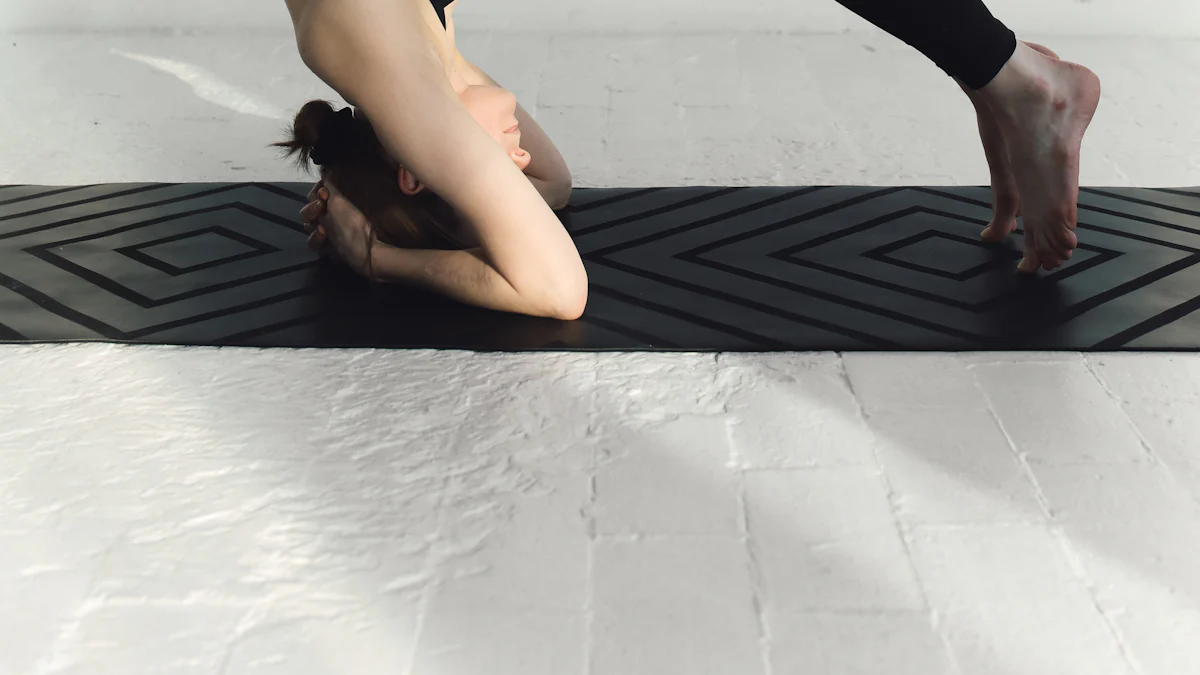
Angamardana yoga offers a unique way to invigorate your body and mind. This practice helps you gain mastery over your physical self, leading to improved health and vitality. You’ll find that effective practice not only enhances your physical strength but also boosts your mental clarity. By focusing on the right techniques, you can unlock the full potential of Angamardana yoga and experience its transformative benefits.
Key Takeaways
Create a calm and distraction-free environment to enhance your Angamardana yoga practice.
Use basic equipment like a yoga mat and comfortable clothing to support your practice without needing fancy gear.
Set clear intentions before each session to stay focused on your goals and make your practice more meaningful.
Incorporate essential postures like Standing Forward Bend and Warrior Pose to build strength and flexibility.
Practice proper breathing techniques, such as Diaphragmatic and Ujjayi breathing, to deepen your connection to your body.
Establish a regular practice schedule and track your progress to maintain motivation and commitment.
Avoid common mistakes like overexertion and neglecting warm-up and cool-down routines to ensure a safe and effective practice.
Preparing for Your Angamardana Practice
Creating a Suitable Environment
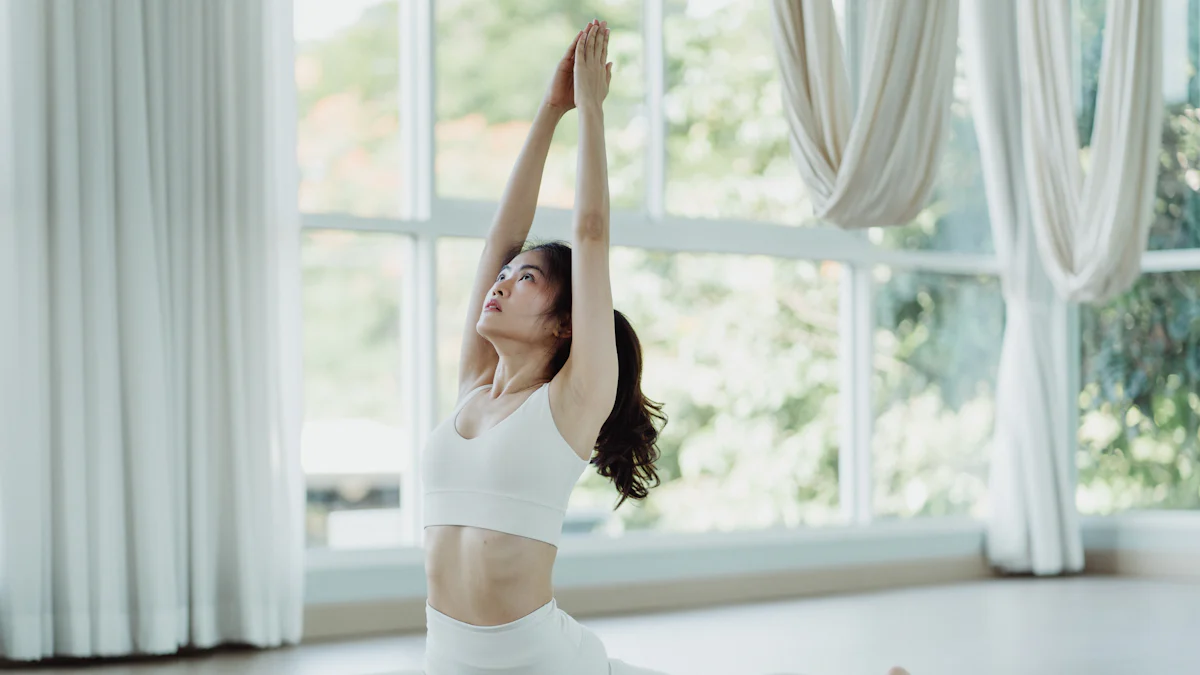
You want to set the stage for your Angamardana yoga practice. A calm and quiet space helps you focus. Choose a spot with good ventilation and natural light. If possible, find a place away from distractions. You might want to use a yoga mat or a soft surface to make your practice comfortable. Adding some calming elements, like plants or soft music, can enhance your experience. Remember, your environment plays a big role in how well you connect with your practice.
Gathering Necessary Equipment
Good news! You don’t need fancy equipment to practice Angamardana yoga. Your body is your primary tool. However, having a few items can make your practice smoother. Consider using:
A yoga mat for comfort and grip.
A water bottle to stay hydrated.
A towel to wipe off sweat.
Comfortable clothing that allows movement.
If you want to deepen your practice, you might explore resources like the Angamardana Yoga Booklet. This booklet offers insights into techniques and postures, helping you understand the practice better.
Setting Your Intentions
Before you start, take a moment to set your intentions. Ask yourself what you hope to achieve through Angamardana yoga. Do you want to improve your flexibility? Boost your energy? Or perhaps find mental clarity? Writing down your intentions can help you stay focused. Each time you practice, remind yourself of these goals. This simple step can transform your practice into a more meaningful journey.
Key Techniques in Angamardana Yoga
Understanding the Fundamental Postures
Standing Forward Bend
The Standing Forward Bend is a fundamental posture in Angamardana yoga. This pose stretches your hamstrings and back, promoting flexibility. To perform it, stand tall with your feet hip-width apart. Inhale deeply, then exhale as you bend forward from your hips. Let your arms hang or grasp your elbows. Feel the stretch in your legs and back. Hold this position for a few breaths. This posture not only enhances physical strength but also calms your mind, preparing you for deeper practice.
Warrior Pose
Warrior Pose is another essential posture that builds strength and stability. Start by standing with your feet wide apart. Turn your right foot out 90 degrees and bend your right knee. Extend your arms parallel to the ground, gazing over your right hand. This pose strengthens your legs and opens your hips. It also boosts your confidence and focus. Hold the pose for several breaths, then switch sides. Practicing Warrior Pose regularly helps you cultivate energy and resilience, key components of Angamardana yoga.
Breathing Techniques to Enhance Practice
Breathing plays a crucial role in Angamardana yoga. Proper techniques can elevate your practice and deepen your connection to your body.
Diaphragmatic Breathing
Diaphragmatic breathing, or belly breathing, allows you to engage your diaphragm fully. This technique increases oxygen flow and promotes relaxation. To practice, sit or lie down comfortably. Place one hand on your chest and the other on your belly. Inhale deeply through your nose, allowing your belly to rise. Exhale slowly through your mouth, feeling your belly fall. This method calms your nervous system and prepares you for your Angamardana practice.
Ujjayi Breathing
Ujjayi breathing, often called "victorious breath," adds a soothing sound to your practice. This technique helps you maintain focus and control during your movements. To practice Ujjayi breathing, inhale deeply through your nose, slightly constricting your throat. Exhale through your nose while keeping the throat constricted. You should hear a gentle sound, like ocean waves. This breathing technique enhances your endurance and keeps your energy flowing throughout your Angamardana yoga session.
Step-by-Step Guide to Practicing Angamardana
Warm-Up Exercises
Start your Angamardana yoga session with warm-up exercises. These movements prepare your body for the practice ahead. Try these simple warm-ups:
Neck Rolls: Gently roll your head in a circular motion. Do this for about 30 seconds in each direction. This helps release tension in your neck.
Shoulder Shrugs: Lift your shoulders towards your ears and then drop them down. Repeat this 10 times. This movement loosens your shoulders and upper back.
Wrist Rotations: Extend your arms in front of you and rotate your wrists. Do this for 30 seconds. This warms up your wrists for the postures to come.
These warm-up exercises help you avoid injuries and enhance your overall performance in Angamardana yoga.
Core Angamardana Sequences
Now, dive into the core sequences of Angamardana yoga. These sequences consist of dynamic movements that build strength and flexibility. Here’s a simple sequence to follow:
Standing Forward Bend: Start with this pose to stretch your hamstrings and back. Hold for five breaths.
Warrior Pose: Transition into Warrior Pose. Hold for five breaths on each side. Feel the strength in your legs and the openness in your hips.
Squats: Perform 10 squats. Keep your back straight and engage your core. This movement strengthens your legs and improves balance.
Lunges: Alternate lunges for 10 repetitions on each leg. This exercise enhances stability and flexibility.
Repeat this sequence two to three times. Focus on your breath and maintain a steady pace. You’ll notice how these movements invigorate your body and mind.
Cool Down and Relaxation Techniques
After your practice, cool down with relaxation techniques. This step helps your body recover and promotes mental clarity. Try these methods:
Child’s Pose: Kneel on the floor and sit back on your heels. Extend your arms forward and rest your forehead on the ground. Hold this pose for a few minutes. It calms your mind and stretches your back.
Seated Forward Bend: Sit with your legs extended. Inhale deeply, then exhale as you reach for your toes. Hold for five breaths. This pose relaxes your spine and hamstrings.
Deep Breathing: Finish with deep breathing. Sit comfortably and take slow, deep breaths. Inhale through your nose and exhale through your mouth. This practice helps center your thoughts and brings peace.
Incorporating these cool-down techniques into your routine enhances your experience with Angamardana yoga. You’ll feel refreshed and ready to take on the day.
Tips for Maintaining Consistency in Angamardana Yoga
Establishing a Regular Practice Schedule
Creating a regular practice schedule helps you stay committed to Angamardana yoga. Choose specific days and times that work best for you. Consistency builds a habit, making it easier to integrate yoga into your daily routine. Start with short sessions, perhaps 15 to 20 minutes, and gradually increase the duration as you become more comfortable. Mark your practice days on a calendar or set reminders on your phone. This simple act keeps you accountable and motivated.
Tracking Your Progress
Tracking your progress can boost your motivation and help you see how far you’ve come. Consider keeping a journal to note your experiences after each session. Write down what you practiced, how you felt, and any improvements you noticed. You might also want to take photos of your poses over time. Comparing these images can show your growth and inspire you to keep going. Remember, every small step counts in your journey with Angamardana yoga.
Finding a Community or Partner
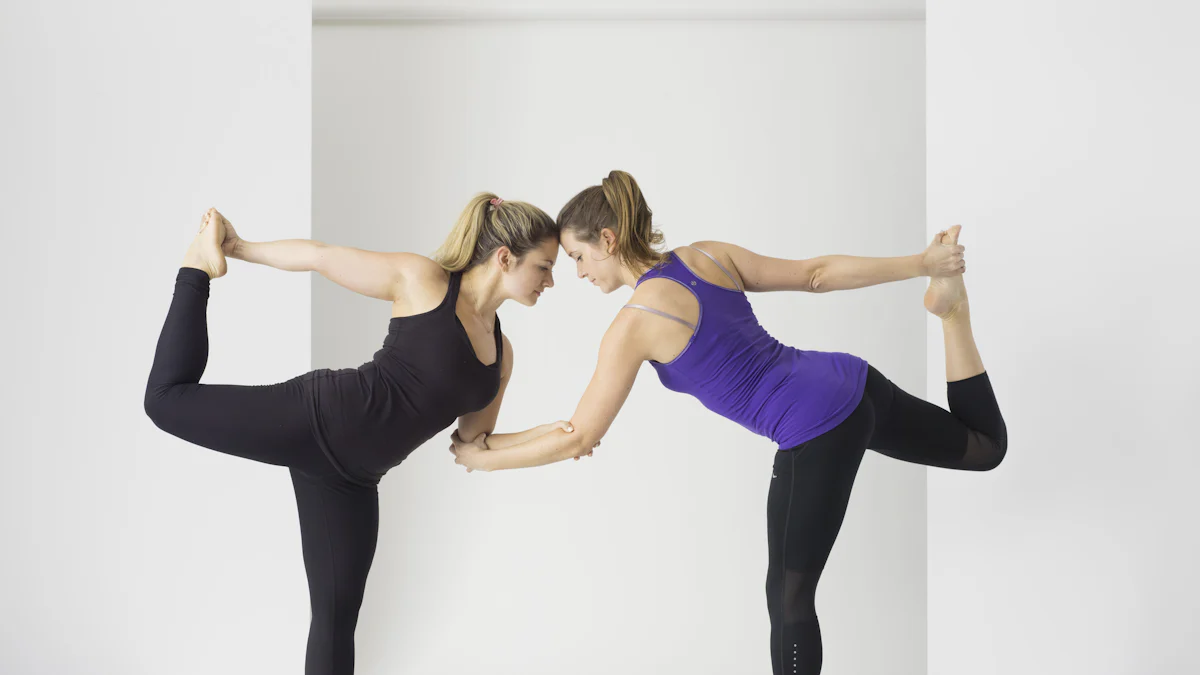
Connecting with others can enhance your Angamardana yoga experience. Look for local classes or online groups where you can share your journey. Practicing with a partner or in a community creates a supportive environment. You can motivate each other, share tips, and celebrate achievements together. If you can’t find a group, consider inviting a friend to join you. Practicing together makes the experience more enjoyable and helps you stay consistent.
Common Mistakes to Avoid in Angamardana Yoga
Overexertion and Its Consequences
You might feel tempted to push your limits during Angamardana yoga. However, overexertion can lead to injuries and burnout. Listen to your body. If you feel pain or discomfort, take a step back. Yoga is about balance, not competition. Remember, it’s better to practice mindfully than to rush through movements.
“Improper yoga practices have led to individuals losing their mental balance.” This statement highlights the importance of a mindful approach. Focus on quality over quantity. Enjoy the journey rather than striving for perfection.
Neglecting Proper Form
Proper form is crucial in Angamardana yoga. Neglecting it can result in strain or injury. Pay attention to your alignment in each posture. For instance, in the Warrior Pose, ensure your knee stays above your ankle. This simple adjustment protects your joints and enhances your practice.
Take time to learn the correct techniques. If you’re unsure, consider joining a class or watching instructional videos. You’ll find that understanding the fundamentals makes a significant difference in your practice.
Skipping Warm-Up and Cool Down
Warm-up and cool-down sessions are essential parts of your practice. Skipping them can lead to stiffness and soreness. Start with gentle movements to prepare your body. This helps increase blood flow and reduces the risk of injury.
After your practice, cool down with stretches and deep breathing. This step aids recovery and promotes relaxation. You’ll feel more refreshed and ready for your next session.
Incorporating these practices into your routine will enhance your experience with Angamardana yoga. Avoiding these common mistakes allows you to enjoy the full benefits of your practice.
Effective practice in Angamardana yoga transforms your body and mind. You gain mastery over your physical self, leading to improved health and vitality. Start your journey today by following the steps outlined in this blog. Remember, every small effort counts.
Feel free to share your experiences and progress with others. Your journey can inspire someone else to embrace Angamardana yoga too!
FAQ
What is Angamardana yoga?
Angamardana yoga is a dynamic system of exercises that invigorates your body and mind. It focuses on building strength, flexibility, and resilience. This practice uses your body weight and momentum, making it accessible anywhere. You can perform it without any special equipment.
Do I need to be flexible to start practicing Angamardana yoga?
Not at all! You don’t need to be flexible to begin. Angamardana yoga helps improve your flexibility over time. Start with the basic postures and gradually work your way up. With consistent practice, you’ll notice your flexibility increasing.
How often should I practice Angamardana yoga?
Aim for at least three times a week to see significant benefits. Consistency is key. You can start with shorter sessions and gradually increase the duration as you become more comfortable. Find a schedule that works for you and stick to it.
Can beginners practice Angamardana yoga?
Absolutely! Beginners can benefit greatly from Angamardana yoga. It’s essential to learn the techniques correctly, so consider joining a class or following guided sessions. This way, you’ll ensure proper form and understanding of the movements.
What should I wear during my practice?
Wear comfortable clothing that allows for movement. Choose breathable fabrics that won’t restrict your range of motion. Avoid tight or heavy clothing, as it can hinder your practice. You want to feel free and relaxed while you move.
Is it safe to practice Angamardana yoga at home?
Yes, practicing at home can be safe if you follow the right guidelines. Create a suitable environment, focus on your form, and listen to your body. If you’re unsure about a posture, refer to instructional videos or seek guidance from a qualified instructor.
What are the benefits of Angamardana yoga?
Angamardana yoga offers numerous benefits, including:
Improved physical strength and flexibility
Enhanced mental clarity and focus
Increased energy levels
Better posture and alignment
Stress relief and relaxation
Regular practice can lead to overall well-being and vitality.
How can I avoid injuries while practicing Angamardana yoga?
To avoid injuries, pay attention to your body. Don’t push yourself too hard. Focus on maintaining proper form in each posture. Always warm up before starting and cool down afterward. If you feel pain or discomfort, take a break or modify the movement.
Can I practice Angamardana yoga if I have a medical condition?
If you have a medical condition, consult your healthcare provider before starting any new exercise program. They can provide guidance based on your specific situation. Once you get the green light, consider working with a qualified instructor who can help tailor the practice to your needs.
How can I stay motivated to practice Angamardana yoga regularly?
Staying motivated can be challenging, but here are some tips:
Set clear intentions for your practice.
Track your progress in a journal.
Join a community or find a practice partner.
Mix up your routine to keep things fresh and exciting.
Remember, every small effort counts, and celebrating your achievements can keep you inspired!
See Also
A Comprehensive Guide To Mastering Dhyan Yoga
Essential Steps For Mastering Sudarshan Kriya Yoga
Beginner's Guide To Practicing Dhyan Yoga At Home

Hi my name is Lia and i am your host in this yoga journey in Portugal, Subscribe to our newsletter to receive every week the best of Yoga in Portugal.

We bring back the importance of initiation into womanhood by Roos-Veerle Krijnen & Ella-June Henrard
Welcome to the Women’s Initiation Retreat by Naked Truth Retreats, a transformative journey into the depths of your True Feminine Nature. This retreat invites you to remember the sacredness and wholeness of your being.
Roos-Veerle Krijnen & Ella-June Henrard