Master All Yoga Positions with These Simple Steps

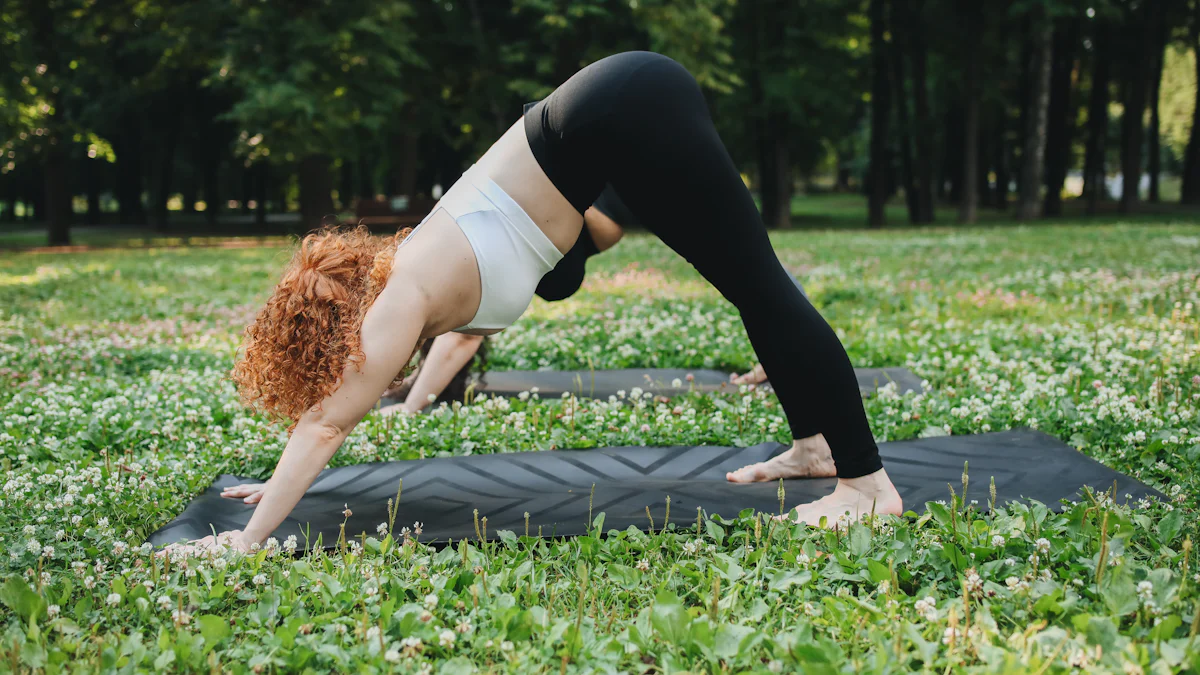
Yoga positions can transform your body and mind, but performing them correctly is crucial. Focus on your alignment and breath to enhance your practice. Mastering all yoga positions not only improves your flexibility and strength but also boosts your overall well-being. Regular practice can lead to reduced stress and anxiety, making you feel more balanced and energized. Embrace the journey of learning each pose, and watch how it enriches your life.
Key Takeaways
Focus on alignment and breath to enhance your yoga practice and improve overall well-being.
Incorporate essential standing poses like Mountain, Warrior I, and Warrior II to build strength and stability.
Practice seated poses such as Easy Pose and Seated Forward Bend to enhance flexibility and promote relaxation.
Challenge your balance with poses like Tree Pose and Half Moon Pose to improve core strength and body awareness.
Utilize restorative poses like Child's Pose and Legs-Up-The-Wall Pose to unwind and recharge your body and mind.
Prioritize breath awareness and listen to your body to ensure a safe and effective yoga practice.
Embrace the journey of mastering yoga positions, as regular practice leads to significant improvements in strength, flexibility, and mental clarity.
Standing Poses
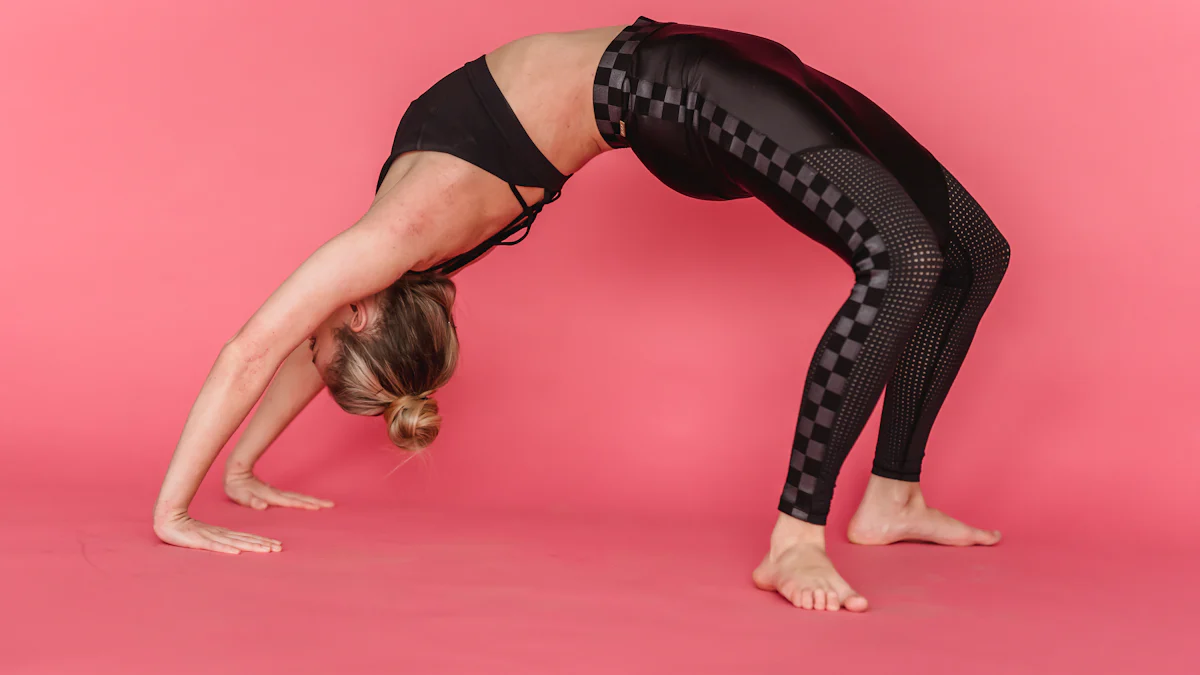
Standing poses form the foundation of many yoga practices. They help you connect with the earth while reaching for the sky. These postures challenge your balance, flexibility, and focus. Let’s dive into three essential standing poses that will enhance your practice.
Mountain Pose (Tadasana)
Mountain Pose is the starting point for many standing poses. Stand tall with your feet together. Ground your feet firmly into the mat. Engage your thighs and lift your chest. Reach your arms overhead, keeping your shoulders relaxed. Focus on your breath. Inhale deeply and feel your body lengthen. This pose helps improve posture and creates a sense of stability.
Dr. Hansaji Yogendra says, “Standing yoga poses form the foundation of many yoga practices, anchoring us firmly to the earth while inviting us to reach for the sky.”
Warrior I (Virabhadrasana I)
Warrior I builds strength and confidence. Start in Mountain Pose. Step back with your left foot, keeping your right knee bent. Your left leg should be straight, and your foot should be at a 45-degree angle. Raise your arms overhead, palms facing each other. Keep your gaze forward. This pose opens your hips and stretches your chest. Feel the power of the warrior within you.
Warrior II (Virabhadrasana II)
Warrior II takes your practice a step further. From Warrior I, turn your torso to face the side. Extend your arms parallel to the ground, palms down. Bend your right knee, keeping it over your ankle. Look over your right fingertips. This pose enhances your focus and builds endurance. It also strengthens your legs and opens your hips.
Incorporating these standing poses into your routine will help you master all yoga positions. They lay the groundwork for more complex asanas. Remember to breathe and listen to your body as you practice.
Seated Poses
Seated poses offer a fantastic way to improve flexibility and posture. They help you maintain a calm and focused mind. You can practice these poses whether you're a beginner or an advanced yogi. Let’s explore three essential seated poses that will enhance your yoga journey.
Easy Pose (Sukhasana)
Easy Pose is a simple yet powerful position. Sit on the floor with your legs crossed comfortably. Keep your spine straight and shoulders relaxed. Place your hands on your knees, palms facing up or down. Close your eyes and take deep breaths. This pose encourages relaxation and grounding. It prepares you for meditation and helps you connect with your inner self.
Expert Insight: “As the name suggests, sitting yoga asanas are yoga exercises performed while in a seated position. They primarily focus on improving flexibility and posture.”
Seated Forward Bend (Paschimottanasana)
Seated Forward Bend stretches your entire back and hamstrings. Sit with your legs extended in front of you. Inhale deeply, then exhale as you reach forward toward your feet. Keep your back straight and avoid rounding your spine. If you can’t reach your feet, that’s okay! Just go as far as you can. This pose calms the mind and relieves stress. It also enhances your flexibility over time.
Bound Angle Pose (Baddha Konasana)
Bound Angle Pose opens your hips and groin. Sit with your legs bent, bringing the soles of your feet together. Hold your feet with your hands and gently press your knees toward the ground. Keep your back straight and breathe deeply. This pose promotes relaxation and improves circulation. It’s a great way to prepare for deeper stretches and more complex poses.
Incorporating these seated poses into your routine will help you master all yoga positions. They provide a solid foundation for your practice and encourage a sense of peace and balance.
Balancing Poses
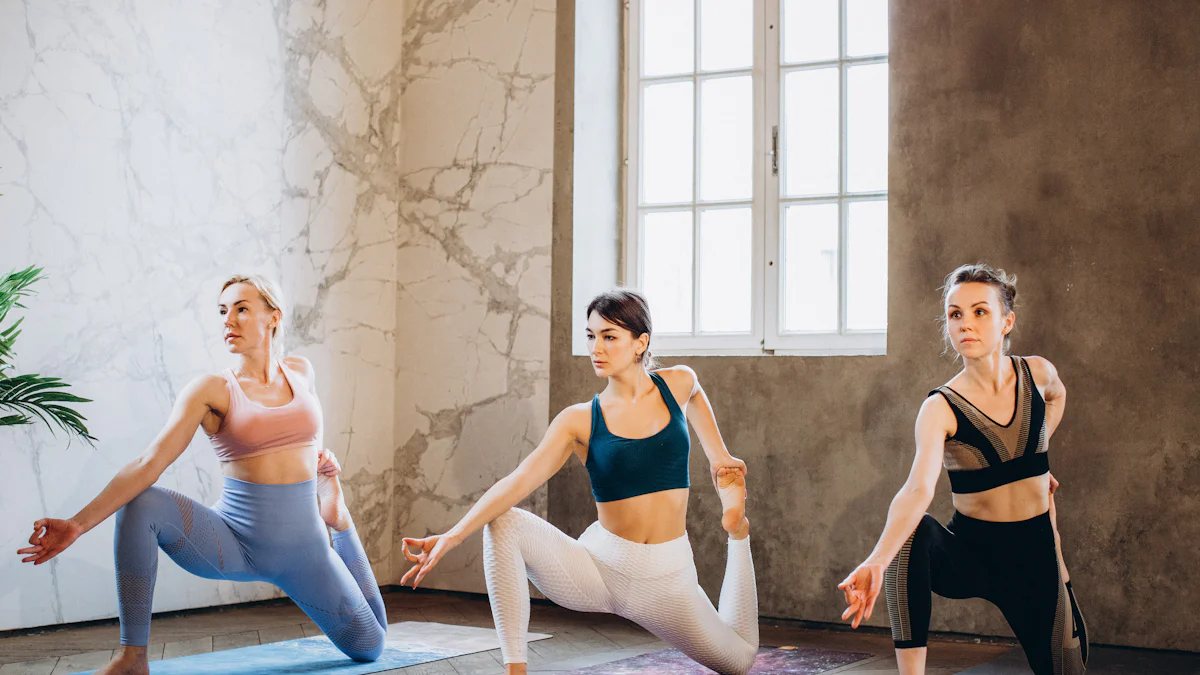
Balancing poses challenge your stability and focus. They build strength in your legs and core while enhancing your overall awareness. Let’s explore two essential balancing poses that will elevate your practice.
Tree Pose (Vrksasana)
Tree Pose is a classic balancing posture. Stand tall with your feet together. Shift your weight onto your left foot. Bend your right knee and place your right foot on your inner left thigh or calf. Avoid the knee. Bring your hands to your heart center or raise them overhead. Focus on a fixed point in front of you to help maintain your balance.
Dr. Hansaji Jayadeva Yogendra emphasizes, “Some principles apply in all balance poses: Remember your alignment.” Keep your body aligned and breathe steadily. This pose strengthens your legs and improves your concentration.
If you feel yourself wobbling, don’t panic. Step out gently and regain your balance. Regular practice will enhance your stability and confidence in this pose.
Half Moon Pose (Ardha Chandrasana)
Half Moon Pose takes your balance to the next level. Start in a standing position. Shift your weight onto your left leg and extend your right leg behind you. Lower your right hand to the floor or a block while raising your left arm toward the sky. Your body should form a straight line from your left foot to your fingertips.
Expert Insight: “Yoga confers balance. First, there’s the literal work of the balance poses, which will strengthen your lower legs and hone your proprioception.”
Keep your gaze fixed on a point in front of you. This helps stabilize your body. Engage your core and breathe deeply. This pose not only builds strength but also enhances your sense of body awareness.
Incorporating these balancing poses into your routine will help you master all yoga positions. They challenge you physically and mentally, promoting growth in your practice.
Restorative Poses
Restorative poses offer a gentle way to unwind and recharge. These postures focus on deep relaxation and tension release. You can use props like blankets, bolsters, or blocks to support your body. This support allows you to hold poses for longer periods, promoting a sense of calm and tranquility. Let’s explore two essential restorative poses that will enhance your practice.
Child's Pose (Balasana)
Child's Pose is a comforting position that encourages relaxation. Start by kneeling on the mat. Sit back on your heels and stretch your arms forward, resting your forehead on the ground. Feel free to widen your knees for more comfort. Breathe deeply and let your body sink into the earth.
Expert Insight: “Restorative yoga is a gentle meditative practice that emphasizes long holds and the abundant use of props. It allows the body to fully relax into the poses.”
This pose calms your mind and relieves stress. It stretches your back and hips, promoting flexibility. If you feel any tension, focus on your breath. Inhale deeply and exhale slowly. Allow each breath to melt away your worries.
Legs-Up-The-Wall Pose (Viparita Karani)
Legs-Up-The-Wall Pose is another fantastic restorative posture. Find a wall space and sit next to it. Lie back and swing your legs up against the wall. Your body should form an L-shape. Relax your arms at your sides, palms facing up. Close your eyes and breathe deeply.
Expert Testimony: “While more active yoga styles like Vinyasa Yoga might focus on building strength or flexibility, the purpose of Restorative Yoga is deep relaxation and tension release.”
This pose improves circulation and reduces fatigue. It also helps relieve tension in your lower back. Stay in this position for several minutes. Feel the gentle stretch in your legs and the calming effect on your mind.
Incorporating these restorative poses into your routine will help you master all yoga positions. They provide a perfect balance to your practice, allowing you to recharge and rejuvenate. Remember, yoga is not just about strength and flexibility; it’s also about finding peace within yourself.
Inversions
Inversions can transform your yoga practice. These poses turn your world upside down, offering unique benefits for your body and mind. They help improve circulation, boost energy levels, and enhance your overall sense of well-being. Let’s explore two essential inversion poses that will elevate your practice.
Downward Facing Dog (Adho Mukha Svanasana)
Downward Facing Dog is a foundational inversion pose. Start on all fours with your hands under your shoulders and knees under your hips. Tuck your toes and lift your hips up and back. Straighten your legs and press your heels toward the ground. Your body should form an inverted V shape.
Expert Testimony: Timothy Burgin, a yoga expert, explains, “Most people spend their entire waking lives walking and sitting upright, their hearts always below their heads. Inversion yoga poses ease the burden on our hearts and offer many unexpected benefits.”
Focus on your breath as you hold this pose. Feel the stretch in your hamstrings and shoulders. This pose strengthens your arms and legs while calming your mind. If you find it challenging, bend your knees slightly. This modification allows you to maintain proper alignment and comfort.
Shoulder Stand (Sarvangasana)
Shoulder Stand is another powerful inversion. Lie on your back and lift your legs overhead. Support your lower back with your hands as you raise your legs toward the ceiling. Keep your elbows close together and your neck relaxed. Your body should form a straight line from your shoulders to your toes.
Expert Insight: “Inversion poses have many health benefits, yet the ability to receive those benefits depends on your capacity to comfortably hold and breathe deeply in these sometimes challenging postures.”
Stay in this pose for several breaths. Feel the blood flow toward your heart, promoting relaxation and rejuvenation. If you experience discomfort, consider practicing modifications or focusing on other poses that build strength in your shoulders and core.
Incorporating these inversion poses into your routine will help you master all yoga positions. They challenge your body and mind, offering a fresh perspective on your practice. Embrace the journey of exploring inversions, and enjoy the transformative benefits they bring.
Tips for Improving Your Practice
Importance of Breath
Breath plays a vital role in your yoga practice. It connects your mind and body, enhancing your overall experience. When you focus on your breath, you create a rhythm that guides your movements. This mindfulness helps you stay present and centered.
Try this: as you flow through your poses, inhale deeply through your nose and exhale slowly through your mouth. Notice how this simple act calms your mind and reduces stress. Research shows that yogic breathing can improve mental health by promoting a more mindful outlook on stressors. You’ll find that with each breath, you can release tension and embrace relaxation.
Incorporating breath awareness into your practice can also increase your body awareness. This heightened awareness allows you to recognize when you need to adjust your posture or take a break. Remember, your breath is your anchor. Use it to guide you through all yoga positions.
Listening to Your Body
Listening to your body is crucial for a safe and effective yoga practice. Each time you step onto your mat, pay attention to how you feel. Your body communicates its needs, whether it’s a desire for more strength, flexibility, or rest.
When you practice, notice any discomfort or tension. If a pose feels wrong, modify it or skip it altogether. Yoga is not about pushing your limits; it’s about finding balance and harmony within yourself. Studies indicate that people who practice yoga develop greater body awareness, which helps prevent burnout. By tuning into your body, you can take better care of yourself and avoid injuries.
Embrace the journey of self-discovery through yoga. Allow your body to guide you, and trust that you know what’s best for yourself. This approach will enhance your practice and deepen your connection to all yoga positions.
Mastering all yoga positions takes time and dedication. Focus on the key steps for each pose, and remember to breathe deeply. Regular practice will lead to noticeable improvements in your strength, flexibility, and overall well-being. Be patient with yourself as you progress. Yoga offers incredible benefits, from reducing stress and anxiety to enhancing your physical health. Embrace this journey, and enjoy the transformation it brings to your life.
FAQ
What is the best time to practice yoga?
You can practice yoga at any time that fits your schedule. Many people enjoy morning sessions to start their day with energy. Others prefer evening practices to unwind and relax. Choose a time that feels right for you.
Do I need to be flexible to start yoga?
Not at all! Yoga welcomes everyone, regardless of flexibility. You can start with basic poses and gradually improve your flexibility over time. Focus on your progress, not perfection.
How often should I practice yoga?
Aim for at least two to three times a week. Consistency helps you build strength and flexibility. If you can practice daily, even better! Listen to your body and adjust your routine as needed.
What should I wear for yoga?
Wear comfortable clothing that allows you to move freely. Look for breathable fabrics that wick away sweat. Avoid overly loose clothing, as it may get in your way during poses.
Do I need any special equipment for yoga?
You don’t need much to start. A yoga mat is essential for comfort and grip. You might also find props like blocks, straps, or bolsters helpful, but they’re not necessary for beginners.
Can yoga help with stress relief?
Absolutely! Yoga promotes relaxation and mindfulness. The combination of breathwork and movement helps reduce stress and anxiety. Regular practice can lead to a calmer mind and a more balanced life.
Is yoga suitable for beginners?
Yes! Yoga is perfect for beginners. Many classes cater specifically to newcomers. Start with basic poses and gradually explore more advanced techniques as you gain confidence.
How do I know if I'm doing a pose correctly?
Focus on your alignment and listen to your body. If a pose feels uncomfortable or painful, adjust your position. You can also use mirrors or ask an instructor for feedback to ensure proper form.
Can I practice yoga if I have an injury?
Consult your doctor before starting yoga if you have an injury. Many poses can be modified to accommodate your needs. Always listen to your body and avoid pushing through pain.
What are the benefits of practicing yoga regularly?
Regular yoga practice improves flexibility, strength, and balance. It also enhances mental clarity and emotional well-being. You’ll likely notice reduced stress levels and an overall sense of peace in your life.
See Also
Simple Steps to Begin Your Yoga Journey
Five Essential Poses for Better Hip Flexibility
Achieving Greater Flexibility with Hatha Yoga Techniques
Hi my name is Lia and i am your host in this yoga journey in Portugal, Subscribe to our newsletter to receive every week the best of Yoga in Portugal.

We bring back the importance of initiation into womanhood by Roos-Veerle Krijnen & Ella-June Henrard
Welcome to the Women’s Initiation Retreat by Naked Truth Retreats, a transformative journey into the depths of your True Feminine Nature. This retreat invites you to remember the sacredness and wholeness of your being.
Roos-Veerle Krijnen & Ella-June Henrard