Unveiling the Legacy of the Lotus Pose in Yoga


The lotus pose, or Padmasana, holds a profound place in the history of yoga. This ancient posture, dating back to the time of the Buddha, serves as a cornerstone in traditional yoga practices. Its historical roots are evident in early statues of Buddha and Mahavira, showcasing its enduring presence. The lotus pose's spiritual importance is deeply embedded in ancient practices, symbolizing stability and enlightenment. In Hindu and Buddhist traditions, it represents purity and spiritual awakening. The lotus yoga background highlights its significance as a meditative posture, fostering inner peace and focus.
Origins and Symbolism of the Lotus Pose
Historical Roots
Ancient Indian Traditions
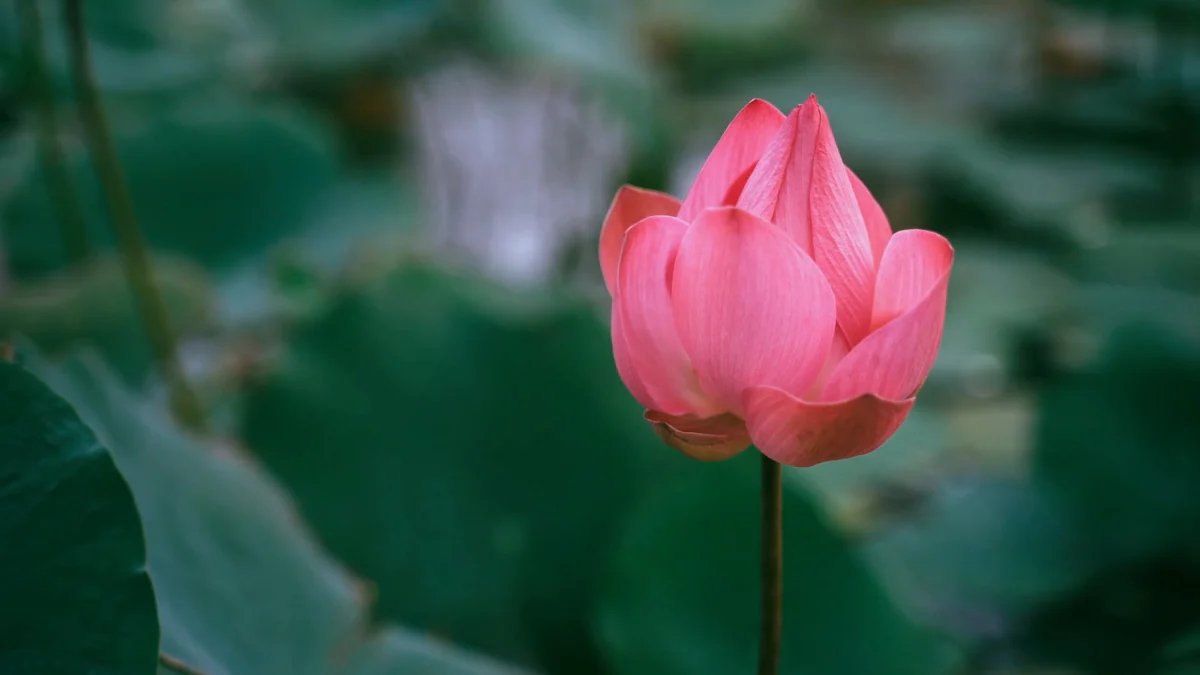
The lotus pose, known as Padmasana, has deep roots in ancient Indian traditions. This posture, resembling the unfolding petals of a lotus flower, symbolizes the journey towards spiritual awakening. In Hinduism, the lotus represents enlightenment and growth. It signifies purity of mind and the ability to perform duties with a pure heart, unaffected by external influences. The lotus yoga background highlights its association with the Crown Chakra, which is linked to spiritual consciousness.
Connection to Hindu and Buddhist Practices
In both Hindu and Buddhist practices, the lotus pose holds significant spiritual value. Many deities in Hindu iconography, such as Lord Brahma and Saraswati, are depicted seated on lotus flowers. This imagery emphasizes the divine connection and spiritual purity associated with the lotus. In Buddhism, the lotus symbolizes purity of body, speech, and mind. It represents the ability to rise above material attachments and desires. The lotus yoga background in these traditions underscores its role as a meditative posture that fosters spiritual growth.
Symbolic Meaning
Representation of Purity and Enlightenment
The lotus pose embodies the essence of purity and enlightenment. Just as the lotus flower rises from muddy waters to bloom beautifully, practitioners of Padmasana strive to transcend worldly challenges and achieve spiritual clarity. This symbolism resonates deeply within the yoga community, reflecting the desire to attain a higher state of being and a purer way of living. The lotus yoga background serves as a metaphor for personal growth and spiritual progress.
Symbolism in Art and Literature
Throughout history, the lotus has been a prominent symbol in art and literature. In Hindu and Buddhist texts, the lotus often appears as a metaphor for spiritual awakening and divine beauty. Statues and paintings frequently depict deities seated on lotus thrones, signifying their elevated status and spiritual purity. The lotus yoga background in these cultural expressions highlights its enduring legacy as a symbol of enlightenment and transcendence.
Depiction in Ancient Texts
References in Yoga Sutras
Patanjali's mention of the pose
The Yoga Sutras of Patanjali stand as a foundational text in the study of yoga. Within these sutras, Patanjali highlights the lotus pose, or Padmasana, as a significant posture for meditation. He emphasizes its role in achieving a stable and comfortable seat, which is essential for prolonged meditation sessions. The lotus yoga background in Patanjali's work underscores its importance in fostering mental focus and spiritual growth. By adopting this posture, practitioners can cultivate a sense of inner peace and stability, aligning with the broader goals of yoga practice.
Interpretations by ancient scholars
Ancient scholars have provided various interpretations of the lotus pose, enriching its significance in the yoga tradition. These interpretations often focus on the symbolic aspects of the posture, linking it to concepts of purity and enlightenment. Scholars have noted that the lotus yoga background reflects the journey of the soul towards spiritual awakening, much like the lotus flower rising from muddy waters. This metaphorical understanding has been passed down through generations, reinforcing the pose's enduring legacy in yoga philosophy.
Other Historical Texts
Mentions in the Bhagavad Gita
The Bhagavad Gita, another pivotal text in Indian philosophy, also references the lotus pose. In this scripture, the lotus symbolizes detachment and spiritual transcendence. The text encourages practitioners to remain unaffected by worldly distractions, much like the lotus flower remains untouched by the mud from which it grows. This imagery aligns with the lotus yoga background, highlighting the pose's role in promoting a balanced and focused mind. By embodying the qualities of the lotus, individuals can strive for a higher state of consciousness and spiritual fulfillment.
Descriptions in Tantric texts
Tantric texts provide further insights into the lotus pose, emphasizing its energetic and transformative properties. These texts describe how the posture can activate energy centers within the body, facilitating a harmonious flow of energy. The lotus yoga background in Tantric traditions underscores its potential to awaken the kundalini energy, leading to spiritual enlightenment. Practitioners are encouraged to adopt the lotus pose as a means of deepening their meditation practice and enhancing their spiritual journey. Through this posture, individuals can connect with their inner selves and experience profound states of awareness.
Spiritual and Physical Benefits
Spiritual Benefits
Enhancing meditation and focus
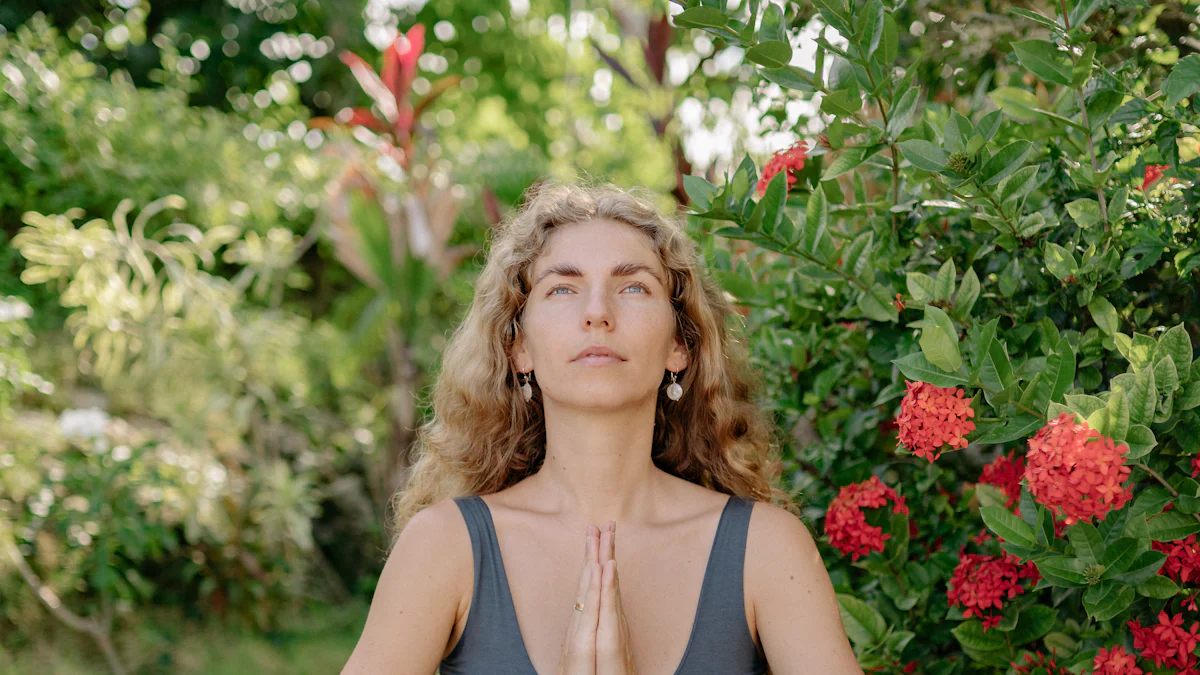
The lotus pose, or Padmasana, serves as an ideal posture for meditation. Practitioners find that it enhances focus and concentration, creating a conducive environment for mindfulness. By aligning the spine vertically, the pose facilitates a steady flow of energy, which aids in deepening meditation practices. This alignment not only supports concentration but also nurtures cognitive abilities, allowing individuals to achieve mental clarity and emotional balance.
Promoting inner peace and balance
Padmasana fosters a sense of stability and peace. The posture encourages practitioners to explore their spiritual depths, promoting a harmonious connection between the mind and body. As individuals settle into the pose, they often experience a calming effect, which contributes to inner peace. This tranquility extends beyond the practice, helping individuals maintain emotional balance in their daily lives. The lotus pose thus becomes a gateway to spiritual exploration and personal growth.
Physical Benefits
Improving flexibility and posture
The lotus pose significantly improves flexibility, particularly in the hips. By regularly practicing Padmasana, individuals enhance their hip flexibility, which in turn promotes better spinal alignment. This alignment reduces strain on the back and fosters a strong posture. The pose also contributes to overall body awareness, helping practitioners correct their posture and maintain a balanced stance. As a result, individuals experience improved physical well-being and a greater sense of harmony.
Strengthening the lower body
In addition to enhancing flexibility, Padmasana strengthens the lower body. The posture engages the core muscles, providing stability and support. This engagement not only strengthens the lower body but also aligns the spine, contributing to a robust and healthy posture. By practicing the lotus pose, individuals develop a strong foundation, which supports their overall physical health. The benefits extend to the upper body as well, as the pose stretches the legs and strengthens the upper back and spine.
Relevance in Modern Yoga Practice
Contemporary Applications
The lotus pose, or Padmasana, continues to hold a significant place in modern yoga practice. Its integration into meditation and mindfulness practices remains prevalent. Practitioners often choose this posture for its ability to calm the mind and body. By sitting in the lotus pose, individuals can achieve a state of tranquility, which enhances their meditation experience. This posture supports the alignment of the spine, promoting a steady flow of energy that aids in maintaining focus during meditation sessions.
In addition to its use in meditation, the lotus pose finds its way into various yoga styles. Many yoga classes incorporate Padmasana as a foundational posture, emphasizing its importance in achieving balance and stability. The lotus yoga background highlights its versatility, making it suitable for different yoga practices. Whether in Hatha, Vinyasa, or Ashtanga yoga, the lotus pose serves as a symbol of spiritual growth and physical discipline.
Preparatory Poses and Techniques
Achieving the lotus pose requires preparation and practice. Practitioners often engage in stretching and flexibility exercises to prepare their bodies for this challenging posture. These exercises focus on opening the hips, knees, and ankles, which are crucial for performing Padmasana comfortably. Regular practice of these preparatory poses enhances flexibility and reduces the risk of injury.
For beginners, step-by-step guidance is essential in mastering the lotus pose. Instructors often provide detailed instructions, breaking down the posture into manageable steps. This approach helps beginners understand the alignment and positioning required for Padmasana. By following these guidelines, individuals can gradually build the strength and flexibility needed to perform the lotus pose safely.
"Lotus pose eventually became doable for me after a regular 6 day/week yoga practice about 6 years ago. Most days I can do it just fine but there are still days when it doesn’t feel right and on these days I leave it alone." - A personal account highlights the importance of consistent practice and listening to one's body.
The lotus yoga background emphasizes the significance of patience and perseverance in achieving this posture. As practitioners progress, they often find that the lotus pose becomes more accessible, reflecting their dedication to their yoga journey.
Challenges and Considerations
Common Difficulties
Physical limitations and adaptations
The lotus pose, or Padmasana, presents several physical challenges. Many practitioners encounter difficulties due to tight hips, knees, or ankles. These areas require significant flexibility, which not everyone possesses naturally. Individuals with recent injuries in these joints should avoid attempting the pose. Practicing under the guidance of an experienced instructor can help. They can provide modifications and adaptations to accommodate physical limitations. For instance, using props like yoga blocks or cushions can support the knees and hips, making the pose more accessible.
Overcoming mental barriers
Mental barriers also play a role in mastering the lotus pose. Fear of injury or discomfort can hinder progress. Practitioners must cultivate patience and persistence. Regular practice and mindfulness can help overcome these mental obstacles. Visualization techniques can also aid in building confidence. By imagining themselves successfully achieving the pose, individuals can gradually reduce anxiety and increase their willingness to attempt it.
Safety and Precautions
Avoiding injury
Safety remains paramount when practicing the lotus pose. Stretching before attempting the posture is crucial. This preparation helps warm up the muscles and increases flexibility, reducing the risk of injury. Practitioners should listen to their bodies and avoid forcing themselves into the pose. Pain or discomfort signals the need to stop and reassess. Maintaining proper alignment and posture prevents strain on the joints.
Consulting with a yoga instructor
Working with a knowledgeable yoga instructor offers significant benefits. They can provide personalized guidance and adjustments. An instructor can identify incorrect alignments and suggest corrections, ensuring a safer practice. Richard Rosen, a respected yoga teacher, emphasizes the importance of vigilance when practicing the lotus pose. He advises students to work with experienced teachers, especially if they have issues with their knees, hips, or lower back. This professional support enhances the learning experience and promotes a safe and effective practice.
The Enduring Legacy of the Lotus Pose
Cultural Impact
The lotus pose, or Padmasana, has left a significant mark on global yoga practices. Its presence in yoga studios worldwide highlights its universal appeal and importance. Practitioners across different cultures embrace this posture for its meditative benefits and symbolic meaning. The lotus yoga background emphasizes the desire to rise above challenges and achieve a higher state of being. This aspiration resonates with individuals seeking personal growth and spiritual enlightenment.
In popular culture, the lotus pose often appears in media and art. Films, books, and advertisements frequently depict characters in this iconic posture, symbolizing peace and introspection. The lotus yoga background serves as a metaphor for purity and transformation, making it a powerful image in storytelling. This representation reinforces the pose's enduring legacy and its role in promoting mindfulness and self-awareness.
Future of the Lotus Pose
The future of the lotus pose lies in its evolving interpretations and practices. As yoga continues to grow globally, practitioners explore new ways to incorporate Padmasana into their routines. Innovations in yoga styles and techniques offer fresh perspectives on this ancient posture. The lotus yoga background inspires creativity and adaptation, allowing individuals to personalize their practice and deepen their connection to the pose.
Despite these changes, the lotus pose maintains its relevance in spiritual traditions. Its association with meditation and enlightenment ensures its continued importance in yoga philosophy. Practitioners value the lotus yoga background for its ability to foster inner peace and balance. As they strive for spiritual fulfillment, the lotus pose remains a guiding force, encouraging them to transcend worldly distractions and embrace a purer way of living.
The lotus pose, or Padmasana, stands as a testament to yoga's rich history and spiritual depth. It symbolizes purity and enlightenment, deeply rooted in ancient traditions. Practitioners value its ability to enhance meditation, offering stability and peace. In modern yoga, the pose remains relevant, promoting mental clarity and emotional balance. Its transformative impact on posture and core strength further underscores its significance. As yoga evolves, the lotus pose continues to inspire spiritual exploration and self-discovery, ensuring its enduring legacy in the practice of yoga.
See Also
Exploring The Roots And History Of Tantra Yoga
Embracing Acceptance Through Thai Yoga In The Nude
Tips For Perfecting The Standing Half Split Pose

Hi my name is Lia and i am your host in this yoga journey in Portugal, Subscribe to our newsletter to receive every week the best of Yoga in Portugal.

We bring back the importance of initiation into womanhood by Roos-Veerle Krijnen & Ella-June Henrard
Welcome to the Women’s Initiation Retreat by Naked Truth Retreats, a transformative journey into the depths of your True Feminine Nature. This retreat invites you to remember the sacredness and wholeness of your being.
Roos-Veerle Krijnen & Ella-June Henrard