Unlock Your Back with Latissimus Dorsi Yoga Stretches

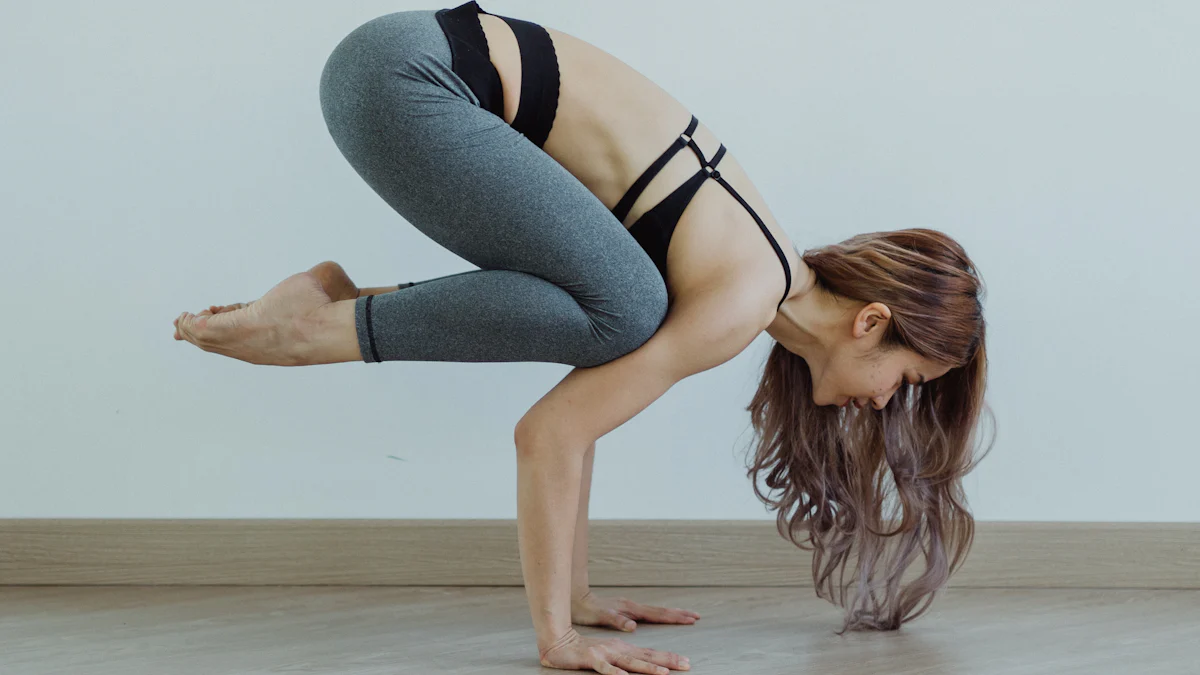
Yoga offers a powerful way to stretch your latissimus dorsi, enhancing your back's flexibility. Improved flexibility in your back promotes overall mobility, allowing you to move with ease. Regular stretching not only alleviates tension but also supports better posture. Research shows that individuals practicing yoga experience reduced pain levels and improved physical health. Embrace these benefits and unlock a healthier back through targeted latissimus dorsi stretch yoga.
Key Takeaways
Incorporate latissimus dorsi stretches into your routine at least two to three times a week to enhance flexibility and reduce back tension.
Practice poses like Child's Pose and Puppy Pose to effectively target and stretch the latissimus dorsi, promoting better posture and mobility.
Focus on maintaining proper form during stretches by engaging your core and relaxing your shoulders to maximize benefits and prevent injury.
Listen to your body; stretching should feel like a gentle pull, not pain. If you experience discomfort, adjust your position or consult a professional.
Regular stretching of the latissimus dorsi can alleviate back pain and improve overall physical health, making daily activities easier and more enjoyable.
Use deep, steady breaths during your stretches to enhance relaxation and effectiveness, allowing your muscles to lengthen properly.
Make stretching a part of your daily routine, whether in the morning or as a break during your day, to unlock a healthier, more mobile you.
Understanding the Latissimus Dorsi Stretch Yoga
Anatomy of the Latissimus Dorsi
The latissimus dorsi is one of the largest muscles in your back. It spans from your lower back to the mid-back and extends to the sides of your trunk. This muscle connects your upper arm bone to your spine and hip. Its primary functions include shoulder adduction, extension, and internal rotation. You rely on this muscle for various movements, such as swimming, climbing, and even getting up from a chair.
Understanding the anatomy of the latissimus dorsi helps you appreciate its role in your overall mobility. When this muscle remains tight, it can limit your arm movement and contribute to discomfort in your back and shoulders. Regularly incorporating latissimus dorsi stretch yoga into your routine can help maintain its flexibility and function.
Importance of Stretching This Muscle
Stretching the latissimus dorsi offers numerous benefits. First, it enhances your range of motion. Improved flexibility allows you to perform daily activities with greater ease. Second, stretching this muscle supports better posture. Tight lats can pull your shoulders forward, leading to slouched posture. By stretching, you counteract this tendency and promote a more upright position.
Additionally, regular stretching can alleviate tension in your back. When you engage in latissimus dorsi stretch yoga, you reduce the risk of injuries related to overuse or poor form. Research indicates that tight latissimus dorsi muscles can contribute to rotator cuff injuries. Therefore, maintaining flexibility through targeted stretches can protect your shoulders and enhance your overall strength.
Incorporating these stretches into your routine not only benefits your back but also improves your athletic performance. Whether you enjoy sports or simply want to move better, focusing on your latissimus dorsi can make a significant difference.
Effective Yoga Poses for Stretching the Latissimus Dorsi
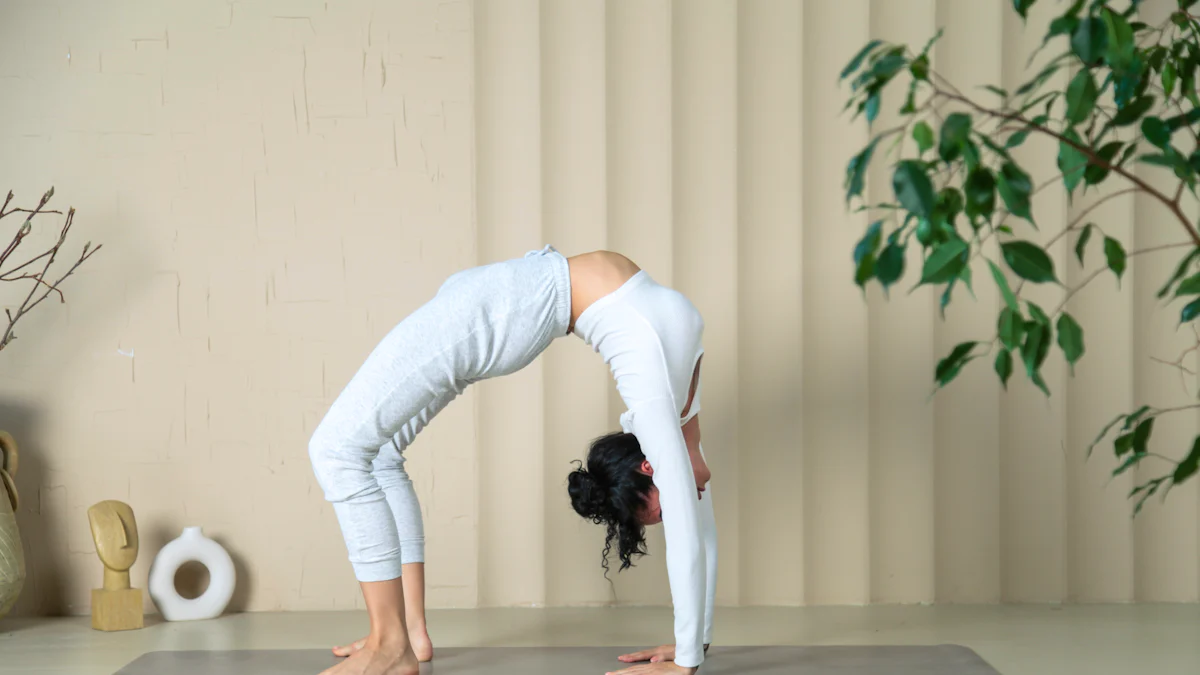
Child's Pose
Child's Pose serves as a gentle yet effective stretch for your latissimus dorsi. Start by kneeling on the floor. Sit back on your heels and extend your arms forward on the mat. Allow your forehead to rest on the ground. This position elongates your spine and opens up your back. As you breathe deeply, feel the stretch in your lats. Hold this pose for several breaths. You will notice how it releases tension in your back and shoulders.
Puppy Pose
Puppy Pose is another excellent option for targeting the latissimus dorsi. Begin on all fours, ensuring your hands are directly under your shoulders and your knees under your hips. Slowly walk your hands forward while keeping your hips above your knees. Lower your chest toward the ground, allowing your head to hang. This pose stretches your lats and opens your shoulders. Maintain this position for a few breaths. You will feel a deep stretch along your sides and back.
Side Stretch
The Side Stretch effectively targets the latissimus dorsi while improving flexibility. Stand tall with your feet hip-width apart. Raise one arm overhead and lean gently to the opposite side. Keep your hips stable as you feel the stretch along the side of your body. Hold this position for a few breaths before switching sides. This simple movement enhances your range of motion and helps prevent tightness in your lats.
Incorporating these poses into your routine can significantly improve your back health. Regular practice of latissimus dorsi stretch yoga not only enhances flexibility but also alleviates discomfort.
Tips for Maintaining Proper Form
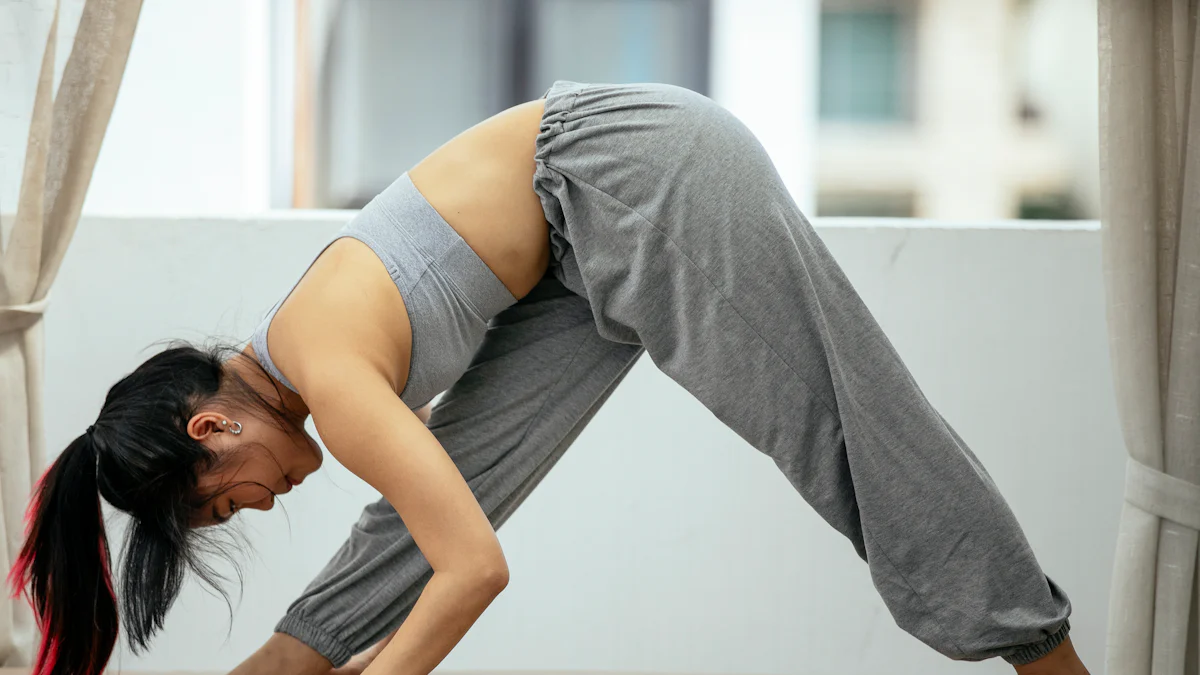
Common Mistakes to Avoid
When practicing latissimus dorsi stretches, you may encounter several common mistakes that can hinder your progress. Here are some pitfalls to watch out for:
Rushing Through Poses: Take your time in each stretch. Moving too quickly can prevent you from fully engaging the muscles you want to target.
Neglecting Breath: Your breath plays a crucial role in stretching. Holding your breath can create tension in your body. Focus on deep, steady breaths to enhance relaxation and effectiveness.
Overextending: Pushing your body too far can lead to injury. Listen to your body and avoid forcing any stretch. You should feel a gentle pull, not pain.
Incorrect Alignment: Misalignment can reduce the effectiveness of your stretches. Ensure your body maintains proper form to target the latissimus dorsi effectively.
Poor stretching technique can significantly reduce your flexibility gains. If you do not target the muscles correctly, you miss out on the benefits of the stretch.
Cues for Better Alignment
To achieve better alignment during your latissimus dorsi stretches, consider these helpful cues:
Engage Your Core: Activating your core muscles helps stabilize your body. This engagement supports your spine and enhances your overall posture.
Keep Your Shoulders Relaxed: Tension in your shoulders can limit your range of motion. Focus on relaxing your shoulders away from your ears as you stretch.
Align Your Hips: Ensure your hips remain level during side stretches. This alignment prevents unnecessary strain on your lower back.
Focus on Your Arms: When reaching overhead, keep your arms aligned with your ears. This positioning allows for a more effective stretch of the latissimus dorsi.
By following these cues, you can maintain proper form and maximize the benefits of your latissimus dorsi stretches. Remember, consistency and mindfulness in your practice will lead to improved flexibility and overall back health.
Addressing Common Concerns
How Often Should You Stretch?
You should aim to stretch your latissimus dorsi at least two to three times a week. Consistency is key to improving flexibility and reducing tension. If you feel particularly tight or sore, consider adding a gentle stretching session on those days. Listen to your body. If you experience soreness from a previous workout, opt for restorative yoga focused on relieving muscle discomfort. This approach allows your body to recover while still benefiting from the stretches.
What If You Feel Pain?
Pain during stretching can signal that you are pushing your body too far. Always prioritize comfort over intensity. If you feel sharp or intense pain, stop the stretch immediately. Instead, focus on gentle movements that allow you to ease into the stretch. Remember, stretching should feel like a gentle pull, not a painful experience. If pain persists, consult a healthcare professional to rule out any underlying issues.
Can These Stretches Help with Back Pain?
Yes, incorporating latissimus dorsi stretches into your routine can significantly alleviate back pain. Tight lats often contribute to discomfort in the back and shoulders. By regularly stretching this muscle, you promote better posture and reduce tension. Research shows that individuals who practice targeted stretches experience less pain and improved mobility.
Stretching the latissimus dorsi through yoga offers numerous benefits. You enhance your flexibility, improve your posture, and alleviate back tension. Incorporate these stretches into your routine for better back health. Remember to listen to your body and progress at your own pace. Consistency is key. Regular practice not only strengthens your back but also boosts your overall well-being. Embrace these practices to unlock a healthier, more mobile you.
FAQ
What can I do in yoga to help the latissimus dorsi muscle?
You can practice several asanas to strengthen your latissimus dorsi. Consider trying Purvottanasana (Upward Plank Pose) and Lolasana (Dangling Pose). These poses engage your lats effectively. Additionally, transitioning from Adho Mukha Svanasana (Downward-Facing Dog) to Dandasana (Staff Pose) also targets this muscle. Incorporating these poses into your routine can enhance your strength and flexibility.
What are some effective stretches to relieve latissimus dorsi pain?
To relieve pain in your latissimus dorsi, try a simple doorway stretch. Stand in a doorway and place your hands on the doorframe at shoulder height. Step forward with one foot while keeping your back straight. You should feel a stretch across your chest and lats. Hold this position for 30 seconds, then switch sides. This stretch can help alleviate tightness and discomfort.
What exercises can help relieve latissimus dorsi pain?
Several exercises can effectively relieve latissimus dorsi pain. Focus on gentle stretches and strengthening movements. Incorporate exercises like Child's Pose and Puppy Pose into your routine. These poses promote flexibility and reduce tension. You can also perform side stretches to target the lats directly. Regular practice of these movements can lead to significant relief.
How can I improve my flexibility in the latissimus dorsi?
To improve flexibility in your latissimus dorsi, commit to regular stretching. Aim to stretch at least two to three times a week. Incorporate poses that open up your shoulders and sides. Poses like Side Stretch and Cow Pose can be particularly beneficial. Focus on deep breathing during your stretches to enhance relaxation and effectiveness.
Can I practice these stretches if I have a previous injury?
If you have a previous injury, approach these stretches with caution. Always listen to your body. If a stretch causes pain, stop immediately. Consider consulting a healthcare professional before starting any new stretching routine. They can provide personalized guidance based on your specific condition.
How long should I hold each stretch?
Aim to hold each stretch for 20 to 30 seconds. This duration allows your muscles to relax and lengthen effectively. Focus on your breath during this time. Deep, steady breaths can enhance the stretch and promote relaxation. If you feel comfortable, you can gradually increase the hold time as your flexibility improves.
Is it normal to feel discomfort while stretching?
You may feel mild discomfort during stretching, but it should never be painful. Stretching should feel like a gentle pull in the muscle. If you experience sharp or intense pain, stop the stretch immediately. Adjust your position or choose a gentler stretch. Always prioritize comfort over intensity.
How can I incorporate these stretches into my daily routine?
Incorporate latissimus dorsi stretches into your daily routine by setting aside dedicated time. Consider practicing in the morning to start your day with flexibility. Alternatively, use these stretches as a break during your workday. Even a few minutes of stretching can make a difference in your overall mobility.
Can these stretches help with my posture?
Yes, incorporating latissimus dorsi stretches can significantly improve your posture. Tight lats often contribute to slouched shoulders. By regularly stretching this muscle, you promote a more upright position. Improved posture can lead to reduced tension and discomfort in your back and shoulders.
What should I do if I don’t see improvement?
If you don’t see improvement after a few weeks, reassess your routine. Ensure you practice consistently and maintain proper form. Consider varying your stretches to target different areas. If you continue to struggle, consult a yoga instructor or healthcare professional for personalized advice. They can help you identify any adjustments needed for your practice.
See Also
Achieving Proficiency in the Standing Half Split Pose
Yoga Techniques to Harmonize Your Svadhisthana Chakra
Safely Practicing Inverted Yoga Poses at Home

Hi my name is Lia and i am your host in this yoga journey in Portugal, Subscribe to our newsletter to receive every week the best of Yoga in Portugal.

We bring back the importance of initiation into womanhood by Roos-Veerle Krijnen & Ella-June Henrard
Welcome to the Women’s Initiation Retreat by Naked Truth Retreats, a transformative journey into the depths of your True Feminine Nature. This retreat invites you to remember the sacredness and wholeness of your being.
Roos-Veerle Krijnen & Ella-June Henrard