How Kundalini Yoga Transforms the Mind of Those with PTSD

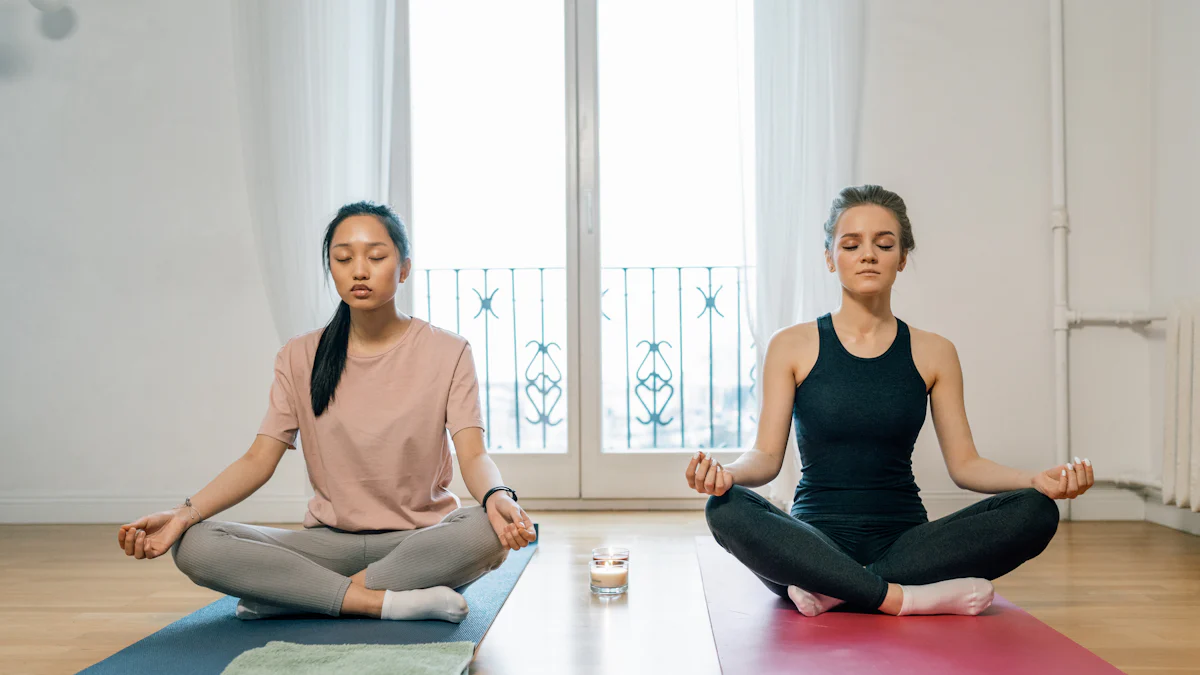
Kundalini Yoga for PTSD offers a transformative path for healing from trauma. This practice reshapes your mind and emotional state, allowing you to reclaim your life. Central to this journey is Kirtan Kriya, a powerful technique that rewires your brain. Engaging in this practice reduces anxiety and fosters emotional resilience. You can experience profound changes as you connect with your inner self and cultivate a sense of peace.
Key Takeaways
Kundalini Yoga, particularly Kirtan Kriya, is a powerful practice that can help individuals with PTSD reclaim their mental and emotional well-being.
Regular practice of Kundalini Yoga can significantly reduce symptoms of anxiety, depression, and PTSD, leading to improved overall mental health.
Engaging in Kirtan Kriya for just twelve minutes a day can enhance cognitive abilities and emotional stability, promoting neuroplasticity in the brain.
The combination of physical postures, breath control, and meditation in Kundalini Yoga fosters emotional resilience and helps manage stress effectively.
Participating in Kundalini Yoga classes can create a supportive community, providing a safe space for individuals to share their experiences and heal together.
Incorporating Kundalini Yoga into your routine can lead to profound transformations, including better sleep, mood, and emotional regulation.
To maximize benefits, aim to practice Kundalini Yoga three to four times a week, ensuring consistency in your healing journey.
Understanding PTSD and Its Impact on the Mind

The Nature of PTSD
Post-Traumatic Stress Disorder (PTSD) arises after you experience or witness a traumatic event. This condition disrupts your mental and emotional well-being. You may feel trapped in a cycle of distress, reliving the trauma through flashbacks or nightmares. The impact of PTSD extends beyond your mind; it can affect your body and relationships. Research shows that PTSD often leads to significant psychological distress and social impairments. You might find it challenging to connect with others or engage in daily activities.
Common Symptoms and Challenges
Recognizing the symptoms of PTSD is crucial for your healing journey. Common signs include:
Intrusive memories or flashbacks
Avoidance of reminders related to the trauma
Heightened anxiety or hypervigilance
Emotional numbness or detachment
Difficulty concentrating or sleeping
These symptoms can create barriers in your life. You may struggle with anxiety, depression, or even physical health issues. Studies indicate that individuals with a history of anxiety disorders or depression are more likely to develop PTSD. The challenges can feel overwhelming, but understanding them is the first step toward recovery.
Kundalini yoga for PTSD offers a pathway to healing. This practice helps you reconnect with your body and emotions, fostering resilience and hope. Embracing this journey can lead to profound transformations in your mental landscape.
The Basics of Kundalini Yoga for PTSD
What is Kundalini Yoga?
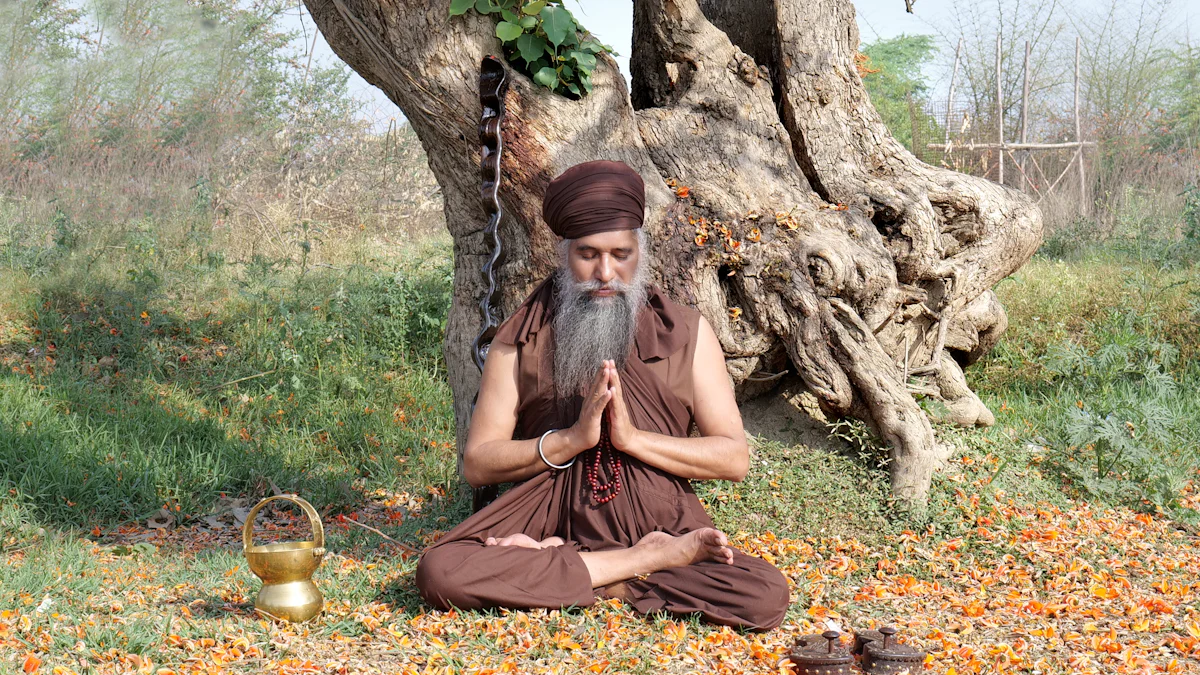
Kundalini Yoga combines physical postures, breath control, and meditation to awaken your inner energy. This practice focuses on the kundalini, a dormant energy believed to reside at the base of your spine. Through specific techniques, you can activate this energy, promoting healing and self-discovery. Kundalini Yoga emphasizes the connection between mind, body, and spirit. You engage in movements that release tension and enhance your awareness. This holistic approach makes it a powerful tool for those dealing with PTSD.
Key Components of the Practice
Kundalini Yoga consists of several key components that work together to facilitate healing:
Asanas (Postures): These physical exercises help release stored trauma in your body. They improve flexibility and strength while calming your nervous system.
Pranayama (Breath Control): Breathwork plays a crucial role in regulating your emotions. Techniques like breath of fire energize you, while deep breathing promotes relaxation.
Meditation: This practice allows you to quiet your mind and connect with your inner self. Meditation fosters mindfulness, helping you observe your thoughts without judgment.
Mantras: Chanting specific sounds or phrases can shift your mental state. Mantras create vibrations that resonate within you, promoting healing and emotional release.
Mudras (Hand Gestures): These symbolic hand positions enhance your meditation practice. Mudras help channel energy and focus your intention.
Research supports the effectiveness of Kundalini Yoga for mental health. A systematic review found that this practice significantly reduces symptoms of anxiety, depression, and PTSD. It improves overall well-being, making it a promising intervention for those seeking relief.
By engaging in Kundalini Yoga for PTSD, you can reclaim your sense of self and foster resilience. Each component of the practice contributes to your healing journey, allowing you to navigate the challenges of PTSD with greater ease.
Kirtan Kriya: A Deep Dive
Overview of Kirtan Kriya
Kirtan Kriya stands out as a powerful practice within Kundalini Yoga for PTSD. This technique combines movement, breath, and sound to create a holistic healing experience. You engage in a series of simple yet profound actions that activate your mind and body. The practice involves chanting a mantra while performing specific hand gestures and focusing on your breath. This unique combination helps you connect deeply with your inner self.
Research highlights the effectiveness of Kirtan Kriya in promoting brain change. A study found that this practice recruits brain regions linked to attention and learning. By participating in Kirtan Kriya, you can enhance your cognitive abilities and emotional well-being. Just twelve minutes of practice daily can lead to significant improvements in mood and memory.
The Role of Chanting and Mantra
Chanting plays a crucial role in Kirtan Kriya. When you chant, you create vibrations that resonate throughout your body. These vibrations help release tension and promote relaxation. The specific mantra used in Kirtan Kriya serves as a focal point for your mind. This focus allows you to quiet racing thoughts and cultivate a sense of peace.
The benefits of chanting extend beyond relaxation. Studies show that it can reduce anxiety and improve overall mental health. Engaging in this practice can help you shift from a state of reactivity to one of calm and safety. As you chant, you may notice a decrease in PTSD symptoms, such as intrusive memories and heightened anxiety.
Kirtan Kriya not only aids in emotional regulation but also fosters a sense of community. Many practitioners find support and connection through shared experiences. This communal aspect enhances the healing process, making it easier for you to navigate the challenges of PTSD.
How Kirtan Kriya Affects the Brain
Neuroplasticity and Healing
Kirtan Kriya plays a vital role in promoting neuroplasticity, the brain's ability to reorganize itself by forming new neural connections. This process is essential for healing from trauma. When you practice Kirtan Kriya, you actively engage your mind and body, which stimulates brain regions associated with memory and learning. Research shows that practicing Kirtan Kriya for just twelve minutes daily can lead to significant cognitive improvements. You enhance your mental clarity and emotional stability as you activate these brain areas.
The benefits extend beyond cognition. Kirtan Kriya also supports emotional healing. It helps you manage PTSD symptoms by fostering resilience and reducing anxiety. Studies indicate that this practice can increase grey matter density in specific brain regions, which correlates with improved emotional regulation. As you embrace Kirtan Kriya, you empower your brain to heal and adapt, paving the way for a brighter future.
Brainwave Changes During Practice
Engaging in Kirtan Kriya induces notable changes in your brainwave patterns. During practice, you may experience shifts from beta waves, associated with active thinking and anxiety, to alpha and theta waves, which promote relaxation and creativity. These brainwave changes create a calming effect, allowing you to release stress and tension.
Research highlights that Kirtan Kriya activates brain regions linked to the attentional network and default mode network. This activation enhances your focus and self-awareness. As you chant and meditate, you cultivate a sense of inner peace and clarity. The rhythmic nature of the practice encourages a meditative state, making it easier for you to connect with your emotions and thoughts.
By incorporating Kirtan Kriya into your routine, you not only transform your mental landscape but also foster a deeper connection with yourself. This practice empowers you to navigate the challenges of PTSD with greater ease and resilience.
Emotional and Psychological Benefits of Kundalini Yoga for PTSD
Reducing Anxiety and Depression
Kundalini yoga for PTSD offers a powerful way to reduce anxiety and depression. Regular practice can lead to significant improvements in your mental health. Studies show that engaging in yoga over eight to twelve weeks can result in moderate reductions in anxiety and depressive symptoms. You may find that the combination of movement, breath control, and meditation helps you release pent-up emotions and stress.
When you practice Kundalini yoga, you focus on your breath and body. This focus promotes mindfulness, allowing you to observe your thoughts without judgment. As you become more aware of your emotional state, you can better manage feelings of anxiety and sadness. Research indicates that yoga encourages attention toward emotional stimuli, helping you process your feelings more effectively.
Incorporating Kundalini yoga into your routine can transform your emotional landscape. You may notice a shift in your mood and an increase in your overall sense of well-being. The practice not only calms your mind but also empowers you to face challenges with greater resilience.
Enhancing Emotional Regulation
Kundalini yoga enhances your ability to regulate emotions. This practice teaches you techniques to manage stress and emotional responses. As you engage in the various components of Kundalini yoga, you develop skills that help you respond to triggers more calmly.
The rhythmic nature of the practice fosters a sense of inner peace. You learn to connect with your breath, which serves as an anchor during difficult moments. This connection allows you to pause and reflect before reacting, promoting healthier responses to stressors.
Research supports the idea that yoga can improve emotional regulation. Practicing Kundalini yoga can increase grey matter density in brain regions associated with emotional control. As you cultivate this skill, you empower yourself to navigate the ups and downs of life with grace and confidence.
By embracing Kundalini yoga for PTSD, you embark on a journey toward emotional healing. You reclaim your power over anxiety and depression, fostering a sense of balance and stability in your life.
Real-Life Transformations Through Kundalini Yoga
Case Studies and Testimonials
Many individuals have experienced profound transformations through Kundalini Yoga for PTSD. Their stories inspire hope and demonstrate the practice's effectiveness. For instance, one participant shared, “After just a few weeks of practicing Kirtan Kriya, I felt a shift in my mind. The intrusive thoughts that haunted me began to fade.” This personal account highlights how Kirtan Kriya can help you reclaim your mental space.
Another individual noted, “I struggled with anxiety and depression for years. Kundalini Yoga taught me to reconnect with my body. I finally felt safe and calm.” This testimony underscores the importance of movement, breath, and mantra in healing trauma. Research supports these experiences, showing that Kundalini Yoga significantly reduces symptoms of anxiety, depression, and PTSD.
You can find strength in these stories. They remind you that healing is possible. Many practitioners report improved sleep, mood, and resilience after incorporating Kundalini Yoga into their lives. A randomized controlled study confirmed these findings, revealing significant improvements in PTSD symptoms and overall well-being.
Community and Support Systems
Engaging in Kundalini Yoga often leads to a sense of community. You connect with others who share similar experiences. This support system can be invaluable on your healing journey. Many practitioners find comfort in group classes, where they can share their struggles and triumphs.
The communal aspect of Kundalini Yoga fosters a safe space for vulnerability. You can express your feelings without judgment. This environment encourages healing and growth. As you practice together, you build connections that enhance your emotional resilience.
Moreover, many organizations offer trauma-informed Kundalini Yoga classes. These programs focus on creating a supportive atmosphere tailored to your needs. You can explore your emotions while learning techniques to manage stress and anxiety.
Kundalini Yoga, especially through Kirtan Kriya, serves as a powerful tool for you to transform your mental landscape. This practice fosters healing by promoting neuroplasticity and enhancing emotional resilience. You can also find strength in community support, which plays a vital role in your recovery journey. As research continues to explore the benefits of Kundalini Yoga for PTSD, you can embrace this practice with hope. Each session brings you closer to reclaiming your peace and well-being.
FAQ
What yogic practice in Kundalini Yoga is suggested to offer the most effective exercise for brain change in the PTSD population?
The practice of Kirtan Kriya (KK) stands out as the most effective yogic exercise for brain change in individuals with PTSD. This technique combines movement, breath, and sound, creating a holistic approach that promotes healing and emotional regulation.
What are the time-tested approaches clinically demonstrated to be effective in helping people with PTSD reconnect with their body and reduce symptoms?
Kundalini Yoga employs several time-tested approaches that effectively help you reconnect with your body. These include movement through Kriya, breath control, and mantra chanting. Each component plays a vital role in reducing symptoms and providing support during your healing journey.
What did a randomized controlled study on Kundalini Yoga for PTSD show significant improvement in?
A randomized controlled study revealed significant improvements in various areas for those practicing Kundalini Yoga for PTSD. Participants experienced enhancements in PTSD symptoms, sleep quality, stress levels, mood, resilience, and anxiety. These findings highlight the transformative potential of this practice.
What did an analysis by yoga type reveal about PTSD symptoms in participants undergoing interventions based on Kundalini Yoga?
An analysis by yoga type indicated that participants undergoing interventions based on Kundalini Yoga experienced a notable reduction in PTSD symptoms. This underscores the effectiveness of this specific practice in addressing trauma-related challenges.
What did the studies included in the review indicate about the effects of Kundalini Yoga on anxiety, depression, OCD, and PTSD?
Studies included in the review consistently indicated that Kundalini Yoga significantly reduced symptoms of anxiety, depression, OCD, and PTSD. Additionally, participants reported improvements in their overall well-being, showcasing the broad benefits of this practice.
How does yoga therapy help to manage PTSD symptoms?
Yoga therapy plays a crucial role in managing PTSD symptoms. It provides you with tools to regulate your emotions and responses to stress. By incorporating movement, breath, and mindfulness, yoga therapy helps you navigate the complexities of trauma and fosters a sense of safety and calm.
Can anyone practice Kundalini Yoga, or are there restrictions?
Kundalini Yoga is accessible to most individuals, regardless of experience level. However, if you have specific health concerns or conditions, consult with a healthcare professional before starting. Many instructors offer trauma-sensitive classes tailored to your needs, ensuring a safe and supportive environment.
How often should I practice Kundalini Yoga for the best results?
For optimal results, aim to practice Kundalini Yoga regularly. Engaging in sessions three to four times a week can lead to significant improvements in your mental and emotional well-being. Consistency is key to experiencing the full benefits of this transformative practice.
What should I expect during my first Kundalini Yoga class?
During your first Kundalini Yoga class, expect a welcoming and supportive atmosphere. You will engage in a combination of physical postures, breathwork, and meditation. Instructors often guide you through each step, making it easy to follow along. Embrace the experience and allow yourself to connect with your inner self.
How can I find a Kundalini Yoga class near me?
To find a Kundalini Yoga class near you, search online for local studios or community centers that offer this practice. Many instructors also provide virtual classes, allowing you to participate from the comfort of your home. Explore different options to find a class that resonates with you.
See Also
The Healing Power of Shining Light Yoga Explained
Simplifying Trauma Yoga Training for Everyone
Enhancing Yoga Therapy Through Somatic Yoga Techniques

Hi my name is Lia and i am your host in this yoga journey in Portugal, Subscribe to our newsletter to receive every week the best of Yoga in Portugal.

We bring back the importance of initiation into womanhood by Roos-Veerle Krijnen & Ella-June Henrard
Welcome to the Women’s Initiation Retreat by Naked Truth Retreats, a transformative journey into the depths of your True Feminine Nature. This retreat invites you to remember the sacredness and wholeness of your being.
Roos-Veerle Krijnen & Ella-June Henrard