Unlock Restful Sleep with These Kundalini Yoga Kriyas

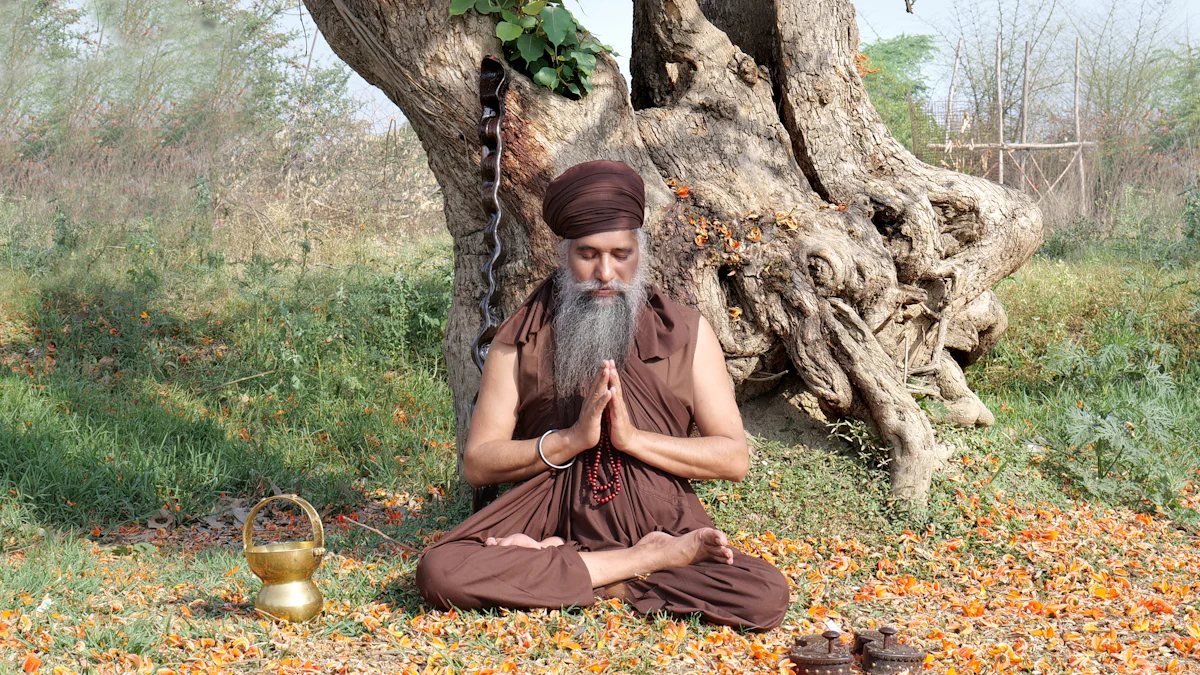
Kundalini yoga kriya for sleep can significantly promote relaxation and prepare your body for restful sleep. By combining breath and movement, these practices help you release tension and calm your mind. Establishing a nightly routine that includes a kundalini yoga kriya for sleep enhances your sleep quality. You can create a peaceful transition from your day to night, allowing your body to embrace the restorative power of sleep.
Key Takeaways
Incorporate Kundalini yoga kriyas into your nightly routine to enhance relaxation and improve sleep quality.
Practice the Sleep Tight Kriya regularly to release tension and prepare your body for restorative sleep.
Create a calming environment by adjusting lighting, minimizing noise, and using soothing scents to signal your body that it's time to unwind.
Stay consistent with your practice; regular engagement with kriyas can significantly increase sleep efficiency and reduce the time it takes to fall asleep.
Utilize mindfulness techniques during your practice to deepen relaxation and enhance your overall sleep experience.
Track your progress in a sleep journal to identify which kriyas work best for you and make necessary adjustments to your routine.
Embrace patience and commitment; the journey to restful sleep through Kundalini yoga is gradual but rewarding.
Understanding Kundalini Yoga and Its Benefits for Sleep

What is Kundalini Yoga?
Kundalini yoga is a dynamic form of yoga that combines physical postures, breathing techniques, and meditation. This practice aims to awaken your inner energy, known as Kundalini. You engage in various kriyas, which are specific sets of exercises designed to achieve particular outcomes. Each kriya focuses on different aspects of your well-being, including relaxation and mental clarity. By practicing Kundalini yoga, you can create a deeper connection between your mind and body, paving the way for restful sleep.
How Kundalini Yoga Affects Sleep Quality
Research shows that Kundalini yoga significantly improves sleep quality. A study published in the Journal of Clinical Sleep Medicine found that participants who practiced Kundalini yoga reported longer total sleep times and fewer instances of wakefulness after sleep onset. This means you can enjoy more continuous and undisturbed sleep. The combination of movement and breath control in Kundalini yoga helps reduce stress and anxiety, two common barriers to restful sleep. When you practice regularly, you may notice a marked improvement in your overall sleep experience.
The Role of Kriyas in Sleep Improvement
Kriyas play a crucial role in enhancing your sleep quality. Each kriya consists of specific movements and breathing patterns that target relaxation. For instance, the Shabad Kriya is particularly effective for promoting deep, relaxing sleep. This kriya involves focused breathing techniques that calm your nervous system and prepare your body for rest. Regular practice of a kundalini yoga kriya for sleep can help you feel more rested, even if your actual sleep duration is shorter. By committing to these practices, you can transform your nightly routine and embrace the restorative power of sleep.
Kundalini Yoga Kriya for Sleep: The Sleep Tight Kriya
Overview and Benefits
The Sleep Tight Kriya offers a powerful way to prepare your body for restful sleep. This kriya combines gentle movements and focused breathing to release tension and calm your mind. Practicing this kriya before bedtime can help you unwind from the day’s stress. You may find that it enhances your overall sleep quality, allowing you to wake up feeling refreshed and energized.
According to Sleep Yoga Guide, "Are you tired of tossing and turning all night, desperately seeking a way to fall into a deep sleep? Look no further!" This kriya serves as an effective tool to help you achieve that deep, restorative sleep you crave.
Step-by-Step Instructions
Find Your Space: Choose a quiet, comfortable area where you can practice without distractions.
Sit in Easy Pose: Sit cross-legged with your hands resting on your knees. Keep your spine straight and shoulders relaxed.
Begin Breath of Fire: Inhale deeply through your nose, then exhale forcefully through your nose while pumping your navel. Continue this for 1-3 minutes.
Raise Your Arms: Extend your arms overhead, palms facing each other. Hold this position while breathing deeply for 1-2 minutes.
Gentle Neck Rolls: Slowly roll your neck in a circular motion, first clockwise and then counterclockwise. Do this for about 1 minute each direction.
Lie Down: Transition to lying on your back. Stretch your legs out and place your arms alongside your body.
Head Raises: Raise your head and shoulders off the ground while keeping your legs flat. Hold for a few seconds, then lower back down. Repeat this 5-10 times.
Final Relaxation: Close your eyes and take a few deep breaths. Allow your body to relax completely for 5-10 minutes.
Tips for Maximizing Effectiveness
Consistency is Key: Practice the Sleep Tight Kriya nightly to establish a calming routine. Your body will begin to associate these movements with sleep.
Create a Calm Environment: Dim the lights and eliminate noise. Consider using calming scents like lavender to enhance relaxation.
Listen to Your Body: Pay attention to how you feel during each step. Adjust the duration and intensity based on your comfort level.
Stay Present: Focus on your breath and the sensations in your body. This mindfulness will deepen your relaxation and prepare you for sleep.
Incorporating the Sleep Tight Kriya into your nightly routine can transform your sleep experience. Embrace this practice and enjoy the journey toward restful nights.
Kundalini Yoga Kriya for Sleep: The Relaxation Kriya
Overview and Benefits
The Relaxation Kriya serves as a gentle yet powerful practice to help you unwind and prepare for sleep. This kriya focuses on calming your mind and releasing physical tension. By incorporating specific movements and breath control techniques, you create a serene environment for restful sleep. Medical experts emphasize that “through the practice of kriyas, specific breath control techniques, and exercises, anyone can find the fulfilling rest they need.” You will notice that this kriya not only enhances your sleep quality but also promotes overall relaxation throughout your body.
Step-by-Step Instructions
Find Your Space: Choose a quiet area where you feel comfortable and relaxed.
Sit in Easy Pose: Cross your legs and rest your hands on your knees. Keep your spine straight and shoulders relaxed.
Deep Breathing: Inhale deeply through your nose, filling your lungs completely. Hold your breath for a moment, then exhale slowly through your mouth. Repeat this for 3-5 minutes.
Shoulder Shrugs: Raise your shoulders towards your ears while inhaling. Exhale and drop them down. Do this for 1-2 minutes.
Forward Bend: While sitting, gently lean forward, reaching your hands towards your feet. Hold this position for 1-2 minutes, breathing deeply.
Gentle Twists: Sit up straight and twist your torso to the right, placing your left hand on your right knee. Hold for a few breaths, then switch sides.
Final Relaxation: Lie down on your back. Close your eyes and take a few deep breaths. Allow your body to relax completely for 5-10 minutes.
Tips for Incorporating into Your Routine
Practice Regularly: Make the Relaxation Kriya a part of your nightly routine. Consistency helps signal your body that it’s time to wind down.
Create a Calm Atmosphere: Dim the lights and eliminate distractions. Consider using calming scents like chamomile or sandalwood to enhance your experience.
Listen to Your Body: Pay attention to how each movement feels. Adjust the duration and intensity based on your comfort level.
Stay Mindful: Focus on your breath and the sensations in your body. This mindfulness deepens your relaxation and prepares you for a peaceful night’s sleep.
Embrace the Relaxation Kriya as a tool for achieving restful sleep. With regular practice, you will find it easier to let go of the day’s stress and embrace the tranquility of the night.
Kundalini Yoga Kriya for Sleep: The Pranayama for Sleep
Overview and Benefits
Pranayama, the art of breath control, plays a vital role in achieving restful sleep. This practice helps you shift from a state of stress and anxiety to one of calm and relaxation. Medical experts increasingly recommend natural solutions like yoga for those struggling with sleep issues. According to Psychology Today, researchers at Harvard Medical School found that daily yoga practice significantly improves sleep quality and quantity for people with insomnia. By incorporating pranayama into your nightly routine, you can enhance your ability to unwind and prepare for a peaceful night.
The benefits of pranayama extend beyond just sleep. You can experience reduced anxiety, improved focus, and a greater sense of well-being. As you learn to control your breath, you also gain the ability to calm your mind and body. This practice creates a serene environment conducive to deep, restorative sleep.
Step-by-Step Instructions
Find Your Space: Choose a quiet area where you feel comfortable and relaxed.
Sit Comfortably: Sit cross-legged or in a chair with your back straight. Rest your hands on your knees or thighs.
Begin Deep Breathing: Inhale deeply through your nose, filling your lungs completely. Hold your breath for a moment.
Exhale Slowly: Release your breath gently through your mouth. Focus on the sensation of your breath leaving your body.
Practice Alternate Nostril Breathing:
Close your right nostril with your thumb. Inhale deeply through your left nostril.
Close your left nostril with your ring finger. Release your right nostril and exhale through it.
Inhale through your right nostril, close it, and exhale through your left.
Repeat this cycle for 5-10 minutes.
Final Relaxation: Close your eyes and take a few deep breaths. Allow your body to relax completely for 5-10 minutes.
Best Practices for Breath Control
Focus on Your Breath: Pay attention to each inhale and exhale. This mindfulness enhances your relaxation.
Practice Regularly: Incorporate pranayama into your nightly routine. Consistency helps signal your body that it’s time to wind down.
Stay Comfortable: Adjust your position as needed. Ensure you feel relaxed and at ease during your practice.
Use Visualization: Imagine a peaceful scene as you breathe. This technique can deepen your relaxation and prepare you for sleep.
By embracing pranayama as part of your kundalini yoga kriya for sleep, you can transform your nightly routine. This practice not only calms your mind but also prepares your body for a restful night.
Creating a Sleep-Inducing Environment
Importance of Setting the Mood
Creating a sleep-inducing environment plays a crucial role in achieving restful sleep. Your surroundings can significantly impact your ability to relax and unwind. A calm atmosphere signals your body that it’s time to rest. When you set the right mood, you enhance your chances of falling asleep quickly and enjoying deeper sleep.
Consider this: scientific research shows that optimizing your bedroom environment can lead to better sleep quality. Factors like lighting, temperature, and noise levels all contribute to how well you sleep. By making small adjustments, you can create a sanctuary that promotes relaxation and tranquility.
How to Prepare Your Space for Kundalini Practice
Preparing your space for Kundalini practice involves creating a peaceful and inviting atmosphere. Follow these steps to transform your environment:
Declutter Your Space: Remove any distractions or clutter. A clean space helps clear your mind.
Adjust the Lighting: Use soft, warm lighting to create a calming ambiance. Dim lights signal your body that it’s time to wind down.
Control the Temperature: Keep your room at a comfortable temperature. Studies indicate that a cool environment enhances sleep quality.
Minimize Noise: Block out disruptive sounds. Consider using earplugs or a white noise machine to create a soothing background.
Incorporate Calming Scents: Use essential oils like lavender or chamomile. These scents promote relaxation and can help you unwind.
By following these steps, you create a space that supports your Kundalini practice and encourages restful sleep.
Additional Relaxation Techniques to Enhance Sleep
In addition to Kundalini yoga, you can incorporate other relaxation techniques to improve your sleep quality. Here are some effective methods:
Meditation: Spend a few minutes meditating before bed. This practice calms your mind and reduces anxiety, making it easier to fall asleep.
Gentle Stretching: Engage in light stretching to release tension in your body. Focus on areas that feel tight or stressed.
Breathing Exercises: Practice deep breathing techniques. Slow, controlled breaths soothe your nervous system and prepare your body for sleep.
Mindfulness Practices: Incorporate mindfulness into your nightly routine. Focus on the present moment and let go of any lingering thoughts from the day.
These techniques complement your Kundalini practice and create a holistic approach to achieving restful sleep. Remember, improving your sleep environment and incorporating relaxation methods can lead to a more peaceful night’s rest. Embrace these changes, and watch as your sleep quality improves.
Building a Consistent Nightly Routine
How to Integrate Kriyas into Your Evening
Integrating Kundalini yoga kriyas into your evening routine can transform your sleep experience. Start by setting aside a specific time each night for your practice. This consistency signals your body that it’s time to unwind. You might choose to practice right before bed or an hour earlier to allow your body to relax fully.
Choose Your Kriya: Select one or two kriyas that resonate with you. The Sleep Tight Kriya and the Relaxation Kriya are excellent choices for promoting restful sleep.
Create a Ritual: Establish a calming ritual before your practice. Light a candle, play soft music, or diffuse essential oils to create a soothing atmosphere.
Limit Distractions: Turn off electronic devices and minimize noise. A quiet environment enhances your focus and relaxation during your practice.
Stay Committed: Commit to practicing at least three times a week. Gradually increase the frequency as you become more comfortable with the routines.
By making these kriyas a regular part of your evening, you cultivate a peaceful mindset that prepares you for sleep.
The Importance of Consistency for Sleep Improvement
Consistency plays a vital role in improving your sleep quality. Research shows that regular yoga practice significantly enhances sleep efficiency and reduces sleep onset latency. Participants in studies reported longer total sleep times and fewer instances of wakefulness after sleep onset.
Sleep Efficiency: Regular practice can increase your sleep efficiency, allowing you to spend more time in restorative sleep.
Reduced Sleep Latency: With consistent practice, you may find it easier to fall asleep, reducing the time it takes to drift off.
Long-Term Benefits: Committing to a nightly routine fosters lasting improvements in your overall sleep quality.
When you prioritize consistency, you create a powerful habit that supports your journey toward restful sleep.
Tracking Your Progress and Adjusting Practices
Tracking your progress can help you stay motivated and make necessary adjustments to your routine. Consider keeping a sleep journal to record your experiences. Note the kriyas you practice, how you feel before and after, and any changes in your sleep patterns.
Reflect on Your Sleep Quality: Rate your sleep quality each morning. Use a scale from 1 to 10 to gauge how rested you feel.
Adjust Your Kriyas: If you notice certain kriyas work better than others, focus on those. Feel free to experiment with different techniques to find what suits you best.
Be Patient: Remember that improvement takes time. Stay patient and give your body the chance to adapt to your new routine.
By tracking your progress, you empower yourself to make informed decisions about your practice. This approach not only enhances your sleep but also deepens your connection to your body and mind. Embrace the journey, and enjoy the restful nights that await you.
Practicing Kundalini yoga kriyas for sleep offers numerous benefits. You can experience deeper relaxation, reduced stress, and improved sleep quality. Start with one kriya, such as the Shabad Kriya, which Yogi Bhajan describes as a premier sleep aid. Gradually incorporate more practices into your routine. Remember, patience and consistency are essential. Embrace this journey toward restful sleep, and allow your body to reap the rewards of these transformative practices.
FAQ
How can Kundalini yoga techniques help with poor sleep or ongoing sleep disorders?
Kundalini yoga techniques can significantly improve your sleep quality. According to Psychology Today, researchers at Harvard Medical School found that daily yoga practice leads to broad improvements in sleep quality and quantity for people with insomnia. By incorporating these techniques into your routine, you can experience deeper relaxation and better sleep.
What is the potential of yoga in improving sleep and tackling insomnia?
Yoga holds remarkable potential for enhancing sleep and addressing insomnia. This ancient practice transforms how you feel both physically and emotionally. It helps you unwind, making it easier to fall asleep and stay asleep throughout the night. Many people find that regular yoga practice leads to a more restful and rejuvenating sleep experience.
What is the therapeutic potential of yoga for sleep disorders?
Research continues to highlight the therapeutic benefits of yoga for sleep disorders. A comparative study published in the Journal of Education and Health Promotion reveals that yoga effectively alleviates insomnia and other sleep disturbances. By practicing yoga regularly, you can tap into its healing properties and improve your overall sleep health.
What are the benefits of a Kundalini Yoga sleep routine?
A Kundalini Yoga sleep routine empowers your body to achieve deep, restful sleep. This practice enhances productivity, reduces anxiety, and boosts concentration. By preparing your body and mind for a powerful rest, you set the stage for a more energized and focused day ahead.
How can sleep yoga help in reducing stress and anxiety?
Sleep yoga combines gentle movements, deep breathing, and mindfulness practices to calm your nervous system. This approach effectively reduces stress and anxiety. By releasing tension and promoting relaxation, sleep yoga allows you to let go of the day's worries and prepare for a peaceful night’s rest.
What is advised for those struggling with poor sleep?
Medical experts increasingly recommend natural solutions like yoga for those facing sleep challenges. Instead of relying solely on medications, consider incorporating yoga into your nightly routine. This holistic approach can help you find relief from sleep disturbances and improve your overall well-being.
How long should I practice Kundalini yoga for sleep to see results?
You should aim to practice Kundalini yoga for at least 25 minutes each night to experience noticeable results. Consistency is key. Over time, you will likely notice improvements in your sleep quality and overall relaxation.
Can I practice Kundalini yoga if I am a beginner?
Absolutely! Kundalini yoga welcomes practitioners of all levels. Start with simple kriyas and gradually build your practice. Focus on your breath and listen to your body. As you become more comfortable, you can explore more advanced techniques.
Is it necessary to have a quiet space for practicing Kundalini yoga?
While a quiet space enhances your practice, it is not strictly necessary. You can adapt your practice to various environments. However, creating a calming atmosphere can help you focus and deepen your relaxation, making it easier to transition into sleep.
How can I stay motivated to maintain my Kundalini yoga practice for sleep?
To stay motivated, set clear intentions for your practice. Track your progress in a journal and celebrate small victories. Join a community or find a practice buddy to share your journey. Remember, every step you take toward better sleep is a step worth celebrating!
See Also
Explore Effective Restorative Yoga Methods for Total Calm
Master Yin Yoga Practices for Complete Relaxation
Learn Root Chakra Yoga Flows for Grounding Energy

Hi my name is Lia and i am your host in this yoga journey in Portugal, Subscribe to our newsletter to receive every week the best of Yoga in Portugal.

We bring back the importance of initiation into womanhood by Roos-Veerle Krijnen & Ella-June Henrard
Welcome to the Women’s Initiation Retreat by Naked Truth Retreats, a transformative journey into the depths of your True Feminine Nature. This retreat invites you to remember the sacredness and wholeness of your being.
Roos-Veerle Krijnen & Ella-June Henrard