Discover How Kundalini Yoga Can Alleviate Anxiety

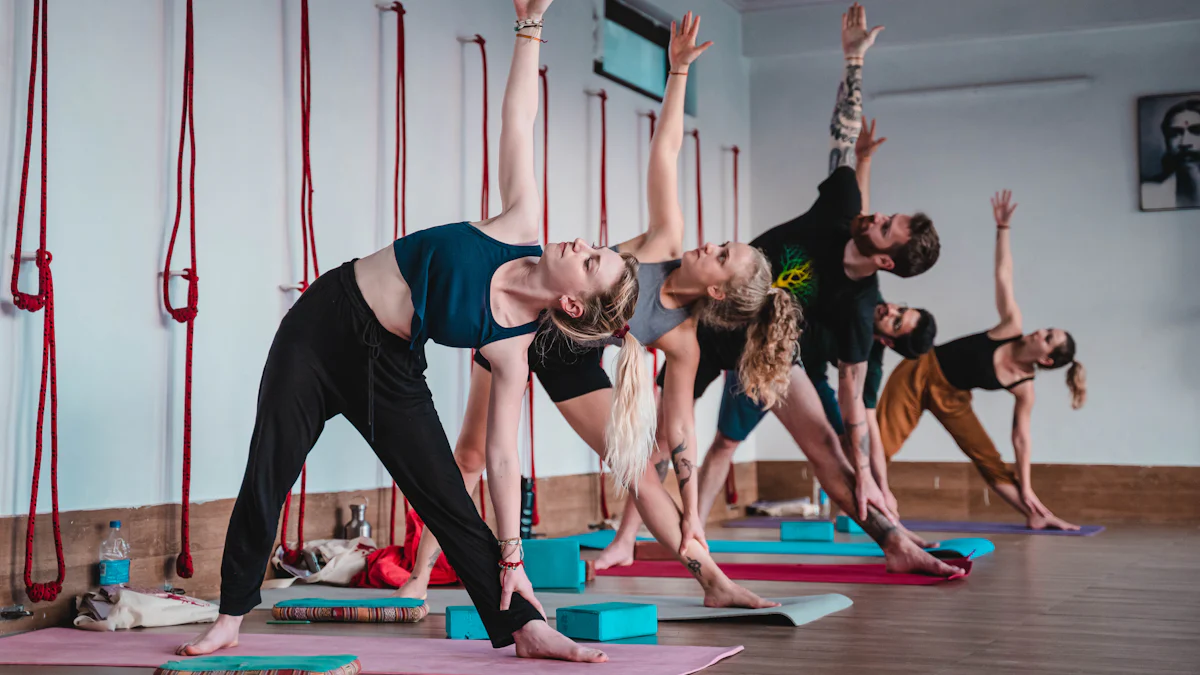
Kundalini Yoga offers a unique approach to anxiety relief. This practice combines breath and movement, creating a powerful synergy that calms your mind and body. As you engage in these techniques, you may experience immediate benefits, such as reduced tension and heightened clarity. Many find that the physical postures help release built-up stress, allowing for a more peaceful state of being. Embrace the transformative power of Kundalini Yoga for anxiety and discover a path toward emotional well-being.
Key Takeaways
Kundalini Yoga combines breath, movement, and meditation to effectively alleviate anxiety, promoting a calm mind and body.
Regular practice of Kundalini Yoga can enhance emotional resilience and reduce anxiety symptoms by addressing physical, mental, and energetic levels.
Incorporate simple techniques like morning breathwork, midday movement, and evening meditation into your daily routine for lasting mental health benefits.
Kriyas, structured sequences of movements and breath, serve as a roadmap to emotional release, helping you confront and manage anxiety.
Pranayama, or breath control, is essential for calming the nervous system; even a few minutes of focused breathing can create a profound sense of calm.
Meditation fosters inner peace and clarity, improving emotional regulation and reducing anxiety symptoms over time.
Kundalini Yoga is accessible to everyone, regardless of fitness level; start small and gradually build your practice to experience its transformative effects.
Understanding Kundalini Yoga for Anxiety
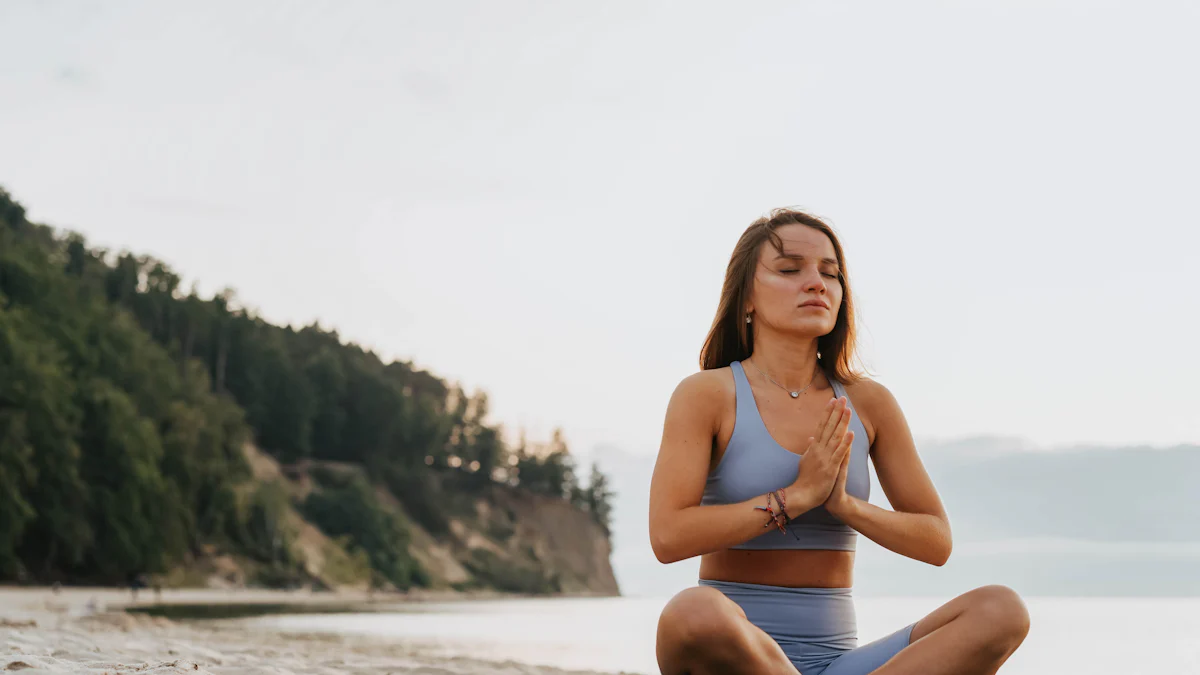
The Philosophy Behind Kundalini Yoga
Kundalini Yoga offers a holistic approach to managing anxiety. This practice addresses anxiety on multiple levels: physical, mental, and energetic. By understanding the root causes of your anxiety, you can effectively manage and overcome its impact on your life. The philosophy behind Kundalini Yoga emphasizes relaxation and self-awareness. You learn to let go of external worries and stresses, allowing yourself to become one with your inner self.
Yogi Bhajan, the founder of this practice in the West, taught that fear of the future often hinders your ability to live fully. By controlling your mind and emotions through Kundalini Yoga, you can unlock your potential. This journey involves using effective techniques daily to calm anxiety and foster resilience in the face of stress.
The Connection Between Mind and Body
Kundalini Yoga strengthens the connection between your mind and body. This practice incorporates physical postures, breathing techniques, and meditation. Each element works together to create a powerful synergy that enhances your overall well-being. As you engage in these practices, you cultivate greater self-awareness and emotional balance.
Breathwork, or pranayama, plays a crucial role in calming your nervous system. By focusing on your breath, you can shift your mental state from anxiety to tranquility. The physical movements help release built-up tension, promoting relaxation. This connection allows you to experience a profound shift in your mental clarity and energy levels.
Incorporating Kundalini Yoga into your daily routine can lead to significant improvements in your mental health. You may find that regular practice not only reduces anxiety symptoms but also enhances your emotional resilience. Embrace this transformative journey and discover how Kundalini Yoga can empower you to manage anxiety effectively.
Key Techniques in Kundalini Yoga for Anxiety Relief
Kriyas: Structured Sequences for Emotional Release
Kriyas are powerful sequences of movements, breath, and sound designed to release emotional blockages. Each kriya targets specific areas of the body and mind, promoting healing and balance. You can think of kriyas as a roadmap to emotional freedom. By following these structured sequences, you engage in a dynamic practice that helps you confront and release anxiety.
Research shows that an 8-week Kundalini yoga intervention significantly lowers anxiety levels. This structured approach allows you to experience emotional release and clarity. As you practice, you may notice a shift in your emotional state, leading to a greater sense of peace.
Pranayama: Breathing Techniques to Calm the Nervous System
Pranayama, or breath control, plays a vital role in managing anxiety. These breathing techniques help you regulate your nervous system and calm your mind. Focusing on your breath allows you to anchor yourself in the present moment. You can practice various pranayama techniques, such as long deep breathing or alternate nostril breathing, to enhance your relaxation.
Studies indicate that regular practice of pranayama can improve self-regulation of thought processes and lower anxiety levels. By incorporating these techniques into your daily routine, you empower yourself to manage stress more effectively. You will find that even a few minutes of focused breathing can create a profound sense of calm.
Meditation: Fostering Inner Peace and Clarity
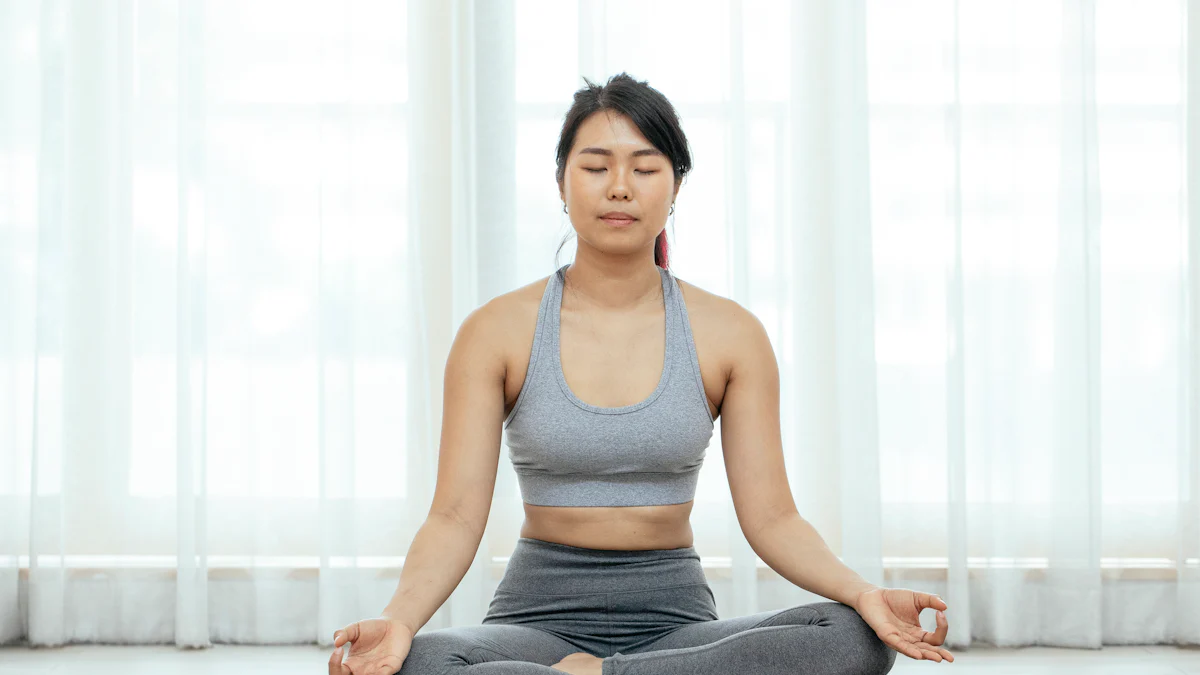
Meditation is a cornerstone of Kundalini Yoga. This practice fosters inner peace and clarity, allowing you to connect with your true self. Through meditation, you can quiet the mind and cultivate a sense of stillness. You may choose to meditate on a mantra or simply focus on your breath.
The benefits of meditation extend beyond the mat. Research highlights that meditation improves emotional regulation and reduces anxiety symptoms. As you develop a consistent meditation practice, you will likely notice increased mental clarity and emotional resilience. Embrace this journey toward inner peace and discover how meditation can transform your relationship with anxiety.
The Science Behind Kundalini Yoga and Anxiety Reduction
Research Studies Supporting Its Effectiveness
Numerous studies highlight the effectiveness of Kundalini Yoga for anxiety relief. For instance, a study titled Kundalini Yoga Improves Anxiety in Patients with Generalized Anxiety Disorder found that this practice incorporates physical postures, breathing techniques, and meditation. These elements work together to provide therapeutic benefits for anxiety.
Another significant study, Kundalini Yoga Intervention Reduces Anxiety Levels, revealed that an 8-week program led to lower anxiety levels compared to standard treatment options. This structured approach allows you to experience emotional release and clarity, making it a valuable tool for managing anxiety.
Research also indicates that Kundalini Yoga techniques can alleviate anxiety by addressing it on multiple levels—physical, mental, and energetic. The study Kundalini Yoga Techniques Alleviate Anxiety emphasizes how these practices promote a calm state of mind. Furthermore, Kundalini Yoga Helps Relieve Stress shows that regular practice can lower cortisol levels, aiding in stress relief and emotional balance.
Testimonials from Practitioners
Many practitioners share inspiring stories about their experiences with Kundalini Yoga. They often describe how this practice transformed their relationship with anxiety. One participant noted, “Kundalini Yoga helped me find peace within myself. I learned to manage my anxiety instead of letting it control me.”
Another practitioner shared, “The breathing techniques and meditations made a significant difference in my daily life. I feel more grounded and capable of handling stress.” These testimonials reflect the profound impact Kundalini Yoga can have on your mental health.
As you explore Kundalini Yoga for anxiety, remember that you are not alone. Many individuals have walked this path and found relief through consistent practice. Embrace the journey and discover how these techniques can empower you to overcome anxiety.
Creating a Kundalini Yoga Practice for Anxiety
Finding the Right Class or Instructor
Choosing the right class or instructor can significantly enhance your experience with Kundalini Yoga. Look for classes that focus on anxiety relief and emotional well-being. Many studios offer introductory sessions, allowing you to explore different instructors and styles.
When selecting an instructor, consider their experience and approach. A seasoned teacher can guide you through the nuances of the practice. Ravi Singh, a Kundalini Yoga teacher for over 45 years, emphasizes the importance of a multi-faceted approach to anxiety. He states,
"Talk therapy is a great adjunct to yoga, but trauma and anxiety suffuse every stratum of our being and thus, a multi-faceted approach is in order."
This insight highlights the value of finding an instructor who understands the complexities of anxiety and can tailor the practice to your needs.
Incorporating Kundalini Techniques into Daily Life
Integrating Kundalini Yoga techniques into your daily routine can create lasting change. Start with simple practices that fit your lifestyle. Here are some effective ways to incorporate these techniques:
Morning Breathwork: Begin your day with a few minutes of pranayama. Focus on long deep breathing to calm your mind and set a positive tone for the day.
Midday Movement: Take short breaks to practice a kriya. Even a few minutes of movement can help release tension and boost your energy levels.
Evening Meditation: Dedicate time each evening to meditate. Use a mantra or focus on your breath to cultivate inner peace before bedtime.
Mindful Moments: Throughout your day, practice mindfulness. Pay attention to your breath during stressful moments. This simple act can ground you and reduce anxiety.
By incorporating these techniques, you can create a supportive environment for your mental health. Remember, Kundalini yoga for anxiety addresses anxiety on multiple levels—physical, mental, and energetic. As you explore these practices, you will likely discover new ways to manage stress and enhance your emotional resilience.
Overcoming Common Barriers to Practicing Kundalini Yoga
Addressing Misconceptions About Yoga
Many people hold misconceptions about yoga that can prevent them from exploring its benefits. Some believe yoga is only for the flexible or athletic. Others think it requires a significant time commitment or that it’s solely about physical postures. In reality, Kundalini Yoga welcomes everyone, regardless of fitness level or experience.
Kundalini Yoga focuses on breath, movement, and meditation. You don’t need to be an expert to start. The practice encourages you to listen to your body and progress at your own pace. Remember, the goal is not perfection but personal growth and emotional healing.
"Kundalini Yoga has touched every particle of my being and surroundings, making me healthy, happy, and functioning at my peak performance." This sentiment reflects how accessible and transformative this practice can be for anyone willing to try.
Tips for Beginners to Get Started
Starting your Kundalini Yoga journey can feel daunting, but it doesn’t have to be. Here are some practical tips to help you begin:
Create a Safe Space: Designate a quiet area in your home for practice. Make it cozy and inviting. This space should feel comfortable and free from distractions.
Start Small: Begin with short sessions. Even five to ten minutes of breathwork or meditation can make a difference. Gradually increase the duration as you become more comfortable.
Use Online Resources: Explore online classes or guided meditations. Many platforms offer free resources to help you get started. For instance, listening to a Chattra Chakkra Vartee recording can introduce you to chanting and meditation. The repetitive nature of the text makes it easy to follow along.
Practice Mindfulness: Incorporate mindfulness into your daily routine. Focus on your breath during stressful moments. This simple act can ground you and reduce anxiety.
Join a Community: Connect with others who practice Kundalini Yoga. Sharing experiences and learning from each other can enhance your journey.
As you embark on this path, remember that every step counts. You may find that Kundalini Yoga helps you cultivate a more compassionate relationship with your thoughts and emotions. By focusing your attention on the breath, you can shift your awareness away from anxious thoughts and into the present moment.
Embrace the journey ahead. With each practice, you will discover new ways to manage anxiety and enhance your emotional resilience.
Kundalini Yoga techniques specifically target anxiety by addressing it on physical, mental, and energetic levels. You can experience profound relief through breathwork, movement, and meditation. Explore Kundalini Yoga as a viable option for anxiety relief. This practice offers you tools to manage stress and cultivate inner peace.
Share your personal experiences or questions about starting your journey with Kundalini Yoga. Your insights may inspire others to embrace this transformative path.
FAQ
How can Kundalini Yoga be used to alleviate anxiety?
Kundalini Yoga offers a holistic approach to managing anxiety. This practice addresses underlying causes and provides powerful tools for self-transformation. By incorporating Kundalini Yoga into your daily routine, you cultivate greater self-awareness. You develop resilience in the face of stress and experience a profound shift in your overall well-being.
What are some scientifically proven reasons why Kundalini Yoga is excellent for anxiety?
Kundalini Yoga combines physical postures, exercises, breathing techniques (pranayama), relaxation, and meditation. Research studies have shown that this traditional multi-component yoga practice improves anxiety in patients with generalized anxiety disorder. These findings support its recommendation as a therapeutic treatment for anxiety.
How can Kundalini Yoga help in instant anxiety relief?
To start, create a safe space in your home where you feel entirely comfortable to meditate. Ensure the area is cozy and quiet. This environment allows you to truly experience the power of meditation. Use effective techniques from Kundalini Yoga each day to calm anxiety and find peace.
What are the benefits of Kundalini Yoga in reducing stress and anxiety?
Kundalini Yoga serves as a simple and effective way to reduce stress and anxiety. It increases mental clarity and boosts your energy. You can learn effective breathing techniques to soothe your nervous system, practice short meditations to feel clear and connected, and engage in stimulating Kriyas for health and joy.
What does research suggest about the effectiveness of Kundalini Yoga in reducing anxiety?
Research indicates that mindfulness-based approaches effectively address anxiety disorders. A pilot study suggests that Kundalini Yoga might improve outcomes for generalized anxiety disorder. However, more research is needed to clarify its efficacy compared to cognitive behavioral therapy (CBT) and to understand its active mechanisms.
Can anyone practice Kundalini Yoga, regardless of experience?
Absolutely! Kundalini Yoga welcomes everyone, regardless of fitness level or prior experience. The practice focuses on breath, movement, and meditation. You don’t need to be an expert to start. Listen to your body and progress at your own pace.
How often should I practice Kundalini Yoga for the best results?
For optimal results, aim to practice Kundalini Yoga regularly. Even short sessions several times a week can make a significant difference. Consistency helps you build resilience against anxiety and enhances your overall well-being.
Are there any specific techniques I should focus on as a beginner?
As a beginner, focus on foundational techniques such as pranayama (breath control), simple Kriyas, and basic meditation practices. These elements will help you establish a strong foundation. Gradually explore more advanced techniques as you become comfortable.
What should I do if I feel overwhelmed during practice?
If you feel overwhelmed during practice, take a moment to pause. Focus on your breath and allow yourself to relax. Remember, it’s okay to take breaks. You can also modify the practice to suit your comfort level. Your journey is personal, and it’s important to honor your feelings.
How can I stay motivated to continue my Kundalini Yoga practice?
To stay motivated, set realistic goals and celebrate your progress. Join a community or find a practice buddy to share experiences. Explore different classes or online resources to keep your practice fresh and engaging. Remember, every step you take brings you closer to managing anxiety effectively.
See Also
Uncovering The Health Advantages Of Practicing Yoga
Exploring The Advantages Of Dynamic Yoga Practices
Powerful Yoga Asanas For Balancing Svadhisthana Chakra

Hi my name is Lia and i am your host in this yoga journey in Portugal, Subscribe to our newsletter to receive every week the best of Yoga in Portugal.

We bring back the importance of initiation into womanhood by Roos-Veerle Krijnen & Ella-June Henrard
Welcome to the Women’s Initiation Retreat by Naked Truth Retreats, a transformative journey into the depths of your True Feminine Nature. This retreat invites you to remember the sacredness and wholeness of your being.
Roos-Veerle Krijnen & Ella-June Henrard