Discover Koral Yoga Techniques for Happy Kids

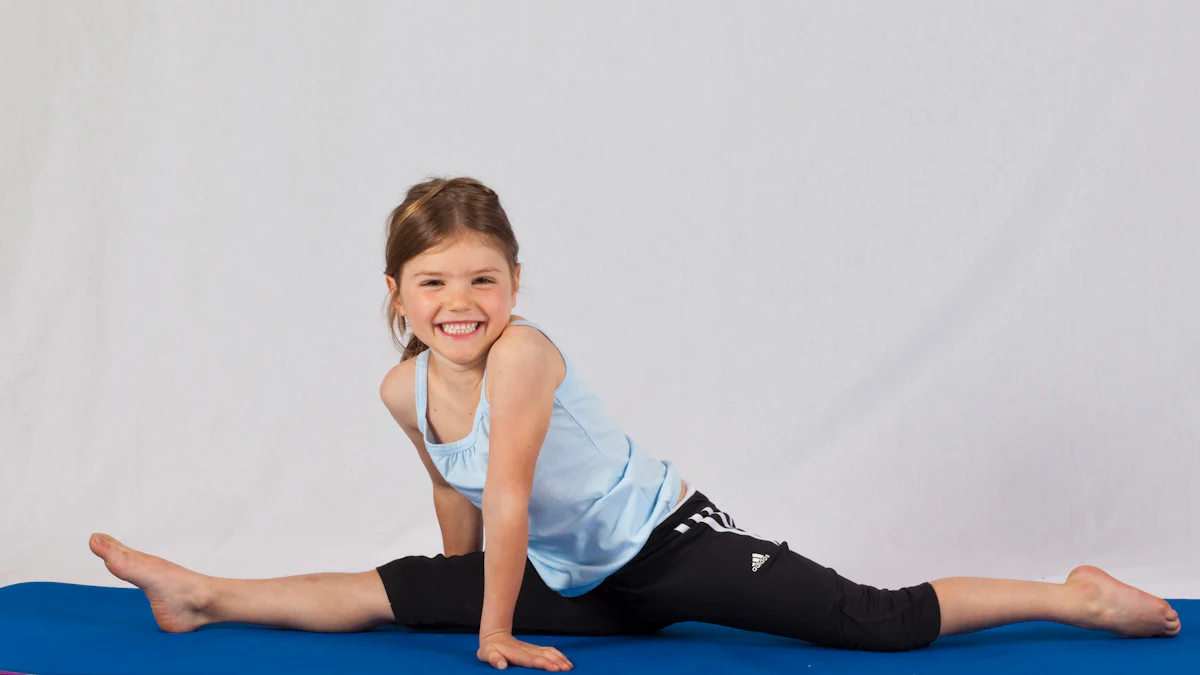
Koral Yoga techniques bring joy and well-being to children. You’ll find that these practices encourage mindfulness and emotional awareness, helping kids express their feelings and manage stress. Research shows that yoga can enhance children's behavior and cognitive performance. By engaging in Koral Yoga, your child can learn to focus better and regulate their emotions. This playful approach not only nurtures happiness but also fosters a deeper connection with themselves and the world around them.
Key Takeaways
Koral Yoga promotes mindfulness, helping children recognize and express their emotions, leading to better emotional regulation.
Incorporating playfulness and creativity into yoga sessions keeps kids engaged and boosts their confidence through imaginative activities.
Practicing yoga outdoors fosters a connection with nature, enhancing children's appreciation for their environment and promoting a sense of peace.
Fun yoga poses and breathing exercises, like 'Bumblebee Breath' and 'Balloon Breathing,' help children manage stress and improve focus.
Creating a dedicated yoga space at home encourages regular practice, making it a fun and inviting part of your child's routine.
Integrating yoga into daily activities, even for just a few minutes, can significantly enhance your child's emotional and physical well-being.
Engaging children through storytelling and playful practices makes yoga enjoyable, nurturing their imagination while promoting mindfulness.
Core Principles of Koral Yoga
Mindfulness and Awareness
Koral Yoga emphasizes mindfulness and awareness. You can help your child learn to recognize and express their emotions through simple practices. By focusing on their breath and body sensations, kids cultivate self-awareness. This awareness allows them to identify and regulate their feelings more effectively. When children practice being present, they learn to embrace their emotions without judgment. Research shows that kids who engage in yoga-based movement and conscious breathing manage stress better. They also develop stronger emotional regulation skills.
Playfulness and Creativity
Playfulness is at the heart of Koral Yoga. You can introduce fun and imaginative activities that spark your child's creativity. Incorporating games and storytelling into yoga sessions makes the practice enjoyable. Kids love to explore different poses while pretending to be animals or characters from their favorite stories. This playful approach not only keeps them engaged but also encourages them to express themselves freely. When children feel free to be creative, they build confidence and joy in their practice.
Connection with Nature
Koral Yoga fosters a deep connection with nature. You can take your yoga practice outdoors, allowing your child to experience the beauty of the environment. Practicing yoga in a park or garden helps children appreciate the world around them. They can learn to listen to the sounds of nature and feel the earth beneath them. This connection promotes a sense of peace and grounding. Studies suggest that children who spend time in nature tend to be happier and more focused. By integrating nature into yoga, you nurture your child's well-being and happiness.
Specific Techniques and Activities in Koral Yoga
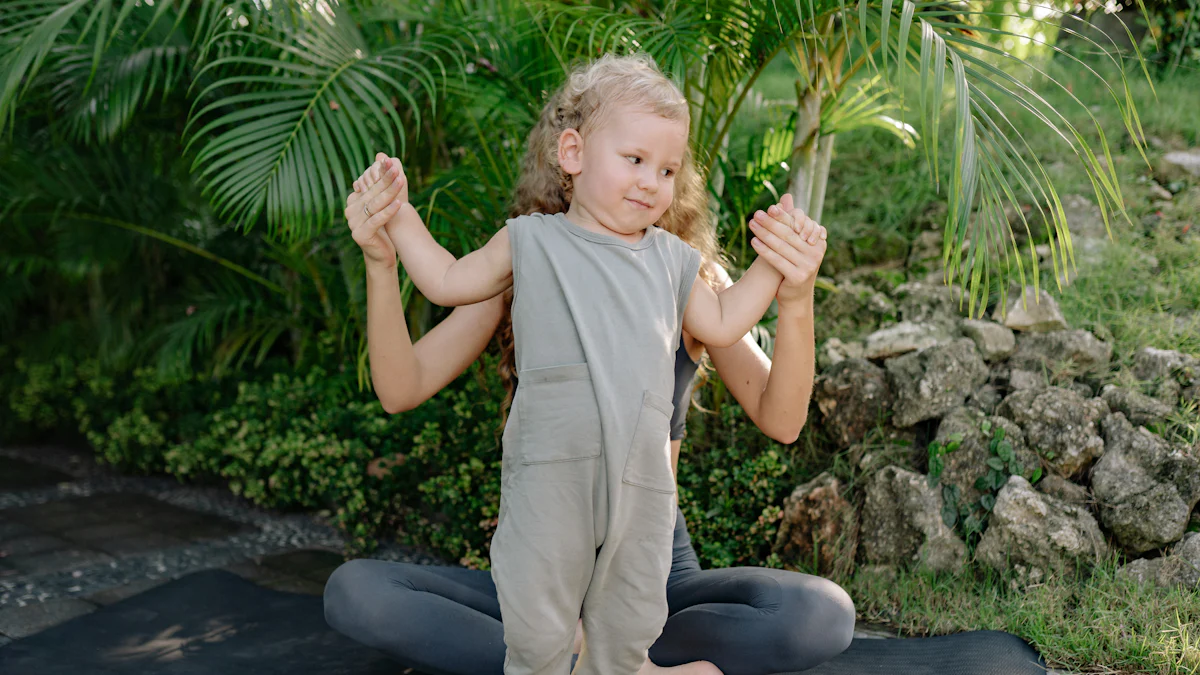
Fun Yoga Poses for Kids
Kids love to move, and fun yoga poses can keep them engaged while promoting physical health. You can introduce poses like Tree Pose, where your child balances on one leg while pretending to be a tree swaying in the wind. This pose builds strength and focus. Another favorite is the Downward Dog, which mimics a playful puppy stretching. It helps improve flexibility and strengthens the arms and legs.
Try incorporating partner poses too. For example, Double Boat Pose encourages cooperation and communication. Kids sit facing each other, lift their legs, and hold hands. This activity not only builds strength but also fosters social skills. As you practice these poses, remind your child to breathe deeply and enjoy the moment.
Breathing Exercises
Breathing exercises play a crucial role in Koral Yoga. They help children manage anxiety and stress. One simple technique is the "Bumblebee Breath." Have your child take a deep breath in through the nose, then hum while exhaling. This fun sound mimics a buzzing bee and calms the mind.
Another effective exercise is "Balloon Breathing." Ask your child to imagine they are inflating a balloon. They breathe in deeply, filling their belly like a balloon, and then slowly release the air. This technique teaches kids to relax their bodies and focus on their breath. Regular practice of these exercises enhances emotional regulation and promotes a peaceful state of mind.
Storytelling through Yoga
Storytelling through yoga adds a magical element to the practice. You can create a narrative that incorporates various poses. For instance, tell a story about a journey through a jungle. As you narrate, guide your child into poses like Cobra for a snake or Warrior for a brave explorer. This approach makes yoga fun and imaginative.
Encourage your child to contribute to the story. Let them choose poses and characters. This interaction boosts creativity and self-expression. Plus, it helps children connect with yoga on a deeper level. By blending storytelling with movement, you nurture their imagination while promoting mindfulness.
Benefits of Koral Yoga for Children
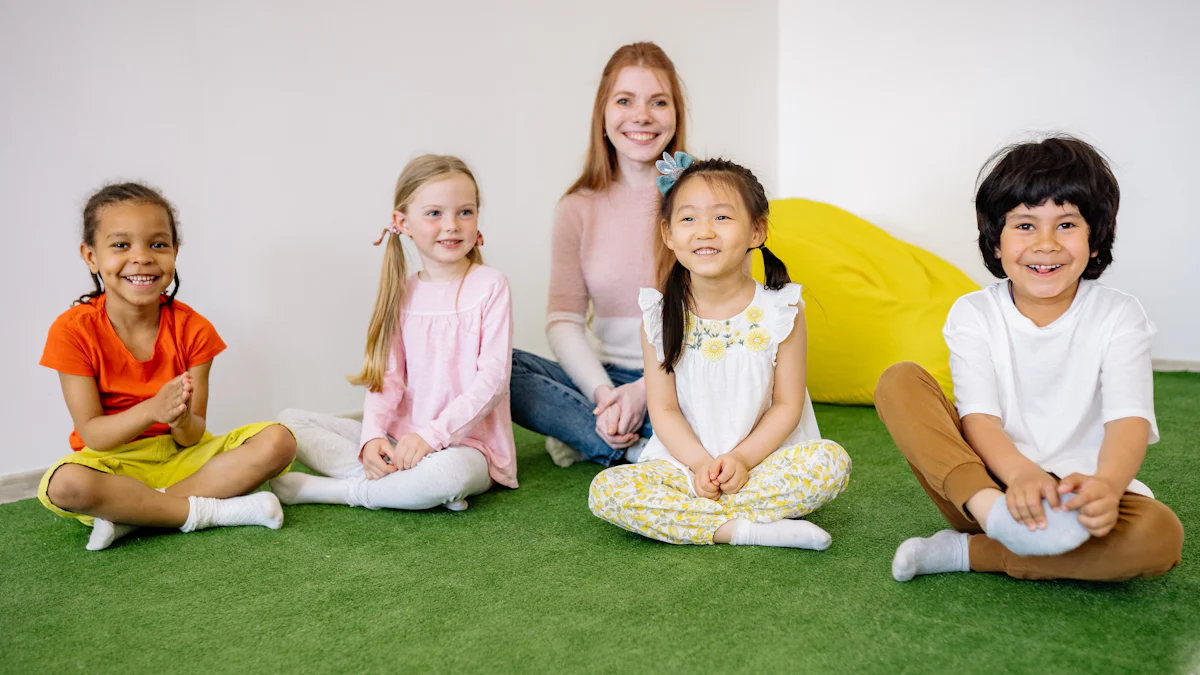
Emotional Regulation
Koral Yoga helps your child manage their emotions effectively. Through mindful practices, kids learn to recognize their feelings. They gain tools to express themselves without fear. This emotional awareness leads to better emotional regulation. When children practice yoga, they develop skills to cope with stress and anxiety. They become more resilient in facing challenges. As a result, you may notice your child reacting calmly in tough situations.
“Yoga helps children manage anxiety and boosts self-esteem,” shared a parent during an interview. This insight highlights how yoga nurtures emotional strength in kids.
Improved Focus and Concentration
Koral Yoga enhances your child's focus and concentration. The combination of movement and mindfulness trains their brain to stay present. Kids learn to direct their attention to their breath and body. This practice improves their ability to concentrate on tasks. You might see your child completing homework with greater ease.
Research shows that yoga increases memory and cognitive performance. Children who engage in yoga often display improved academic skills. They become more disciplined and less impulsive. This newfound focus can lead to better grades and a more positive attitude toward learning.
Enhanced Physical Health
Koral Yoga promotes physical health in children. Regular practice builds strength and flexibility. Kids develop better body awareness, which helps them move safely. They learn to listen to their bodies and understand their limits. This awareness reduces the risk of injuries during play or sports.
Moreover, yoga encourages healthy habits. Children who practice yoga often adopt a more active lifestyle. They become more aware of their physical well-being. As a result, you may notice your child enjoying outdoor activities and staying active.
Incorporating Koral Yoga into your child's routine can lead to a happier, healthier life.
Tips for Parents and Educators on Koral Yoga
Creating a Yoga Space at Home
You can create a calming yoga space at home to encourage your child’s practice. Choose a quiet corner in your house. Use soft mats or blankets to make it comfortable. Add some cushions for extra support. You might want to include calming decorations like plants or colorful artwork. This space should feel inviting and safe.
Consider playing soothing music or nature sounds during practice. These elements help set the mood and enhance relaxation. Encourage your child to personalize their space with their favorite items. This connection makes the practice more meaningful and enjoyable.
Incorporating Yoga into Daily Routines
Integrate yoga into your daily routines to make it a fun habit. Start with short sessions, even just 5 to 10 minutes. You can practice together in the morning to energize your day. Alternatively, try a calming session before bedtime to help your child unwind.
Use everyday moments to introduce yoga. For example, take a few deep breaths before meals or practice a quick pose during breaks. This approach helps your child see yoga as a natural part of life. Research shows that regular practice enhances focus and reduces anxiety. By making yoga a routine, you nurture your child's emotional and physical well-being.
Engaging with Kids through Playful Practices
Engage your child with playful practices to keep their interest alive. Use games and stories to make yoga fun. For instance, turn poses into a treasure hunt. Ask your child to find different poses around the house or yard. This activity combines movement with creativity, making it exciting.
You can also use props like stuffed animals or toys. Let your child mimic their favorite characters while practicing yoga. This playful interaction fosters imagination and joy. Remember, the goal is to have fun while promoting mindfulness.
By incorporating these tips, you can create a joyful and enriching environment for your child. Koral Yoga offers numerous benefits, including improved emotional regulation and enhanced focus. Your involvement makes a significant difference in their practice and overall happiness.
Real-Life Success Stories with Koral Yoga
Testimonials from Parents
Many parents share inspiring stories about how Koral Yoga transformed their children's lives. One mom noted, “My son used to struggle with anxiety. After practicing Koral Yoga, he feels calmer and more confident.” This change highlights how yoga can empower kids to manage their emotions. Another parent mentioned, “My daughter loves the storytelling aspect of yoga. It makes her excited to practice every day!” These testimonials show that Koral Yoga not only engages children but also nurtures their emotional well-being.
Case Studies from Schools
Schools across the country have implemented Koral Yoga programs with remarkable results. In a 2019 study, kindergartners who practiced yoga twice a week showed significant improvements in behavior compared to those who participated in regular physical education. Teachers reported that students became more focused and self-regulated. They noticed fewer disruptions during class and an overall positive shift in classroom dynamics. Research on school-based yoga and mindfulness suggests these programs can enhance student health and performance.
Impact on Children's Behavior and Attitude
The impact of Koral Yoga on children's behavior and attitude is profound. Kids who practice yoga often display improved self-esteem. Perfecting a pose or mastering a new breathing technique gives them a sense of accomplishment. This boost in confidence translates into better interactions with peers and adults. Many educators observe that students who engage in yoga become more respectful and cooperative. They learn to express their feelings constructively, leading to a more harmonious environment both at home and in school.
Incorporating Koral Yoga into your child's routine can lead to lasting positive changes. You can witness firsthand how these techniques foster happiness and well-being in your child.
Koral Yoga techniques offer numerous benefits for children. They help kids manage emotions, improve focus, and enhance physical health. You can create a happier environment by incorporating these practices into daily routines. Parents and educators should explore these techniques to nurture well-being in children.
Have you seen positive changes in your child through yoga? Share your experiences and success stories with others. Your insights can inspire more families to embrace the joy of Koral Yoga.
FAQ
What age is appropriate for kids to start Koral Yoga?
You can introduce Koral Yoga to children as young as three years old. Kids at this age enjoy movement and play. They can benefit from the fun and engaging aspects of yoga. As they grow, you can adapt the practices to suit their developmental needs.
How long should a Koral Yoga session last for kids?
Aim for sessions that last between 15 to 30 minutes. Younger children may find shorter sessions more enjoyable. As they become more accustomed to yoga, you can gradually increase the duration. Keep it fun and light to maintain their interest.
Do I need any special equipment for Koral Yoga?
You don’t need much equipment to practice Koral Yoga. A comfortable mat or soft surface works well. You might also want to have some props like cushions or stuffed animals. These items can make the practice more enjoyable and engaging for your child.
Can Koral Yoga help with my child's anxiety?
Absolutely! Koral Yoga teaches kids breathing techniques and mindfulness practices. These tools help them manage anxiety and stress. Many parents report that their children feel calmer and more confident after practicing yoga regularly.
How can I encourage my child to practice yoga at home?
Make yoga a fun and interactive experience. You can create a cozy yoga space at home. Use colorful mats, soft lighting, and calming music. Engage your child with playful activities, like yoga games or storytelling. This approach keeps them excited about practicing.
Is Koral Yoga suitable for children with special needs?
Yes, Koral Yoga can be beneficial for children with special needs. The techniques promote mindfulness and emotional regulation. You can adapt the practices to meet your child's unique needs. Always consult with a healthcare professional if you have concerns.
How often should my child practice Koral Yoga?
Encourage your child to practice yoga regularly. Aim for at least two to three times a week. Consistency helps them develop skills and reap the benefits. You can also incorporate yoga into daily routines for added practice.
Can I join my child during Koral Yoga sessions?
Definitely! Practicing together can strengthen your bond. You can model the poses and breathing techniques. Your involvement shows your child that yoga is fun and valuable. Plus, it creates a shared experience that both of you can enjoy.
What if my child doesn't want to practice yoga?
If your child resists yoga, don’t force it. Instead, try to make it more appealing. Introduce fun themes or stories. Use their favorite characters or animals in the practice. Keep it light-hearted and playful. Over time, they may become more interested.
Where can I find resources for Koral Yoga?
You can find plenty of resources online. Bari Koral's website offers videos, books, and materials for parents and educators. YouTube also has many engaging Koral Yoga sessions. Explore these options to enhance your child's yoga experience.
See Also
Explore Rainbow Yoga: A Guide for Teaching Children
Step-by-Step Instructions for Teaching Yoga to Kids
Effortlessly Introduce Yoga to Young Children

Hi my name is Lia and i am your host in this yoga journey in Portugal, Subscribe to our newsletter to receive every week the best of Yoga in Portugal.

We bring back the importance of initiation into womanhood by Roos-Veerle Krijnen & Ella-June Henrard
Welcome to the Women’s Initiation Retreat by Naked Truth Retreats, a transformative journey into the depths of your True Feminine Nature. This retreat invites you to remember the sacredness and wholeness of your being.
Roos-Veerle Krijnen & Ella-June Henrard