Kathryn Budig Teaches 4 Steps to Lotus (Padmasana) in Tripod Headstand

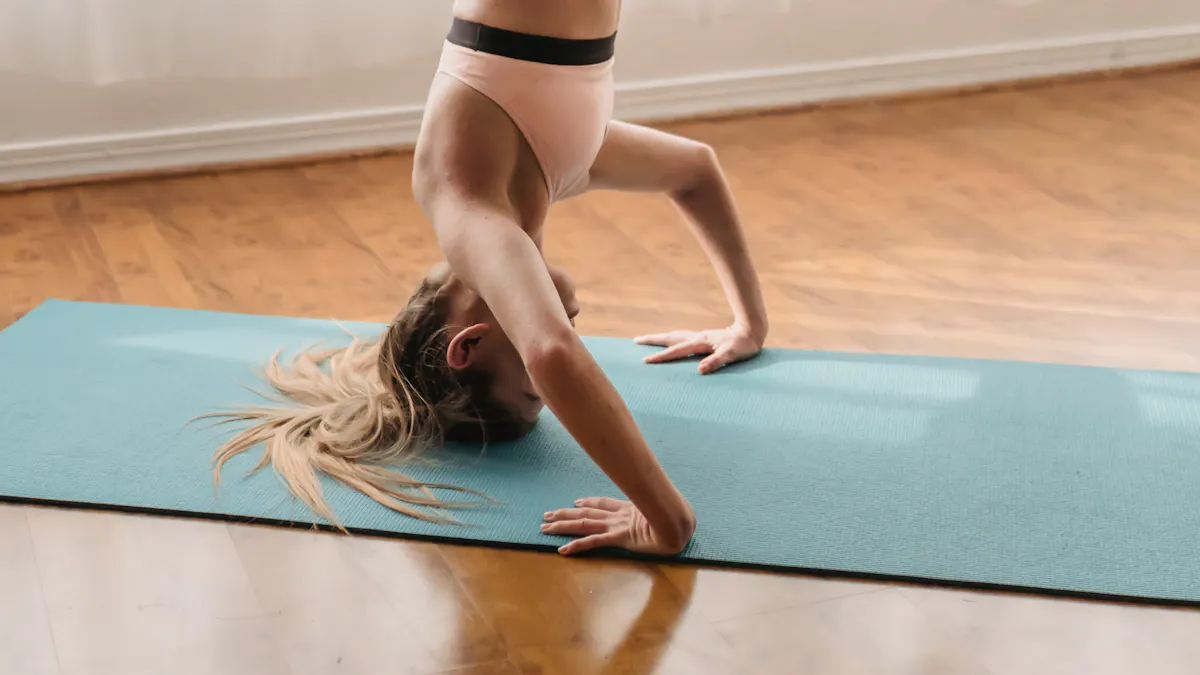
Introduction to Lotus in Tripod Headstand
In the world of yoga, mastering the art of Tripod Headstand is a significant achievement. However, taking it a step further by incorporating Padmasana (Lotus pose) into the Tripod Headstand adds an extra layer of complexity and grace to the practice. This advanced combination requires not only physical strength and flexibility but also mental focus and balance.
Why Lotus in Tripod Headstand?
The significance of Padmasana
The Lotus pose holds deep spiritual and symbolic significance in yoga philosophy. It represents purity, enlightenment, and the blossoming of one's inner self. By integrating Lotus into Tripod Headstand, practitioners aim to elevate their practice to a higher level of consciousness and mindfulness.
The challenge of combining Lotus and Tripod Headstand
The fusion of these two advanced poses presents a unique set of challenges. It demands exceptional core strength, hip flexibility, and precise alignment to achieve a seamless transition into Lotus while maintaining stability in the inverted position.
How Kathryn Budig's Approach Helps
Budig's credentials and experience
As an esteemed yoga teacher, Kathryn Budig brings a wealth of experience and expertise to her teachings. Her profound understanding of anatomy, alignment, and breath work equips her with the knowledge needed to guide students through complex asanas like Lotus in Tripod Headstand.
What makes her teaching method unique?
Budig's approach is rooted in inclusivity and empowerment. She advocates for body positivity in yoga, challenging stereotypes and promoting acceptance of all body types within the practice. Her emphasis on mindful movement and personalized modifications creates a safe space for students to explore advanced poses at their own pace.
By delving into Kathryn Budig's approach to this intricate yoga sequence, we can gain valuable insights into how she navigates the complexities involved in achieving Tripod Headstand, seamlessly transitioning into Padmasana, thus elevating our practice both physically and spiritually.
Step 1: Preparing for Lotus (Padmasana)
In the journey to mastering Lotus pose within Tripod Headstand, it is essential to lay a strong foundation by preparing the body for the intricate movements and deep flexibility required. Understanding the basics of Lotus and engaging in targeted exercises can significantly enhance one's ability to seamlessly integrate this advanced yoga sequence.
Understanding the Basics of Lotus
The anatomy of Lotus pose
The execution of Lotus pose involves a complex interplay of hip, knee, and ankle joints. Scientific research findings have highlighted that sitting in Lotus Pose may not be physically attainable for a significant portion of individuals due to the bony architecture of their pelvises and femurs. This emphasizes the need for gradual and mindful preparation to avoid strain or injury.
Common mistakes and how to avoid them
One common mistake when attempting Lotus pose is forcing the knees into position, which can lead to unnecessary strain on the ligaments. Instead, practitioners should focus on gentle, consistent stretching over time to gradually increase flexibility without causing harm. Mindful breathing techniques can also aid in releasing tension and promoting relaxation during these preparatory movements.
Exercises to Increase Flexibility
Hip openers and stretches
Engaging in targeted hip-opening asanas such as Pigeon Pose and Cow Face Pose can help alleviate tightness in the hips, thus laying the groundwork for achieving Lotus pose with greater ease. These poses facilitate a gradual release of tension in the hip flexors, allowing for increased mobility over time.
Ankle and knee preparation
To address potential limitations in ankle and knee flexibility, incorporating gentle stretches like ankle rotations and knee-to-chest movements can be beneficial. These exercises aim to create space within these joints while fostering an awareness of proper alignment, crucial for executing Lotus pose safely.
By dedicating time to understand the anatomical complexities involved in Lotus pose and engaging in targeted flexibility-enhancing exercises, practitioners pave the way for a more sustainable and fulfilling progression towards integrating this revered asana into their yoga practice.
Step 2: Entering Tripod Headstand
Foundation and Hand Placement
Establishing a strong foundation is paramount when venturing into the realm of Tripod Headstand. The setup begins with creating a stable base that can support the body's weight while maintaining proper alignment.
Setting up your base
Before initiating the ascent into Tripod Headstand, it is crucial to ensure that the arms are positioned shoulder-width apart, forming a stable triangle with the head as the apex. This triangular base provides a solid platform for the body to balance upon, distributing weight evenly across the forearms and head.
Hand positioning and its importance
The placement of the hands plays a pivotal role in maintaining stability and control during Tripod Headstand. Placing excessive pressure on the wrists can lead to discomfort or strain, emphasizing the need for mindful hand positioning. By grounding through the palms and spreading the fingers wide, practitioners can create a supportive structure that minimizes undue stress on the wrists while fostering a sense of steadiness.
Lifting into Tripod Headstand
Transitioning from a grounded position to an inverted stance requires deliberate engagement of both physical and mental faculties. The process involves harnessing core strength, breath awareness, and precise movements to achieve a graceful elevation into Tripod Headstand.
Engaging your core
Activating the core muscles serves as a fundamental component in executing Tripod Headstand. By drawing navel inward and upward towards the spine, practitioners cultivate stability within their center of gravity, fortifying their ability to sustain an inverted posture with poise and control.
The role of breath in lifting
Conscious breathing acts as an anchor during the ascent into Tripod Headstand, facilitating focus and equilibrium. Inhaling deeply through the nose fills the lungs with air, providing buoyancy and lift as one transitions into inversion. Exhaling slowly and steadily allows for heightened awareness of body positioning, aiding in maintaining balance throughout this dynamic movement.
Personal Experience:
During my journey as a Kripalu certified practitioner, I encountered challenges related to maintaining proper form in Tripod Headstand. Despite diligently adhering to correct posture guidelines, I experienced discomfort in my cervical spine due to a subtle neck tweak stemming from an upper back curve. This humbling experience underscored the importance of listening to my body's cues and refraining from comparing my progress to that of others.
Lessons Learned:
The event served as a poignant reminder that each individual's yoga journey is unique, emphasizing self-awareness over comparison. It highlighted the significance of honoring personal limitations while striving for growth within one's practice.
In addition to personal insights, renowned yoga instructor Kino MacGregor has shared her own struggles with mastering headstands initially but eventually gained proficiency through dedicated focus on technique, alignment, and movement mechanics. Her openness about her journey resonates with many practitioners who may encounter similar obstacles along their path.
Moreover, understanding from Matt elucidates how targeting requisite stability for tripod headstand setup involves activating specific shoulder muscles while ensuring appropriate muscle engagement throughout this intricate process.
Step 3: Transitioning into Lotus in Tripod Headstand

From Headstand to Lotus
Transitioning from the stable foundation of Tripod Headstand to the intricate posture of Lotus requires a seamless integration of strength, flexibility, and mental focus. As the body assumes an inverted position, adjusting the legs to form Lotus while maintaining balance becomes a harmonious dance between physical prowess and mindfulness.
Adjusting your legs while maintaining balance
The process of transitioning into Lotus within Tripod Headstand necessitates a deliberate and controlled movement to bring one leg at a time into the crossed position. This action demands acute awareness of body alignment and weight distribution to prevent destabilization. The engagement of core muscles serves as a stabilizing force, allowing for a gradual and steady adjustment of the legs without compromising equilibrium.
Tips for a smooth transition
Mindful breathwork: Consciously regulating the breath during this transition can foster a sense of calm and focus, aiding in maintaining composure while adjusting into Lotus.
Visual focal point: Fixating on a specific point on the mat or floor can enhance concentration and assist in steadying the mind amidst movement, contributing to a smoother transition.
Gradual progression: Embracing patience is pivotal; progressing at a pace that aligns with individual capabilities fosters sustainability in practice while reducing the risk of strain or injury.
Maintaining the Pose
Sustaining Lotus within Tripod Headstand embodies an amalgamation of physical poise, mental fortitude, and breath awareness. Once in this advanced posture, practitioners are tasked with upholding stability and grace through intentional focus and strategic adjustments.
Focus and breathing techniques
Maintaining unwavering attention on breath patterns cultivates an internal rhythm that harmonizes with the external manifestation of the pose. Deep inhalations infuse vitality into each cell, fostering buoyancy within Lotus, while steady exhalations ground practitioners in their present experience. This synchronization creates an anchor that bolsters both physical endurance and mental resilience throughout the duration of the pose.
Adjustments and how to correct common issues
Alignment cues: Paying heed to alignment cues from Kathryn Budig's guidance can aid in rectifying any deviations from optimal positioning.
Gentle micro-movements: Implementing subtle adjustments through micro-movements allows for real-time corrections without disrupting overall stability.
Utilizing props: Incorporating props such as blocks or straps can provide additional support when encountering challenges in maintaining proper alignment or balance.
Final Thoughts and Tips from Kathryn Budig
Kathryn Budig's Key Takeaways
Incorporating Lotus pose into Tripod Headstand is a journey that demands unwavering commitment, patience, and dedicated practice. As emphasized by Kathryn Budig, the significance of this endeavor extends beyond physical prowess; it delves into the realm of spiritual and mental fortitude.
The importance of patience and practice
Budig advocates for an approach rooted in patience and persistent practice. She emphasizes that progress in yoga, particularly when navigating complex asanas like Lotus in Tripod Headstand, unfolds gradually over time. It requires a deep sense of self-awareness and an understanding that each individual's journey is unique. Through consistent dedication to the practice, one can cultivate the resilience needed to overcome challenges and evolve within their yoga journey.
Budig's personal advice for mastering the pose
Drawing from her own experiences, Kathryn Budig offers invaluable insights into mastering Lotus in Tripod Headstand. She encourages practitioners to embrace vulnerability and imperfection, recognizing that growth often arises from moments of struggle. Her guidance underscores the importance of self-compassion, reminding individuals to celebrate their progress while acknowledging areas for improvement. By approaching the practice with an open heart and a willingness to learn, practitioners can forge a deeper connection with themselves and their yoga practice.
Encouragement and Next Steps
As practitioners embark on their quest to integrate Lotus into Tripod Headstand, it is essential to approach this endeavor with a sense of curiosity and openness. Kathryn Budig's encouragement resonates deeply within the yoga community, inspiring individuals to explore new possibilities within their practice.
How to incorporate this into your regular practice
Budig suggests incorporating preparatory exercises for Lotus pose alongside focused training for Tripod Headstand. By weaving these elements seamlessly into regular practice sessions, practitioners can gradually build the strength and flexibility necessary for this advanced combination. Consistency is key; dedicating time to refine foundational skills while nurturing an explorative spirit fosters sustainable growth within one's yoga journey.
Encouraging words from Kathryn Budig
In her teachings and writings, Kathryn Budig infuses her messages with compassion, humor, and authenticity. Her words serve as a beacon of encouragement for those venturing into uncharted territories within their yoga practice. With unwavering support and gentle guidance, she empowers individuals to embrace challenges with grace while celebrating every step forward on their path toward mastery.
See Also
Countdown to Handstand Stability: Iyengar 101 with Carrie Owerko
Discover Your Flow On and Off the Mat: Pillars of Power Yoga | Baptiste Yoga
Yoga Journal's Beginner's Guide to Kundalini Yoga

Hi my name is Lia and i am your host in this yoga journey in Portugal, Subscribe to our newsletter to receive every week the best of Yoga in Portugal.

We bring back the importance of initiation into womanhood by Roos-Veerle Krijnen & Ella-June Henrard
Welcome to the Women’s Initiation Retreat by Naked Truth Retreats, a transformative journey into the depths of your True Feminine Nature. This retreat invites you to remember the sacredness and wholeness of your being.
Roos-Veerle Krijnen & Ella-June Henrard