How to Introduce Yoga Poses to Preschoolers

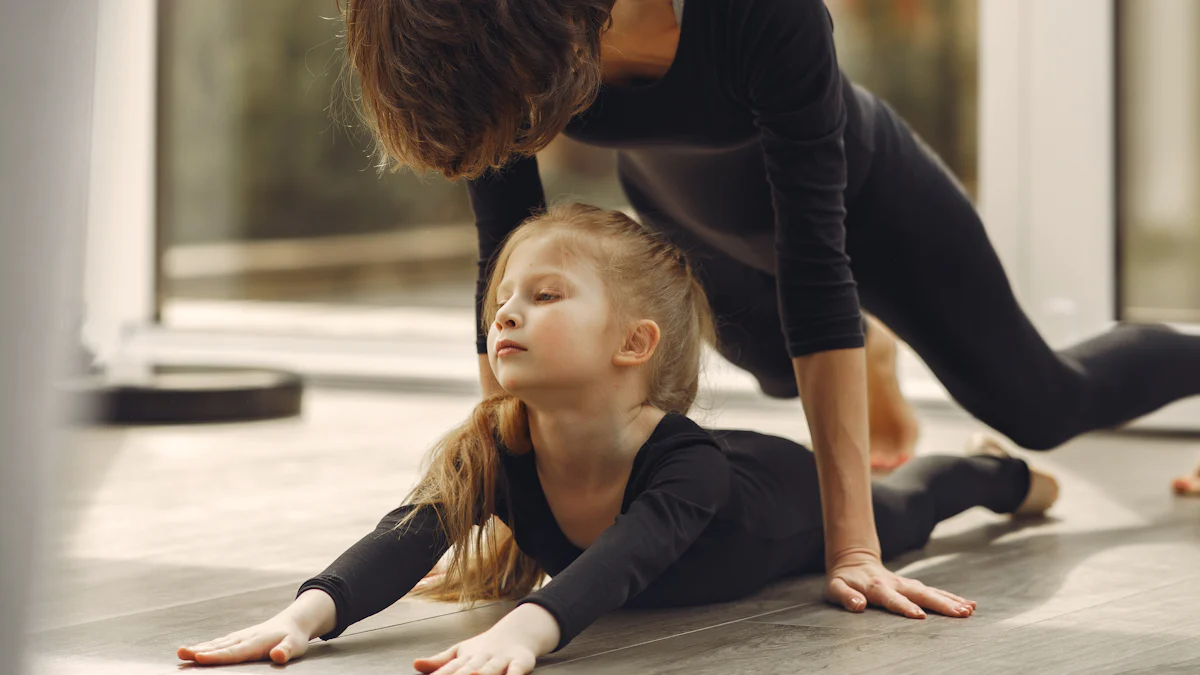
Yoga offers fantastic benefits for preschoolers. It helps them improve focus, coordination, and emotional regulation. Engaging in yoga can also boost their resilience and mood. You want to make yoga fun and exciting for young children. Incorporating games, storytelling, and colorful props can capture their imagination. When you create a playful atmosphere, preschoolers will enjoy exploring yoga for preschoolers poses. This approach not only keeps them interested but also fosters a positive environment for learning.
Key Takeaways
Yoga enhances preschoolers' focus, coordination, and emotional regulation, making it a valuable activity for their development.
Incorporate games and storytelling into yoga sessions to keep preschoolers engaged and make learning fun.
Choose simple poses like Child’s Pose and Downward-Facing Dog to introduce yoga, ensuring they are enjoyable and easy to learn.
Create a safe environment for yoga practice by using soft surfaces and removing obstacles to prevent accidents.
Monitor each child's physical limitations and encourage open communication to ensure a comfortable and supportive yoga experience.
Integrate yoga into daily routines, such as morning stretches or bedtime practices, to promote mindfulness and physical activity.
Use yoga as a calm-down tool by teaching deep breathing and gentle movements to help preschoolers manage their emotions effectively.
Understanding Preschoolers
Developmental Stages
When you teach yoga to preschoolers, understanding their developmental stages is crucial. At this age, children typically range from three to five years old. They experience rapid growth in physical, emotional, and cognitive areas. Here’s what you should know:
Physical Growth: Preschoolers develop coordination and balance. They enjoy moving their bodies and exploring different movements. Yoga poses can enhance these skills while keeping them engaged.
Emotional Development: Children begin to express their feelings more clearly. Yoga helps them learn to manage emotions. Poses can serve as tools for self-regulation, promoting calmness and focus.
Cognitive Skills: Preschoolers start to understand basic concepts like colors, shapes, and numbers. You can incorporate these elements into yoga sessions. For example, use colorful mats or props to make learning fun.
Learning Styles
Every child learns differently. Recognizing these learning styles can help you tailor your yoga sessions. Here are some common styles you might encounter:
Visual Learners: These kids learn best through sight. Use colorful visuals, like yoga cards or illustrations, to demonstrate poses. This approach captures their attention and helps them remember the poses.
Auditory Learners: Some children respond well to sounds and music. Incorporate songs or rhymes into your sessions. This method makes yoga enjoyable and reinforces memory through rhythm.
Kinesthetic Learners: Many preschoolers learn by doing. Allow them to explore poses through movement. Encourage them to lead the practice sometimes. This empowerment fosters confidence and creativity.
By understanding these developmental stages and learning styles, you can create a yoga experience that resonates with preschoolers. Engaging them in a way that suits their needs will make your sessions more effective and enjoyable.
Choosing Appropriate Poses for Preschoolers
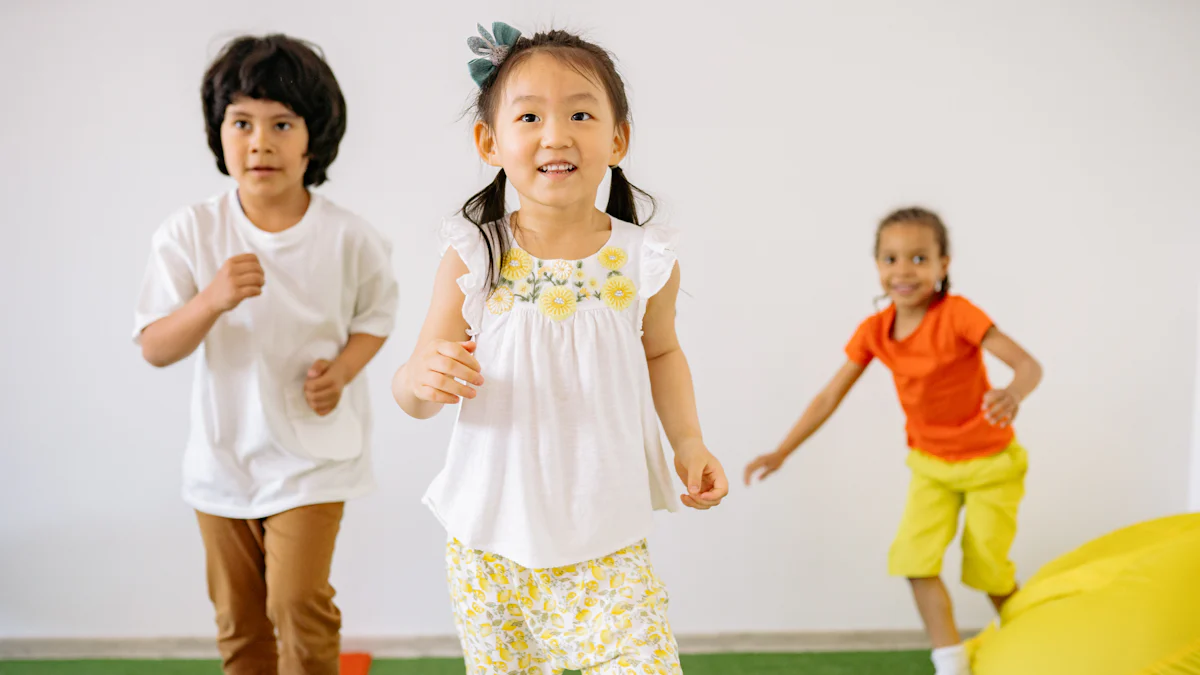
Simple Poses for Beginners
When introducing yoga for preschoolers poses, start with simple and fun options. Here are some great poses to consider:
Child’s Pose: This gentle stretch helps kids relax. It stretches the back, hips, and thighs. You can make it playful by adding animal sounds or movements. Kids love pretending to be little animals resting.
Downward-Facing Dog: In this pose, children can pretend to be stretching dogs. It releases tension in their spine, shoulders, and hamstrings. This pose also aids digestion and improves flexibility.
Butterfly Pose: Encourage kids to flutter like butterflies. This pose opens the hips and stretches the thighs. It also stimulates the kidneys and bladder, boosting concentration and balance.
Tree Pose: This pose allows kids to become trees swaying in the wind. It promotes balance and focus. You can incorporate storytelling to make it more engaging.
Bridge Pose: This asana strengthens back muscles and improves posture. It gives a rejuvenating stretch to the chest, neck, and spine. Kids can feel relaxed and calm after holding this pose.
These poses are not only easy to learn but also enjoyable for preschoolers. They can explore their bodies while having fun.
Benefits of Each Pose
Each pose offers unique benefits that support preschoolers' growth and development. Here’s how these poses help:
Child’s Pose: This pose promotes relaxation and helps kids manage stress. It encourages self-awareness and mindfulness.
Downward-Facing Dog: This pose enhances flexibility and strength. It also helps children develop better body awareness.
Butterfly Pose: This pose boosts concentration and balance. It encourages kids to connect with their bodies and movements.
Tree Pose: This pose improves focus and stability. It teaches children about grounding and being present.
Bridge Pose: This pose aids digestion and promotes relaxation. It helps children understand the importance of breathing and calming their minds.
Incorporating these simple poses into your sessions will create a fun and beneficial experience for preschoolers. They will enjoy exploring yoga while reaping the rewards of physical fitness and emotional well-being.
Engaging Teaching Methods for Yoga
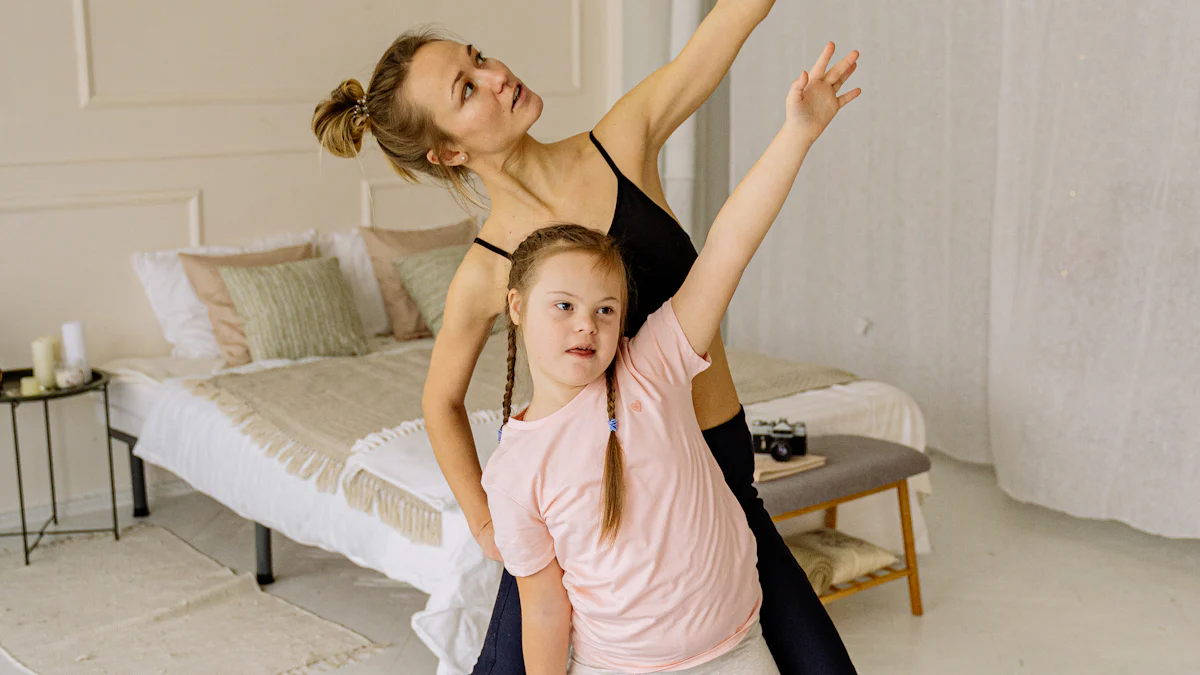
Using Games
Games make yoga fun and interactive for preschoolers. You can use various activities to keep their energy high and their minds engaged. Here are some ideas to incorporate games into your yoga sessions:
Animal Movements: Turn poses into animal actions. For example, when practicing Downward-Facing Dog, ask the kids to bark like dogs. This playful approach helps them connect with the pose while having fun.
Yoga Freeze Dance: Play music and let the children dance. When the music stops, they must freeze in a yoga pose. This game encourages creativity and helps them remember poses.
Yoga Relay Races: Set up a mini obstacle course where kids must perform a yoga pose at each station. This activity promotes teamwork and keeps them active.
Using games not only makes yoga enjoyable but also helps children develop social skills. They learn to cooperate, share, and support each other during activities.
Incorporating Storytelling
Storytelling adds a magical touch to yoga sessions. You can weave narratives into your practice to capture children's imaginations. Here’s how to do it effectively:
Create a Theme: Choose a theme for your session, like a journey through a jungle or a trip to outer space. Use this theme to guide the poses. For instance, while doing Tree Pose, tell a story about a tall tree in the forest.
Use Props: Incorporate props like stuffed animals or colorful mats. These items can represent characters in your story. For example, a stuffed lion can inspire kids to roar while in Warrior Pose.
Encourage Participation: Invite children to contribute to the story. Ask them what happens next or how they feel during the poses. This interaction fosters creativity and keeps them engaged.
By combining storytelling with yoga for preschoolers poses, you create a rich learning experience. Children not only practice physical movements but also enhance their imagination and emotional expression.
Safety Considerations in Yoga
Creating a Safe Environment
Safety comes first when you introduce yoga to preschoolers. You want to create a space where they can explore and learn without worry. Here are some tips to ensure a safe environment:
Choose a Soft Surface: Use yoga mats or soft carpets. This cushioning protects little bodies during falls or tumbles.
Clear the Area: Remove any sharp objects or obstacles. A clutter-free space allows kids to move freely without risk.
Supervise Closely: Always keep an eye on the children. Your presence reassures them and helps prevent accidents.
Use Props Wisely: Incorporate props like blocks or stuffed animals. Ensure these items are safe and appropriate for their age.
Set Ground Rules: Explain the importance of listening and being respectful during yoga. Establishing rules helps maintain a calm atmosphere.
Creating a safe environment not only protects preschoolers but also encourages them to engage fully in their practice. When they feel secure, they can focus on learning and having fun.
Monitoring Physical Limitations
Every child has unique physical abilities. As you guide preschoolers through yoga, pay attention to their individual needs. Here’s how to monitor their physical limitations effectively:
Observe Their Movements: Watch how they perform each pose. If a child struggles, offer modifications or alternative poses. This approach ensures they stay comfortable and engaged.
Encourage Open Communication: Invite children to express how they feel during poses. Ask questions like, “Does this feel good?” or “Are you comfortable?” This dialogue helps you understand their limits.
Be Mindful of Fatigue: Preschoolers can tire quickly. Keep sessions short and dynamic. If you notice signs of fatigue, switch to a calming activity or take a break.
Respect Individual Differences: Some children may have physical challenges. Adapt poses to suit their needs. For example, if a child cannot balance in Tree Pose, suggest a seated version instead.
Promote Self-Awareness: Teach kids to listen to their bodies. Encourage them to stop if something feels wrong. This practice fosters a sense of body awareness and self-regulation.
By monitoring physical limitations, you create a supportive environment. Children will feel empowered to explore yoga at their own pace. This approach not only enhances their experience but also promotes their overall well-being.
Incorporating Yoga into Daily Routines
Daily Yoga Practices
You can easily weave yoga into your preschoolers' daily routines. Start with short sessions that fit into their day. Here are some ideas to help you get started:
Morning Stretch: Begin the day with a few simple poses. Encourage your child to wake up their body with stretches like Downward-Facing Dog or Child’s Pose. This practice sets a positive tone for the day.
Transition Time: Use yoga during transitions, like moving from playtime to snack time. A quick Tree Pose or Butterfly Pose can help them refocus and calm down.
Bedtime Routine: Incorporate gentle poses before bedtime. Poses like Bridge Pose can help relax their bodies and minds. This practice promotes better sleep and a peaceful end to the day.
By making yoga a regular part of their routine, you help preschoolers develop a habit of mindfulness and physical activity. Regular practice can lead to improvements in their body strength and balance. In fact, 97 percent of teachers using yoga in their classes reported positive changes in children's balance.
Yoga as a Calm-Down Tool
Yoga serves as an excellent calm-down tool for preschoolers. When emotions run high, you can guide them through calming poses. Here’s how to use yoga to help them relax:
Deep Breathing: Teach your child to take deep breaths while in a comfortable seated position. Encourage them to inhale deeply through the nose and exhale slowly through the mouth. This technique helps reduce anxiety and promotes relaxation.
Mindful Movement: Lead them through slow, gentle movements. Poses like Child’s Pose or seated forward bends can help them release tension. You can even create a calming story around these poses to keep them engaged.
Quiet Time: Set aside a few minutes for quiet reflection after yoga. Encourage your child to lie down and visualize a peaceful scene. This practice fosters emotional regulation and self-awareness.
Using yoga as a calm-down tool not only helps preschoolers manage their emotions but also enhances their overall well-being. Regular practice can lead to better focus and emotional control.
Teaching yoga to preschoolers opens up a world of benefits. You help them improve focus, coordination, and emotional regulation. Yoga fosters a sense of calm and enhances their physical abilities. By incorporating yoga into their daily routines, you create opportunities for mindfulness and self-discovery. Start small with simple poses and playful activities. Your efforts can lead to positive changes in their behavior and concentration. So, why wait? Embrace the joy of yoga and watch your child thrive!
FAQ
What are some of the benefits of yoga for kids?
Yoga offers numerous benefits for children. It helps improve focus, coordination, and emotional regulation. Kids also learn to manage stress and anxiety through mindful breathing and gentle movements. Regular practice can enhance their physical abilities while promoting a sense of calm. According to a 2016 Yoga in America study, over 36 million people practice yoga, and many families include their children in this healthy activity.
How can I make yoga fun for preschoolers?
You can make yoga enjoyable by incorporating games, storytelling, and colorful props. Use animal movements to turn poses into playful actions. For example, when practicing Downward-Facing Dog, encourage kids to bark like dogs. This playful approach keeps them engaged and excited about learning.
How long should yoga sessions be for preschoolers?
Keep yoga sessions short and dynamic. Aim for 15 to 20 minutes. Preschoolers have limited attention spans, so shorter sessions help maintain their interest. You can always add more time as they become more comfortable with the practice.
Can preschoolers practice yoga at home?
Absolutely! You can easily incorporate yoga into your child's daily routine. Start with simple poses during morning stretches or bedtime routines. This practice helps them develop mindfulness and physical activity habits at home.
What if my child doesn’t want to participate in yoga?
If your child shows reluctance, don’t force them. Instead, encourage them to explore yoga at their own pace. Offer choices and let them lead the practice sometimes. This empowerment fosters a positive attitude toward yoga.
Are there any safety concerns when teaching yoga to preschoolers?
Safety is essential when introducing yoga to young children. Always create a safe environment by using soft surfaces and removing obstacles. Supervise closely and encourage open communication about how they feel during poses. This approach helps prevent accidents and ensures a positive experience.
What poses are best for beginners?
Start with simple poses that are easy to learn and fun to practice. Great options include Child’s Pose, Downward-Facing Dog, Butterfly Pose, Tree Pose, and Bridge Pose. These poses promote relaxation, balance, and flexibility while keeping kids engaged.
How can I incorporate yoga into my child's school day?
Talk to your child's teacher about integrating yoga into the classroom. Suggest short sessions during transitions or as a calming tool after active play. Many educators find that yoga helps improve focus and behavior in the classroom.
Can yoga help with emotional regulation in preschoolers?
Yes! Yoga teaches children to recognize and manage their emotions. Through mindful breathing and gentle movements, kids learn to calm themselves during stressful situations. This practice fosters emotional awareness and self-regulation.
How often should preschoolers practice yoga?
Aim for regular practice, ideally a few times a week. Consistency helps children develop their skills and reap the benefits of yoga. You can start small and gradually increase the frequency as they become more comfortable with the practice.
See Also
12 Fun Yoga Poses Kids Can Do Indoors
Starting Your Easy Yoga Practice at Home
Getting Started with Chair Yoga for Newbies
Hi my name is Lia and i am your host in this yoga journey in Portugal, Subscribe to our newsletter to receive every week the best of Yoga in Portugal.

We bring back the importance of initiation into womanhood by Roos-Veerle Krijnen & Ella-June Henrard
Welcome to the Women’s Initiation Retreat by Naked Truth Retreats, a transformative journey into the depths of your True Feminine Nature. This retreat invites you to remember the sacredness and wholeness of your being.
Roos-Veerle Krijnen & Ella-June Henrard