How to Introduce Yoga to Preschoolers with Ease

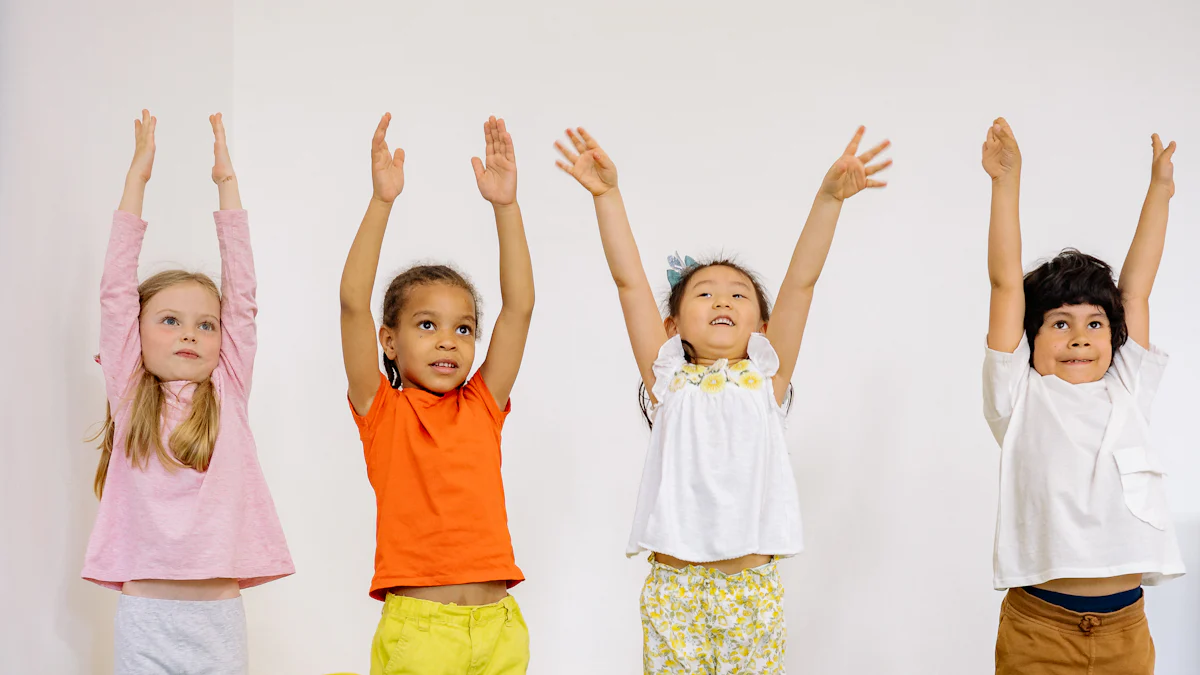
Yoga offers a wonderful way for preschoolers to explore movement and mindfulness. It helps them manage anxiety and improve emotional regulation. You might be surprised to learn that participation in yoga among children aged 4–17 increased from 3.1% in 2012 to 8.4% in 2017. This growing trend highlights the importance of introducing yoga activities for preschoolers. Creating a fun and engaging environment ensures that young children enjoy the experience. By setting the stage with creativity and enthusiasm, you can make yoga a delightful part of their routine.
Preparing for Yoga Sessions
Creating a Safe and Inviting Space
Choosing the right location
When introducing yoga to preschoolers, selecting the right location is crucial. You want a space that's open and free from distractions. A quiet room or a corner in your home can work wonders. Make sure there's enough room for little ones to stretch and move without bumping into furniture. If you're outdoors, a grassy area or a soft surface is ideal. The key is to create an environment where children feel comfortable and ready to explore.
Ensuring safety and comfort
Safety and comfort should be top priorities. Ensure the floor is non-slip to prevent any accidental falls. You might consider using Kids Yoga Mats. These mats have a no-slip surface and provide just the right amount of support and softness. Plus, they come in bright colors that kids will love. Having their own mat can make children feel special and more engaged in the activity. Always check the area for any potential hazards, like sharp objects or uneven surfaces, before starting the session.
Gathering Necessary Materials
Yoga mats and props
Having the right materials can make a big difference. Fun Yoga Mat For Kids by YOGA Accessories is a great choice. It's non-skid and sized just for kids, making it perfect for little yogis. The mat's rounded edges help it stay in place, ensuring a stable practice. You can also introduce props like small cushions or blocks to support different poses. These tools can enhance the experience and make yoga more accessible for young children.
Music and sound options
Music can set the tone for a yoga session. Choose calming tunes or nature sounds to create a peaceful atmosphere. You might also consider using songs with simple lyrics that encourage movement. This can make the session more interactive and fun. Music helps children focus and can guide them through the flow of poses. Remember, the goal is to make yoga enjoyable and engaging, so feel free to experiment with different sound options to see what resonates best with your preschoolers.
Engaging Preschoolers in Yoga
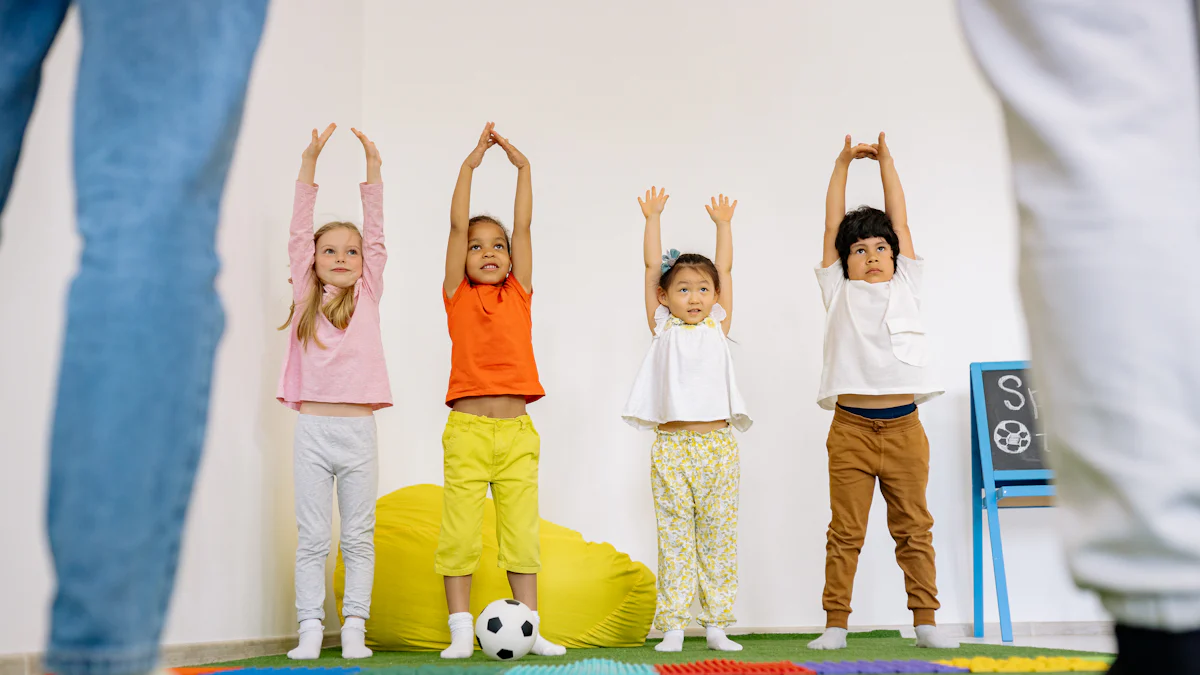
Using Storytelling and Imagination
Incorporating themes and stories
You can transform yoga sessions into magical adventures by weaving storytelling into the practice. Imagine a journey through a jungle where each pose represents a different animal. The children become lions, stretching and roaring with pride, or butterflies, fluttering gracefully. This approach not only captures their attention but also makes each session memorable. By linking poses to stories, you help kids connect with the movements in a meaningful way. They start to see yoga as an exciting narrative rather than just a series of exercises.
Encouraging creative expression
Encourage preschoolers to express themselves creatively during yoga. Ask them to imagine what it feels like to be a tree swaying in the wind or a star shining brightly in the night sky. Let them create their own poses based on their imagination. This freedom fosters creativity and boosts their confidence. You might even invite them to share their own stories or ideas for poses. By doing so, you make them active participants in the session, which enhances their engagement and enjoyment.
Introducing Basic Yoga Poses
Simple poses for beginners
Start with simple poses that are easy for preschoolers to follow. Poses like the Tree Pose, Cat-Cow, and Downward Dog are perfect for beginners. These poses help build balance, flexibility, and strength. Demonstrate each pose clearly and encourage the kids to mimic your movements. Keep the instructions straightforward and use playful language to describe the actions. For instance, you might say, "Let's become tall trees reaching for the sky!" This makes the learning process fun and accessible.
Demonstrating and guiding
Demonstration plays a crucial role in teaching yoga to preschoolers. Show each pose step-by-step and guide them through the movements. Use your body language and facial expressions to convey enthusiasm and encouragement. You can also offer gentle corrections to ensure they perform the poses safely. Remember, the goal is to create a supportive environment where children feel comfortable exploring yoga. Celebrate their efforts and progress, no matter how small, to keep them motivated and eager to learn more.
Maintaining Interest and Participation
Incorporating Games and Activities
Yoga games for fun
You can make yoga exciting by introducing games. Try a game like "Yoga Freeze." Play music and have the kids move around. When the music stops, they freeze in a yoga pose. This game keeps them active and engaged. It also helps them learn poses in a playful way. Another fun idea is "Pose Relay." Divide the kids into teams. Each team member performs a pose before tagging the next player. These games promote teamwork and make yoga enjoyable.
Interactive activities
Interactive activities can spark curiosity. Use props like scarves or ribbons to add a creative twist. Ask the kids to wave them like ocean waves while in a pose. You can also incorporate storytelling. Create a story where each child acts out a character using yoga poses. This approach nurtures imagination and keeps them interested. By blending play with learning, you create a dynamic yoga experience.
Encouraging Consistency and Routine
Setting a regular schedule
Establishing a routine helps preschoolers feel secure. Set a regular schedule for yoga sessions. Consistency builds anticipation and makes yoga a natural part of their day. You might choose a specific time, like after nap time or before storytime. A predictable routine helps children know what to expect and makes them more likely to participate.
Rewarding participation and progress
Celebrate their efforts to keep motivation high. Offer simple rewards like stickers or a "Yoga Star" certificate. Recognize their progress and participation. Positive reinforcement encourages them to continue practicing. You can also create a "Yoga Chart" to track their achievements. This visual reminder boosts their confidence and makes them proud of their accomplishments.
"Nurturing holistic development in young children through yoga can ignite imagination and promote physical activity."
By incorporating these strategies, you foster a love for yoga that supports their social-emotional growth and resilience.
Yoga Activities for Preschoolers
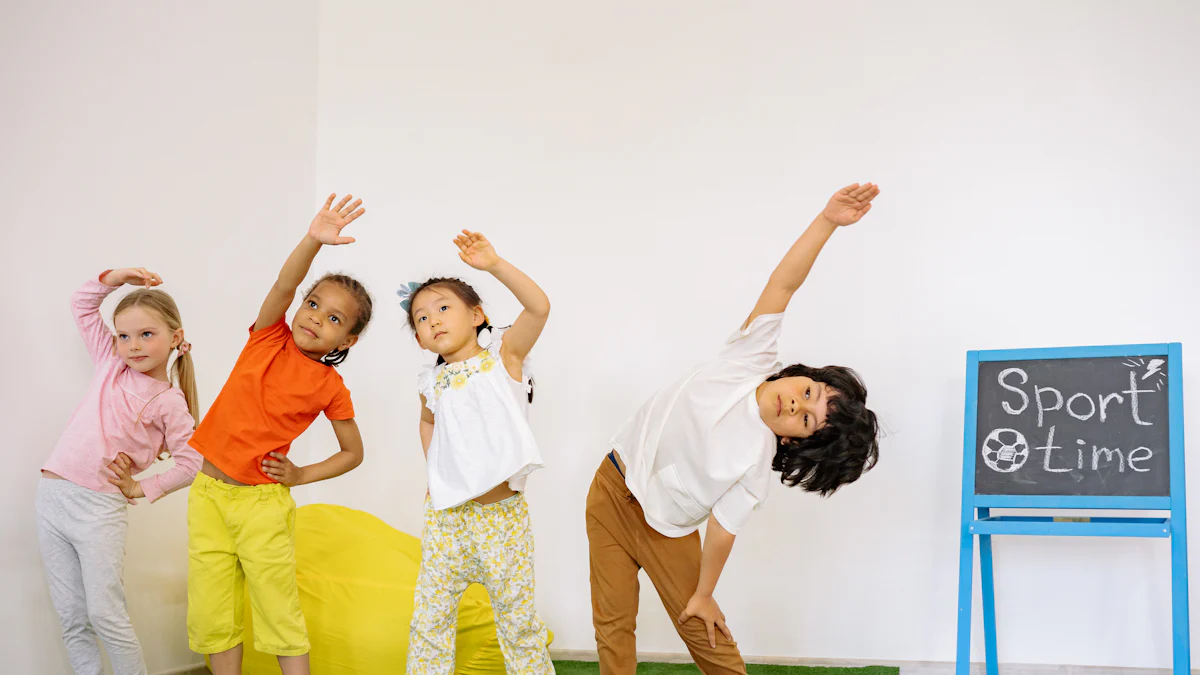
Fun and Engaging Yoga Activities
Animal-themed poses
Animal-themed poses are a fantastic way to capture preschoolers' imaginations. You can transform them into lions, frogs, or butterflies. Each pose becomes an adventure. For example, the Lion Pose lets them roar with confidence, while the Frog Pose encourages playful jumps. These activities not only make yoga fun but also help improve their focus and behavior. Research shows that yoga enhances children's ability to concentrate and manage stress, leading to better performance in school.
Breathing exercises
Breathing exercises are essential for young children. They teach kids how to relax and stay calm. You can introduce simple techniques like the Bunny Breath, where they take quick, short breaths through the nose. This exercise helps them learn to be present and manage emotions. Studies highlight that yoga improves emotional regulation, allowing children to gain a peaceful state of mind. By incorporating these exercises, you support their social-emotional development and resilience.
Introducing yoga to preschoolers can be a joyful journey. You've learned how to create a safe space, engage with storytelling, and maintain interest through games. Starting yoga with your little ones encourages calmness and creativity.
Parents have shared that their children enjoy yoga sessions and love showing off what they've learned at home.
Feel inspired to begin this adventure with your preschoolers. Share your experiences and feedback—your insights can help others on this path.
See Also
Selecting the Perfect Yoga School for Your Path
Essential Yoga Anatomy for Novices
Exploring Love-Filled Yoga Getaways for Partners
Best 12 Yoga Soundtracks for Complete Serenity
Exploring Yoga Alliance Instructor Certification in Thailand for 2024
Hi my name is Lia and i am your host in this yoga journey in Portugal, Subscribe to our newsletter to receive every week the best of Yoga in Portugal.

We bring back the importance of initiation into womanhood by Roos-Veerle Krijnen & Ella-June Henrard
Welcome to the Women’s Initiation Retreat by Naked Truth Retreats, a transformative journey into the depths of your True Feminine Nature. This retreat invites you to remember the sacredness and wholeness of your being.
Roos-Veerle Krijnen & Ella-June Henrard