How to Introduce Yoga to Children: A Step-by-Step Guide

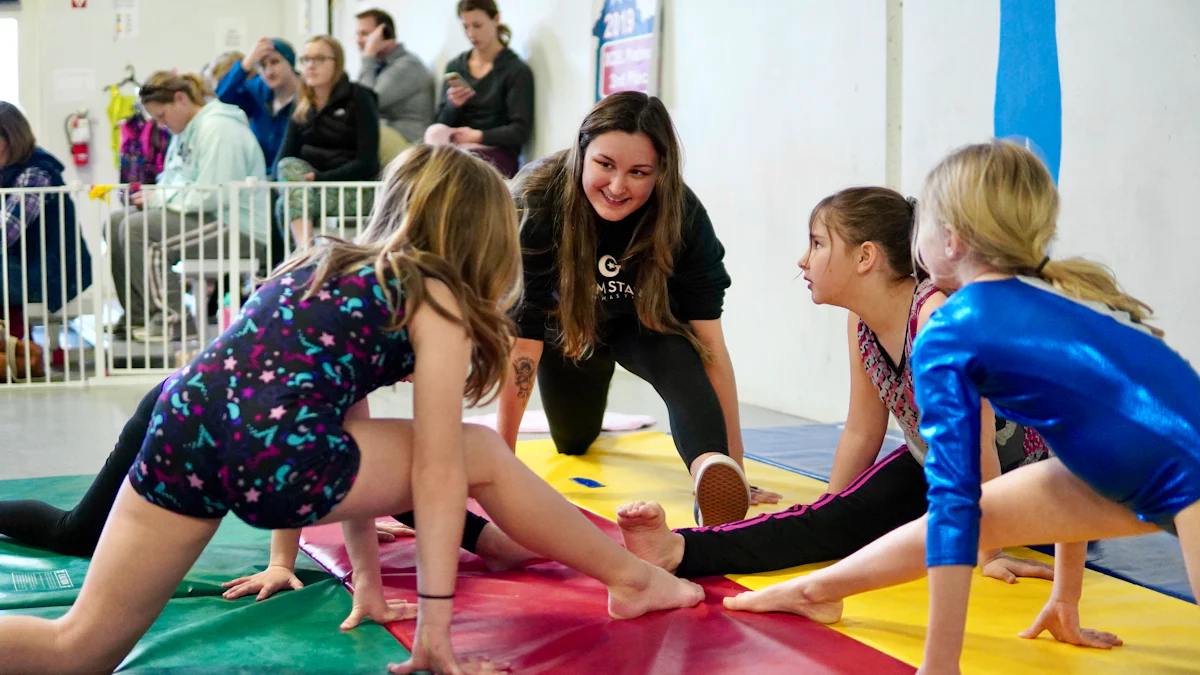
Yoga enfance offers a wonderful way to support your child's development. It enhances both physical and mental well-being. Kids who practice yoga often show improved behavior, better visual-motor coordination, and enhanced cognitive performance. Yoga can also help children concentrate and stay calm. It provides them with tools for relaxation and peace. To make yoga enfance appealing, it's essential to keep it fun and engaging. Using playful poses and storytelling can capture their imagination. By introducing yoga in a lively manner, you can help your child enjoy the many benefits of this ancient practice.
Benefits of Yoga for Children
Yoga enfance offers a treasure trove of benefits for children. By engaging in this practice, kids can experience improvements in their physical, mental, and social well-being. Let's dive into these benefits and see how yoga can make a positive impact on your child's life.
Physical Benefits
Improved flexibility and strength
Yoga helps children develop flexibility and strength. When kids practice poses like the Downward Dog or Tree Pose, they stretch and strengthen their muscles. This not only makes them more agile but also supports their overall physical health. A 2019 study on 5-year-old kindergartners found that after 12 weeks of Hatha yoga practice, children showed enhanced behavior and visual-motor coordination. This improvement in physical abilities can help your child excel in other activities, too.
Enhanced balance and coordination
Balance and coordination are crucial skills for children. Yoga poses such as the Warrior and Eagle challenge kids to maintain stability, which enhances their balance. As they practice, they learn to control their movements better. This can lead to improved performance in sports and daily activities. Plus, mastering these poses boosts their confidence, making them feel accomplished.
Mental and Emotional Benefits
Increased focus and concentration
Yoga enfance can significantly improve your child's focus and concentration. Through postures, breathing exercises, and mindfulness techniques, children learn to center their attention. Research has shown that yoga can enhance children's attention span and concentration skills. This means your child can perform better in school and other tasks that require sustained focus.
Stress reduction and relaxation
In today's fast-paced world, children can experience stress just like adults. Yoga provides them with tools to manage stress effectively. Breathing exercises and stretching help relax their minds and bodies. This teaches them relaxation techniques that calm and center them. As a result, they become more present and less anxious. Yoga can be a sanctuary for your child, offering peace and tranquility amidst the chaos.
Social Benefits
Boosted confidence and self-esteem
Practicing yoga can boost your child's confidence and self-esteem. As they master new poses and techniques, they gain a sense of achievement. This newfound confidence spills over into other areas of their life. They feel more capable and ready to take on challenges. Yoga encourages them to believe in themselves and their abilities.
Encouragement of teamwork and cooperation
Yoga isn't just an individual activity; it can also be a social one. Group yoga sessions encourage teamwork and cooperation. Children learn to work together, support each other, and celebrate each other's successes. This fosters a sense of community and belonging. By practicing yoga with others, your child can develop valuable social skills that will benefit them throughout their life.
Incorporating yoga enfance into your child's routine can lead to a happier, healthier, and more balanced life. By embracing this ancient practice, you provide them with tools to thrive physically, mentally, and socially.
Step-by-Step Guide to Introducing Yoga
Introducing yoga to children can be a delightful journey. By following these steps, you can create an engaging and beneficial yoga experience for your little ones.
Creating a Fun and Engaging Environment
To capture children's interest, make the yoga environment vibrant and inviting.
Use of colorful mats and props: Brightly colored mats and fun props like yoga blocks or small stuffed animals can make yoga sessions more appealing. These items not only add a splash of color but also serve as tools for various poses and activities. Kids love visual stimulation, and these elements can help maintain their attention.
Incorporating music and storytelling: Music and stories can transform a yoga session into an adventure. Play calming tunes or songs with nature sounds to set a serene atmosphere. You can weave stories into the practice, turning poses into parts of a narrative. For instance, while doing the Tree Pose, you might tell a story about a forest. This approach engages their imagination and makes yoga enfance more enjoyable.
Starting with Simple Poses
Begin with basic poses that are easy for children to follow.
Demonstrating poses with clear instructions: Show each pose step-by-step. Use simple language and demonstrate slowly so they can mimic your movements. Encourage them to ask questions if they're unsure. Clear instructions help them understand and perform poses correctly, building their confidence.
Encouraging creativity and exploration: Allow children to explore poses in their own way. Let them modify poses to suit their comfort level. This freedom fosters creativity and helps them connect with their bodies. You might say, "How would you like to be a tree today?" This invites them to express themselves through yoga enfance.
Incorporating Mindfulness and Breathing
Mindfulness and breathing exercises are key components of yoga.
Teaching simple breathing exercises: Introduce basic breathing techniques like deep belly breathing. Ask them to place their hands on their bellies and feel the rise and fall as they breathe. This practice helps them focus and relax, reducing stress and anxiety.
Introducing short meditation practices: Start with brief meditation sessions, perhaps just a minute or two. Guide them to close their eyes and imagine a peaceful place. This practice enhances their ability to concentrate and find calmness amidst daily chaos.
A study on 5-year-old kindergartners practicing yoga showed enhanced behavior and cognitive performance, highlighting the benefits of incorporating yoga into children's routines.
By following this guide, you can introduce yoga enfance in a way that is both fun and beneficial. Remember, the goal is to make yoga a joyful experience that children look forward to. With patience and creativity, you can help them discover the wonders of yoga.
Recommended Poses and Activities by Age Group
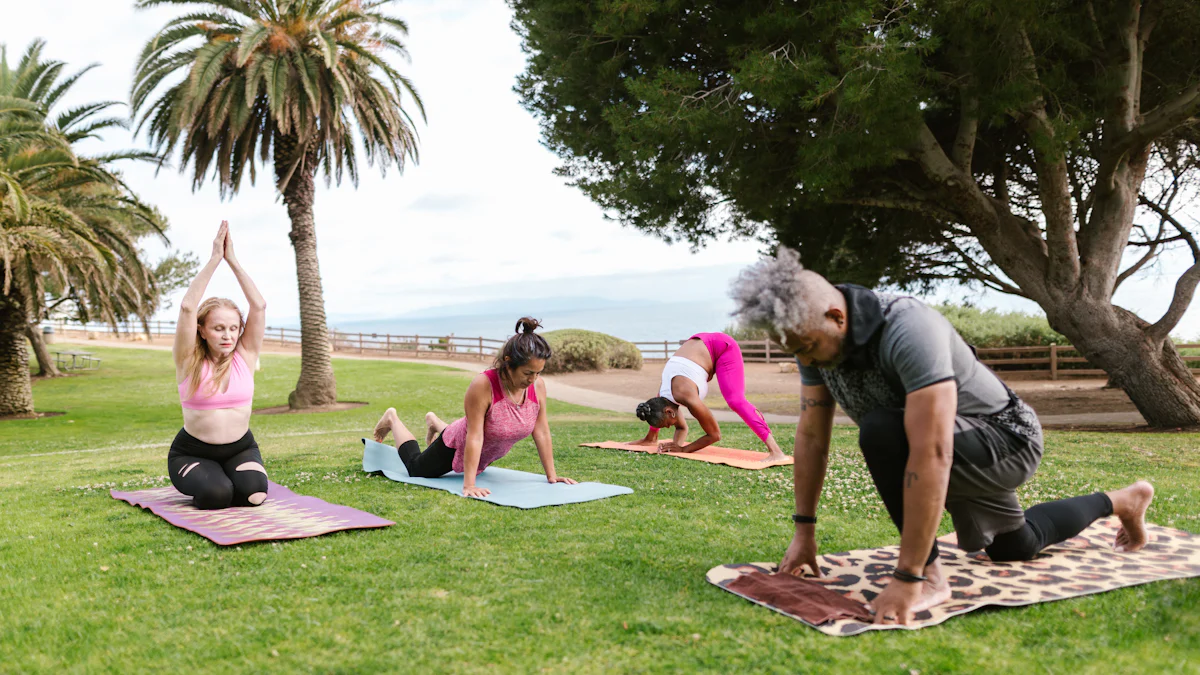
Introducing yoga to children can be a delightful experience when tailored to their age group. Each stage of childhood offers unique opportunities for growth and exploration through yoga. Let's explore some recommended poses and activities for different age groups.
Ages 3-5
At this tender age, children are full of energy and curiosity. Yoga can channel this energy into playful and imaginative movements.
Animal poses and playful movements
Kids love animals, so why not incorporate them into yoga? Encourage them to mimic animals with poses like the Cat-Cow, Cobra, and Frog. These poses not only engage their imagination but also help improve flexibility and coordination. You can say, "Let's be a slithering snake or a hopping frog!" This approach makes yoga enfance a fun adventure.
Short, interactive yoga games
Games are a fantastic way to keep young children engaged. Try simple yoga games that involve balancing or mimicking poses. For example, play "Yoga Freeze," where they hold a pose until you say "unfreeze." These activities promote focus and teamwork while keeping the practice lively and enjoyable.
Ages 6-9
Children in this age group are ready for more structured activities. They can handle basic poses that build strength and balance.
Basic balance and strength poses
Introduce poses like the Warrior and Tree Pose. These poses challenge their balance and build strength. Encourage them to hold each pose for a few breaths, enhancing their concentration and stability. You might say, "Can you stand tall like a tree swaying in the wind?" This helps them connect with their bodies and the environment.
Group activities and partner poses
Yoga becomes even more exciting with friends. Organize group activities where they can practice partner poses like the Double Boat or Back-to-Back Chair. These poses foster cooperation and communication, essential skills for social development. Plus, practicing together creates a sense of community and support.
Ages 10-12
Older children are ready for more challenging poses and sequences. They can explore the deeper aspects of yoga.
Introduction to more challenging poses
Introduce them to poses like the Crow or Wheel. These poses require focus and determination, helping them build resilience. Encourage them to try new poses at their own pace, emphasizing progress over perfection. This approach nurtures their confidence and self-esteem.
Incorporating yoga sequences and flows
Guide them through simple yoga sequences or flows. Create a series of poses that flow smoothly from one to the next, like a mini yoga dance. This practice enhances their coordination and rhythm. You can say, "Let's create our own yoga story with these poses." This encourages creativity and self-expression.
By tailoring yoga activities to each age group, you can make yoga enfance a rewarding and enjoyable experience for children. Whether they're pretending to be animals or mastering challenging poses, yoga offers endless possibilities for growth and fun.
Tips for Parents and Educators
Introducing yoga to children can be a rewarding experience. Here are some practical tips to help you make the most of this journey.
Encouraging Consistency
Consistency is key when it comes to yoga practice. It helps children develop a routine and understand what to expect.
Setting a regular yoga schedule
Create a regular yoga schedule that fits into your child's daily life. You might choose a specific time each day, like after school or before bedtime. This consistency helps children look forward to their yoga sessions and makes it a natural part of their routine. A regular schedule also reinforces the habit, making it easier for them to stick with it.
Making yoga a part of daily routines
Incorporate yoga into everyday activities. You can start with short sessions, perhaps just a few minutes, and gradually increase the time as they become more comfortable. Encourage them to practice simple poses or breathing exercises during breaks or before homework. By weaving yoga into daily life, you help children see it as a fun and relaxing activity rather than a chore.
Adapting to Individual Needs
Every child is unique, and their yoga practice should reflect that. Being mindful of their individual needs ensures a positive experience.
Being mindful of each child's abilities
Pay attention to each child's abilities and comfort levels. Some children may find certain poses challenging, while others excel. Encourage them to listen to their bodies and go at their own pace. This approach fosters a sense of self-awareness and respect for their own limits. Remember, yoga is a non-competitive activity, so there's no need to compare or push too hard.
Offering modifications and alternatives
Provide modifications and alternatives for poses that may be difficult. Use props like blocks or straps to assist them. Offer simpler versions of poses or suggest different poses that achieve similar benefits. This flexibility allows children to participate fully and enjoy the practice without feeling frustrated. By adapting to their needs, you create an inclusive environment where every child can thrive.
"Yoga helps children calm down, while cultivating patience, kindness, and a love for their bodies." By embracing these tips, you can support your child's journey in yoga and help them reap the many benefits it offers.
Long-term Benefits of Yoga for Children
Yoga enfance offers children a foundation for lifelong health and well-being. By integrating yoga into their daily lives, you can help them develop healthy habits and essential life skills.
Development of Healthy Habits
Encouragement of lifelong physical activity
Yoga enfance encourages children to embrace physical activity as a natural part of their lives. When kids engage in yoga, they learn to enjoy movement and exercise. This enjoyment can lead to a lifelong love for physical activity. As they grow, they will likely continue to seek out ways to stay active, whether through yoga or other forms of exercise. A 2019 study on kindergartners showed that regular yoga practice improved their physical abilities, such as flexibility and coordination. These improvements can inspire children to participate in various physical activities with confidence.
Promotion of mental well-being
Yoga enfance also promotes mental well-being by teaching children how to manage their thoughts and emotions. Through mindfulness and breathing exercises, kids learn to focus their minds and calm their bodies. This practice helps them develop a sense of inner peace and balance. A review of school-based yoga programs in 2016 highlighted the positive impact of yoga on adolescents' mental health. By introducing yoga early, you provide children with tools to maintain mental well-being throughout their lives.
Building Resilience and Coping Skills
Teaching children to manage stress
In today's fast-paced world, stress affects everyone, including children. Yoga enfance equips kids with techniques to manage stress effectively. Breathing exercises and relaxation techniques teach them how to calm themselves in stressful situations. A morning yoga program for children demonstrated that these techniques help kids center themselves, enhancing their school experience. By practicing yoga, children learn to approach challenges with a calm and focused mindset.
Fostering emotional intelligence
Yoga enfance fosters emotional intelligence by encouraging children to explore their feelings and reactions. Through yoga, kids become more aware of their emotions and learn to express them healthily. This awareness helps them build empathy and understanding towards others. As they practice yoga, they develop the ability to navigate social interactions with kindness and patience. These skills are invaluable as they grow and interact with the world around them.
By incorporating yoga enfance into your child's routine, you lay the groundwork for a lifetime of health and resilience. The benefits extend beyond the physical, nurturing their mental and emotional growth. With yoga, children gain the tools they need to thrive in all aspects of life.
Introducing yoga to children offers numerous benefits that can positively impact their development. By incorporating yoga into daily routines, you provide them with tools to manage stress and anxiety effectively. As one parent noted, "Yoga increases a child’s ability to concentrate and stay calm, giving them valuable tools for finding peace and relaxation." Encouraging yoga practice helps children develop physical health, flexibility, and mental calmness. Embrace this ancient practice to nurture your child's growth, ensuring they gain essential life skills that extend beyond childhood.
See Also
Effective Techniques for Teaching Yoga to Preschoolers
Your Comprehensive Path to Certification as a Yoga Instructor
Safe Yoga Practices for Seniors Starting Their Journey

Hi my name is Lia and i am your host in this yoga journey in Portugal, Subscribe to our newsletter to receive every week the best of Yoga in Portugal.

We bring back the importance of initiation into womanhood by Roos-Veerle Krijnen & Ella-June Henrard
Welcome to the Women’s Initiation Retreat by Naked Truth Retreats, a transformative journey into the depths of your True Feminine Nature. This retreat invites you to remember the sacredness and wholeness of your being.
Roos-Veerle Krijnen & Ella-June Henrard