How to Determine the Ideal Yoga Mat Thickness

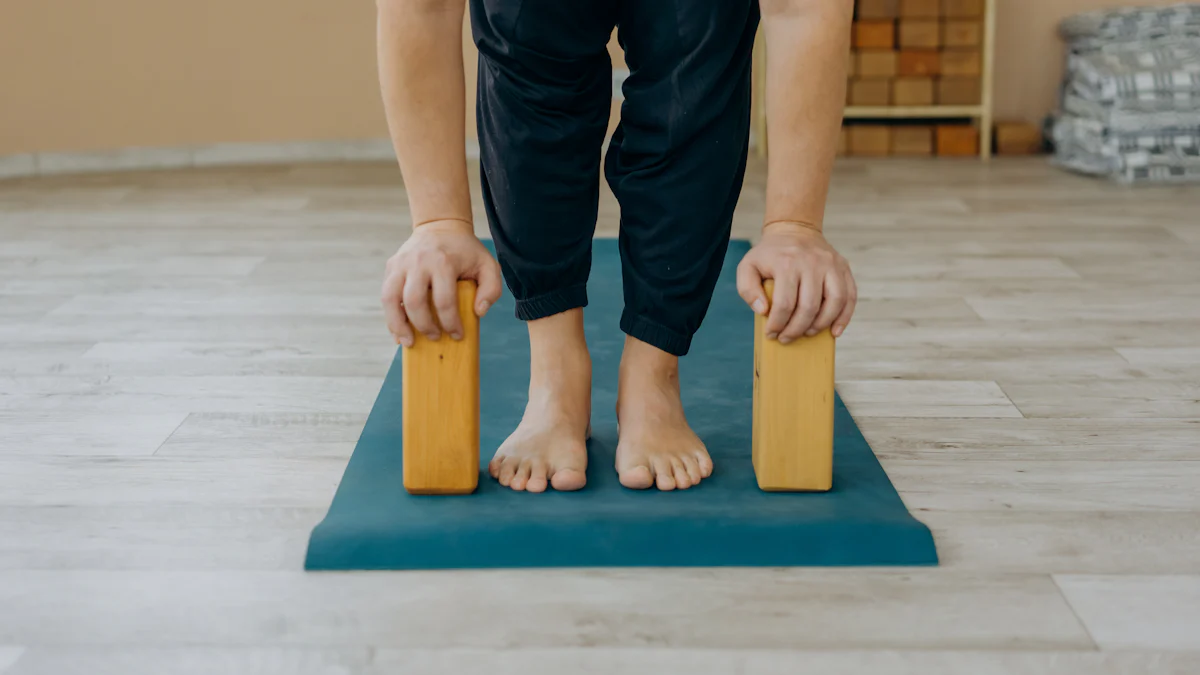
Choosing the right thickness yoga mat is crucial for your comfort and joint health. A mat's thickness can significantly impact your practice. Thicker mats offer more cushioning, which benefits those practising restorative yoga or those with sensitive joints. Conversely, advanced yogis often prefer thinner mats for better stability. A common choice is a 1/8 inch thick mat, which provides a balance between comfort and stability, making it suitable for most yoga styles. Understanding your personal needs and practice style will help you determine the ideal mat thickness for your sessions.
Understanding Yoga Mat Thickness Options
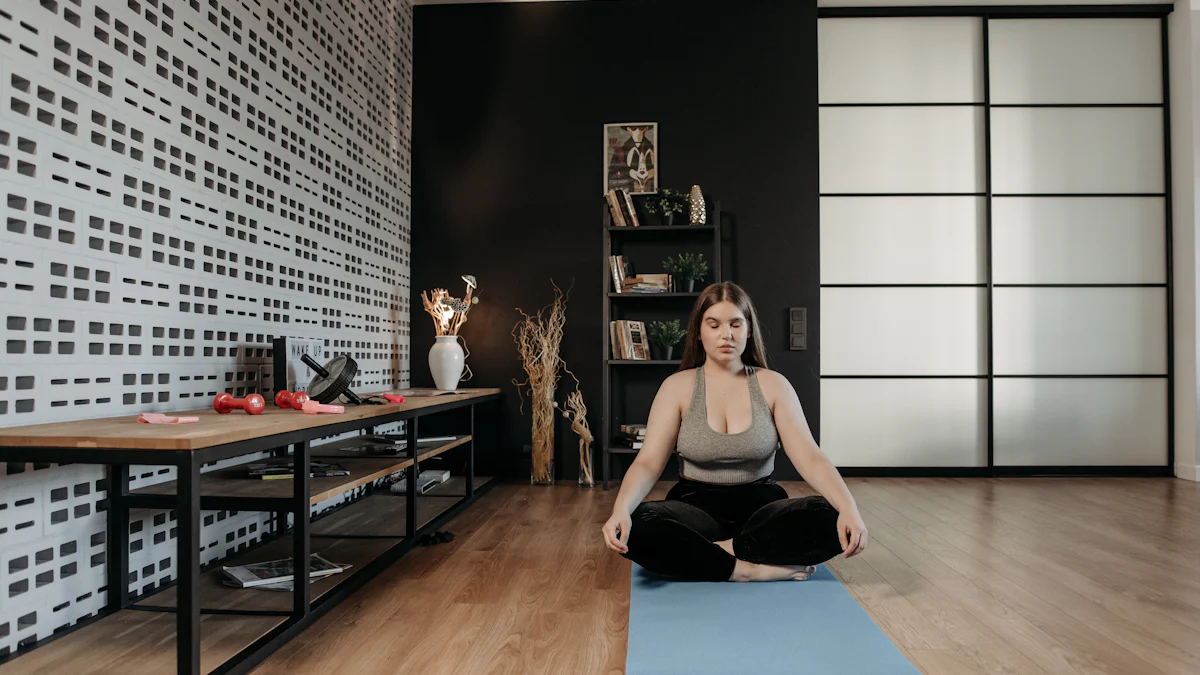
When selecting a yoga mat, understanding the various thickness options is crucial. The thickness of your yoga mat can greatly influence your practice, affecting both comfort and stability.
Standard Thickness Range
Yoga mats come in different thickness levels, each catering to specific needs and preferences.
Thin Mats (1-2mm)
Thin mats, often ranging from 1 to 2mm, are ideal for those who travel frequently. These mats are lightweight and easy to fold, making them perfect for fitting into a suitcase. They provide a firm surface, which helps maintain balance during standing poses. However, they offer minimal cushioning, which might be challenging for your joints, especially on hard surfaces.
Medium Mats (3-5mm)
Medium mats, typically around 3 to 5mm thick, strike a balance between comfort and stability. A common choice is the 1/8 inch thick yoga mat, which offers enough cushioning for most yoga styles, such as Vinyasa or Hatha. This thickness allows for a good connection with the floor, essential for poses requiring balance and grounding. Medium mats are versatile, making them suitable for both beginners and experienced practitioners.
Thick Mats (6mm and above)
Thick mats, starting from 6mm, provide maximum cushioning and support. They are ideal for those with sensitive joints or those practising restorative yoga. These mats offer extra grip and stability, beneficial for advanced postures. However, their bulkiness can make them less convenient for travel, and balancing on them might be more challenging.
Pros and Cons of Different Thickness Levels
Each thickness level has its own set of advantages and disadvantages, influencing your choice based on your practice style and personal needs.
Benefits of Thin Mats
Thin mats are excellent for travel due to their lightweight nature. They provide a stable surface, enhancing your ability to perform balance-focused practices like Ashtanga or Vinyasa. However, the lack of cushioning might not be suitable for everyone, especially if you have joint concerns.
Advantages of Medium Mats
Medium mats offer a harmonious blend of cushioning and stability. They are versatile, accommodating a wide range of yoga styles. The standard yoga mat thickness of about 1/8 inch provides sufficient support for both standing and seated postures. This makes them a popular choice for studio and home practice.
Why Choose Thick Mats
Thick mats are perfect for those needing extra cushioning, particularly if you have sensitive knees, elbows, or spine. They provide additional support and comfort, making them ideal for restorative or gentle yoga practices. However, their weight and size can be a drawback if you need a portable option.
Understanding these thickness yoga mat options will help you make an informed decision, ensuring that your mat complements your practice and meets your personal comfort needs.
How Practice Style Influences Thickness Choice
Selecting the right thickness yoga mat can significantly enhance your practice. Different yoga styles demand varying levels of support and stability, making it essential to choose a mat that complements your specific practice.
Dynamic Yoga Styles
Dynamic yoga styles, such as Vinyasa and Ashtanga, involve a series of flowing movements and require a mat that offers stability and grip.
Recommended Thickness for Vinyasa and Ashtanga
For Vinyasa and Ashtanga, a thinner mat, typically ranging from 1 to 3mm, is ideal. These mats provide a firm surface that enhances balance and stability during fast-paced sequences. The thinness allows you to feel more connected to the floor, which is crucial for maintaining balance in standing poses. However, if you have sensitive joints, you might consider a slightly thicker mat, around 3mm, to offer a bit more cushioning without compromising stability.
Gentle Yoga Styles
Gentle yoga styles, such as Hatha and Yin, focus on slower movements and longer holds, requiring more comfort and support.
Ideal Thickness for Hatha and Yin Yoga
For Hatha and Yin yoga, a medium to thick mat, ranging from 4 to 6mm, is recommended. These mats provide the necessary cushioning for prolonged poses, ensuring comfort and joint protection. A 5mm mat strikes a balance between support and comfort, making it suitable for these gentle practices. If you prefer more cushioning, especially for Yin yoga, consider a mat that is 6mm or thicker.
Travel Yoga
For those who frequently travel, portability becomes a key factor in choosing a yoga mat.
Choosing a Portable Mat Thickness
When selecting a travel mat, consider a thin mat, around 1 to 2mm. These mats are lightweight and easy to fold, fitting conveniently into your luggage. While they offer less cushioning, their portability makes them an excellent choice for yogis on the go. If you need more support, look for travel mats designed with compactness and cushioning in mind, offering a balance between portability and comfort.
Understanding how your practice style influences your choice of thickness yoga mat ensures that you select a mat that enhances your yoga experience. Whether you prefer dynamic flows or gentle stretches, the right mat thickness will support your practice and meet your personal comfort needs.
Personal Factors to Consider
When choosing the right thickness yoga mat, personal factors play a crucial role. Your comfort and joint health are paramount, and understanding your body's needs will guide you in selecting the most suitable mat.
Body Tolerance and Comfort
Your body's tolerance to different surfaces can significantly influence your choice of yoga mat thickness. Some practitioners prefer a thicker mat for the extra cushioning it provides, which can be particularly beneficial for those with sensitive joints. A thicker mat, often measuring 4-6mm or more, offers enhanced comfort and support during your practice. This additional padding can reduce the risk of injuries from falls or prolonged pressure on certain body parts.
Assessing Personal Comfort Needs
To assess your personal comfort needs, consider how your body feels during and after your yoga sessions. If you find that your knees, wrists, or spine feel sore after practising, a thicker mat might be necessary. Thicker mats provide more cushioning, which can be gentle on the joints, especially during practices where you spend a lot of time on the mat. For those with injuries, a thicker mat will help cushion sore areas, reducing pressure on them. However, if you prefer a firmer surface for better grounding and stability, a thinner mat might be more suitable.
Joint Health and Protection
Joint health is a critical consideration when selecting a yoga mat. The right thickness yoga mat can offer the necessary support to protect your joints during various poses.
Importance of Joint Support in Mat Selection
Joint support is essential, especially if you have sensitive joints or previous injuries. Thicker mats, sometimes up to 10mm, can be a game-changer for those practising gentler forms of yoga, such as Yin Yoga or Restorative. These mats provide substantial cushioning, which can be exceptionally comforting for sensitive joints or when practising on a hard floor. However, it's important to ensure that the mat is not too soft, as this can lead to instability and potential injuries. For more dynamic practices, a standard mat might be sufficient, offering a balance between cushioning and stability.
By considering these personal factors, you can choose a thickness yoga mat that enhances your practice and meets your comfort needs. Whether you prioritise joint protection or prefer a firmer surface for stability, understanding your body's requirements will help you make an informed decision.
Environmental and Material Considerations
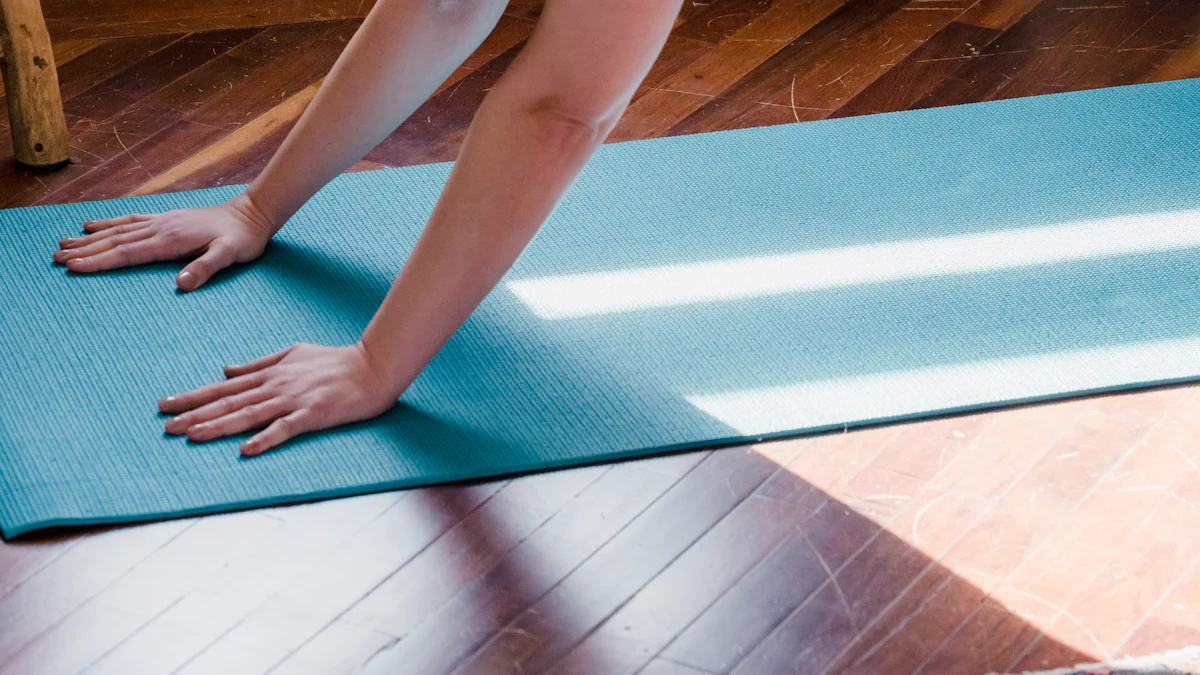
When selecting a thickness yoga mat, you should also consider the environmental impact and the materials used in its construction. Eco-friendly options not only benefit the planet but also provide a healthier practice environment for you.
Eco-Friendly Materials
Choosing a yoga mat made from sustainable materials can significantly reduce your ecological footprint. Here are some popular eco-friendly options:
Natural Rubber: Derived from rubber trees, natural rubber mats are biodegradable and provide excellent grip and cushioning. They are a sustainable choice for those who prioritise environmental responsibility.
Jute: Jute mats offer a natural texture and are biodegradable. They provide a firm surface, making them suitable for various yoga styles. Jute is a renewable resource, adding to its eco-friendly appeal.
Cork: Cork mats are antimicrobial and offer a natural feel. They are harvested from the bark of cork oak trees without harming the tree, making them a sustainable option. Cork provides a firm surface, ideal for balance-focused practices.
Organic Cotton: Organic cotton mats are soft and comfortable, providing a gentle surface for your practice. They are biodegradable and free from harmful chemicals, ensuring a safe practice environment.
Eco-Polyurethane and Eco-Foam: These materials are designed to be more environmentally friendly than traditional PVC mats. They offer durability and comfort while being less harmful to the environment.
Sustainable Options for Yoga Mats
When considering sustainable options, look for mats that are free from PVC and other harmful chemicals. PVC mats, while durable, are not eco-friendly. Instead, opt for mats made from TPE (Thermoplastic Elastomer), which are more environmentally friendly. TPE mats provide a good balance of durability and comfort, making them a popular choice for eco-conscious yogis.
Durability and Longevity
The thickness of your yoga mat can also affect its durability and longevity. Thicker mats often provide more cushioning, but they may wear out faster if made from less durable materials.
How Thickness Affects Mat Durability
Thin Mats (1-2mm): These mats are lightweight and portable, but they may not last as long as thicker options. They are best suited for travel or occasional use.
Medium Mats (3-5mm): Offering a balance between cushioning and durability, medium mats are versatile and suitable for regular practice. They provide enough support for most yoga styles without compromising on longevity.
Thick Mats (6mm and above): While thick mats offer maximum cushioning, they can be prone to wear and tear if not made from high-quality materials. Look for mats with reinforced edges and durable surfaces to ensure they withstand frequent use.
By considering both the environmental impact and the durability of your thickness yoga mat, you can make a choice that aligns with your values and meets your practice needs. Selecting a mat made from sustainable materials ensures that you contribute positively to the environment while enjoying a comfortable and supportive yoga experience.
Recommendations for Choosing the Right Thickness
Selecting the right thickness yoga mat involves understanding your personal needs and preferences. This choice can significantly impact your comfort and stability during practice. Here are some recommendations to help you make an informed decision.
Tailoring Thickness to Individual Needs
When choosing a thickness yoga mat, consider your specific requirements. Your practice style, physical condition, and personal comfort all play a role in this decision.
Identify Your Practice Style: Different yoga styles demand varying levels of support. For dynamic styles like Vinyasa or Ashtanga, a thinner mat might enhance your stability. In contrast, gentle styles such as Yin or Restorative yoga benefit from thicker mats that offer more cushioning.
Assess Physical Conditions: If you have sensitive joints or previous injuries, a thicker mat can provide the necessary support and protection. This extra cushioning helps reduce pressure on your knees, elbows, and spine.
Consider Personal Comfort: Your comfort is paramount. Some practitioners prefer a firmer surface for better grounding, while others need more padding for prolonged poses. Test different thicknesses to find what feels best for you.
Balancing Comfort and Portability
Balancing comfort and portability is crucial, especially if you travel frequently. A medium-thickness yoga mat, around 3-5mm, often strikes the right balance. It offers enough cushioning for comfort while remaining lightweight and easy to carry. If portability is a priority, consider a foldable mat that combines compactness with adequate support.
Practical Tips for Testing Mat Thickness
Before purchasing a thickness yoga mat, try these practical tips to ensure you choose the right one.
Visit a Yoga Studio: Many studios provide mats for use during classes. This allows you to experience different thicknesses in a real practice setting. Pay attention to how each mat feels during various poses.
Borrow from Friends: If possible, borrow mats from friends who practice yoga. This gives you the opportunity to test different thicknesses without committing to a purchase.
Check Return Policies: When buying a mat, check the store's return policy. Some retailers allow returns or exchanges if the mat doesn't meet your expectations. This flexibility lets you try the mat at home and decide if it's the right fit.
Trying Before Buying
Trying before buying is essential. It ensures that the thickness yoga mat you choose aligns with your practice needs and personal comfort. By testing different options, you can confidently select a mat that enhances your yoga experience.
Choosing the right yoga mat thickness enhances your practice and ensures comfort and safety. Consider these key points:
Personal Preferences: Your comfort and joint health should guide your choice. A thicker mat offers more cushioning, while a thinner one provides stability.
Practice Style: Different yoga styles require varying levels of support. Dynamic styles benefit from thinner mats, whereas gentle practices need thicker ones.
"Health considerations, such as joint protection and spinal alignment, are critical when selecting the right mat thickness."
Make an informed decision by testing different mats and prioritising your needs. Your ideal mat will support your practice and personal comfort.
See Also
In-Depth Analysis of Yogamatters Sticky Yoga Mat
Best 10 Yoga Mats Available on Amazon for Everyone
Evaluating Yoga Mad Mats: Do They Deliver Value?

Hi my name is Lia and i am your host in this yoga journey in Portugal, Subscribe to our newsletter to receive every week the best of Yoga in Portugal.

We bring back the importance of initiation into womanhood by Roos-Veerle Krijnen & Ella-June Henrard
Welcome to the Women’s Initiation Retreat by Naked Truth Retreats, a transformative journey into the depths of your True Feminine Nature. This retreat invites you to remember the sacredness and wholeness of your being.
Roos-Veerle Krijnen & Ella-June Henrard