How Yoga Postures Enhance Your Health

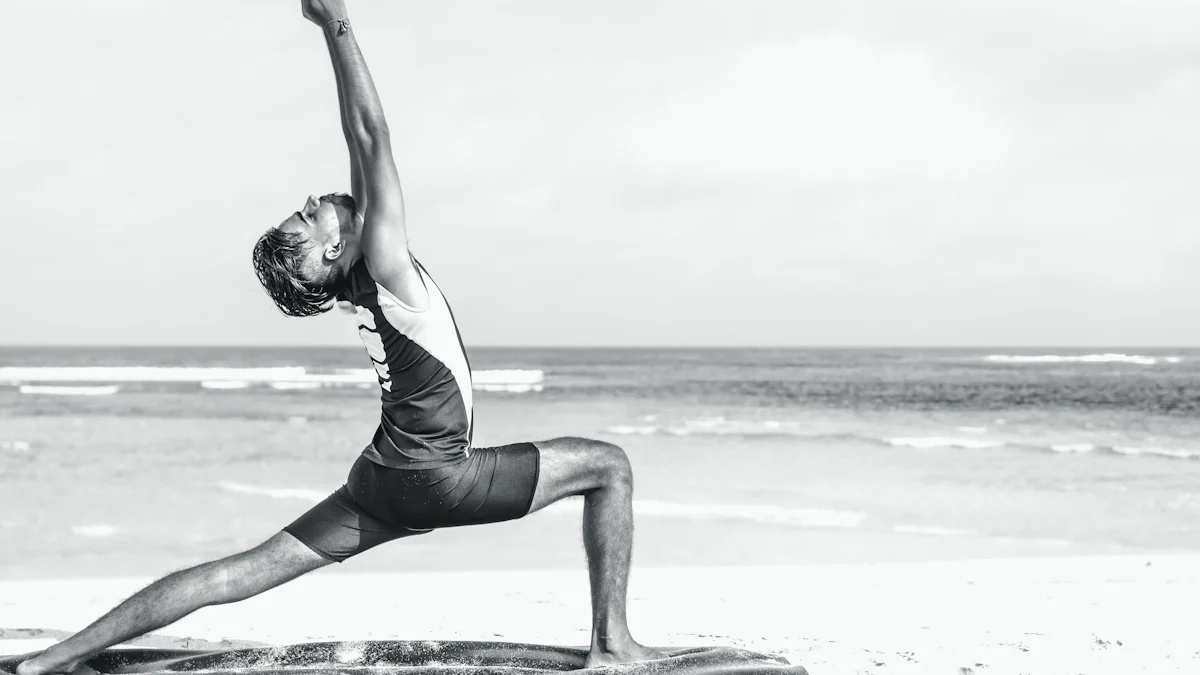
Yoga postures offer a transformative path to better health. By practicing these poses, you can experience enhanced flexibility, improved balance, and increased strength. Yoga not only reduces stress and anxiety but also alleviates pain and boosts your overall well-being. For those dealing with specific health conditions, yoga provides targeted benefits. It significantly reduces feelings of stress and promotes healing, making it an effective tool for managing anxiety and depression. Embrace yoga to unlock a healthier, more balanced life.
Yoga Postures for Anxiety Relief

In today's fast-paced world, anxiety can easily take a toll on your mental and physical health. Fortunately, yoga postures offer a natural and effective way to manage these feelings. By incorporating specific poses and breathing techniques into your routine, you can find relief and cultivate a sense of calm.
Calming Yoga Postures
Child's Pose
Child's Pose is a gentle yoga posture that invites you to rest and rejuvenate. Begin by kneeling on the floor, then sit back on your heels and stretch your arms forward. Allow your forehead to touch the mat. This pose helps release tension in your back and shoulders, promoting relaxation. As you breathe deeply, feel the stress melt away.
Legs-Up-The-Wall Pose
Legs-Up-The-Wall Pose is another soothing yoga posture that can ease anxiety. Lie on your back and extend your legs up against a wall. This position encourages blood flow and calms the nervous system. As you hold this pose, focus on your breath and let go of any lingering worries. This simple inversion can leave you feeling refreshed and centered.
Breathing Techniques
Breathing techniques are integral to yoga and can significantly reduce anxiety. They help regulate your breath and bring your mind to a state of tranquility.
Alternate Nostril Breathing
Alternate Nostril Breathing is a powerful technique to balance your mind and body. Sit comfortably and use your thumb to close one nostril. Inhale deeply through the open nostril, then switch and exhale through the other. This practice harmonizes the left and right sides of your brain, fostering a sense of peace and clarity.
Ujjayi Breath
Ujjayi Breath, often called "ocean breath," involves inhaling and exhaling through your nose while slightly constricting your throat. This creates a soothing sound reminiscent of ocean waves. Practicing Ujjayi Breath during yoga postures enhances focus and reduces anxiety. It anchors you in the present moment, allowing you to experience a profound sense of calm.
Scientific Research Findings: Studies have shown that yoga, including these postures and breathing techniques, can significantly reduce symptoms of anxiety and depression. Regular practice increases serotonin levels and decreases cortisol, the stress hormone. Yoga serves as a complementary therapy, offering a holistic approach to mental well-being.
By embracing these yoga postures and breathing techniques, you can transform anxiety into tranquility. Let yoga guide you toward a more balanced and peaceful life.
Yoga Postures for Back Pain
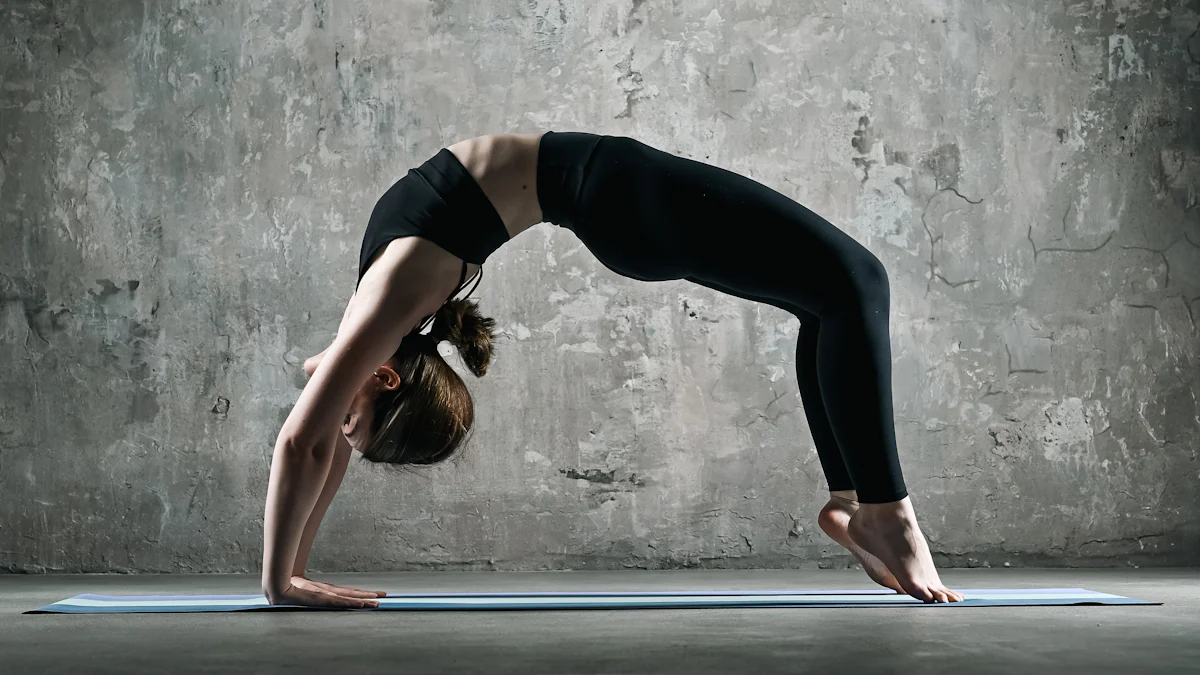
Back pain can disrupt your daily life, but yoga postures offer a path to relief and healing. By incorporating specific poses into your routine, you can alleviate discomfort and strengthen your back. Let's explore some gentle stretches and strengthening yoga postures that can help you manage back pain effectively.
Gentle Stretches
Gentle stretches play a crucial role in easing back pain. They help release tension and improve flexibility, allowing you to move with greater ease.
Cat-Cow Stretch
The Cat-Cow Stretch is a simple yet effective yoga posture for relieving back pain. Begin on your hands and knees, aligning your wrists under your shoulders and knees under your hips. Inhale as you arch your back, lifting your head and tailbone toward the ceiling (Cow Pose). Exhale as you round your spine, tucking your chin to your chest (Cat Pose). This dynamic movement increases flexibility and reduces stiffness in your spine.
Downward-Facing Dog
Downward-Facing Dog is another beneficial yoga posture for back pain. Start on your hands and knees, then lift your hips up and back, forming an inverted V-shape with your body. Keep your hands shoulder-width apart and feet hip-width apart. This pose stretches your hamstrings, calves, and spine, promoting better alignment and reducing tension in your back.
Strengthening Yoga Postures
Strengthening yoga postures build resilience in your back muscles, providing support and stability.
Bridge Pose
Bridge Pose is a powerful yoga posture for strengthening your back. Lie on your back with your knees bent and feet flat on the floor, hip-width apart. Press your feet into the ground and lift your hips toward the ceiling. This pose engages your glutes and lower back muscles, enhancing their strength and endurance.
Plank Pose
Plank Pose is a foundational yoga posture that strengthens your core and back. Begin in a push-up position with your hands directly under your shoulders. Keep your body in a straight line from head to heels. Hold this position, engaging your core and back muscles. Plank Pose builds stability and supports your spine, reducing the risk of back pain.
Research Insight: Studies have shown that yoga is effective in reducing chronic low back pain. It offers significant improvements in pain intensity and back-related function. Yoga serves as a holistic approach to managing back pain, providing both short-term relief and long-term benefits.
By practicing these yoga postures regularly, you can experience relief from back pain and enhance your overall well-being. Embrace the power of yoga to transform your back health and enjoy a more active, pain-free life.
Yoga Postures for Flexibility
Flexibility is a cornerstone of physical health, and yoga postures offer a powerful way to enhance it. By incorporating specific poses into your routine, you can increase your range of motion and improve your overall well-being. Let's explore some effective yoga postures that can help you achieve greater flexibility.
Stretching Yoga Postures
Stretching yoga postures are essential for loosening tight muscles and improving flexibility. They allow you to move more freely and with less discomfort.
Forward Bend
Forward Bend is a classic yoga posture that stretches your hamstrings, calves, and spine. Stand with your feet hip-width apart, then slowly bend forward from your hips, reaching your hands toward the floor. Keep your knees slightly bent if needed. This pose helps release tension in your back and legs, promoting greater flexibility and relaxation.
Triangle Pose
Triangle Pose is another effective yoga posture for enhancing flexibility. Stand with your feet wide apart, then turn your right foot out and your left foot slightly in. Extend your arms parallel to the floor and reach your right hand toward your right ankle while your left arm reaches up. This pose stretches your legs, hips, and torso, improving balance and flexibility.
Dynamic Movements
Dynamic movements in yoga involve flowing sequences that build flexibility and strength. They keep your body active and engaged.
Sun Salutations
Sun Salutations are a series of yoga postures performed in a sequence. They involve a combination of forward bends, backbends, and lunges. This dynamic movement warms up your body, increases flexibility, and enhances cardiovascular fitness. Practicing Sun Salutations regularly can improve your overall physical health and vitality.
Warrior Series
The Warrior Series includes a set of powerful yoga postures that build strength and flexibility. Warrior I, II, and III engage your legs, hips, and core. These poses improve your balance and endurance while stretching your muscles. Incorporating the Warrior Series into your practice can lead to greater flexibility and a sense of empowerment.
Scientific Research Findings: Studies have shown that yoga improves flexibility, builds muscle strength, and enhances body awareness. It also reduces stress and anxiety, contributing to a better quality of life. Regular practice of yoga postures can alleviate lower back pain and reduce inflammation, promoting overall health and well-being.
By embracing these yoga postures, you can unlock new levels of flexibility and strength. Let yoga guide you on a journey to a more flexible and balanced life.
Specific Yoga Sequences
Yoga offers a variety of sequences tailored to meet your specific needs. Whether you seek relaxation before bedtime or a gentle warm-up, these sequences can enhance your practice and improve your well-being.
Bedtime Yoga
Bedtime yoga helps you unwind and prepare for a restful night's sleep. By incorporating calming poses, you can release tension and promote relaxation.
Reclined Butterfly Pose
Reclined Butterfly Pose invites you to open your hips and relax your mind. Lie on your back and bring the soles of your feet together, allowing your knees to fall open. Place your arms by your sides, palms facing up. This pose gently stretches your inner thighs and encourages deep breathing. As you settle into the pose, feel the stress of the day melt away, paving the way for a peaceful slumber.
Supine Spinal Twist
Supine Spinal Twist soothes your spine and calms your nervous system. Lie on your back and draw your knees to your chest. Extend your arms out to the sides, then gently lower your knees to one side while keeping your shoulders grounded. This twist releases tension in your back and promotes relaxation. As you breathe deeply, let go of any lingering worries and embrace a sense of tranquility.
Yoga has been shown to improve both how quickly people fall asleep and how deeply they stay asleep. By practicing these bedtime poses, you can enhance your sleep quality and wake up feeling refreshed.
Warm-Up Moves
Warm-up moves prepare your body for more intense yoga practice or daily activities. They increase circulation and flexibility, setting the stage for a successful session.
Neck Rolls
Neck Rolls gently release tension in your neck and shoulders. Sit or stand comfortably and slowly roll your head in a circular motion. Move clockwise and then counterclockwise, paying attention to any areas of tightness. This simple movement improves flexibility and reduces stiffness, helping you feel more relaxed and ready for the day.
Shoulder Circles
Shoulder Circles loosen tight shoulders and enhance mobility. Stand with your feet hip-width apart and place your hands on your shoulders. Begin by making small circles with your elbows, gradually increasing the size. Reverse the direction after a few rounds. This exercise warms up your shoulder joints and promotes better posture.
A regular yoga practice may help you to manage your stress levels and improve your overall quality of life. Incorporating these warm-up moves into your routine can set a positive tone for your day.
By embracing these specific yoga sequences, you can tailor your practice to meet your unique needs. Let yoga guide you toward a more balanced and fulfilling life.
Common Questions and Modifications
Modifying Yoga Postures for Beginners
Starting your yoga journey can feel overwhelming, but with the right modifications, you can ease into the practice comfortably. Here are some tips to help you adapt yoga postures to suit your needs as a beginner.
Using Props
Props can be your best friend when you're new to yoga. They provide support and help you maintain proper alignment. Consider using blocks, straps, or bolsters to assist you in various poses. For example, if you find it challenging to reach the floor in a Forward Bend, place a block under your hands. This adjustment allows you to experience the stretch without straining your muscles.
Adjusting Alignment
Proper alignment is crucial for a safe and effective yoga practice. As a beginner, focus on aligning your body correctly in each pose. Pay attention to your instructor's cues or use a mirror to check your posture. Small adjustments, like bending your knees slightly in a standing pose, can make a big difference. Remember, yoga is about progress, not perfection. Take your time to find what feels right for your body.
Yoga Instructors emphasize the importance of evaluating the joints and supporting musculature. By doing so, you can modify or progress any posture to enhance its safety and effectiveness.
Addressing Common Concerns
Yoga is a versatile practice that can accommodate various health concerns. Here, we address some common questions about yoga and its impact on joint health and senior practitioners.
Yoga and Joint Health
You might worry about the impact of yoga on your joints, especially if you have arthritis or other joint issues. The good news is that yoga can actually improve joint health. Gentle movements and stretches increase flexibility and reduce stiffness. Focus on low-impact poses and listen to your body. If a pose causes discomfort, modify it or skip it altogether. Over time, you'll likely notice improved mobility and less joint pain.
Yoga for Seniors
Yoga is an excellent practice for seniors, offering numerous physical and mental benefits. It enhances balance, strength, and flexibility, which are essential for maintaining independence as you age. If you're a senior, start with gentle classes or chair yoga. These options provide a safe environment to explore yoga at your own pace. Always consult with your healthcare provider before beginning a new exercise routine.
Yoga has been shown to improve overall quality of life for seniors. By incorporating yoga into your routine, you can enjoy a more active and fulfilling lifestyle.
Embrace these modifications and insights as you embark on your yoga journey. With patience and practice, you'll discover the transformative power of yoga in enhancing your health and well-being.
Yoga postures offer a multitude of health benefits that can transform your life. By incorporating yoga into your daily routine, you enhance your physical strength, mental clarity, and emotional balance. As Nick Beem shares, yoga can prevent negativity and depression, adding years to your life. Sarah C highlights the deeper connection with her body and mental freedom through consistent practice. Embrace yoga to experience these profound changes. Explore further resources or join a class to deepen your practice. Let yoga guide you to a healthier, more fulfilling life.
See Also
Elevate Your Yoga Practice with 10 Inspirational Quotes
Exploring Quebec's Top Yoga Studios

Hi my name is Lia and i am your host in this yoga journey in Portugal, Subscribe to our newsletter to receive every week the best of Yoga in Portugal.

We bring back the importance of initiation into womanhood by Roos-Veerle Krijnen & Ella-June Henrard
Welcome to the Women’s Initiation Retreat by Naked Truth Retreats, a transformative journey into the depths of your True Feminine Nature. This retreat invites you to remember the sacredness and wholeness of your being.
Roos-Veerle Krijnen & Ella-June Henrard