How Yoga Enhances Your Balance and Coordination

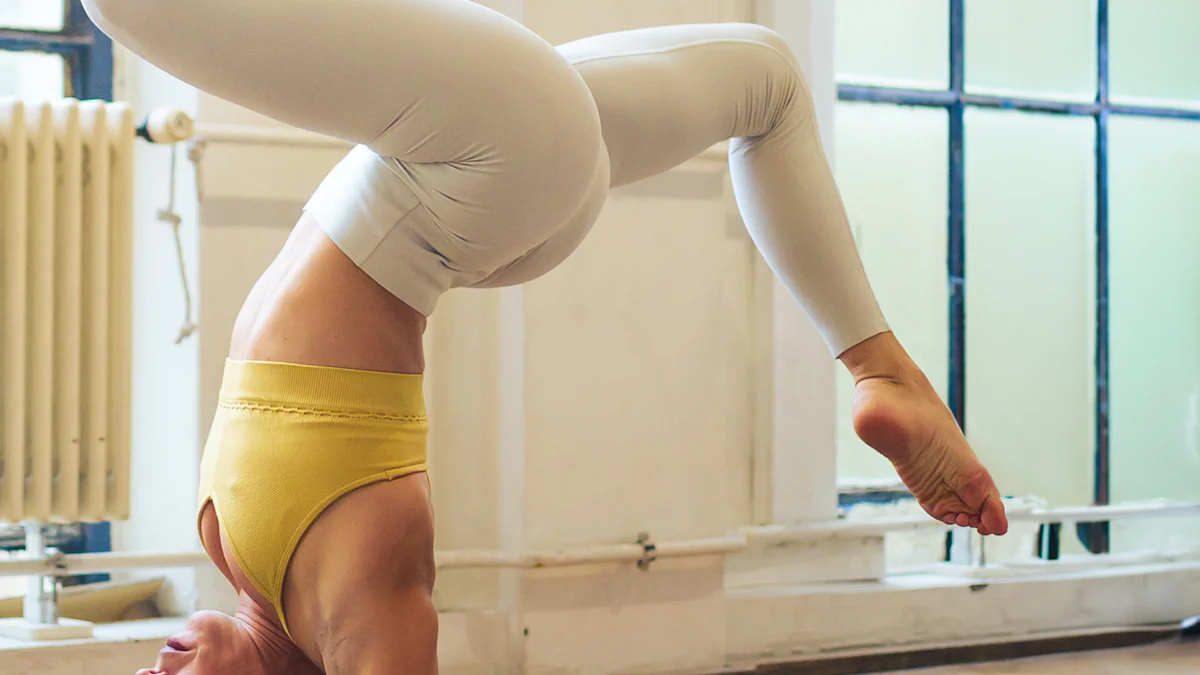
Yoga significantly enhances your yoga and balance by strengthening muscles, increasing body awareness, and improving coordination. Engaging in yoga regularly can lead to remarkable improvements in your daily life. You will notice better stability when walking or standing, reducing the risk of falls. Studies show that yoga improves balance in various groups, from young adults to seniors. For instance, older adults experience enhanced static and dynamic balance through yoga. By practising yoga, you can enjoy immediate benefits, such as improved posture and increased confidence in your movements.
Yoga and Balance: The Mechanisms
Yoga plays a crucial role in enhancing your balance by focusing on muscle strength, body awareness, and coordination. Understanding these mechanisms can help you appreciate how yoga and balance work together to improve your physical stability.
Improving Muscle Strength
Core Muscles
Your core muscles form the foundation of your body's strength. Yoga strengthens these muscles, providing better support for your spine and improving your posture. Poses like the Plank and Boat Pose engage your core, helping you maintain balance in various positions. A strong core acts as a stabiliser, allowing you to move with confidence and ease.
Leg Muscles
Strong leg muscles are essential for maintaining balance. Yoga poses such as Warrior I and II target your quadriceps, hamstrings, and calves. These poses build strength and endurance, enabling you to stand firmly and move gracefully. By practising these poses regularly, you enhance your ability to balance on one leg or transition smoothly between movements.
Enhancing Body Awareness
Proprioception
Proprioception refers to your body's ability to sense its position in space. Yoga enhances this sense by encouraging you to focus on alignment and posture. As you practise, you become more aware of how your body moves and adjusts. This heightened awareness improves your balance, allowing you to react swiftly to changes in your environment.
Mindfulness
Mindfulness is a key component of yoga that enhances body awareness. By concentrating on your breath and movements, you develop a deeper connection with your body. This practice helps you stay present and focused, reducing distractions that can affect your balance. Mindfulness also promotes relaxation, which can further improve your coordination.
Boosting Coordination
Synchronisation of Movements
Yoga requires you to synchronise your movements with your breath. This coordination enhances your ability to perform complex sequences with precision. As you practise, you learn to move fluidly from one pose to another, improving your overall coordination. This skill translates into better balance in everyday activities, such as walking or climbing stairs.
Focus and Concentration
Yoga demands focus and concentration, which are vital for maintaining balance. By concentrating on each pose, you train your mind to block out distractions and maintain stability. This mental discipline enhances your ability to balance in challenging situations, whether you're standing on one leg or navigating uneven terrain.
Scientific Research Findings:
Yoga's Effects on Muscle Strength and Body Awareness: Studies show that yoga improves strength, flexibility, and balance. It also increases body awareness and offers mental health benefits, such as stress reduction and improved self-esteem.
By understanding these mechanisms, you can see how yoga and balance complement each other. Regular practice not only strengthens your body but also sharpens your mind, leading to improved balance and coordination.
Effective Yoga Poses for Balance
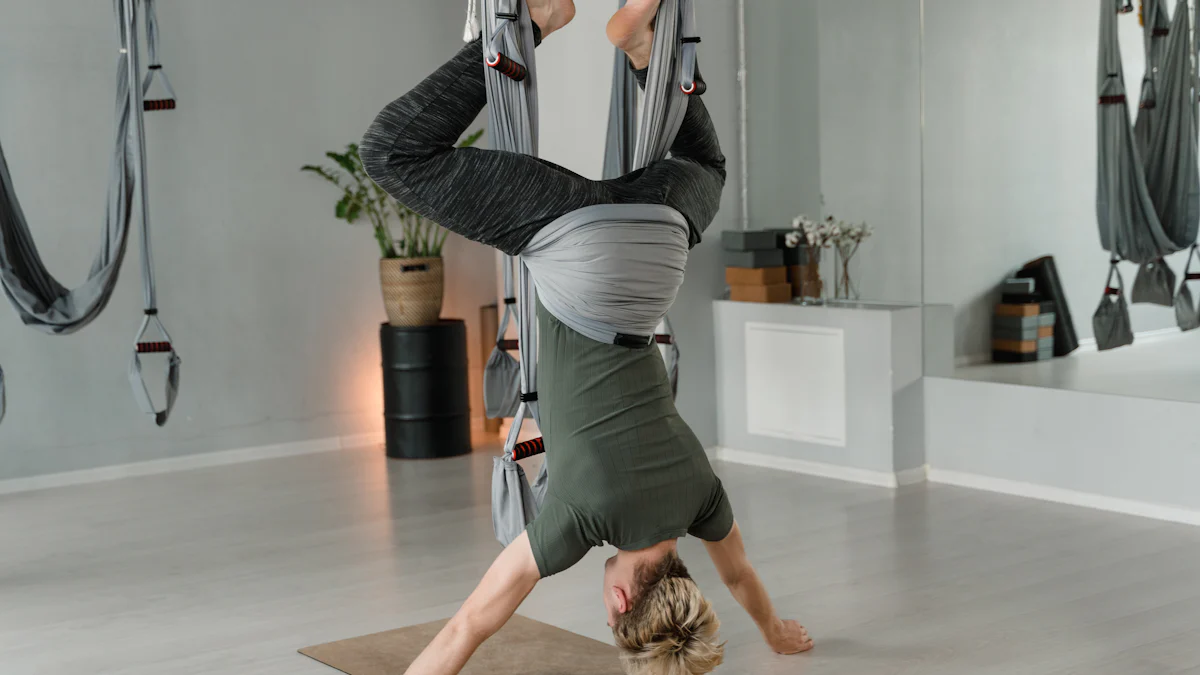
Yoga offers a variety of poses that enhance your balance and coordination. By practising these poses, you can strengthen your muscles, improve your focus, and increase your body awareness. Here are some effective yoga poses to help you achieve better balance.
Tree Pose (Vrksasana)
Benefits
Tree Pose, or Vrksasana, is a fundamental balancing pose in yoga. It helps you develop stability and focus by requiring you to stand on one leg. This pose strengthens your core, ankles, and legs, enhancing your overall balance. Practising Tree Pose regularly can also improve your concentration and mental clarity.
How to Perform
Stand tall with your feet together and arms at your sides.
Shift your weight onto your left foot, keeping it firm on the ground.
Bend your right knee and place the sole of your right foot on your inner left thigh or calf, avoiding the knee.
Bring your palms together in front of your chest in a prayer position.
Focus on a point in front of you to maintain balance.
Hold the pose for several breaths, then switch sides.
Warrior III (Virabhadrasana III)
Benefits
Warrior III, or Virabhadrasana III, challenges your balance and coordination by requiring you to extend your body horizontally while standing on one leg. This pose strengthens your legs, core, and back muscles. It also enhances your focus and concentration, helping you maintain stability in various situations.
How to Perform
Begin in a standing position with your feet together.
Step your right foot back, bending your left knee slightly.
Lean forward, extending your torso and arms parallel to the floor.
Lift your right leg behind you, keeping it straight and in line with your body.
Engage your core and focus on a point in front of you.
Hold the pose for several breaths, then switch sides.
Eagle Pose (Garudasana)
Benefits
Eagle Pose, or Garudasana, is a complex balancing pose that requires coordination and focus. It strengthens your legs, improves flexibility in your shoulders and hips, and enhances your concentration. Practising Eagle Pose can help you develop better balance and body awareness.
How to Perform
Stand with your feet together and arms at your sides.
Bend your knees slightly and lift your right leg over your left thigh.
Hook your right foot behind your left calf, if possible.
Extend your arms forward and cross your left arm over your right at the elbows.
Bend your elbows and bring your palms together.
Focus on a point in front of you and hold the pose for several breaths, then switch sides.
Expert Testimony: Abhishek Pokhriyal, a yoga instructor, emphasises that "Balance is the foundation of many yoga postures, from the simple Mountain Pose to the more complex Tree Pose and Warrior III. It involves maintaining your centre of gravity over your base of support, requiring strength, focus, and proprioception."
By incorporating these poses into your routine, you can experience the benefits of yoga and balance. Regular practice will not only improve your physical stability but also enhance your mental focus and coordination.
Practical Tips for Incorporating Yoga into Your Routine
Incorporating yoga into your daily routine can significantly enhance your balance and coordination. Here are some practical tips to help you get started and maintain a consistent practice.
Starting with Simple Poses
Beginner-Friendly Options
When beginning your yoga journey, start with simple poses that are easy to learn and perform. These poses build a strong foundation and boost your confidence. Consider poses like Mountain Pose, Cat-Cow, and Child's Pose. These beginner-friendly options focus on alignment and breathing, helping you develop a connection between your mind and body.
Gradual Progression
As you become more comfortable with basic poses, gradually progress to more challenging ones. This approach prevents injury and ensures steady improvement. Listen to your body and advance at your own pace. Over time, you'll notice improvements in your strength, flexibility, and balance.
Consistency and Regular Practice
Setting a Schedule
Consistency is key to reaping the benefits of yoga. Set a regular schedule that fits your lifestyle. Whether it's a morning session to energise your day or an evening practice to unwind, find a time that works for you. Sticking to a routine helps you develop discipline and makes yoga a natural part of your life.
Tracking Progress
Keep track of your progress to stay motivated. Maintain a journal to note improvements in your poses, balance, and overall well-being. Celebrate small victories and use them as encouragement to continue your practice. Tracking progress also helps you identify areas that need more focus.
Using Props and Modifications
Blocks and Straps
Props like blocks and straps can enhance your yoga practice. They provide support and help you achieve proper alignment, especially in challenging poses. Use blocks to bring the floor closer to you in standing poses or straps to extend your reach in seated stretches. Props make yoga accessible to everyone, regardless of flexibility or experience.
Modifying Poses for Comfort
Modify poses to suit your comfort level and physical abilities. Yoga is not about perfection but about finding what works best for you. Adjust poses to avoid strain and ensure a safe practice. Remember, yoga is a personal journey, and modifications allow you to tailor it to your needs.
"Yoga allows me to distill my grief down to its essence, which is love. It reveals a wealth of love and compassion in places where only anguish once existed." - Anonymous Contributor
By following these practical tips, you can seamlessly integrate yoga into your routine. Regular practice will not only improve your physical stability but also enhance your mental focus and coordination. Embrace the journey of yoga and balance, and enjoy the transformative benefits it brings to your life.
Benefits of Regular Yoga Practice
Engaging in regular yoga practice offers numerous benefits that extend beyond physical fitness. By incorporating yoga into your routine, you can experience long-term improvements in balance and enhanced overall well-being.
Long-term Improvements in Balance
Stability in Daily Activities
Yoga strengthens your muscles and enhances your body awareness, leading to improved stability in daily activities. As you practise yoga, you develop a better sense of balance, which helps you perform tasks with greater ease and confidence. Whether you're walking, climbing stairs, or simply standing, yoga and balance work together to provide a solid foundation for your movements.
Reduced Risk of Falls
Regular yoga practice significantly reduces the risk of falls, especially in older adults. By improving your balance and coordination, yoga helps you maintain stability in various situations. Studies have shown that individuals who practise yoga experience fewer falls and injuries, making it an essential activity for maintaining safety and independence as you age.
Enhanced Overall Well-being
Mental Clarity
Yoga not only benefits your body but also enhances your mental clarity. The focus and concentration required during yoga sessions help clear your mind and improve your cognitive function. As you practise mindfulness and breathing techniques, you develop a greater sense of self-awareness and mental sharpness. This mental clarity extends to other areas of your life, allowing you to make better decisions and approach challenges with a calm and focused mindset.
Stress Reduction
One of the most significant benefits of yoga is its ability to reduce stress. By engaging in regular yoga practice, you can effectively manage anxiety and stress levels. The combination of physical movement, controlled breathing, and mindfulness promotes relaxation and reduces tension in your body. Studies have shown that yoga practitioners experience lower stress levels and improved mental health, leading to a more balanced and fulfilling life.
Studies have highlighted the positive impact of yoga on both mind and body. Participants report decreased pain, increased flexibility, and improved sleep quality. Additionally, yoga fosters the development of positive personality traits, higher self-esteem, and better coping mechanisms for anxiety and stress.
By embracing yoga as a regular practice, you can enjoy these long-term benefits and enhance your overall quality of life. The integration of yoga and balance into your routine not only improves your physical stability but also nurtures your mental and emotional well-being.
Yoga and balance work hand in hand to enhance your physical and mental well-being. By incorporating yoga into your daily routine, you can experience lasting benefits such as improved posture, increased body awareness, and reduced stress. The holistic nature of yoga fosters a profound transformation, enriching your self-awareness and promoting inner peace. Embrace this practice to unlock a life filled with vitality and infinite possibilities. As you continue your yoga journey, remember that the integration of mind, body, and spirit leads to a harmonious and fulfilling existence.
See Also
Improving Your Equestrian Abilities Through Yoga Practice
Yoga's Benefits for Seniors' Physical and Mental Wellbeing
Unlocking Better Sleep Through Yoga Techniques

Hi my name is Lia and i am your host in this yoga journey in Portugal, Subscribe to our newsletter to receive every week the best of Yoga in Portugal.

We bring back the importance of initiation into womanhood by Roos-Veerle Krijnen & Ella-June Henrard
Welcome to the Women’s Initiation Retreat by Naked Truth Retreats, a transformative journey into the depths of your True Feminine Nature. This retreat invites you to remember the sacredness and wholeness of your being.
Roos-Veerle Krijnen & Ella-June Henrard