How Yoga Enhances Your Horse Riding Skills

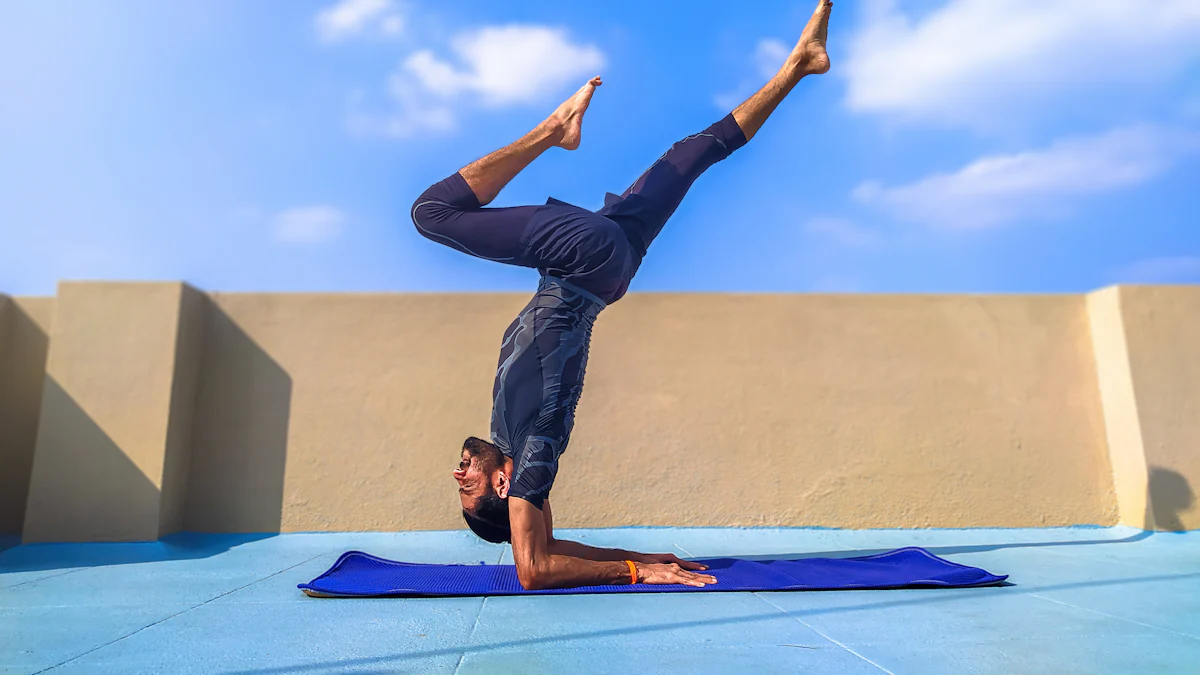
Yoga and horse riding might seem worlds apart, yet they share a profound connection. Both disciplines require a harmonious blend of physical strength and mental focus. As a rider, you understand the importance of being physically prepared. Yoga horse practices enhance your flexibility, core strength, and balance, which are essential for maintaining control and posture while riding. Mentally, yoga helps you cultivate mindfulness and calmness, fostering a deeper connection with your horse. By integrating yoga horse exercises into your routine, you not only improve your riding skills but also enrich your overall experience with your equine companion.
Understanding the Basics of Yoga and Horse Riding
Yoga and horse riding, though seemingly distinct, share a rich history and a deep connection. Both practices have ancient roots, with yoga originating thousands of years ago in India. This practice is not just about physical postures; it encompasses a complex philosophy and methodology aimed at uniting the mind, body, and spirit. Similarly, horse riding has been an integral part of human culture for centuries, symbolising freedom and partnership with nature.
What is Yoga?
Definition and Origins
Yoga is an ancient practice that originated in India over 5,000 years ago. It is a holistic discipline that combines physical postures, breathing techniques, and meditation to promote overall well-being. The word "yoga" itself means "union," reflecting its goal of harmonising the body and mind. This practice has evolved over millennia, adapting to modern needs while retaining its core principles.
Key Principles and Practices
Yoga is built on several key principles, including mindfulness, balance, and breath control. These principles are embodied in various practices such as asanas (postures), pranayama (breathing exercises), and dhyana (meditation). For riders, these practices can enhance physical strength, flexibility, and mental clarity. By incorporating yoga horse exercises into your routine, you can improve your riding skills and deepen your connection with your horse.
Fundamentals of Horse Riding
Basic Skills Required
Horse riding requires a unique set of skills that blend physical and mental abilities. As a rider, you need to develop balance, coordination, and strength to maintain control and communicate effectively with your horse. Understanding the basics of horse riding involves learning how to mount, steer, and maintain proper posture. These skills are essential for ensuring both your safety and the well-being of your equine partner.
Common Challenges Faced by Riders
Riders often face challenges such as maintaining balance, managing anxiety, and building a strong rapport with their horses. Yoga horse practices can address these challenges by enhancing your physical and mental capabilities. Flexibility and core strength gained through yoga can improve your balance and posture, while mindfulness techniques can help you stay calm and focused. By integrating yoga into your riding routine, you can overcome these obstacles and enjoy a more fulfilling riding experience.
Physical Benefits of Yoga for Riders

Yoga offers numerous physical benefits that can significantly enhance your horse riding skills. By incorporating yoga horse exercises into your routine, you can improve your flexibility and core strength, which are crucial for effective riding.
Improving Flexibility
Importance of Flexibility in Riding
Flexibility plays a vital role in horse riding. It allows you to move fluidly with your horse, adapting to its movements with ease. When you are flexible, you can maintain a better posture and reduce the risk of injury. Flexibility also helps in achieving a deeper connection with your horse, as it enables you to respond more intuitively to its cues.
Yoga Poses That Enhance Flexibility
Yoga horse practices include specific poses that target key muscle groups, enhancing your flexibility. Some beneficial poses include:
Downward-Facing Dog: This pose stretches the hamstrings, calves, and shoulders, promoting overall flexibility.
Pigeon Pose: It opens the hips, which is essential for maintaining a balanced seat while riding.
Cat-Cow Stretch: This sequence increases spinal flexibility, aiding in better posture and alignment.
By regularly practising these yoga horse poses, you can improve your range of motion and enhance your riding experience.
Building Core Strength
Role of Core Strength in Maintaining Balance
Core strength is fundamental for maintaining balance and stability while riding. A strong core helps you stay centred in the saddle, allowing you to move harmoniously with your horse. It also supports your spine, reducing the strain on your back during long rides. With a robust core, you can communicate more effectively with your horse through subtle shifts in weight and posture.
Yoga Exercises for Core Strengthening
Yoga horse exercises focus on building core strength through targeted poses. Some effective exercises include:
Plank Pose: This pose engages the entire core, strengthening the abdominal muscles and improving stability.
Boat Pose: It targets the lower abdomen and hip flexors, enhancing your ability to maintain a steady seat.
Warrior III: This balancing pose challenges your core and improves your overall body awareness.
Incorporating these yoga horse exercises into your routine will help you develop a strong core, essential for maintaining control and balance while riding.
Mental Benefits of Yoga for Riders
Yoga offers profound mental benefits that can significantly enhance your horse riding experience. By incorporating yoga horse practices into your routine, you can improve your focus, concentration, and overall mental well-being.
Enhancing Focus and Concentration
How yoga aids mental clarity
Yoga is renowned for its ability to clear the mind and sharpen focus. When you practise yoga horse exercises, you engage in mindful breathing and meditation. These practices help you centre your thoughts and eliminate distractions. As a rider, maintaining mental clarity is crucial. It allows you to respond swiftly to your horse's movements and cues. Annabel Bouttle, a practitioner of Yoga for Riders, highlights how yoga brings calmness to the mind, which directly translates to improved riding skills.
Techniques to improve focus
To enhance your focus, incorporate specific yoga techniques into your routine:
Mindful Breathing: Focus on your breath to anchor your mind. This technique helps you stay present and attentive.
Meditation: Spend a few minutes each day in meditation. It cultivates a sense of calm and enhances your ability to concentrate.
Balancing Poses: Engage in poses like Tree Pose or Eagle Pose. These require concentration and help improve your mental focus.
By regularly practising these yoga horse techniques, you can develop a sharper focus, essential for effective riding.
Stress Reduction and Relaxation
Managing anxiety through yoga
Riding can sometimes be stressful, especially when facing challenging situations. Yoga horse practices offer effective ways to manage anxiety. The stress-relieving properties of yoga ensure that you remain calm and centred, both in the saddle and in life. By practising yoga, you learn to control your breath and relax your mind, reducing anxiety levels.
Relaxation techniques for riders
Incorporate relaxation techniques into your yoga horse routine to promote a sense of calm:
Progressive Muscle Relaxation: Tense and then relax each muscle group. This technique helps release tension and promotes relaxation.
Guided Imagery: Visualise peaceful scenes or successful riding experiences. This practice reduces stress and enhances your mental state.
Savasana (Corpse Pose): End your yoga session with this pose. It allows your body and mind to fully relax and rejuvenate.
By integrating these relaxation techniques into your yoga horse routine, you can manage stress effectively and enjoy a more fulfilling riding experience.
Practical Yoga Exercises for Riders

Incorporating yoga into your riding routine can significantly enhance your performance and overall experience. By practising specific yoga horse exercises, you prepare both your body and mind for the demands of riding. Here, we explore practical yoga routines that you can integrate before and after your riding sessions.
Pre-Riding Yoga Routine
Before you mount your horse, it's essential to prepare your body with a pre-riding yoga routine. This routine helps to warm up your muscles and focus your mind, ensuring you're ready for the ride ahead.
Warm-up Exercises
Cat-Cow Stretch: Begin on all fours. Inhale as you arch your back, lifting your head and tailbone (Cow Pose). Exhale as you round your spine, tucking your chin and tailbone (Cat Pose). This sequence warms up your spine and improves flexibility.
Sun Salutations: Perform a few rounds of Sun Salutations to engage your entire body. This flow increases blood circulation and prepares your muscles for the ride.
Hip Circles: Stand with feet hip-width apart. Gently rotate your hips in circular motions. This exercise loosens your hip joints, crucial for maintaining a balanced seat.
Breathing Techniques
Deep Belly Breathing: Sit comfortably. Inhale deeply through your nose, allowing your belly to expand. Exhale slowly, drawing your navel towards your spine. This technique calms your mind and enhances focus.
Alternate Nostril Breathing: Use your thumb and ring finger to alternate closing each nostril while breathing. This practice balances your energy and sharpens concentration.
Post-Riding Yoga Routine
After a ride, it's vital to cool down and relax your muscles. A post-riding yoga routine aids in recovery and prevents stiffness.
Cool-down Stretches
Forward Bend: Stand with feet together. Hinge at your hips and fold forward, letting your arms hang. This stretch releases tension in your back and hamstrings.
Seated Twist: Sit with legs extended. Bend one knee and place the foot outside the opposite thigh. Twist your torso towards the bent knee. This pose alleviates tension in your spine and shoulders.
Child's Pose: Kneel and sit back on your heels. Extend your arms forward and rest your forehead on the ground. This pose gently stretches your back and promotes relaxation.
Recovery and Relaxation Poses
Legs-Up-the-Wall Pose: Lie on your back with your legs extended up against a wall. This restorative pose reduces swelling in your legs and calms your nervous system.
Savasana (Corpse Pose): Lie flat on your back with arms at your sides. Close your eyes and focus on your breath. This final relaxation pose allows your body to fully recover and rejuvenate.
By integrating these yoga horse exercises into your routine, you enhance your flexibility, strength, and mental clarity. These practices not only improve your riding skills but also deepen your connection with your horse, making each ride a more harmonious experience.
Integrating Yoga into Your Riding Practice
Incorporating yoga horse exercises into your riding routine can transform your equestrian experience. By creating a balanced routine, you can enhance both your physical and mental capabilities, leading to improved performance and a deeper connection with your horse.
Creating a Balanced Routine
Scheduling Yoga Sessions
To effectively integrate yoga horse practices into your routine, start by scheduling regular yoga sessions. Consistency is key. Aim for at least two to three sessions per week. This frequency allows you to build flexibility, core strength, and balance over time. Morning sessions can energise you for the day, while evening sessions can help you unwind and relax.
Combining Yoga with Riding Practice
Combining yoga with your riding practice can yield significant benefits. Begin your day with a short yoga horse routine to prepare your body and mind for riding. Focus on poses that enhance flexibility and core strength, such as the Downward-Facing Dog and Plank Pose. After riding, engage in a cool-down yoga session to stretch and relax your muscles. This approach not only improves your physical abilities but also enhances your mental focus and stress management.
Resources and Further Learning
Recommended Yoga Classes for Riders
To deepen your understanding of yoga horse practices, consider enrolling in specialised yoga classes designed for riders. Many professional riders have integrated yoga into their training, recognising its genuine benefits for horse riding. Look for classes that focus on improving flexibility, core strength, and balance. These classes often incorporate breathing techniques and mindfulness exercises, which are crucial for effective riding.
Books and Online Resources
Expand your knowledge by exploring books and online resources dedicated to yoga horse practices. "Yoga for Riders" is a highly recommended book that provides valuable insights into how yoga can enhance your riding skills. Additionally, numerous online platforms offer video tutorials and articles on yoga for equestrians. These resources can guide you in developing a personalised yoga routine that complements your riding discipline.
By integrating yoga horse exercises into your riding practice, you create a harmonious balance between body, mind, and spirit. This holistic approach not only improves your riding skills but also fosters a deeper connection with your horse, making each ride a more rewarding experience.
Yoga offers numerous benefits for horse riders. It enhances your flexibility, core strength, and mental focus, making you a more effective rider. By incorporating yoga into your regular riding practice, you can improve your skills and deepen your connection with your horse.
"Yoga is amazing for helping me be a more effective rider," says a rider who found yoga transformative.
Explore further resources and engage with the community to continue your journey. Many riders have shared their positive experiences, highlighting how yoga has improved their riding and overall well-being. Embrace this practice and enjoy the rewards it brings.
See Also
Perfecting the Crow Pose in Yoga: An Easy Tutorial
Exploring Best Yoga Classes Nearby
Iyengar Yoga Nearby: A Simple Handbook

Hi my name is Lia and i am your host in this yoga journey in Portugal, Subscribe to our newsletter to receive every week the best of Yoga in Portugal.

We bring back the importance of initiation into womanhood by Roos-Veerle Krijnen & Ella-June Henrard
Welcome to the Women’s Initiation Retreat by Naked Truth Retreats, a transformative journey into the depths of your True Feminine Nature. This retreat invites you to remember the sacredness and wholeness of your being.
Roos-Veerle Krijnen & Ella-June Henrard