How Yoga Enhances Mental Clarity and Reduces Anxiety

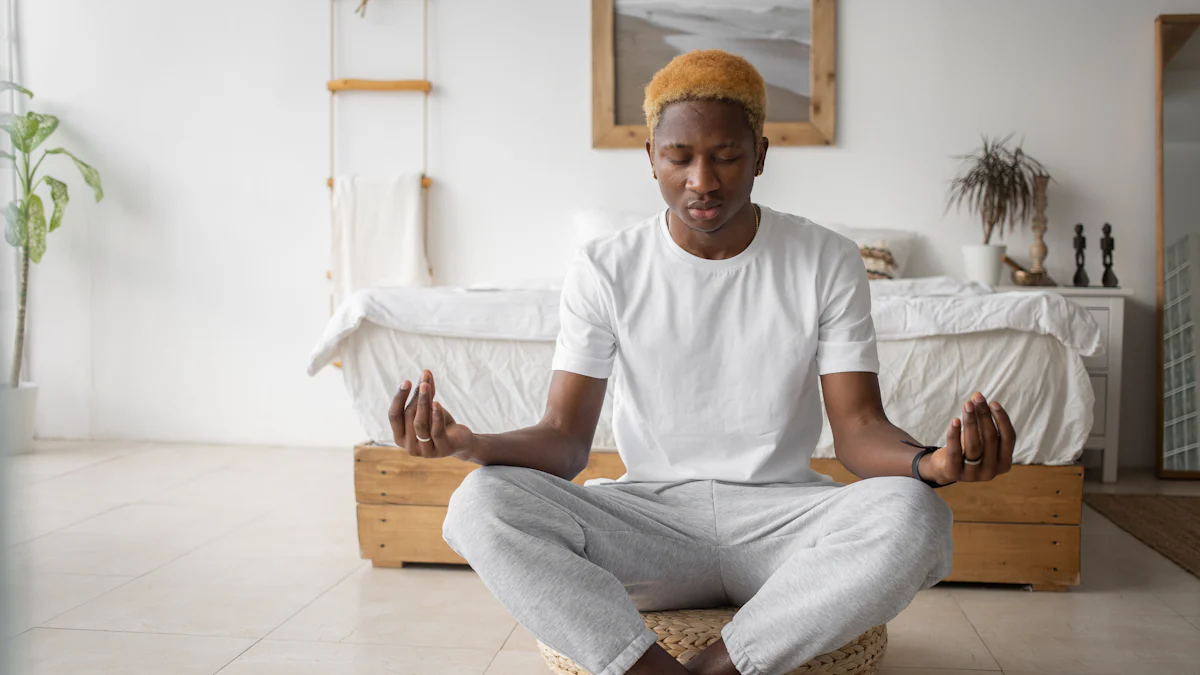
Yoga acts as a powerful tool for you to enhance mental clarity and reduce anxiety, making it a vital topic for a speech on the importance of yoga. Through a unique blend of physical postures, breathing techniques, and mindfulness practices, yoga creates a harmonious balance between your body and mind. Engaging in this practice can lead to improved focus and emotional regulation. You may find that regular yoga sessions help you manage stress more effectively, promoting a sense of inner calm and well-being.
Key Takeaways
Yoga combines physical postures, breathing techniques, and mindfulness to enhance mental clarity and reduce anxiety.
Incorporating mindfulness into daily activities can significantly improve your ability to manage stress and promote emotional well-being.
Regular practice of breathing techniques, such as diaphragmatic and alternate nostril breathing, can calm your nervous system and enhance focus.
Key yoga poses like Tree Pose and Warrior II not only improve physical balance but also sharpen mental clarity and emotional resilience.
Consistent yoga practice fosters emotional regulation, lowers cortisol levels, and contributes to long-term mental health benefits.
Setting realistic goals and finding the right time for your practice can help you create a sustainable yoga routine that fits your lifestyle.
Utilizing online resources or local studios can support your yoga journey, making it accessible and enjoyable for beginners and experienced practitioners alike.
The Role of Mindfulness in Yoga
Understanding Mindfulness
Definition and Importance
Mindfulness means being fully present in the moment. You focus on your thoughts, feelings, and surroundings without judgment. This practice helps you develop awareness and clarity. Research shows that mindfulness can significantly reduce stress, anxiety, and depression. A study published by the American Psychological Association found that mindfulness-based therapy effectively treats various issues, including pain and addiction. By practicing mindfulness, you can improve your mental health and overall well-being.
Mindfulness in Daily Life
Incorporating mindfulness into your daily routine can transform your life. You can start by paying attention to simple activities. Whether you eat, walk, or wash dishes, focus on the sensations and experiences. This practice enhances your ability to manage stress and promotes a sense of calm. Regular mindfulness practice can lead to better emotional regulation and improved relationships.
Mindfulness Techniques in Yoga
Meditation Practices
Meditation is a core component of yoga that fosters mindfulness. You can begin with just a few minutes each day. Sit comfortably, close your eyes, and focus on your breath. Notice how your body feels and let go of distractions. Studies suggest that meditation can boost positive feelings like joy and peacefulness. Controlled breathing exercises during meditation can significantly enhance your mood and reduce anxiety.
Focused Breathing Exercises
Breathing techniques play a vital role in yoga. They help you connect with your body and mind. One effective method is diaphragmatic breathing. This technique involves deep breaths that engage your diaphragm. It calms your nervous system and reduces stress. Another technique is alternate nostril breathing. This practice balances your energy and promotes mental clarity. Both methods can improve your focus and emotional well-being.
Incorporating these mindfulness techniques into your yoga practice can lead to profound benefits. You will find that regular engagement in mindfulness enhances your mental clarity and reduces anxiety.
Breathing Techniques and Their Impact
The Science of Breath
Physiological Effects of Breathing
Breathing plays a crucial role in your overall well-being. When you take deep, controlled breaths, you activate your body's relaxation response. This response lowers your heart rate and reduces blood pressure. As a result, you experience a sense of calm. Research shows that specific breathing techniques can significantly reduce feelings of stress. For instance, studies indicate that practices like Sudarshan Kriya Yoga (SKY) lead to a notable decrease in stress scores.
Connection to the Nervous System
Your breath directly influences your nervous system. When you breathe deeply, you stimulate the vagus nerve, which helps regulate your body's stress response. This connection promotes a state of relaxation and balance. By practicing mindful breathing, you can shift from a state of anxiety to one of calmness. This shift enhances your mental clarity and emotional stability.
Practical Breathing Exercises
Diaphragmatic Breathing
Diaphragmatic breathing, also known as abdominal breathing, is a powerful technique. You can practice this method anywhere. Start by sitting or lying down comfortably. Place one hand on your chest and the other on your abdomen. Inhale deeply through your nose, allowing your abdomen to rise while keeping your chest still. Exhale slowly through your mouth. This technique calms your nervous system and reduces stress. Regular practice can lead to improved mood and emotional regulation.
Alternate Nostril Breathing
Alternate nostril breathing is another effective exercise. This technique balances your energy and promotes mental clarity. To practice, sit comfortably and use your right thumb to close your right nostril. Inhale deeply through your left nostril. Then, close your left nostril with your ring finger and release your right nostril. Exhale through your right nostril. Inhale again through the right nostril, then switch to exhale through the left. Repeat this cycle several times. This practice not only calms your mind but also enhances focus and concentration.
Incorporating these breathing techniques into your daily routine can transform your mental health. You will find that they help you manage anxiety and enhance your overall well-being. Embrace the power of your breath, and experience the profound impact it can have on your life.
Yoga Poses That Enhance Mental Clarity

Key Poses for Focus
Tree Pose
Tree Pose, or Vrksasana, stands as a powerful posture that enhances your focus and balance. This pose requires you to stand on one leg while placing the other foot against your inner thigh or calf. As you hold this position, you engage your core and concentrate on a fixed point in front of you. This practice not only improves your physical stability but also sharpens your mental clarity. Research indicates that yoga poses like Tree Pose can positively affect areas responsible for memory and information processing. You will find that maintaining your balance in this pose helps you cultivate a sense of calm and presence.
Warrior II
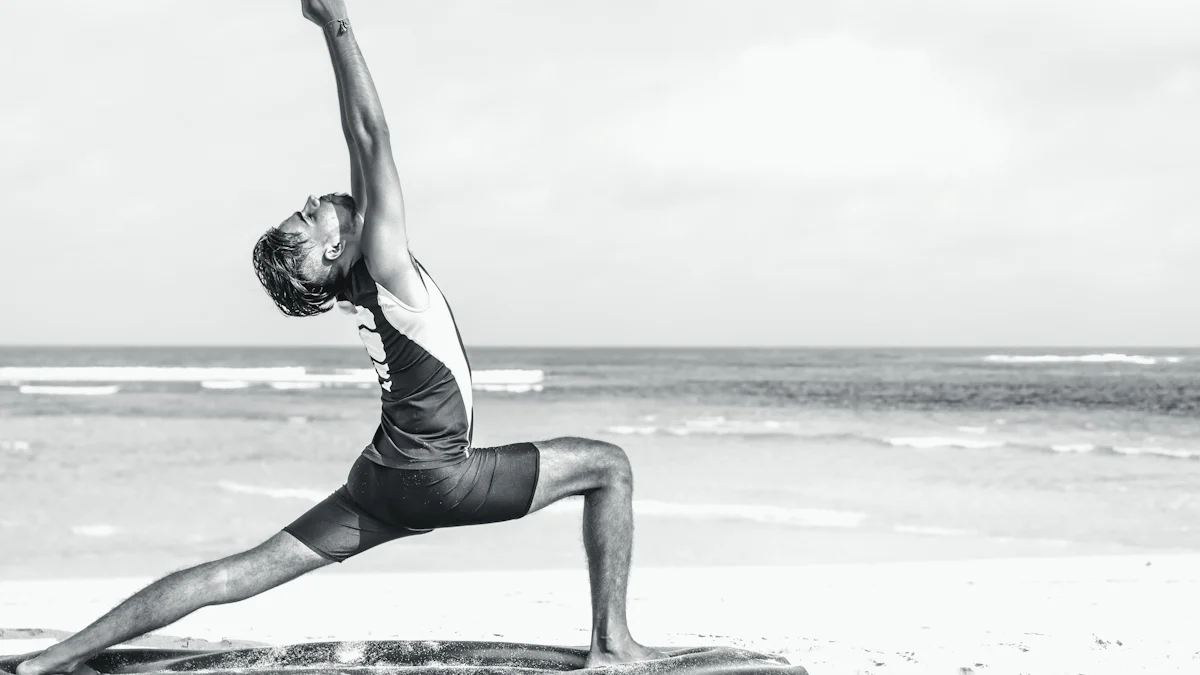
Warrior II, or Virabhadrasana II, is another essential pose that boosts your mental clarity. This dynamic stance involves extending your arms parallel to the ground while bending one knee. You create a strong foundation with your legs, which promotes confidence and focus. Engaging in Warrior II encourages you to breathe deeply and remain present. Studies show that regular practice of such poses enhances cognitive functions and overall mental health. You will notice that this pose empowers you, helping you to face challenges with clarity and strength.
The Benefits of Regular Practice
Consistency and Cognitive Function
Regular yoga practice significantly impacts your cognitive function. Engaging in yoga consistently helps you develop mental flexibility and improves task-switching abilities. Research highlights that yoga can enhance your ability to recall information, especially among older adults. By committing to a routine, you create a positive feedback loop that reinforces your mental clarity. You will find that the more you practice, the sharper your mind becomes.
Long-term Mental Health Benefits
The long-term benefits of yoga extend beyond immediate stress relief. Regular practice fosters emotional regulation and resilience. Studies reveal that yoga lowers cortisol production, which contributes to stress reduction. Additionally, it increases endorphin production, promoting a sense of well-being. You will experience improved mood and mental clarity over time. Embracing yoga as part of your lifestyle can lead to lasting improvements in your mental health.
Incorporating these poses into your routine can transform your mental clarity and overall well-being. You will discover that yoga serves as a vital tool in your journey toward a balanced and focused mind.
The Psychological Benefits of Yoga
Reducing Stress and Anxiety
Research Findings
Yoga serves as a powerful ally in your battle against stress and anxiety. Numerous studies highlight its effectiveness in reducing symptoms of both conditions. For instance, recent research findings on yoga reducing symptoms of depression and anxiety suggest that yoga acts as a promising complementary therapy. It improves well-being, enhances social connections, and even boosts spiritual health.
You may find it encouraging that yoga lowers cortisol levels, the stress hormone. A study published in Medical News Today confirms that yoga can significantly reduce these levels, leading to a calmer state of mind. Additionally, Healthline reports that yoga encourages mental and physical relaxation, which helps you manage stress more effectively.
Personal Testimonials
Many individuals share inspiring stories about how yoga transformed their mental health. One participant noted, "After just a few weeks of practicing yoga, I felt lighter and more at peace." Such testimonials reflect the profound impact yoga can have on your emotional state. You might resonate with these experiences, realizing that yoga not only uplifts your mood but also fosters a sense of community and support.
Building Resilience Through Yoga
Coping Mechanisms
Yoga equips you with essential coping mechanisms. When life presents challenges, you can turn to your practice for strength. Engaging in yoga helps you develop resilience, allowing you to face difficulties with a calm mind. Techniques like focused breathing and meditation create a mental space where you can process emotions effectively.
Research shows that yoga enhances your ability to cope with stress. By practicing regularly, you build a toolkit of strategies to manage anxiety and maintain emotional balance.
Emotional Regulation
Emotional regulation becomes easier through yoga. You learn to observe your feelings without judgment. This practice fosters self-awareness, enabling you to respond rather than react to stressors. Studies indicate that yoga enhances cognitive functions, which contributes to better emotional control.
As you embrace yoga, you cultivate a deeper understanding of your emotions. This awareness empowers you to navigate life's ups and downs with grace. You will find that yoga not only reduces anxiety but also strengthens your emotional resilience.
Incorporating Yoga into Your Daily Routine
Creating a Sustainable Practice
Setting Realistic Goals
To make yoga a part of your life, start by setting achievable goals. Think about what you want to accomplish. Do you seek stress relief, improved focus, or enhanced flexibility? Define your objectives clearly. Begin with small, manageable targets. For instance, aim for two sessions a week. As you grow more comfortable, gradually increase the frequency. This approach helps you stay motivated and prevents burnout. Remember, consistency matters more than intensity. Celebrate your progress, no matter how small.
Finding the Right Time
Finding the right time for your practice can make a significant difference. Identify when you feel most energized and focused. Some prefer morning sessions to kickstart their day. Others find evening practices help them unwind. Experiment with different times to see what works best for you. Create a dedicated space for your practice. This space should be free from distractions. A calm environment enhances your experience and encourages regular engagement.
Resources for Beginners
Online Classes and Apps
Many resources exist to support your yoga journey. Online classes and apps offer flexibility and convenience. Platforms like Yoga with Adriene and Glo provide a variety of classes for all levels. You can explore different styles and find what resonates with you. Many apps also offer guided sessions, making it easy to follow along.
"Yoga is not about touching your toes. It is what you learn on the way down." – Jigar Gor
This quote reminds you that the journey matters more than the destination. Use these resources to deepen your practice and enhance your mental clarity.
Local Yoga Studios
If you prefer in-person guidance, consider joining a local yoga studio. Many studios offer beginner classes that introduce you to various styles. Instructors can provide personalized feedback, helping you refine your technique. Additionally, practicing in a group fosters a sense of community. You may find inspiration and motivation from fellow practitioners.
Engaging with others who share your passion can enhance your experience. Look for studios that align with your values and goals. Many offer introductory packages, allowing you to try several classes before committing.
Incorporating yoga into your daily routine can transform your mental and physical well-being. By setting realistic goals, finding the right time, and utilizing available resources, you can create a sustainable practice. Embrace this journey, and watch as yoga enhances your life in countless ways.
The Connection Between Yoga and Brain Function
Neuroplasticity and Yoga
How Yoga Affects the Brain
Yoga significantly impacts your brain's structure and function. Engaging in regular practice promotes neuroplasticity, which refers to your brain's ability to adapt and reorganize itself. This adaptability allows you to learn new skills and improve cognitive functions. When you practice yoga, you stimulate areas of your brain responsible for memory, attention, and emotional regulation.
Research shows that yoga increases gray matter density in the brain. This increase enhances your cognitive abilities and emotional resilience. You may notice improvements in your focus and clarity as you continue your practice.
Studies on Cognitive Improvement
Numerous studies highlight the cognitive benefits of yoga. One study published in the Journal of Physical Activity and Health found that participants who practiced yoga regularly showed significant improvements in attention and memory. Another research project indicated that yoga practitioners performed better on cognitive tasks compared to non-practitioners.
These findings suggest that yoga not only enhances your physical health but also sharpens your mind. You can experience these benefits by committing to a consistent yoga routine.
Enhancing Memory and Concentration
Yoga's Impact on Memory
Yoga plays a crucial role in enhancing your memory. The combination of physical postures, breathing techniques, and mindfulness practices creates an environment conducive to learning and retention. When you practice yoga, you increase blood flow to your brain, which nourishes your neurons and supports memory formation.
Studies indicate that yoga can improve working memory, which is essential for daily tasks. You may find that you remember details more easily after incorporating yoga into your routine.
Techniques for Better Focus
To enhance your focus, consider integrating specific yoga techniques into your practice. Here are some effective methods:
Mindful Breathing: Focus on your breath during yoga sessions. This practice calms your mind and helps you concentrate on the present moment.
Meditation: Set aside time for meditation. Even a few minutes each day can sharpen your focus and improve your mental clarity.
Balancing Poses: Incorporate poses like Tree Pose or Warrior III into your routine. These poses require concentration and help you develop better focus over time.
By embracing these techniques, you can boost your memory and concentration. You will find that yoga not only enhances your physical well-being but also empowers your mind. Embrace this journey, and watch as your cognitive abilities flourish.
Yoga serves as a holistic approach that enhances your mental clarity and significantly reduces anxiety. By incorporating yoga into your daily life, you unlock profound benefits for your mind and overall well-being. Scientific research shows that yoga encourages mental and physical relaxation, effectively lowering stress levels. You can uplift your mood and improve emotional regulation through consistent practice. Embrace this journey, and witness how yoga transforms your mental health, making it a valuable practice for anyone seeking balance and peace.
FAQ
How does yoga improve mental clarity?
Yoga enhances mental clarity through a combination of physical postures, breathing techniques, and mindfulness practices. Engaging in these elements helps you focus your mind and reduces distractions. Research shows that even a single session of yoga can positively impact your mood and tension levels, leading to improved clarity.
Can yoga help reduce anxiety?
Absolutely! Numerous studies indicate that yoga can significantly reduce symptoms of anxiety. For instance, yoga lowers cortisol levels, the stress hormone, which contributes to a calmer state of mind. Regular practice fosters emotional regulation, helping you manage anxiety more effectively.
How often should I practice yoga for mental health benefits?
Aim for consistency in your practice. Even practicing yoga just a couple of times a week can yield positive results. Research suggests that regular engagement leads to improved mental health, reduced stress, and enhanced well-being. Start with manageable goals and gradually increase your frequency as you become more comfortable.
What types of yoga are best for mental clarity?
Styles such as Hatha, Vinyasa, and Yin yoga can be particularly beneficial for enhancing mental clarity. These styles incorporate mindfulness and breathing techniques that promote focus and relaxation. Experiment with different types to find what resonates with you.
Can yoga be a substitute for therapy or medication?
While yoga offers significant mental health benefits, it should not replace professional therapy or medication when needed. Studies suggest that yoga can complement traditional treatments for anxiety and depression, providing additional support for emotional well-being.
What if I'm a beginner? Can I still benefit from yoga?
Yes! Yoga welcomes practitioners of all levels. Beginners can experience immediate benefits, such as reduced stress and improved mood. Start with simple poses and breathing exercises. Many online classes and local studios offer beginner-friendly sessions to help you ease into the practice.
How does breathing in yoga affect mental health?
Breathing techniques in yoga play a crucial role in regulating your nervous system. Deep, controlled breaths activate your body's relaxation response, lowering heart rate and blood pressure. This physiological change promotes a sense of calm and enhances mental clarity.
Are there any specific poses that help with anxiety?
Certain poses can effectively alleviate anxiety. For example, Child's Pose and Legs-Up-the-Wall Pose promote relaxation and grounding. Incorporating these poses into your routine can help you manage anxiety and foster a sense of peace.
How long does it take to see results from yoga?
Results can vary based on individual commitment and practice frequency. Many people notice improvements in mood and stress levels after just a few sessions. Consistent practice over weeks or months leads to more significant changes in mental clarity and emotional resilience.
Can yoga improve my overall well-being?
Definitely! Engaging in yoga not only enhances mental clarity and reduces anxiety but also improves your overall well-being. Research shows that yoga can lower symptoms of depression, boost self-confidence, and promote better sleep. Embracing yoga as part of your lifestyle can lead to lasting improvements in both mental and physical health.
See Also
The Impact of Yoga on Your Focus Abilities
Improving Sleep Quality Through Regular Yoga Practice
Achieving Better Sleep with Yoga Techniques

Hi my name is Lia and i am your host in this yoga journey in Portugal, Subscribe to our newsletter to receive every week the best of Yoga in Portugal.

We bring back the importance of initiation into womanhood by Roos-Veerle Krijnen & Ella-June Henrard
Welcome to the Women’s Initiation Retreat by Naked Truth Retreats, a transformative journey into the depths of your True Feminine Nature. This retreat invites you to remember the sacredness and wholeness of your being.
Roos-Veerle Krijnen & Ella-June Henrard