How Yoga Eases Scoliosis Pain Naturally


Scoliosis, a condition characterized by an abnormal curvature of the spine, can significantly impact your daily life. It often leads to discomfort and limits mobility. However, yoga offers a natural method to alleviate this pain. By incorporating specific poses, you can experience reduced pain and improved balance. Yoga and scoliosis together can enhance your quality of life by promoting strength, flexibility, and balance. Embracing holistic approaches like yoga not only addresses physical symptoms but also nurtures mental well-being, providing a comprehensive strategy for managing scoliosis effectively.
Understanding Scoliosis
What is Scoliosis?
Definition and Types of Scoliosis
Scoliosis refers to a condition where the spine curves sideways, forming an "S" or "C" shape. This curvature can vary in severity, affecting individuals differently. There are several types of scoliosis:
Idiopathic Scoliosis: The most common type, often diagnosed during adolescence, with no known cause.
Congenital Scoliosis: Present at birth due to malformations in the spine.
Neuromuscular Scoliosis: Associated with conditions like cerebral palsy or muscular dystrophy.
Degenerative Scoliosis: Occurs in adults due to aging and wear-and-tear on the spine.
Understanding these types helps you recognize the specific challenges and tailor management strategies accordingly.
Common Symptoms and Challenges
Scoliosis presents various symptoms that can impact your daily life. You might notice uneven shoulders or hips, a prominent ribcage, or a visible curve in the spine. These physical changes can lead to discomfort and pain. Additionally, scoliosis may limit your mobility, making it difficult to perform everyday tasks. Addressing these challenges requires a comprehensive approach, focusing on both physical and mental well-being.
Causes and Risk Factors
Genetic Predispositions
Genetics play a significant role in scoliosis development. If you have a family history of scoliosis, you may be at a higher risk. Researchers continue to study the genetic markers associated with this condition, aiming to understand its hereditary nature better.
Environmental and Lifestyle Factors
While genetics contribute to scoliosis, environmental and lifestyle factors also influence its progression. Poor posture, lack of physical activity, and carrying heavy loads can exacerbate the condition. By adopting a healthy lifestyle and incorporating exercises like yoga, you can help manage scoliosis symptoms effectively. Yoga, in particular, offers a therapeutic approach by focusing on alignment and body awareness, which can improve posture and overall well-being.
Yoga and Scoliosis: The Benefits

Yoga and scoliosis form a powerful combination that can transform your approach to managing this condition. By integrating yoga into your routine, you can experience both physical and mental benefits that enhance your overall well-being.
Physical Benefits of Yoga and Scoliosis
Improved Flexibility and Posture
Yoga encourages you to stretch and lengthen your muscles, which can significantly improve your flexibility. This increased flexibility helps you move more freely and reduces the stiffness often associated with scoliosis. Regular practice of yoga poses, such as the Cat-Cow Stretch and Triangle Pose, can help you achieve better posture by aligning your spine and reducing the curvature. A study on yoga interventions showed a notable decrease in Cobb’s angle, indicating improved spinal alignment. By focusing on these poses, you can enhance your posture and reduce discomfort.
Strengthening Core Muscles
A strong core is essential for supporting your spine and maintaining balance. Yoga and scoliosis work together to strengthen your core muscles, providing the stability needed to manage scoliosis effectively. Poses like Warrior II and Plank engage your abdominal and back muscles, building strength and endurance. This increased core strength supports your spine, alleviating pressure and reducing pain. As you continue practicing yoga, you'll notice a significant improvement in your ability to maintain proper posture and perform daily activities with ease.
Mental and Emotional Benefits
Stress Reduction and Relaxation
Living with scoliosis can be stressful, but yoga offers a natural way to manage this stress. Through mindful breathing and meditation, yoga helps you relax and release tension. This relaxation response reduces stress hormones in your body, promoting a sense of calm and well-being. By incorporating yoga into your routine, you can create a peaceful space where you can focus on healing and self-care. This stress reduction not only benefits your mental health but also contributes to pain relief, as stress often exacerbates physical symptoms.
Enhancing Body Awareness
Yoga encourages you to connect with your body, fostering a deeper understanding of its needs and limitations. This enhanced body awareness allows you to recognize areas of tension and imbalance, enabling you to address them effectively. As you practice yoga and scoliosis poses, you become more attuned to your body's signals, helping you make informed decisions about your health. This awareness empowers you to take control of your scoliosis management, leading to improved outcomes and a greater sense of empowerment.
By embracing yoga and scoliosis together, you can unlock a range of benefits that support both your physical and mental health. This holistic approach not only addresses the symptoms of scoliosis but also enhances your quality of life, providing a comprehensive strategy for managing this condition naturally.
Specific Yoga Poses for Scoliosis
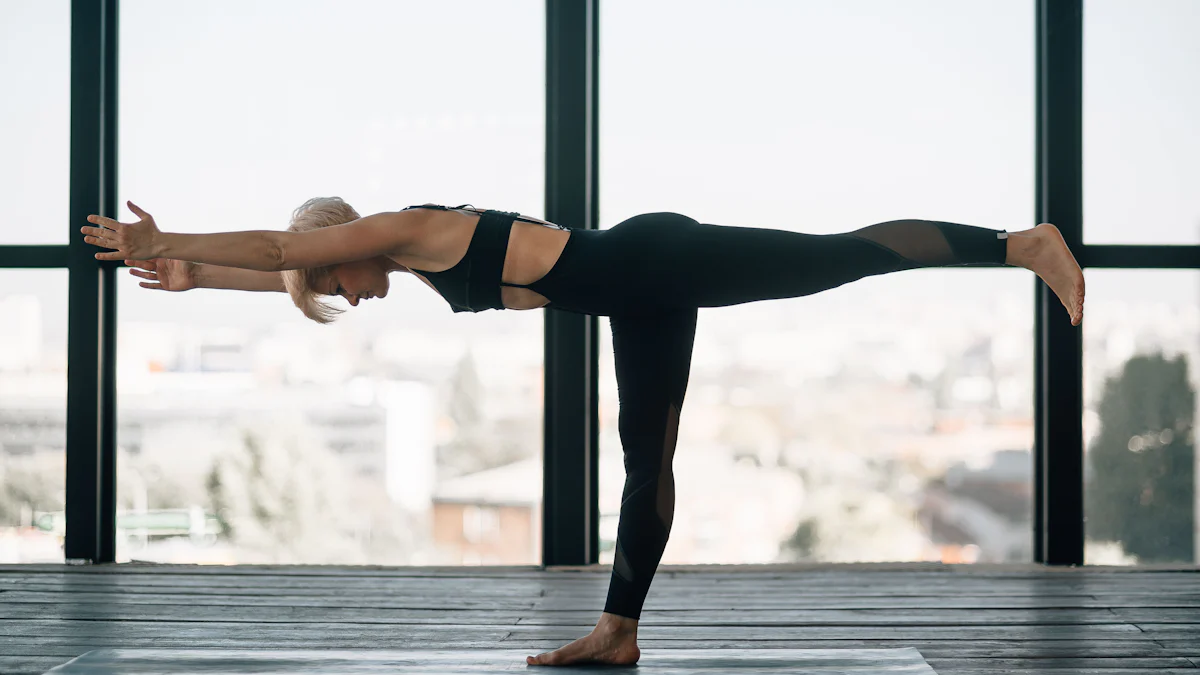
Beginner-Friendly Poses
Cat-Cow Stretch
The Cat-Cow Stretch serves as an excellent starting point for those new to yoga. This pose helps you increase flexibility in your spine and improve posture. Begin on your hands and knees, ensuring your wrists align with your shoulders and your knees with your hips. Inhale deeply, arch your back, and lift your head and tailbone towards the ceiling, entering the "Cow" position. As you exhale, round your back, tuck your chin to your chest, and draw your belly button towards your spine, transitioning into the "Cat" position. Repeat this sequence several times, focusing on the fluid movement between the two poses. This gentle stretch can help alleviate tension and promote spinal alignment.
Child's Pose
Child's Pose offers a calming and restorative stretch that gently elongates the spine. To perform this pose, kneel on the floor, sit back on your heels, and extend your arms forward on the mat. Allow your forehead to rest on the ground, and breathe deeply. This position encourages relaxation and helps release tension in the back and shoulders. By incorporating Child's Pose into your routine, you can enhance flexibility and create a sense of calm, which is beneficial for managing scoliosis-related discomfort.
Intermediate Poses
Triangle Pose
The Triangle Pose provides a deeper stretch that targets the sides of your body, promoting balance and alignment. Stand with your feet wide apart, and turn your right foot outwards while keeping your left foot slightly inward. Extend your arms parallel to the floor, and reach your right hand towards your right ankle or shin, while your left arm points towards the ceiling. Keep your gaze upward or forward, depending on your comfort level. This pose strengthens your legs and core, while also improving flexibility in your spine. Practicing the Triangle Pose regularly can help you achieve better posture and reduce scoliosis-related pain.
Warrior II
Warrior II is a powerful pose that builds strength and stability in your legs and core. Begin by standing with your feet wide apart, and turn your right foot outwards. Bend your right knee, ensuring it aligns with your ankle, and extend your arms parallel to the floor. Keep your gaze over your right hand, and hold the pose while breathing deeply. This position engages your core muscles and promotes balance, which is essential for managing scoliosis. By incorporating Warrior II into your practice, you can enhance your overall strength and support your spine effectively.
These specific yoga poses offer a natural way to manage scoliosis symptoms. By practicing these poses regularly, you can improve your flexibility, strength, and posture, contributing to a healthier spine and reduced pain.
Additional Considerations for Yoga and Scoliosis
Consulting with Healthcare Professionals
Importance of Personalized Guidance
When you embark on a yoga journey to manage scoliosis, personalized guidance becomes crucial. Each individual's scoliosis presents unique challenges, and a healthcare professional can tailor a yoga plan that suits your specific needs. Jenni Tarma, a Yoga Medicine® therapeutic specialist, emphasizes the importance of understanding the uneven distribution of tension in tissues surrounding a scoliotic spine. A knowledgeable yoga instructor can help you address these imbalances effectively.
Monitoring Progress and Adjustments
Regular monitoring of your progress ensures that your yoga practice remains beneficial. Healthcare professionals can assess your spinal alignment and make necessary adjustments to your routine. This ongoing evaluation helps you stay on track and adapt your practice as your body changes. By keeping a close eye on your progress, you can maximize the benefits of yoga for scoliosis management.
Incorporating Yoga into Daily Routine
Setting Realistic Goals
Setting realistic goals is essential when incorporating yoga into your daily routine. Start with small, achievable objectives that align with your current abilities. Gradually increase the complexity of your practice as you gain confidence and strength. This approach prevents frustration and keeps you motivated. Remember, consistency is key to experiencing the full benefits of yoga for scoliosis.
Creating a Supportive Environment
A supportive environment enhances your yoga practice. Find a quiet, comfortable space where you can focus without distractions. Consider joining a community of individuals who share similar goals. Engaging with others provides encouragement and accountability. A yoga instructor with experience in scoliosis can offer valuable insights and modifications to ensure your practice remains safe and effective.
By consulting with healthcare professionals and integrating yoga into your daily life, you create a comprehensive strategy for managing scoliosis. This approach not only addresses physical symptoms but also nurtures mental well-being, empowering you to lead a healthier, more balanced life.
Resources and Support
Finding Qualified Yoga Instructors
Certifications and Experience
When you decide to incorporate yoga into your scoliosis management plan, finding a qualified instructor becomes crucial. Look for instructors with certifications from recognized yoga institutions. These certifications ensure that the instructor has undergone rigorous training and understands the nuances of yoga practice. Experience in working with individuals with scoliosis is equally important. An instructor with this background can tailor sessions to meet your specific needs, ensuring that you practice safely and effectively.
Recommendations and Reviews
Seek recommendations from friends, family, or healthcare professionals who have experience with yoga for scoliosis. Personal testimonials can provide valuable insights into an instructor's teaching style and effectiveness. Additionally, online reviews can offer a broader perspective. Look for instructors with positive feedback regarding their ability to address scoliosis-specific concerns. A well-reviewed instructor can guide you in achieving the best results from your yoga practice.
Online and Community Resources
Online Classes and Tutorials
The internet offers a wealth of resources for practicing yoga at home. Online classes and tutorials provide flexibility, allowing you to practice at your own pace. Many platforms offer classes specifically designed for scoliosis, led by experienced instructors. These classes often include detailed instructions and modifications to accommodate your unique needs. By utilizing online resources, you can access expert guidance without leaving your home.
Support Groups and Forums
Connecting with others who share similar experiences can be incredibly beneficial. Online support groups and forums offer a platform to share tips, ask questions, and find encouragement. Engaging with a community of individuals managing scoliosis through yoga can provide motivation and support. You can learn from others' experiences and discover new strategies for incorporating yoga into your routine. This sense of community can enhance your journey towards a healthier, more balanced life.
Testimonial: "I feel very lucky to have had the opportunity to work with Claire. Until I crossed paths with Claire, I had never found a therapist who truly understood scoliosis and what it is like to live with it. Claire’s work with me has empowered me to be in charge of my own pain and to manage it."
By exploring these resources and support systems, you can enhance your yoga practice and effectively manage scoliosis. Whether through finding the right instructor or connecting with a supportive community, these tools empower you to take control of your health and well-being.
Yoga plays a vital role in managing scoliosis pain by promoting strength, flexibility, and balance. By incorporating yoga into your routine, you can experience relief from discomfort and improve your spine's range of motion. Exploring yoga as a natural remedy offers numerous benefits, including enhanced posture and overall well-being. Embracing a holistic approach not only addresses physical symptoms but also nurtures mental health. This comprehensive strategy empowers you to take control of your scoliosis management, leading to a healthier and more balanced life.
See Also
Yoga's Role in Easing Scoliosis Symptoms
Utilizing Yoga for Relief from Lower Back Pain
Boost Flexibility with Top 10 Hot Yoga Poses
Hi my name is Lia and i am your host in this yoga journey in Portugal, Subscribe to our newsletter to receive every week the best of Yoga in Portugal.

We bring back the importance of initiation into womanhood by Roos-Veerle Krijnen & Ella-June Henrard
Welcome to the Women’s Initiation Retreat by Naked Truth Retreats, a transformative journey into the depths of your True Feminine Nature. This retreat invites you to remember the sacredness and wholeness of your being.
Roos-Veerle Krijnen & Ella-June Henrard