How Yoga Can Ease Your Knee Pain

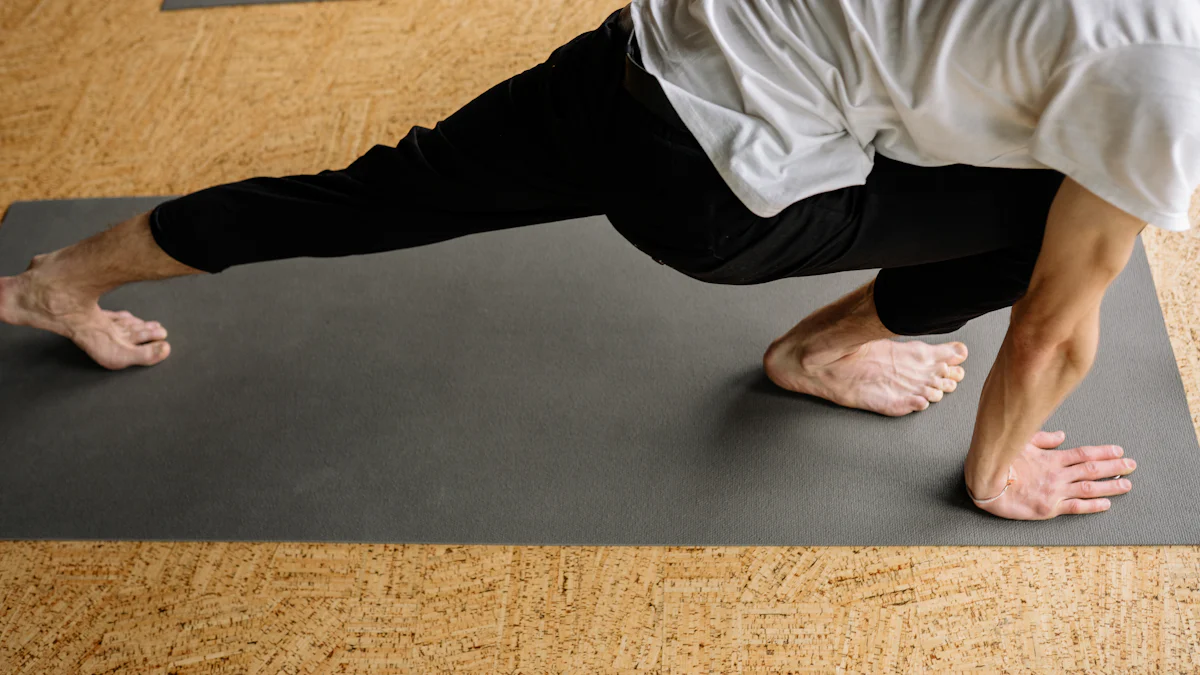
Yoga offers a natural way to ease knee pain, providing relief and enhancing your overall knee health. By practicing yoga, you can strengthen muscles around your knees, improve joint stability, and promote better alignment. Safe practice is crucial, so focus on effective poses that suit your needs. Studies show that yoga significantly reduces pain and stiffness, especially for those with knee osteoarthritis. Incorporating ghutno ka dard ka yoga into your routine can lead to less pain and better mobility. Embrace yoga as a holistic approach to managing knee discomfort and improving your quality of life.
Benefits of Yoga for Knee Health
Muscle Strengthening
Yoga plays a crucial role in building supportive muscles around your knee. By engaging in various poses, you activate and strengthen the muscles that support your knee joint. This muscle strengthening reduces the burden on your knee, leading to less pain and improved function.
Balanced muscle development is essential for knee health. Yoga encourages even muscle growth, ensuring that no single muscle group becomes overly dominant. This balance helps maintain proper knee alignment and reduces the risk of injury.
Joint Stabilization
Yoga enhances joint stability, which is vital for preventing knee injuries. Through consistent practice, you improve the strength and flexibility of the muscles and ligaments surrounding your knee. This increased stability provides better support for your knee joint, reducing the likelihood of strains or sprains.
Preventing knee injuries through improved stability is one of yoga's significant benefits. By focusing on poses that promote stability, you create a protective environment for your knees. This proactive approach helps you avoid common knee issues and maintain overall joint health.
Improved Alignment
Yoga promotes proper body alignment, which is essential for reducing stress on your knees. When your body is aligned correctly, the weight and pressure on your knees distribute evenly. This alignment minimizes unnecessary strain and helps prevent pain and discomfort.
Reducing stress on the knees through alignment is a key aspect of yoga practice. By maintaining proper posture and alignment, you ensure that your knees function optimally. This focus on alignment not only alleviates existing pain but also prevents future issues, contributing to long-term knee health.
Specific Yoga Poses for Knee Pain Relief
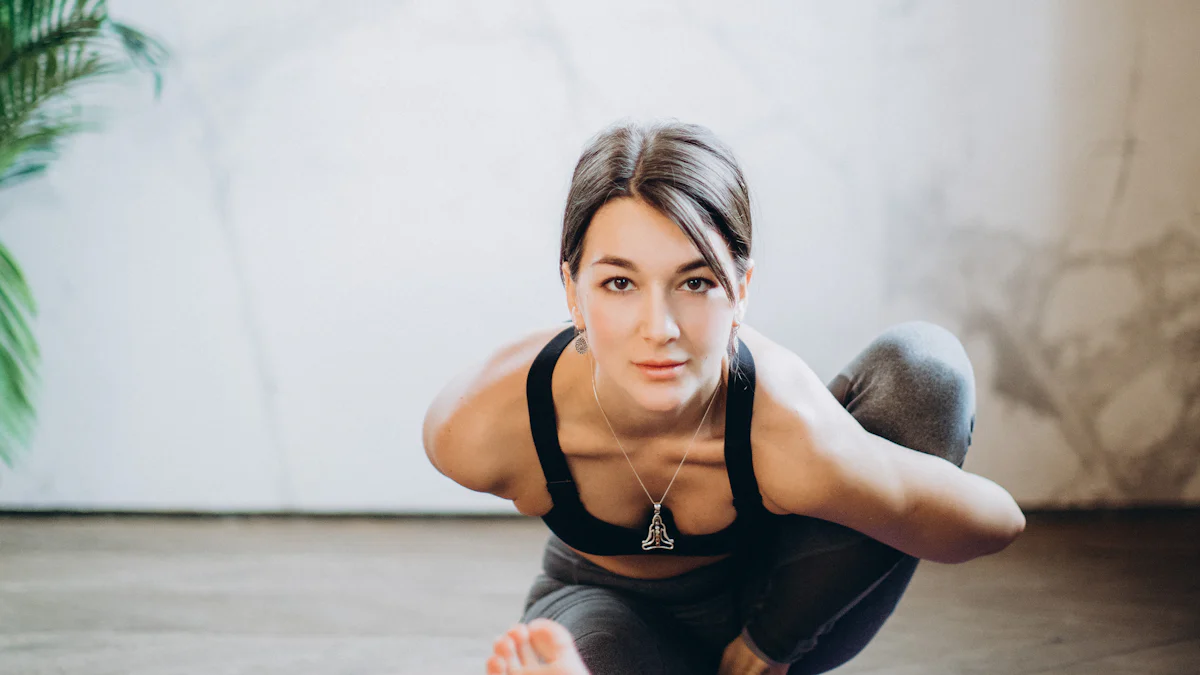
Tadasana (Mountain Pose)
Step-by-step instructions for Tadasana
Stand with your feet together, ensuring your weight is evenly distributed.
Keep your arms at your sides and relax your shoulders.
Engage your thigh muscles and lift your kneecaps without locking your knees.
Lengthen your spine by reaching the crown of your head toward the ceiling.
Hold this position for several breaths, maintaining a steady and relaxed posture.
Benefits of Tadasana for knee health
Tadasana serves as a foundational pose that enhances your awareness of body alignment. By practicing this pose, you strengthen the muscles around your knees, promoting stability and balance. This pose helps distribute weight evenly across your legs, reducing unnecessary stress on your knees. Regular practice can lead to improved posture and reduced knee pain.
Utthita Trikonasana (Extended Triangle Pose)
How to perform Utthita Trikonasana safely
Stand with your feet wide apart, turning your right foot out 90 degrees and your left foot slightly inward.
Extend your arms parallel to the floor, palms facing down.
Shift your hips to the left and reach your right hand toward your right ankle, shin, or the floor.
Stretch your left arm toward the ceiling, keeping your chest open.
Hold the pose for several breaths, then switch sides.
Knee pain relief benefits of this pose
Utthita Trikonasana stretches and strengthens the muscles around your knees, enhancing flexibility and stability. This pose helps correct muscular imbalances, which can alleviate knee pain. By improving your range of motion, you reduce stiffness and enhance overall knee function. Practicing this pose regularly can contribute to long-term knee health.
Virabhadrasana I & II (Warrior Poses I & II)
Detailed guide to practicing Warrior Poses
Begin in a standing position, stepping your feet wide apart.
Turn your right foot out 90 degrees and your left foot slightly inward.
Bend your right knee over your right ankle, keeping your thigh parallel to the floor.
Extend your arms overhead for Warrior I or parallel to the floor for Warrior II.
Hold the pose for several breaths, then repeat on the other side.
Strengthening and stabilizing effects on the knees
Warrior Poses are powerful for building strength and stability in your knees. These poses engage the quadriceps, hamstrings, and calves, providing support to your knee joints. By practicing these poses, you enhance muscle endurance and joint stability, reducing the risk of knee injuries. Consistent practice can lead to stronger, more resilient knees, improving your overall mobility and quality of life.
Ghutno ka dard ka yoga
Incorporating specific yoga poses into your routine can significantly alleviate knee pain. Among these, the Chair Pose and Bridge Pose stand out for their effectiveness in providing relief and strengthening the muscles around your knees.
Incorporating poses like Chair Pose and Bridge Pose for knee relief
Chair Pose (Utkatasana):
Stand with your feet hip-width apart.
Bend your knees as if you are sitting back into a chair.
Keep your back straight and raise your arms overhead.
Hold this position for several breaths, focusing on engaging your thigh muscles.
The Chair Pose is excellent for building strength in your quadriceps and glutes. By practicing this pose, you enhance the support around your knee joints, which can reduce pain and improve stability. Regular practice of this pose as part of ghutno ka dard ka yoga can lead to stronger knees and better overall leg function.
Bridge Pose (Setu Bandhasana):
Lie on your back with your knees bent and feet flat on the floor, hip-width apart.
Press your feet into the ground and lift your hips toward the ceiling.
Keep your shoulders on the floor and clasp your hands under your back.
Hold the pose for several breaths, focusing on engaging your core and glutes.
The Bridge Pose helps strengthen the muscles around the knee joint and improves flexibility. This pose also stretches the chest, neck, and spine, promoting better posture and alignment. By incorporating the Bridge Pose into your routine, you can experience reduced knee pain and enhanced mobility.
"Yoga can effectively alleviate knee pain arising from muscular imbalances," highlighting the importance of poses like Chair and Bridge in addressing these issues.
Practicing these poses consistently can lead to significant improvements in knee health. Studies show that yoga not only reduces pain but also enhances flexibility and mobility, making it a valuable addition to your knee pain management strategy. Embrace ghutno ka dard ka yoga as a holistic approach to maintaining healthy knees and improving your quality of life.
Safety Tips for Practicing Yoga with Knee Pain
Use of Props and Modifications
Importance of using props for support
When practicing yoga with knee pain, using props can be incredibly beneficial. Props like blocks, straps, and bolsters provide the necessary support to maintain proper alignment and reduce strain on your knees. They help you achieve poses comfortably and safely, allowing you to focus on the benefits without risking injury. By incorporating props, you can enhance your practice and experience greater relief from knee discomfort.
Modifying poses to suit individual needs
Every individual's body is unique, and modifying yoga poses to suit your specific needs is essential. Adjusting poses ensures that you practice safely and effectively, minimizing the risk of aggravating knee pain. For instance, if a pose feels too intense, you can reduce the depth of the stretch or use a wall for support. These modifications allow you to enjoy the benefits of yoga while respecting your body's limitations.
Listening to Your Body
Recognizing signs of discomfort or strain
Listening to your body is crucial when practicing yoga, especially if you have knee pain. Pay attention to any signs of discomfort or strain during your practice. If you feel sharp pain or excessive pressure in your knees, it's essential to stop and reassess your position. Recognizing these signals helps prevent further injury and ensures a safe and enjoyable yoga experience.
Adjusting practice to prevent injury
To prevent injury, adjust your yoga practice based on your body's feedback. If a particular pose causes discomfort, modify it or choose an alternative that feels more comfortable. Consistency in practice is important, but it's equally vital to prioritize safety. By making necessary adjustments, you can continue to benefit from yoga while protecting your knees from unnecessary stress.
"Yoga has been proven to reduce pain and stiffness in people who experience chronic knee pain," notes a study from Verywell Health. This highlights the importance of practicing mindfully and making necessary adjustments to suit your needs.
Incorporating these safety tips into your yoga routine can lead to significant improvements in knee health. As you become more attuned to your body's signals and make thoughtful modifications, you'll find that yoga becomes a powerful tool for managing knee pain and enhancing your overall well-being.
Incorporating yoga into your routine offers numerous benefits for knee pain relief. By practicing regularly, you strengthen supportive muscles, enhance joint stability, and improve alignment. This holistic approach not only alleviates discomfort but also promotes overall knee health.
"Yoga has been proven to reduce pain and stiffness in people who experience chronic knee pain," notes a study from Verywell Health.
Dr. Hansaji Yogendra, an expert in yoga remedies, emphasizes the importance of mindful practice. Always consult your doctor before starting a yoga program, especially if you experience knee pain. Embrace yoga as a valuable tool for managing knee health and enhancing your quality of life.
See Also
Yoga Techniques To Alleviate Anxiety And Stress
Uncover The Wellness Advantages Of Practicing Yoga
Five Yoga Asanas To Improve Hip Flexibility

Hi my name is Lia and i am your host in this yoga journey in Portugal, Subscribe to our newsletter to receive every week the best of Yoga in Portugal.

We bring back the importance of initiation into womanhood by Roos-Veerle Krijnen & Ella-June Henrard
Welcome to the Women’s Initiation Retreat by Naked Truth Retreats, a transformative journey into the depths of your True Feminine Nature. This retreat invites you to remember the sacredness and wholeness of your being.
Roos-Veerle Krijnen & Ella-June Henrard