How Yoga Eases Back Pain and Improves Flexibility

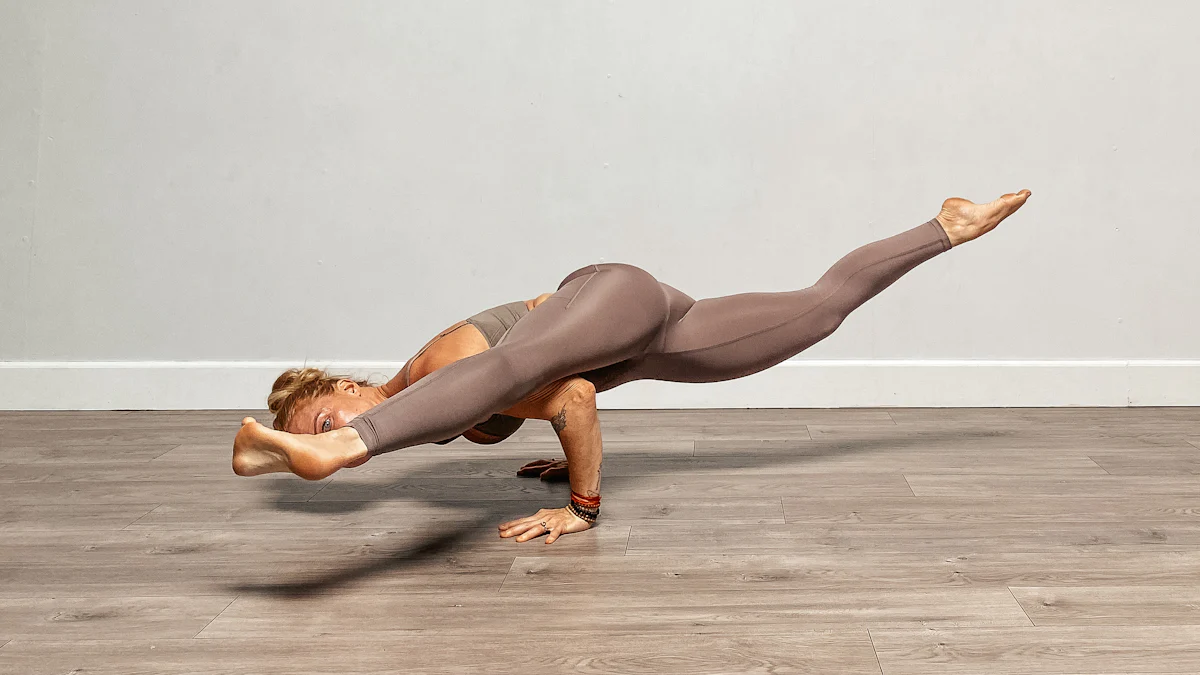
Yoga, an ancient practice, offers numerous health benefits. It enhances physical and mental well-being. Many people turn to yoga for backache relief. In the USA, 31 million adults have embraced yoga to prevent diseases and alleviate back pain. Addressing back pain and improving flexibility is crucial. Back pain affects daily life and limits mobility. Yoga strengthens muscles and improves spinal health, reducing pain levels. It also enhances flexibility, which is vital for maintaining a healthy lifestyle. By incorporating yoga into your routine, you can experience significant improvements in both back pain and overall flexibility.
Understanding Back Pain
Common Causes of Back Pain
Poor Posture
You might not realise it, but poor posture can significantly contribute to back pain. When you slouch or hunch over, your spine experiences unnecessary stress. This stress can lead to muscle tension and discomfort. Over time, maintaining poor posture can cause chronic pain. By being mindful of your posture, you can help alleviate some of this strain on your back.
Sedentary Lifestyle
A sedentary lifestyle is another common cause of back pain. Sitting for long periods can weaken your muscles, especially those in your back and core. Weak muscles provide less support for your spine, leading to pain and discomfort. Incorporating regular movement into your day can help strengthen these muscles and reduce back pain. Even simple activities like walking or stretching can make a difference.
Impact of Back Pain on Daily Life
Physical Limitations
Back pain can impose significant physical limitations on your daily activities. You may find it difficult to perform tasks that require bending, lifting, or even standing for extended periods. This limitation can affect your work, hobbies, and overall quality of life. Engaging in yoga can help improve your mobility and reduce these physical constraints. According to a study published in the Journal of Orthopaedic Research, participants who practised yoga weekly experienced reduced pain levels.
Emotional Well-being
The impact of back pain extends beyond physical limitations. It can also affect your emotional well-being. Chronic pain can lead to feelings of frustration, anxiety, and even depression. The constant discomfort can make it challenging to enjoy life fully. Yoga not only addresses the physical symptoms of back pain but also helps manage the stress that often accompanies it. By practising yoga, you can enhance both your physical and emotional health, leading to a more balanced and fulfilling life.
Yoga for Backache: The Role of Yoga in Alleviating Back Pain
How Yoga Targets Back Pain
Yoga serves as a powerful tool in addressing back pain. It focuses on strengthening core muscles and enhancing spinal alignment, which are crucial for maintaining a healthy back.
Strengthening Core Muscles
Your core muscles play a vital role in supporting your spine. A strong core provides stability and reduces the strain on your back. Yoga poses, such as the plank and boat pose, engage these muscles effectively. By regularly practising these poses, you can build a robust core, which helps alleviate back pain. Research has shown that yoga can lead to a significant reduction in pain intensity, making it a superior choice compared to usual care or exercises.
Enhancing Spinal Alignment
Proper spinal alignment is essential for preventing back pain. Misalignment can lead to discomfort and chronic pain. Yoga encourages correct posture and alignment through various poses. For instance, the mountain pose and tree pose help you maintain a straight spine. Practising these poses regularly can improve your posture and reduce back pain. Studies have demonstrated that yoga interventions result in greater pain reduction and decreased reliance on pain medication.
Benefits of Regular Yoga Practice
Engaging in regular yoga practice offers numerous benefits for those suffering from back pain. It not only reduces pain but also improves mobility, enhancing your overall quality of life.
Pain Reduction
Yoga has proven to be effective in reducing chronic low back pain. By incorporating yoga into your routine, you can experience a noticeable decrease in pain levels. This reduction allows you to perform daily activities with greater ease and comfort. Evidence suggests that yoga leads to a significant reduction in pain intensity, highlighting its efficacy in managing back pain.
Improved Mobility
Regular yoga practice enhances your flexibility and mobility. It stretches and strengthens muscles, allowing for a greater range of motion. Improved mobility means you can move more freely without experiencing discomfort. Yoga for backache not only targets pain relief but also promotes overall physical well-being. By practising yoga consistently, you can enjoy a more active and fulfilling lifestyle.
Yoga Poses for Back Pain Relief

Yoga offers a variety of poses that can effectively alleviate back pain. By incorporating these poses into your routine, you can strengthen and relax your muscles, providing relief from discomfort. Let's explore some beginner-friendly and intermediate yoga poses that target back pain relief.
Beginner-Friendly Poses
Cat-Cow Stretch
The Cat-Cow Stretch is a gentle way to warm up your spine and relieve tension in your back. Begin on your hands and knees, ensuring your wrists are aligned under your shoulders and your knees under your hips. As you inhale, arch your back, lifting your head and tailbone towards the ceiling—this is the Cow position. On the exhale, round your spine, tucking your chin to your chest and drawing your belly button towards your spine—this is the Cat position. Repeat this flow for several breaths. This stretch helps to massage the spine and improve flexibility, making it an excellent choice for those new to yoga for backache.
Child's Pose
Child's Pose offers a soothing stretch for the lower back. Start by kneeling on the floor, sitting back on your heels, and extending your arms forward on the mat. Allow your forehead to rest on the ground. This pose elongates and aligns the spine, decompressing it and providing a gentle stretch. Hold this position for 30 to 60 seconds, breathing deeply. Child's Pose not only relieves tension in the back but also promotes relaxation and stress relief.
Intermediate Poses
Downward-Facing Dog
The Downward-Facing Dog pose stretches the backs of your legs and lengthens your spine, both of which can relieve tightness in your lower back. Begin on your hands and knees, then lift your hips towards the ceiling, forming an inverted V-shape with your body. Keep your hands shoulder-width apart and your feet hip-width apart. If straightening your legs causes discomfort, keep your knees slightly bent. Hold this pose for 30 to 60 seconds. This pose strengthens the arms and legs while providing a deep stretch for the back.
Bridge Pose
Bridge Pose strengthens the back muscles and opens the chest. Lie on your back with your knees bent and feet flat on the floor, hip-width apart. Place your arms by your sides, palms facing down. Press your feet into the ground and lift your hips towards the ceiling, keeping your thighs parallel. Hold this position for a few breaths before gently lowering your hips back to the floor. Bridge Pose helps to strengthen the lower back and improve spinal alignment, making it beneficial for those seeking relief from back pain.
Incorporating these yoga poses into your routine can significantly enhance your flexibility and alleviate back pain. By practising regularly, you can experience the benefits of yoga for backache, leading to improved mobility and overall well-being.
Improving Flexibility Through Yoga

Flexibility plays a crucial role in maintaining a healthy and active lifestyle. By practising yoga, you can significantly enhance your flexibility, which offers numerous benefits.
Importance of Flexibility
Reducing Injury Risk
Flexibility reduces the risk of injuries. When your muscles are flexible, they can move through their full range of motion without strain. This elasticity helps prevent muscle tears and joint injuries. Yoga involves stretching and force resistance movements, which improve flexibility. Studies have shown that yoga can increase flexibility in the hamstrings and lower back after just six weeks. By incorporating yoga into your routine, you can protect yourself from potential injuries.
Enhancing Athletic Performance
Flexibility also enhances athletic performance. Athletes with greater flexibility can perform movements with ease and efficiency. Yoga training has been shown to significantly enhance flexibility measures compared to traditional exercises. Athletes who practise yoga often outperform those who do not. By improving your flexibility through yoga, you can boost your athletic abilities and achieve better results in your chosen sport.
Yoga Poses to Enhance Flexibility
Yoga offers specific poses that target flexibility. By practising these poses regularly, you can experience noticeable improvements in your flexibility.
Forward Bend
The Forward Bend pose stretches the hamstrings and lower back. Stand with your feet hip-width apart and slowly bend forward from your hips. Allow your hands to reach towards the ground or your shins. Keep your knees slightly bent if needed. This pose helps lengthen the spine and release tension in the back. Practising the Forward Bend regularly can lead to increased flexibility and reduced back pain.
Triangle Pose
The Triangle Pose is another effective pose for enhancing flexibility. Stand with your feet wide apart and turn your right foot outwards. Extend your arms parallel to the floor and reach your right hand towards your right foot. Your left arm should point towards the ceiling. This pose stretches the legs, hips, and spine, promoting flexibility and balance. By incorporating the Triangle Pose into your yoga practice, you can improve your overall flexibility and posture.
Incorporating yoga for backache into your routine not only alleviates pain but also enhances your flexibility. By practising these poses consistently, you can enjoy a more flexible and injury-resistant body. Embrace yoga as a tool to improve your physical well-being and achieve a healthier lifestyle.
Personalising Your Yoga Practice
Customising your yoga practice can significantly enhance its effectiveness, especially when addressing specific needs like back pain and flexibility. By tailoring your routine, you can ensure it aligns with your personal goals and physical condition.
Frequency and Duration
Recommended Practice Schedule
Establishing a consistent yoga schedule is crucial for reaping its benefits. Aim to practise yoga at least three to four times a week. This frequency allows your body to adapt and improve gradually. Each session can last between 20 to 60 minutes, depending on your availability and energy levels. Consistency is key. Regular practice helps in building strength and flexibility over time.
Listening to Your Body
Your body communicates its needs and limits. Pay attention to these signals during your yoga practice. If a pose feels uncomfortable or painful, modify it or take a break. Yoga should not cause pain. It should feel challenging yet comfortable. By listening to your body, you can prevent injuries and ensure a safe practice. Remember, progress in yoga is personal and varies from person to person.
Modifications and Props
Using Blocks and Straps
Yoga props like blocks and straps can enhance your practice. They provide support and help you achieve proper alignment in poses. For instance, if you struggle to reach the floor in a forward bend, a block can bring the floor closer to you. Straps can assist in deepening stretches, especially if your flexibility is limited. Incorporating props makes yoga accessible to everyone, regardless of their flexibility level.
Adapting Poses for Comfort
Adapting poses to suit your comfort level is essential. You can modify poses to accommodate your body's needs. For example, if a pose requires deep bending and you experience discomfort, try a gentler version. Yoga instructors often emphasise the importance of personalising practice. They encourage students to explore different styles and modifications. This approach ensures that yoga remains a beneficial and enjoyable experience for all practitioners.
By personalising your yoga practice, you can address specific concerns like back pain and flexibility more effectively. Tailoring your routine to fit your needs ensures that you gain the maximum benefits from yoga. Embrace the journey of self-discovery and improvement through yoga.
Yoga offers numerous benefits for alleviating back pain and enhancing flexibility. By strengthening your core and improving spinal alignment, yoga reduces discomfort and increases mobility. Regular practice not only eases physical symptoms but also calms the mind, as highlighted by a yoga enthusiast who found relief from an old sports injury.
"I started yoga as a way to relieve the pain of an old sports injury, and was hooked by the way it calmed my mind, as well as stretched and challenged my body."
Incorporate yoga into your daily routine to experience these transformative benefits. Embrace this ancient practice to restore your health and well-being.
See Also
Enhancing Mental Wellbeing with Yoga and Meditation
Exploring Hatha Yoga: Meaning and Benefits for Health
Exploring the Best Yoga Sessions in Newcastle for Relaxing

Hi my name is Lia and i am your host in this yoga journey in Portugal, Subscribe to our newsletter to receive every week the best of Yoga in Portugal.

We bring back the importance of initiation into womanhood by Roos-Veerle Krijnen & Ella-June Henrard
Welcome to the Women’s Initiation Retreat by Naked Truth Retreats, a transformative journey into the depths of your True Feminine Nature. This retreat invites you to remember the sacredness and wholeness of your being.
Roos-Veerle Krijnen & Ella-June Henrard