How Yoga Can Help Ease Anxiety Symptoms


Yoga offers a holistic approach to wellness, blending physical postures, breath control, and meditation. This ancient practice not only enhances flexibility and strength but also nurtures mental tranquility. Anxiety, a common mental health challenge, manifests through symptoms like restlessness, rapid heartbeat, and excessive worry. Finding natural ways to manage anxiety is crucial for maintaining overall well-being. Yoga stands out as an effective method. It soothes the nervous system, promotes relaxation, and releases endorphins, which are natural mood enhancers. So, is yoga good for anxiety? Absolutely, it provides a natural path to calmness and balance.
Understanding Anxiety
What is Anxiety?
Definition and Common Symptoms
Anxiety is a natural response to stress, but when it becomes overwhelming, it can interfere with your daily life. You might experience symptoms like restlessness, rapid heartbeat, or excessive worry. These symptoms can vary in intensity and duration, affecting how you feel and function.
Causes and Triggers of Anxiety
Anxiety doesn't have a single cause. It often results from a combination of genetic, environmental, and psychological factors. If you have a family history of anxiety disorders, you might be more susceptible. Stressful life events, such as trauma or significant changes, can also trigger anxiety. Additionally, your brain's chemistry plays a role. The amygdala, a part of your brain responsible for processing emotions, can become overactive, leading to heightened anxiety responses.
Impact of Anxiety on Daily Life
Physical Effects
Anxiety can take a toll on your body. You might notice muscle tension, headaches, or digestive issues. Chronic anxiety can even affect your cardiovascular health, increasing the risk of heart disease. Sleep disturbances are common, too, leaving you feeling fatigued and less able to cope with stress.
Emotional and Mental Effects
Emotionally, anxiety can lead to feelings of fear, irritability, or sadness. It can make it difficult to concentrate or make decisions. Over time, unmanaged anxiety can contribute to the development of other mental health disorders, such as depression. It's important to recognize these effects and seek ways to manage them effectively.
Understanding anxiety is the first step toward managing it. By recognizing its symptoms and triggers, you can take proactive steps to reduce its impact on your life.
Is Yoga Good for Anxiety?
Yoga offers a powerful tool for managing anxiety. By engaging in this practice, you can tap into a wealth of benefits that address both the mind and body. But how exactly does yoga help ease anxiety symptoms? Let's delve into the science behind it.
The Science Behind Yoga and Anxiety Relief
How Yoga Affects the Nervous System
Yoga has a profound impact on your nervous system. When you practice yoga, you engage in activities that soothe an overactive nervous system. This calming effect is crucial for reducing anxiety. Studies show that yoga increases vagal tone, which helps regulate your body's stress response. By enhancing the function of the vagus nerve, yoga promotes relaxation and reduces stress levels.
Moreover, yoga lowers stress hormones like cortisol. High cortisol levels often contribute to anxiety, so reducing them can lead to a calmer state of mind. Additionally, yoga boosts beneficial brain chemicals such as endorphins and gamma-aminobutyric acid (GABA). These chemicals play a vital role in improving mood and decreasing anxiety.
Mind-Body Connection
The mind-body connection is a fundamental aspect of yoga. Through mindful movement and breath control, yoga fosters a deep sense of awareness. This awareness helps you stay present, reducing the tendency to ruminate on past or future worries. By focusing on the present moment, you can alleviate anxiety and cultivate a sense of peace.
Yoga also enhances emotional regulation. Regular practice leads to better functioning in the amygdala, the brain region responsible for processing emotions. As a result, you experience a decrease in the intensity of certain emotional responses, making it easier to manage anxiety.
Furthermore, yoga encourages mindfulness, which is a powerful tool for anxiety relief. Mindfulness involves paying attention to your thoughts and feelings without judgment. This practice helps you develop a healthier relationship with your emotions, reducing the impact of anxiety on your daily life.
Incorporating yoga into your routine can transform your approach to anxiety management. By understanding how yoga affects the nervous system and strengthens the mind-body connection, you can harness its full potential. So, is yoga good for anxiety? Absolutely. It offers a natural and effective path to finding calmness and balance in your life.
Yoga Poses for Anxiety Relief

Restorative Poses
Restorative yoga poses offer a gentle way to ease anxiety. These poses focus on relaxation and help calm your mind and body.
Child's Pose
Child's Pose, or Balasana, is a simple yet powerful pose. It allows you to retreat inward and find peace. To perform this pose, kneel on the floor, sit back on your heels, and stretch your arms forward. Rest your forehead on the mat. This position helps release tension in your back, shoulders, and neck. As you breathe deeply, you may notice a sense of calm washing over you. This pose encourages introspection and provides a safe space to let go of stress.
Legs-Up-The-Wall Pose
Legs-Up-The-Wall Pose, or Viparita Karani, is another restorative pose that can help alleviate anxiety. Lie on your back and extend your legs up against a wall. Keep your arms relaxed by your sides. This pose promotes circulation and reduces swelling in your legs. It also encourages relaxation by gently stretching your hamstrings and lower back. As you hold this pose, focus on your breath. Allow each exhale to release tension and invite tranquility into your mind.
Breathing Techniques
Breathing techniques, or pranayama, play a crucial role in managing anxiety. They help regulate your breath and calm your nervous system.
Diaphragmatic Breathing
Diaphragmatic breathing, also known as deep belly breathing, involves taking slow, deep breaths. Sit or lie down comfortably. Place one hand on your chest and the other on your abdomen. Inhale deeply through your nose, allowing your diaphragm to expand. Feel your abdomen rise as you fill your lungs with air. Exhale slowly through your mouth, letting your abdomen fall. This technique helps reduce stress and promotes relaxation by activating the parasympathetic nervous system.
Alternate Nostril Breathing
Alternate nostril breathing, or Nadi Shodhana, balances your energy and calms your mind. Sit comfortably with your spine straight. Use your right thumb to close your right nostril. Inhale deeply through your left nostril. Close your left nostril with your ring finger and release your right nostril. Exhale slowly through your right nostril. Inhale through your right nostril, then switch and exhale through your left. This technique harmonizes the left and right hemispheres of your brain, promoting mental clarity and reducing anxiety.
By incorporating these yoga poses and breathing techniques into your routine, you can create a sanctuary of calm within yourself. These practices empower you to manage anxiety effectively and embrace a more peaceful state of being.
Incorporating Yoga into Your Routine
Creating a Consistent Practice
Building a consistent yoga practice can transform your approach to managing anxiety. To start, set realistic goals that align with your lifestyle and current abilities. Begin with small, achievable targets. For instance, aim to practice yoga for 10 minutes a day. Gradually increase the duration as you become more comfortable. This approach helps you stay motivated and prevents burnout.
Finding a suitable time and space is crucial for maintaining consistency. Choose a time of day when you feel most relaxed and can focus without interruptions. Many people find early mornings or evenings ideal for yoga. Create a dedicated space in your home where you can practice comfortably. A quiet corner with a yoga mat and minimal distractions can make a significant difference. This space becomes your sanctuary, a place where you can retreat and find peace.
Combining Yoga with Other Practices
Yoga's benefits amplify when combined with other practices like meditation and mindfulness. Meditation enhances your ability to focus and remain present. It complements yoga by deepening your mind-body connection. Start with short meditation sessions after your yoga practice. Focus on your breath and let go of any lingering tension. Over time, you'll notice an increased sense of calm and clarity.
Incorporating physical exercise and a healthy lifestyle further supports your journey to anxiety relief. Regular physical activity boosts endorphins, which elevate your mood and reduce stress. Pairing yoga with activities like walking, swimming, or cycling creates a balanced routine. Additionally, adopting a nutritious diet and ensuring adequate sleep contribute to overall well-being. These lifestyle choices enhance the effectiveness of yoga in managing anxiety.
By integrating yoga into your daily routine, you empower yourself to take control of your mental health. The combination of consistent practice, meditation, and a healthy lifestyle creates a holistic approach to anxiety management. Embrace this journey with an open heart and mind, and discover the profound impact yoga can have on your life.
Personal Stories and Testimonials
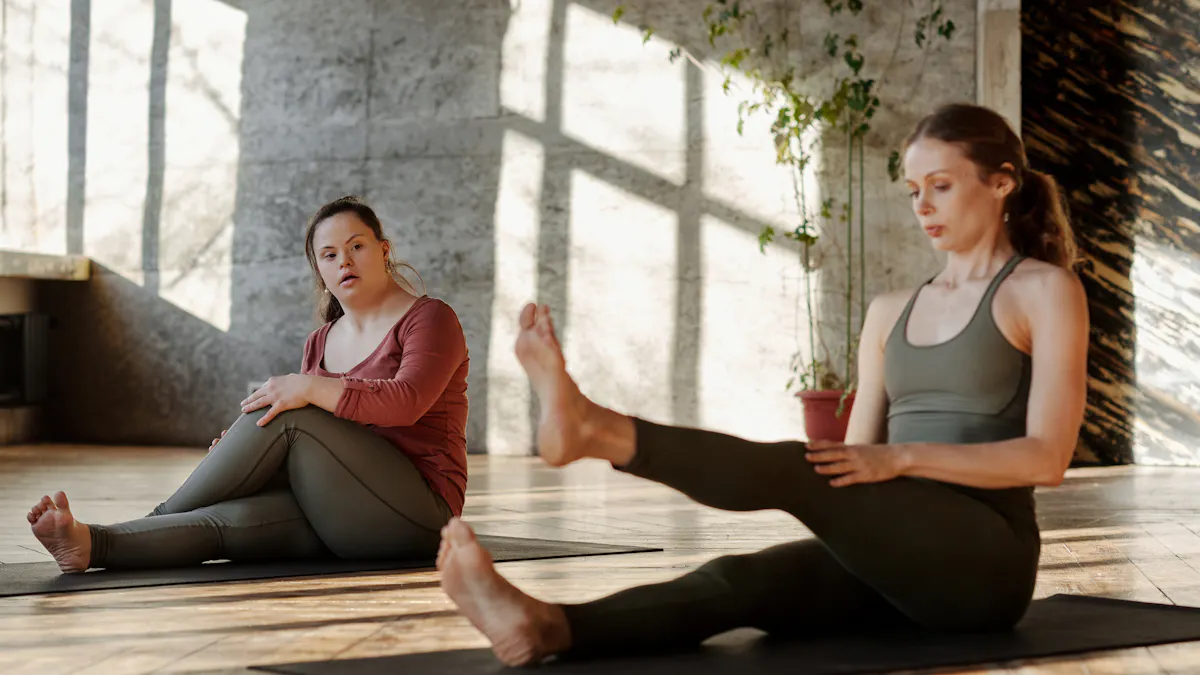
Real-Life Experiences
Stories of Individuals Who Have Benefited from Yoga
Yoga has transformed the lives of many individuals, offering them a path to peace and balance. Imagine waking up each day feeling overwhelmed by stress and anxiety. This was the reality for Sarah, a busy professional juggling work and family responsibilities. She decided to try yoga as a last resort. Within weeks, Sarah noticed a significant shift. Her mornings began with a sense of calm, and her evenings ended with gratitude. Yoga became her sanctuary, a place where she could breathe deeply and let go of her worries.
John, a college student, faced the pressures of academic life. Anxiety often clouded his thoughts, making it difficult to focus. He discovered yoga through a campus wellness program. The practice taught him to connect with his breath and stay present. Over time, John found clarity and confidence. Yoga empowered him to navigate challenges with a newfound resilience.
These stories highlight the transformative power of yoga. By embracing this practice, you too can find relief from anxiety and cultivate a more balanced life.
Testimonials from Yoga Practitioners
"Yoga empowers individuals to take an active role in their mental health through self-care practices. The emphasis on self-awareness and self-compassion encourages practitioners to prioritize their well-being, making positive lifestyle choices that extend beyond the yoga mat."
— Yoga Classes
"All exercise can boost your mood by lowering levels of stress hormones, increasing the production of feel-good chemicals known as endorphins, and bringing more oxygenated blood to your brain. But yoga may have additional benefits. It can affect mood by elevating levels of a brain chemical called gamma-aminobutyric acid (GABA), which is associated with better mood and decreased anxiety."
— Healthline
These testimonials underscore the profound impact yoga can have on mental health. By integrating yoga into your routine, you open the door to a world of benefits. You gain the tools to manage anxiety, enhance your mood, and embrace a healthier lifestyle. Let these stories inspire you to embark on your own journey of transformation.
Yoga offers numerous benefits for easing anxiety. It encourages relaxation, reduces stress, and promotes emotional balance. By incorporating yoga into your routine, you can experience a natural remedy that enhances both mental and physical well-being.
"Yoga is a powerful stress management tool," helping you face challenges with a calm mind.
Consider trying yoga to improve your mental health. Embrace this journey towards tranquility and resilience. Remember, prioritizing your mental well-being is essential for a fulfilling life. Let yoga guide you to a more peaceful and balanced existence.
See Also
Exploring the Wellness Advantages of Yoga
Yoga's Effective Role in Weight Loss Enhancement
Yoga's Impact on Weight Loss and Muscle Toning

Hi my name is Lia and i am your host in this yoga journey in Portugal, Subscribe to our newsletter to receive every week the best of Yoga in Portugal.

We bring back the importance of initiation into womanhood by Roos-Veerle Krijnen & Ella-June Henrard
Welcome to the Women’s Initiation Retreat by Naked Truth Retreats, a transformative journey into the depths of your True Feminine Nature. This retreat invites you to remember the sacredness and wholeness of your being.
Roos-Veerle Krijnen & Ella-June Henrard