How Yoga Can Transform Your Posture for the Better

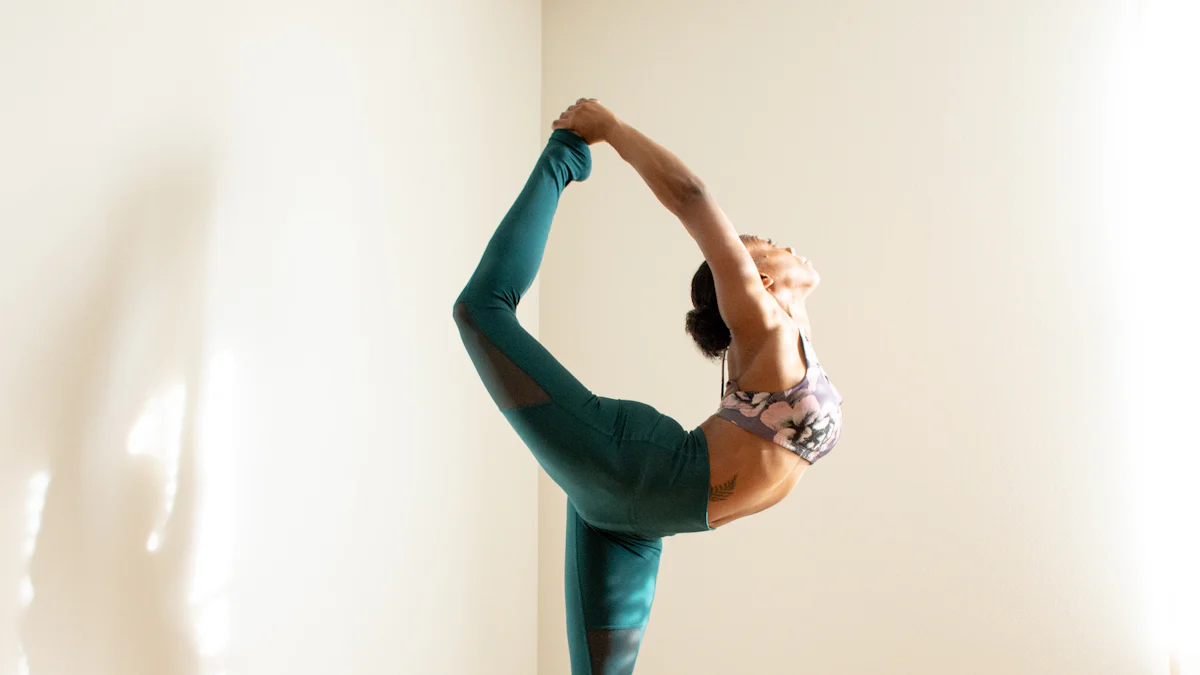
Yoga can significantly enhance your posture de yoga by promoting awareness of body alignment and strengthening key muscles. As you practice, you’ll notice holistic benefits that extend beyond just standing taller. Improved posture de yoga not only boosts your physical appearance but also enhances your mental well-being. Many people report feeling stronger and more balanced after incorporating yoga into their routines. Why not join them and experience the positive impact for yourself?
Key Takeaways
Yoga enhances body awareness, helping you recognize and correct poor posture throughout your daily activities.
Incorporating yoga into your routine strengthens core muscles, which are crucial for maintaining good posture and reducing the risk of injury.
Regular practice of yoga increases flexibility, allowing for better alignment and reducing muscle stiffness that can lead to discomfort.
Mindfulness in yoga fosters a deeper connection between your mind and body, promoting relaxation and reducing stress that negatively impacts posture.
Simple yoga poses like Mountain Pose and Cobra Pose can be easily integrated into your daily routine to improve posture and overall well-being.
Setting a consistent yoga practice schedule, even for just 10-15 minutes a day, can lead to significant improvements in your posture over time.
Modifying poses to suit your individual needs ensures that yoga remains accessible and beneficial, regardless of your experience level.
Understanding Good Posture
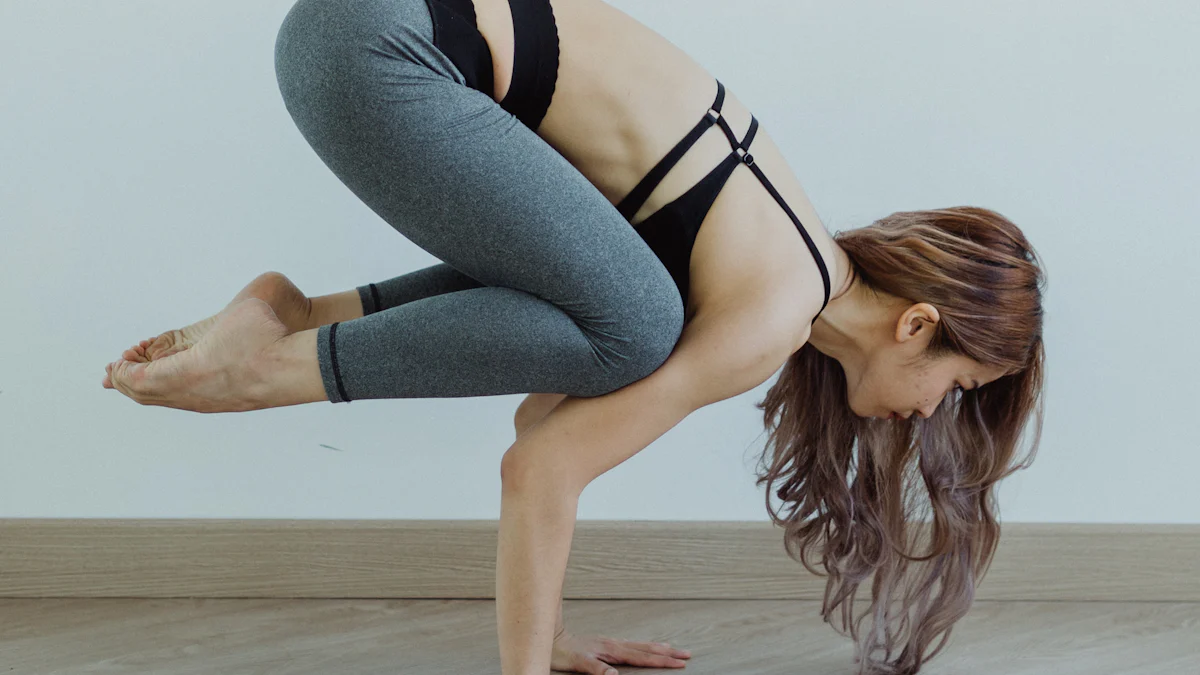
Definition of Good Posture
Good posture means aligning your body in a way that reduces strain on your muscles and joints. When you stand, sit, or move, your body should maintain a natural curve in the spine. This alignment allows your body to function efficiently. You can think of good posture as a foundation for your overall health. It supports your organs and helps you breathe better.
Importance of Maintaining Good Posture
Maintaining good posture offers numerous benefits. First, it helps you avoid muscle tension and pain. Poor posture can lead to discomfort and fatigue. You might experience back pain or stiffness if you slouch or hunch over.
Research shows that good posture can boost your confidence. When you stand tall, you project strength and self-assurance. This can positively affect your interactions with others.
Additionally, good posture plays a crucial role in your overall health. It reduces the risk of low back pain and improves your energy levels. A study published in the Lompoc Valley Medical Center Blog highlights that good posture can prevent common ailments.
Moreover, poor posture can misalign your musculoskeletal system. This misalignment can wear away at your spine and decrease flexibility. It can also affect your joint movement, balance, digestion, and breathing. The MedlinePlus guide emphasizes these health implications.
Incorporating yoga into your routine can significantly improve your posture. Yoga strengthens the muscles that support your posture. It promotes flexibility and balance, reducing muscle stiffness and tension. Over time, you will notice a remarkable difference in how you carry yourself.
Embrace the journey toward better posture. Your body will thank you for it!
How Yoga Contributes to Posture Improvement
Awareness of Body Alignment
When you practice yoga, you develop a keen awareness of your body alignment. This awareness helps you recognize how your body moves and holds itself throughout the day. You learn to notice when you slouch or lean too far forward. By becoming more mindful of your posture, you can make conscious adjustments. This practice not only improves your posture de yoga but also enhances your overall body mechanics.
Yoga encourages you to focus on your breath and movements. As you flow through poses, you connect with your body in a new way. This connection allows you to identify areas of tension and misalignment. Over time, you’ll find it easier to maintain good posture, whether you’re sitting at a desk or standing in line.
Enhancing Core Strength
Core strength plays a vital role in maintaining good posture. When your core muscles are strong, they support your spine and help you stand tall. Yoga poses specifically target these muscles, building strength and stability. For instance, poses like Plank and Boat engage your core, promoting better alignment.
Research shows that yoga significantly improves core muscle function. This improvement leads to better posture control and reduces the risk of injury. As you strengthen your core, you’ll notice a difference in how you carry yourself. You’ll feel more balanced and confident in your movements.
Increasing Flexibility
Flexibility is another key component of good posture. Tight muscles can pull your body out of alignment, leading to discomfort and poor posture. Yoga helps you stretch and lengthen these muscles, promoting greater flexibility. Poses like Downward-Facing Dog and Cobra Pose open up your chest and hips, allowing for a more natural posture.
Studies indicate that regular yoga practice enhances flexibility and range of motion. As you become more flexible, you’ll find it easier to maintain good posture throughout your daily activities. You’ll also experience less stiffness and tension in your muscles, contributing to overall comfort and well-being.
Promoting Mindfulness and Body Connection
Yoga encourages you to connect your mind and body in a way that enhances your overall well-being. This connection fosters mindfulness, allowing you to become more aware of your movements and posture. As you practice, you learn to listen to your body. You notice how it feels in different poses and how your alignment affects your comfort.
Mindfulness in yoga helps you recognize tension and stress. When you focus on your breath and movements, you create a space for relaxation. This practice reduces anxiety and promotes a sense of calm. You may find that as you become more mindful, you also become more in tune with your body’s needs.
Regular yoga practice can lead to significant improvements in your posture de yoga. Studies show that yoga enhances body awareness, which is crucial for maintaining good posture. When you understand how your body moves, you can make adjustments that promote better alignment. This awareness translates into your daily life, helping you stand taller and move with confidence.
Additionally, yoga strengthens your core muscles, which support your spine. A strong core contributes to better posture and stability. As you engage in poses that target these muscles, you build strength and resilience. This strength not only improves your posture but also enhances your overall physical health.
Incorporating mindfulness into your yoga routine can also improve your self-esteem. When you feel good about your body and how it moves, you project confidence. This newfound confidence can positively impact your interactions with others. You may find yourself standing taller and feeling more empowered in social situations.
Embrace the journey of connecting your mind and body through yoga. With each practice, you’ll cultivate a deeper understanding of your posture and how it affects your life.
Effective Yoga Poses for Posture
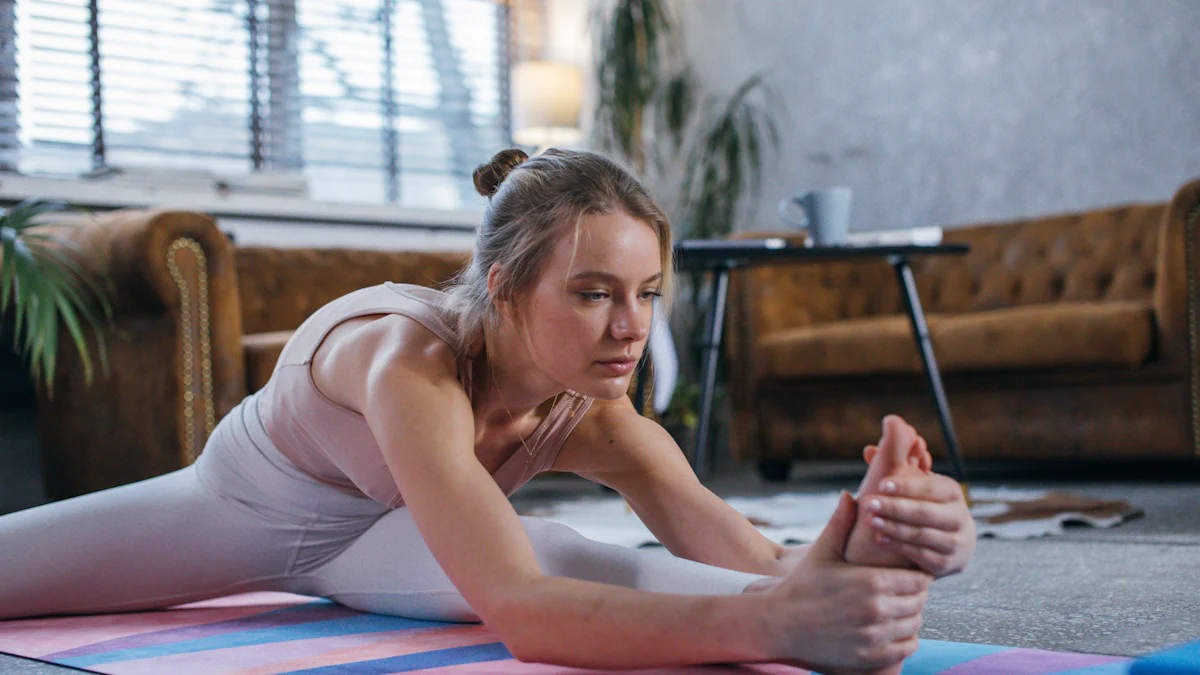
Mountain Pose (Tadasana)
Mountain Pose, or Tadasana, serves as a foundational pose in yoga. You stand tall with your feet together, grounding yourself firmly into the earth. This pose helps you develop a sense of stability and balance. As you engage your legs and lift your chest, you create a strong alignment from your feet to the crown of your head.
To practice Mountain Pose, follow these steps:
Stand with your feet together, distributing your weight evenly.
Engage your thighs and lift your kneecaps.
Lengthen your spine and roll your shoulders back.
Reach your arms overhead, palms facing each other.
Breathe deeply, feeling the stretch along your body.
This pose not only enhances your posture de yoga but also promotes body awareness. Yoga instructors emphasize that practicing Mountain Pose can improve strength and flexibility, leading to better alignment and posture.
Cat-Cow Stretch (Marjaryasana-Bitilasana)
The Cat-Cow Stretch combines two poses that work wonders for your spine. This dynamic movement warms up your back and encourages flexibility. You transition between arching your back (Cat) and lifting your head and tailbone (Cow).
Here’s how to do it:
Start on your hands and knees in a tabletop position.
Inhale as you drop your belly, lift your head, and arch your back (Cow).
Exhale as you round your spine, tuck your chin, and pull your belly button toward your spine (Cat).
Repeat this flow for several breaths, moving with your breath.
This stretch helps relieve tension in your back and neck. It also promotes better spinal alignment. Chiropractic doctors note that yoga uses a holistic mind-body approach, teaching body awareness through poses like Cat-Cow.
Downward-Facing Dog (Adho Mukha Svanasana)
Downward-Facing Dog is a classic pose that stretches your entire body. You create an inverted V-shape with your body, which helps lengthen your spine and strengthen your arms and legs. This pose opens up your shoulders and hamstrings, promoting better posture.
To practice Downward-Facing Dog:
Start on your hands and knees.
Tuck your toes and lift your hips up and back.
Straighten your legs while keeping a slight bend in your knees if needed.
Press your heels toward the ground and relax your head between your arms.
This pose not only stretches your body but also encourages relaxation. Yoga teachers highlight that improving posture is key to getting the best results from your yoga practice.
Incorporating these effective yoga poses into your routine can lead to significant improvements in your posture de yoga. You’ll feel stronger, more aligned, and ready to take on the day.
Cobra Pose (Bhujangasana)
Cobra Pose, or Bhujangasana, is a fantastic way to strengthen your back and improve your posture de yoga. This pose opens up your chest and stretches your spine, helping you counteract the effects of slouching. To practice Cobra Pose, follow these simple steps:
Lie face down on your mat with your legs extended behind you.
Place your hands under your shoulders, keeping your elbows close to your body.
Inhale and gently lift your chest off the ground, using your back muscles rather than pushing with your hands.
Keep your shoulders relaxed and away from your ears.
Hold the pose for a few breaths, then lower back down.
This pose not only enhances your spinal flexibility but also strengthens the muscles along your spine. Yoga instructors often emphasize that practicing Cobra Pose can lead to better alignment and posture.
Child’s Pose (Balasana)
Child’s Pose, or Balasana, is a restorative pose that helps you relax and release tension in your back. This gentle stretch promotes relaxation and encourages mindfulness. Here’s how to do it:
Start on your hands and knees.
Sit back on your heels, allowing your torso to rest between your thighs.
Extend your arms forward or let them rest alongside your body.
Breathe deeply, feeling the stretch in your back and hips.
Child’s Pose is perfect for taking a break during your practice. It allows you to reconnect with your breath and body. Chiropractic doctors highlight that this pose uses a holistic mind-body approach, promoting relaxation and body awareness.
Additional Poses for Strengthening Back Muscles
In addition to Cobra and Child’s Pose, several other poses can help strengthen your back muscles and improve your posture de yoga. Consider adding these to your routine:
Bridge Pose (Setu Bandhasana): This pose strengthens your back, glutes, and hamstrings. It also opens your chest and improves spinal alignment.
Locust Pose (Salabhasana): This pose targets your lower back and helps build strength in your back muscles. It encourages proper alignment and posture.
Reverse Table Pose (Ardha Purvottanasana): This pose strengthens your back and opens your shoulders. It helps counteract the effects of sitting for long periods.
Incorporating these poses into your practice can lead to significant improvements in your posture. Remember, yoga teachers stress that whether you are new to yoga or an experienced practitioner, focusing on posture is key to getting the best results from your practice.
Incorporating Yoga into Your Daily Routine
Setting a Regular Practice Schedule
Creating a regular yoga practice schedule can transform your posture de yoga. Start by setting aside a specific time each day. Whether it’s morning, afternoon, or evening, consistency is key. You might choose to practice for just 10-15 minutes daily. This short commitment can yield significant benefits over time.
Consider using a calendar or an app to remind you of your practice. You can also join a local class or follow online sessions. Engaging with a community can keep you motivated. Remember, the goal is to make yoga a part of your daily routine, not a chore.
Quick Poses for Office Workers
If you spend long hours at a desk, quick yoga poses can help alleviate tension and improve your posture. Try these simple stretches during your breaks:
Mountain Pose (Tadasana): Stand tall, grounding your feet. This pose helps you focus on alignment and balance.
Chair Pose: Engage your core and strengthen your back while sitting. This pose works your spine, hips, and buttocks.
Cobra Pose (Bhujangasana): While seated, gently arch your back. This stretch opens your chest and relieves tension in your shoulders.
Incorporating these poses into your workday can enhance your posture de yoga and reduce discomfort. Even a few minutes can make a difference.
Mindful Breathing Techniques
Mindful breathing techniques can complement your yoga practice and improve your overall well-being. Focus on your breath to cultivate awareness and relaxation. Here’s a simple technique to try:
Sit comfortably with your back straight.
Inhale deeply through your nose, filling your lungs.
Hold your breath for a moment.
Exhale slowly through your mouth, releasing tension.
Practicing this technique for a few minutes can help you feel more centered. It also promotes better posture by encouraging you to maintain awareness of your body.
Incorporating these mindful breathing exercises into your daily routine can enhance your yoga practice. You’ll find that as you breathe deeply, you naturally align your body and improve your posture de yoga.
Overcoming Common Challenges in Yoga Practice
Staying Motivated
Staying motivated can be tough, especially when life gets busy. You might feel like skipping your yoga practice some days. To keep your motivation high, set clear goals. Ask yourself what you want to achieve with yoga. Do you want to improve your posture, relieve stress, or increase flexibility? Write down your goals and track your progress. Celebrate small victories along the way.
Joining a yoga community can also boost your motivation. Surround yourself with like-minded individuals who share your passion. Attend classes or participate in online forums. Sharing your journey with others can inspire you to stay committed. Remember, consistency is key. Even short sessions can make a difference.
Finding the Right Class or Online Resource
Finding the right class or online resource can make a world of difference in your yoga journey. Start by exploring local studios or gyms. Many offer introductory classes for beginners. This allows you to experience different styles and instructors.
If you prefer practicing at home, numerous online resources are available. Websites and apps provide guided sessions tailored to your needs. Look for classes that focus on posture improvement. For example, Cobra Pose (Bhujangasana) effectively stretches and strengthens muscles in your shoulders, chest, abdomen, and back. This pose can help reduce lower back and leg pain, making it a great addition to your routine.
Don’t hesitate to try various resources until you find what resonates with you. The right fit will keep you engaged and excited about your practice.
Modifying Poses for Individual Needs
Yoga is for everyone, and modifying poses can help you meet your individual needs. If a pose feels uncomfortable, don’t hesitate to adjust it. Use props like blocks or straps to support your body. For instance, if you struggle with Mountain Pose, place a block under your hands to help maintain alignment.
Listen to your body. If you feel pain, back off and modify the pose. You can also explore alternative poses that target similar muscle groups. For example, if Cobra Pose doesn’t work for you, try Child’s Pose (Balasana) to relax your back and promote mindfulness.
Remember, yoga is about finding what works for you. Embrace the journey and enjoy the process of discovering your unique practice.
Yoga can truly transform your posture de yoga, leading to a stronger, more aligned body. You’ll notice improvements in your confidence and overall well-being as you practice regularly. Start incorporating yoga into your daily routine today. Even a few minutes can make a difference. Remember, the long-term advantages of consistent practice will enhance your posture and enrich your life. Embrace this journey, and watch how it positively impacts your health and happiness.
FAQ
What is yoga, and how does it relate to posture?
Yoga is an ancient practice that originated over 5,000 years ago in the Indus-Sarasvati civilization. It combines physical postures, breathing techniques, and meditation to promote overall well-being. You can improve your posture through yoga by enhancing body awareness, strengthening core muscles, and increasing flexibility.
How often should I practice yoga to see improvements in my posture?
Aim for at least two to three times a week to notice significant changes in your posture. Consistency is key. Even short daily sessions of 10-15 minutes can lead to noticeable benefits over time.
Can beginners practice yoga for posture improvement?
Absolutely! Yoga welcomes practitioners of all levels. Start with basic poses that focus on alignment and gradually progress to more challenging ones. Many classes cater specifically to beginners, so you can learn at your own pace.
Are there specific yoga poses that target posture improvement?
Yes! Some effective poses include:
Mountain Pose (Tadasana): Builds awareness of alignment.
Cobra Pose (Bhujangasana): Strengthens the back and opens the chest.
Downward-Facing Dog (Adho Mukha Svanasana): Lengthens the spine and stretches the hamstrings.
Incorporating these poses into your routine can enhance your posture significantly.
How does yoga help with back pain related to poor posture?
Yoga helps alleviate back pain by promoting spinal alignment and strengthening the muscles that support your back. Poses like Child’s Pose (Balasana) and Cat-Cow Stretch (Marjaryasana-Bitilasana) relieve tension and improve flexibility, which can reduce discomfort.
Can I practice yoga at home, or do I need to attend a class?
You can definitely practice yoga at home! Many online resources offer guided sessions tailored to your needs. However, attending a class can provide valuable feedback from instructors, especially if you're new to yoga.
What if I have a medical condition or injury? Can I still do yoga?
Always consult your healthcare provider before starting any new exercise routine, especially if you have a medical condition or injury. Many yoga poses can be modified to accommodate individual needs. Look for classes that focus on therapeutic yoga or gentle practices.
How does mindfulness in yoga contribute to better posture?
Mindfulness in yoga encourages you to connect with your body and become aware of your movements. This awareness helps you recognize when your posture slips and allows you to make adjustments. Practicing mindfulness can also reduce stress, which often contributes to poor posture.
Is there a specific time of day that’s best for practicing yoga?
The best time to practice yoga depends on your schedule and personal preference. Some people enjoy morning sessions to start their day with energy, while others prefer evening practices to unwind. Choose a time that feels right for you and fits into your routine.
How long will it take to see results in my posture from yoga?
Results vary from person to person. Many people notice improvements in their posture within a few weeks of consistent practice. With dedication and regular practice, you can achieve lasting benefits over time.
See Also
The Health Benefits of Practicing Yoga Postures
Enhancing Your Sexual Experience Through Yoga Practices
Yoga's Impact on Your Weight Loss Journey

Hi my name is Lia and i am your host in this yoga journey in Portugal, Subscribe to our newsletter to receive every week the best of Yoga in Portugal.

We bring back the importance of initiation into womanhood by Roos-Veerle Krijnen & Ella-June Henrard
Welcome to the Women’s Initiation Retreat by Naked Truth Retreats, a transformative journey into the depths of your True Feminine Nature. This retreat invites you to remember the sacredness and wholeness of your being.
Roos-Veerle Krijnen & Ella-June Henrard