How Yoga Can Help Alleviate Scoliosis Symptoms

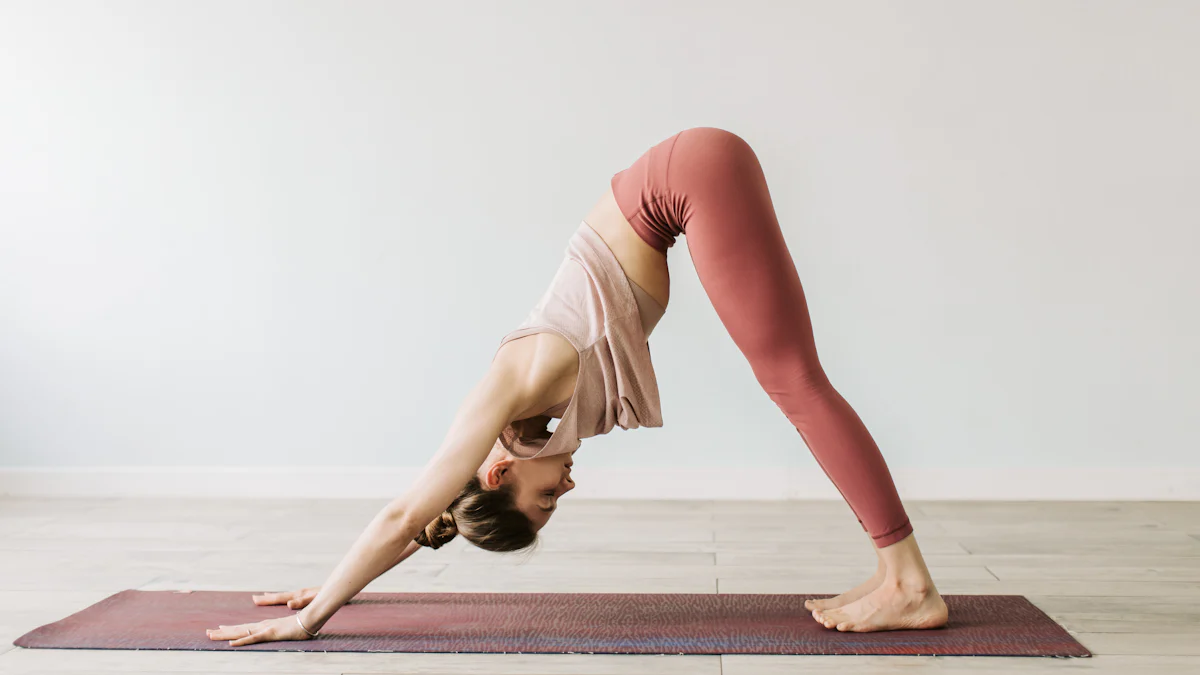
Scoliosis affects about 2% to 3% of the population, impacting millions in the United States. This condition often begins in childhood and can progress significantly, especially in females. Living with scoliosis can be challenging, as it may lead to discomfort and emotional stress. However, yoga offers a holistic approach to managing these symptoms. By practicing yoga for scoliosis, you can enhance your flexibility, strengthen your core, and improve your posture. This practice not only aids in physical alignment but also fosters mental well-being, providing a comprehensive path to relief and empowerment.
Understanding Scoliosis
Types of Scoliosis
Scoliosis manifests in various forms, each with unique characteristics and causes. Understanding these types can empower you to better manage your condition.
Idiopathic Scoliosis
Idiopathic scoliosis is the most common type, often appearing during adolescence. The cause remains unknown, but it primarily affects the spine's natural curve. Curves less than 30° typically do not progress, while those greater than 50° may continue to worsen. This progression can lead to complications like limited pulmonary function and increased risk of heart issues.
Congenital Scoliosis
Congenital scoliosis occurs due to spinal abnormalities present at birth. These abnormalities result from improper formation of the vertebrae. Early detection is crucial, as the condition can progress rapidly during growth spurts. Regular monitoring and intervention can help manage its impact on your health.
Neuromuscular Scoliosis
Neuromuscular scoliosis arises from neurological or muscular conditions such as cerebral palsy or muscular dystrophy. These conditions weaken the muscles supporting the spine, leading to curvature. Addressing the underlying neuromuscular disorder is essential in managing this type of scoliosis.
Common Symptoms and Challenges
Living with scoliosis presents both physical and emotional challenges. Recognizing these symptoms can guide you toward effective management strategies.
Physical Symptoms
Scoliosis often leads to noticeable physical changes. You might experience uneven shoulders, a prominent ribcage, or a tilted waist. Pain and stiffness in the back are common, affecting your daily activities. Yoga can help stretch and strengthen the sides of your body, reducing pain and stiffness.
Emotional and Psychological Impact
The emotional toll of scoliosis can be significant. You may feel self-conscious about your appearance or anxious about your health. Scoliosis is a risk factor for psychosocial issues and health-compromising behavior. Practicing yoga fosters self-awareness and enhances body image, helping you build confidence and resilience.
Benefits of Yoga for Scoliosis
Physical Benefits
Improved Flexibility
Yoga for scoliosis can significantly enhance your flexibility. By engaging in specific poses, you stretch and lengthen the muscles around your spine. This practice helps reduce stiffness and increases your range of motion. A 2024 review highlights that yoga improves flexibility and posture, which are crucial for managing scoliosis. When you regularly practice yoga, you may notice a gradual improvement in your ability to move more freely and comfortably.
Strengthening Core Muscles
A strong core is vital for supporting your spine. Yoga for scoliosis focuses on strengthening these muscles, providing better stability and alignment. By holding poses like the plank or boat pose, you engage your core, which helps in maintaining a balanced posture. A small 2021 study found that certain yoga poses improved the curvature of the thoracic and lumbar spines in participants with scoliosis. As you build strength, you may experience less pain and discomfort in your daily activities.
Mental and Emotional Benefits
Stress Reduction
Living with scoliosis can be stressful, but yoga offers a path to relaxation and stress relief. Through mindful breathing and meditation, you can calm your mind and reduce anxiety. Yoga for scoliosis encourages you to focus on the present moment, helping you let go of worries about your condition. This practice not only alleviates stress but also promotes a sense of peace and well-being.
Enhanced Body Awareness
Yoga fosters a deeper connection between your mind and body. As you practice yoga for scoliosis, you become more attuned to your body's needs and limitations. This heightened awareness allows you to make informed decisions about your health and well-being. By understanding your body's signals, you can adjust your practice to suit your unique condition. This empowerment leads to greater confidence and resilience in managing scoliosis.
Incorporating yoga for scoliosis into your routine can transform your physical and emotional health. With dedication and practice, you can experience the profound benefits of this holistic approach, standing taller and moving with ease.
Yoga for Scoliosis: Poses for Relief
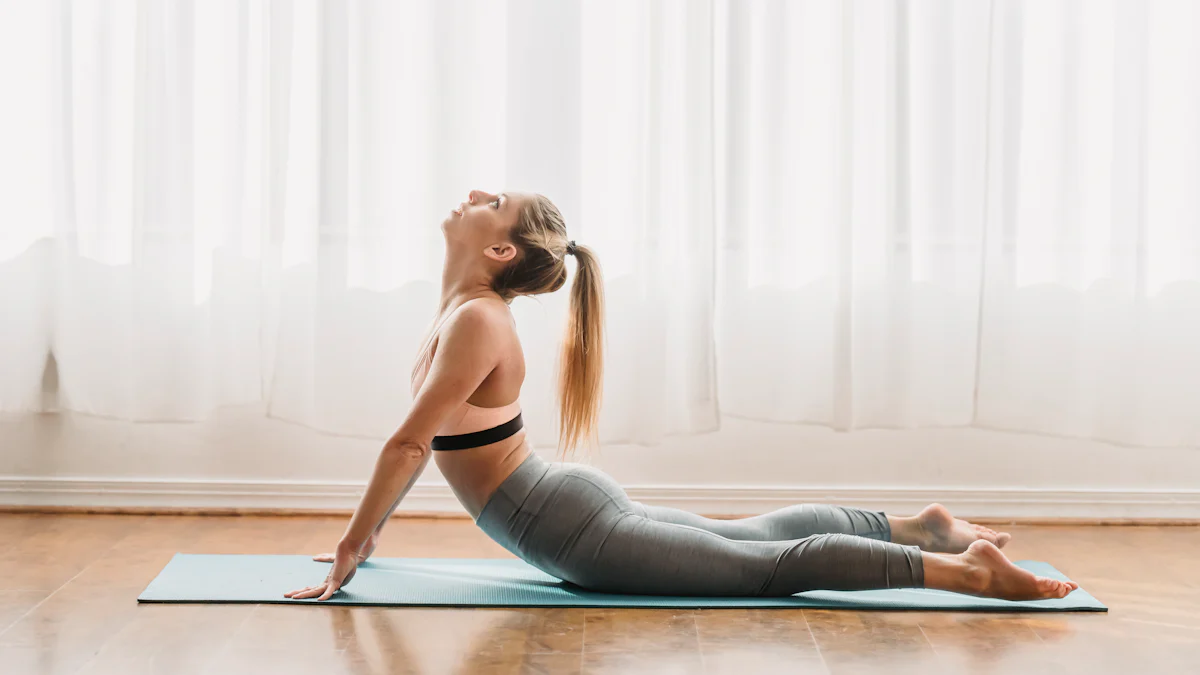
Yoga for scoliosis offers a variety of poses that can help alleviate discomfort and improve your spinal alignment. By incorporating these poses into your routine, you can experience relief and enhance your overall well-being.
Standing Poses
Standing poses in yoga for scoliosis provide a strong foundation for balance and alignment. They engage your core and promote stability, which is essential for managing scoliosis.
Mountain Pose (Tadasana)
Mountain Pose, or Tadasana, serves as the starting point for many yoga sequences. It may seem simple, but it plays a crucial role in improving posture and awareness. Stand tall with your feet together, grounding yourself firmly. Engage your thighs and lift your chest, allowing your shoulders to relax. This pose encourages you to align your spine and become more aware of your body's posture. Practicing Mountain Pose regularly can help you stand taller and feel more balanced.
Triangle Pose (Trikonasana)
Triangle Pose, or Trikonasana, stretches and strengthens the sides of your body. Begin by standing with your feet wide apart. Turn your right foot out and extend your arms parallel to the floor. Reach your right hand toward your right foot while keeping your left arm extended upward. This pose helps lengthen the spine and open the chest, providing relief from tension. Triangle Pose can also enhance flexibility and improve your body's alignment, making it a valuable addition to your yoga for scoliosis practice.
Seated and Supine Poses
Seated and supine poses in yoga for scoliosis focus on stretching and strengthening the back and core muscles. These poses offer a gentle yet effective way to manage scoliosis symptoms.
Seated Forward Bend (Paschimottanasana)
Seated Forward Bend, or Paschimottanasana, targets the hamstrings and lower back. Sit with your legs extended in front of you. Inhale deeply and lengthen your spine. As you exhale, fold forward from your hips, reaching for your feet. This pose helps release tension in the back and promotes flexibility. By practicing Seated Forward Bend, you can reduce stiffness and improve your range of motion, contributing to better spinal health.
Bridge Pose (Setu Bandhasana)
Bridge Pose, or Setu Bandhasana, strengthens the back and core muscles. Lie on your back with your knees bent and feet flat on the floor. Press your feet into the ground and lift your hips toward the ceiling. This pose engages the muscles along your spine, providing support and stability. Regular practice of Bridge Pose can help improve your posture and reduce pain associated with scoliosis. It also encourages a sense of openness and relaxation.
Incorporating these poses into your yoga for scoliosis routine can lead to significant improvements in your physical and emotional well-being. By dedicating time to practice, you can experience the transformative power of yoga, standing taller and moving with greater ease.
Additional Practices: Breathing and Meditation
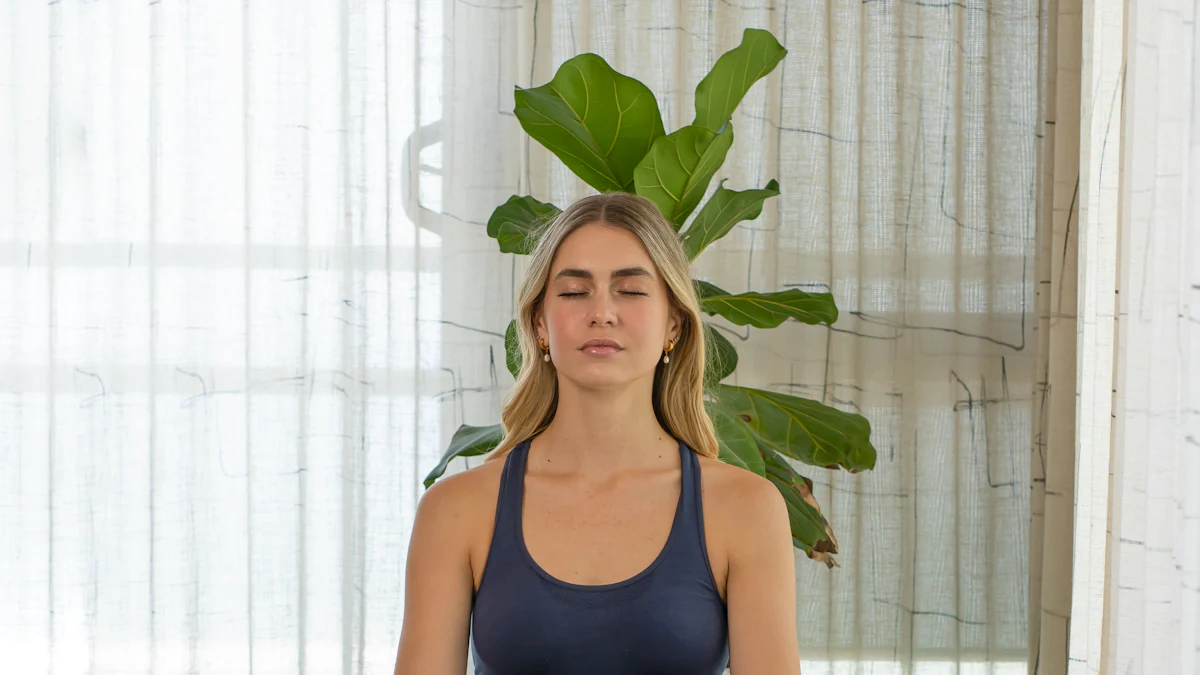
Incorporating breathing exercises and meditation into your yoga routine can enhance the benefits of yoga for scoliosis. These practices not only support physical health but also promote mental clarity and emotional balance.
Breathing Exercises
Breathing exercises, or pranayama, play a crucial role in yoga. They help you connect with your body and mind, fostering relaxation and reducing stress.
Diaphragmatic Breathing
Diaphragmatic breathing, also known as deep belly breathing, encourages full oxygen exchange. This technique strengthens the diaphragm and promotes relaxation. To practice, lie on your back with your knees bent. Place one hand on your chest and the other on your abdomen. Inhale deeply through your nose, allowing your abdomen to rise. Exhale slowly, feeling your abdomen fall. This exercise can help reduce tension and improve lung capacity, which is particularly beneficial for those with scoliosis.
Alternate Nostril Breathing
Alternate nostril breathing, or Nadi Shodhana, balances the mind and body. It calms the nervous system and enhances focus. Sit comfortably with your spine straight. Use your right thumb to close your right nostril. Inhale deeply through your left nostril. Close your left nostril with your ring finger and release your right nostril. Exhale through your right nostril. Inhale through your right nostril, then switch and exhale through your left. This cycle helps clear the mind and reduce anxiety, supporting overall well-being.
Meditation Techniques
Meditation complements yoga by fostering mindfulness and inner peace. It helps you cultivate a positive mindset and manage stress effectively.
Mindfulness Meditation
Mindfulness meditation involves focusing on the present moment without judgment. It enhances self-awareness and reduces stress. Find a quiet space and sit comfortably. Close your eyes and take a few deep breaths. Focus on your breath, noticing the sensation of air entering and leaving your body. If your mind wanders, gently bring your attention back to your breath. Practicing mindfulness meditation regularly can help you develop resilience and cope better with the challenges of scoliosis.
Guided Imagery
Guided imagery uses visualization to promote relaxation and healing. It involves imagining peaceful scenes or positive outcomes. Sit or lie down in a comfortable position. Close your eyes and take a few deep breaths. Visualize a serene place, such as a beach or forest. Imagine the sights, sounds, and smells of this place. Allow yourself to feel calm and relaxed. Guided imagery can help reduce stress and improve your mood, making it a valuable tool for managing scoliosis symptoms.
By integrating these breathing exercises and meditation techniques into your routine, you can enhance the physical and emotional benefits of yoga for scoliosis. These practices empower you to take control of your well-being, fostering a sense of peace and balance in your life.
Precautions and Considerations
When practicing yoga for scoliosis, you must take certain precautions to ensure your safety and maximize the benefits. Here are some key considerations to keep in mind:
Things to Remember
Consult with a Healthcare Professional
Before starting any yoga routine, especially if you have scoliosis, consult with a healthcare professional. They can provide personalized advice based on your specific condition. Judi Bar, a yoga therapist, emphasizes the importance of understanding your unique concerns and issues when practicing yoga with scoliosis. A healthcare professional can guide you on which poses are safe and beneficial for you.
Listen to Your Body
Your body communicates its needs and limitations. Pay attention to how you feel during each pose. If you experience pain or discomfort, modify the pose or take a break. Yoga should never cause pain. Instead, it should help you feel more at ease and balanced. Trust your instincts and adjust your practice accordingly.
What Yoga to Avoid
While yoga offers numerous benefits for scoliosis, some poses may not be suitable for everyone. It's crucial to know which poses to avoid to prevent exacerbating your condition.
Poses that Exacerbate Pain
Avoid poses that put excessive strain on your spine or cause discomfort. Some poses may increase the curvature of your spine or lead to muscle imbalances. An alternative scoliosis doctor advises against performing poses asymmetrically, as they can worsen your condition. Focus on poses that promote balance and alignment instead.
High-Impact Movements
High-impact movements or poses that require sudden, forceful actions can be harmful to individuals with scoliosis. These movements may increase the risk of injury or aggravate existing symptoms. Stick to gentle, controlled movements that support your spine and enhance your overall well-being.
By keeping these precautions and considerations in mind, you can safely enjoy the benefits of yoga for scoliosis. Remember, yoga is a journey of self-discovery and healing. With mindful practice, you can find relief and empowerment on your path to better health.
Incorporating yoga into your scoliosis management routine offers numerous benefits. You can enhance flexibility, strengthen core muscles, and improve posture. Yoga not only addresses physical symptoms but also nurtures mental well-being. Many individuals, like one who described their yoga mat as a "magic carpet," have experienced transformative changes. They found improved posture and reduced discomfort. Yoga opens new doors of possibility, empowering you to embrace a healthier lifestyle. Explore yoga as a supportive practice for overall well-being. Let it guide you on a journey of self-discovery and healing.
See Also
Best 10 Warm Yoga Positions for Increased Flexibility
Improving Your Yoga Routine with Kayang Methods
Discovering Yoga from an Islamic Perspective
Hi my name is Lia and i am your host in this yoga journey in Portugal, Subscribe to our newsletter to receive every week the best of Yoga in Portugal.

We bring back the importance of initiation into womanhood by Roos-Veerle Krijnen & Ella-June Henrard
Welcome to the Women’s Initiation Retreat by Naked Truth Retreats, a transformative journey into the depths of your True Feminine Nature. This retreat invites you to remember the sacredness and wholeness of your being.
Roos-Veerle Krijnen & Ella-June Henrard