How Yin Yoga Influences Calorie Burning


Yin Yoga offers a unique approach to yoga by focusing on slow, meditative postures. You might wonder how this gentle practice influences calorie burning. While it doesn't match the intensity of more vigorous exercises, Yin Yoga can still burn up to 200 calories per hour, depending on your body weight and session intensity. Understanding how yin yoga calories contribute to your fitness goals can help you appreciate its subtle yet impactful benefits.
Understanding Yin Yoga
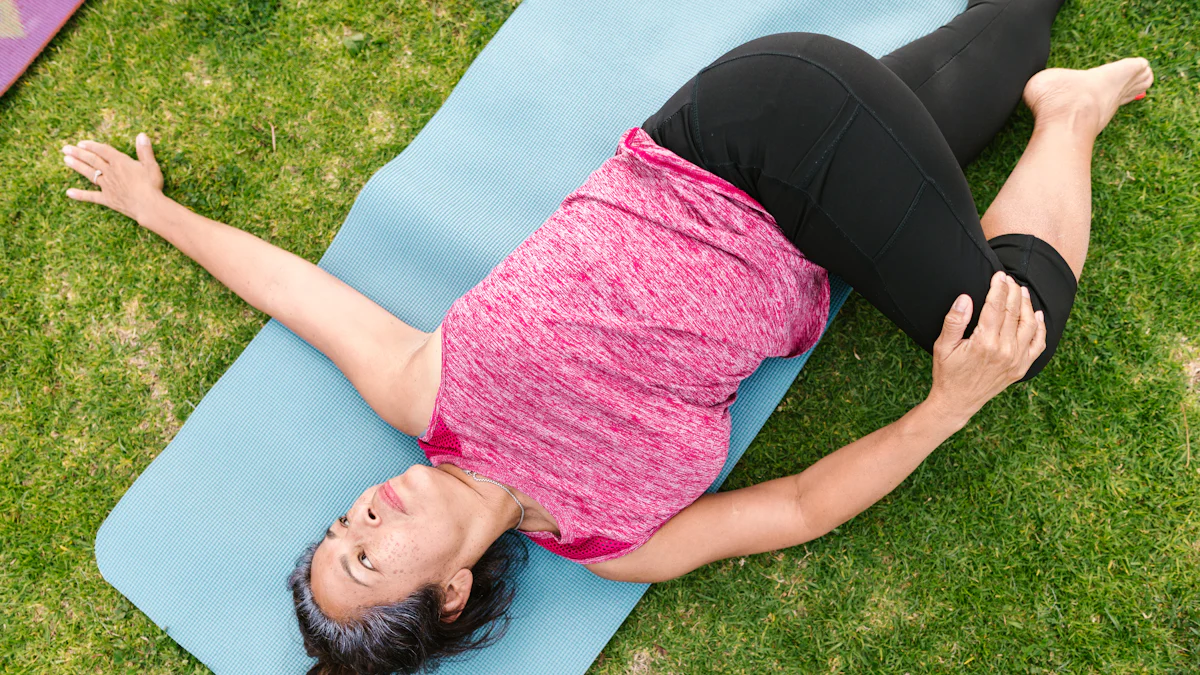
Origins and Philosophy
Yin Yoga has a fascinating history that dates back to the late 1970s. Paulie Zink, Paul Grilley, and Sarah Powers played pivotal roles in its development. They drew inspiration from traditional Chinese Taoist practices, martial arts, and yoga. This blend of influences gave birth to a unique style that emphasizes passive postures and deep breathing. The practice of holding poses for extended periods originated in ancient India, where it was used to enhance meditation and mindfulness. When Grilley introduced this style to the Western world, he initially called it Yin Yang Yoga. However, Powers suggested the name Yin Yoga to better reflect its focus on stillness and introspection.
Key Characteristics
Yin Yoga stands out for its slow-paced nature. Unlike more dynamic yoga styles, you hold each posture for several minutes. This approach allows you to sink deeply into the pose, targeting the connective tissues rather than the muscles. The long-held postures encourage you to relax and let gravity do the work. This might sound easy, but it requires patience and mindfulness. As you settle into each pose, you become more aware of your body's sensations and your breath. This meditative aspect is a hallmark of Yin Yoga, offering a unique way to engage with your practice.
Benefits Beyond Calorie Burning
While Yin Yoga may not be the first choice for those looking to burn a significant number of calories, it offers numerous benefits that go beyond calorie counting. One of the primary advantages is improved flexibility and joint health. By gently stretching the connective tissues, you increase your range of motion and reduce stiffness. This can be particularly beneficial if you spend a lot of time sitting or if you engage in high-impact sports.
Moreover, Yin Yoga provides mental relaxation and stress reduction. The slow, deliberate movements and focus on breath create a calming effect on the mind. This practice encourages you to let go of tension and stress, promoting a sense of peace and well-being. As you immerse yourself in the practice, you might find that the benefits extend beyond the mat, helping you navigate daily challenges with greater ease.
The Science of Calorie Burning
What is Calorie Burning?
Calorie burning refers to the process your body uses to convert food into energy. This energy fuels everything you do, from breathing to running a marathon. When you burn more calories than you consume, you create a calorie deficit, which can lead to weight loss.
Several factors influence how many calories you burn:
Body Weight: Heavier individuals tend to burn more calories because their bodies require more energy to function.
Activity Level: The more active you are, the more calories you burn. Activities like running or cycling burn more calories than walking or sitting.
Metabolism: Your metabolic rate determines how quickly you burn calories. Factors like age, gender, and genetics play a role in your metabolism.
How Yoga Contributes to Calorie Burning
Yoga might not seem like a calorie-burning powerhouse compared to activities like running or swimming. However, it still plays a valuable role in your fitness routine. Let's see how yoga stacks up against other physical activities.
Comparison with Other Physical Activities: While vigorous exercises like running can burn hundreds of calories per hour, yoga offers a more moderate calorie burn. For example, an hour of Yin Yoga might burn around 200 calories, depending on your weight and the intensity of your practice. This makes it a great option for those seeking a gentler form of exercise.
Role of Metabolism and Muscle Engagement: Yoga helps tone muscles and improve metabolism. When you engage in yoga, you activate various muscle groups, which can boost your metabolic rate over time. This means that even though yoga might not burn as many calories during the session, it can contribute to calorie burning in the long run.
Scientific Research Findings: Studies have shown that yoga can help with weight management by improving metabolism and toning muscles. It offers a holistic approach to weight management by combining physical movement, breath control, and mindfulness.
Incorporating yoga into your routine can offer benefits beyond just calorie burning. It promotes flexibility, stress reduction, and overall well-being. So, while it might not replace your high-intensity workouts, it can complement them beautifully.
Yin Yoga's Role in Calorie Burning
Yin Yoga might not be the first thing that comes to mind when you think about burning calories, but it does play a role in your fitness journey. Let's dive into how Yin Yoga contributes to calorie burning and its indirect benefits.
Direct Calorie Expenditure
When you practice Yin Yoga, you engage in a dynamic movement practice where you hold poses for extended periods. This unique approach allows you to burn calories, albeit at a slower pace compared to more vigorous exercises. On average, you can burn between 100 and 165 calories in just 30 minutes of Yin Yoga. If you extend your session to an hour, you might burn up to 200 calories.
Estimating Calories Burned in a Session
The number of calories you burn during a Yin Yoga session depends on several factors. Your body weight plays a significant role; heavier individuals tend to burn more calories. The length of your class also matters. Longer sessions naturally lead to more calorie expenditure. Additionally, the intensity of the poses you practice can influence the calorie burn. More challenging poses require more energy, leading to higher calorie consumption.
Variables Influencing Calorie Burn
Several variables can affect how many calories you burn during Yin Yoga. Your metabolic rate is one of them. A faster metabolism means you burn calories more quickly. Your level of engagement in the poses also matters. The more you focus on proper alignment and deep breathing, the more effective your practice becomes. Lastly, your overall fitness level can impact calorie burning. As you become more accustomed to Yin Yoga, you might find that your body becomes more efficient at burning calories.
Indirect Benefits
While Yin Yoga may not torch calories like a high-intensity workout, it offers valuable indirect benefits that contribute to your overall fitness.
Improved Metabolism
Yin Yoga can help improve your metabolism over time. By engaging in this practice regularly, you activate various muscle groups, which can boost your metabolic rate. This means that even when you're not on the mat, your body continues to burn calories more efficiently. Improved metabolism supports weight management and enhances your body's ability to process food into energy.
Enhanced Muscle Recovery
Another fantastic benefit of Yin Yoga is enhanced muscle recovery. The gentle stretching and long-held postures promote blood circulation and help release tension in your muscles. This aids in faster recovery after intense workouts, allowing you to get back to your fitness routine with less downtime. By incorporating Yin Yoga into your regimen, you support your body's natural healing processes and reduce the risk of injury.
Incorporating Yin Yoga into your fitness routine offers a holistic approach to well-being. While it may not be the primary method for burning calories, the yin yoga calories you do burn, combined with its indirect benefits, make it a valuable addition to your wellness journey.
Comparing Yin Yoga with Other Yoga Styles

When you explore different yoga styles, you might wonder how Yin Yoga stacks up against others like Vinyasa and Power Yoga. Each style offers unique benefits and calorie-burning potential. Let's dive into these comparisons to help you find the best fit for your fitness goals.
Yin Yoga vs. Vinyasa Yoga
Differences in Intensity and Calorie Burn
Yin Yoga and Vinyasa Yoga differ significantly in their approach and intensity. Yin Yoga focuses on holding passive poses for extended periods, usually between three to ten minutes. This slow-paced practice targets deep connective tissues, promoting flexibility and joint health. You can burn up to 200 calories per hour with Yin Yoga, depending on your body weight and the session's intensity.
In contrast, Vinyasa Yoga involves a dynamic flow of postures, linking breath with movement. This style is more vigorous, engaging muscles actively and increasing heart rate. As a result, Vinyasa Yoga typically burns more calories than Yin Yoga. If you're looking for a more intense workout, Vinyasa might be your go-to choice.
Suitability for Different Fitness Goals
Your fitness goals play a crucial role in choosing between Yin and Vinyasa Yoga. If you aim to improve flexibility, reduce stress, and enhance mindfulness, Yin Yoga offers a gentle yet effective approach. Its focus on deep stretching and relaxation can help you achieve a calm mind and a flexible body.
On the other hand, if your goal is to build strength, increase endurance, and burn more calories, Vinyasa Yoga aligns better with these objectives. The continuous flow of movements challenges your muscles and cardiovascular system, making it suitable for those seeking a more vigorous practice.
Yin Yoga vs. Power Yoga
Contrast in Energy Expenditure
Power Yoga, like Vinyasa, is a dynamic and intense style that emphasizes strength and stamina. It involves a series of challenging poses performed in quick succession, leading to higher energy expenditure. Power Yoga can burn significantly more calories than Yin Yoga due to its fast-paced nature and muscle engagement.
Yin Yoga, with its meditative and slow-paced approach, focuses on stretching and relaxation. While it doesn't match the calorie-burning potential of Power Yoga, it offers a unique way to access and stretch deeper layers of the body. Yin Yoga calories contribute to your overall fitness by promoting flexibility and joint mobility.
Benefits for Different Body Types
Different body types may benefit from Yin and Power Yoga in various ways. If you have a body type that requires more flexibility and stress reduction, Yin Yoga provides a nurturing environment to achieve these goals. Its low-impact nature makes it accessible to individuals of all fitness levels, allowing you to sustain the practice over time.
Power Yoga, with its emphasis on strength and endurance, suits those looking to build muscle and improve cardiovascular health. If you enjoy a more challenging workout and want to push your physical limits, Power Yoga offers an excellent opportunity to do so.
Incorporating Yin Yoga into your routine, alongside other styles, can create a balanced approach to fitness. While Yin Yoga calories may not be the primary focus, the practice's holistic benefits make it a valuable addition to your wellness journey.
Practical Tips for Maximizing Calorie Burn in Yin Yoga
Yin Yoga offers a gentle yet effective way to enhance your fitness routine. While it may not burn as many calories as high-intensity workouts, you can still maximize its benefits with the right approach. Here are some practical tips to help you get the most out of your Yin Yoga practice.
Incorporating Yin Yoga into a Fitness Routine
To make the most of Yin Yoga, consider how it fits into your overall fitness plan. Balancing it with other exercises can create a well-rounded routine that supports your health goals.
Balancing with Other Exercises
Yin Yoga complements more vigorous activities like running, swimming, or weightlifting. By incorporating Yin Yoga into your routine, you allow your body to recover and stretch deeply, which can enhance performance in other workouts. For example, after a brisk walk or a jog, a Yin Yoga session can help relax your muscles and improve flexibility.
Fitelo experts suggest combining Yin Yoga with regular physical activities of your choice. This approach not only helps in burning yin yoga calories but also supports overall well-being. You might try alternating days between Yin Yoga and more intense workouts to maintain balance.
Frequency and Duration Recommendations
For optimal results, aim to practice Yin Yoga two to three times a week. Each session can last between 45 minutes to an hour. This frequency allows your body to reap the benefits of deep stretching without overexertion. If you're new to Yin Yoga, start with shorter sessions and gradually increase the duration as you become more comfortable with the poses.
Enhancing the Calorie-Burning Potential
While Yin Yoga focuses on relaxation and mindfulness, you can still enhance its calorie-burning potential with a few simple strategies.
Mindful Breathing Techniques
Breathing plays a crucial role in Yin Yoga. By practicing mindful breathing, you engage your core and increase oxygen flow, which can boost your metabolism. Focus on deep, slow breaths during each pose. This not only helps you relax but also enhances the effectiveness of your practice. As you breathe mindfully, you might notice a subtle increase in yin yoga calories burned.
Combining with a Healthy Diet
A balanced diet complements your Yin Yoga practice by providing the necessary nutrients for energy and recovery. Consider incorporating whole foods like fruits, vegetables, lean proteins, and whole grains into your meals. Maintaining a calorie deficit, where you consume fewer calories than you burn, can support weight loss goals. As one expert notes, combining Yin Yoga with a calorie deficit offers a holistic approach to weight management.
"Much of the weight loss benefits of yin yoga come as a result of the role it plays in the function of the internal organs, as well as the strengthening of the lungs, kidneys, digestive system, and heart."
By integrating these tips into your routine, you can maximize the benefits of Yin Yoga and support your fitness journey. Remember, the key lies in consistency and balance. Enjoy the process and embrace the holistic benefits that Yin Yoga brings to your life.
Yin Yoga offers a gentle yet effective way to influence calorie burning. While it may not match high-intensity workouts, you can still burn up to 200 calories per hour. This practice enhances flexibility, relaxation, and overall well-being.
Consider incorporating Yin Yoga into your routine for its holistic health benefits. It supports weight loss by calming the body and strengthening internal organs like the lungs and heart.
Balance Yin Yoga with other activities to create a well-rounded fitness plan. Embrace its unique advantages and enjoy a more mindful approach to health and wellness.
See Also
Exploring the Benefits of Yin Yoga Practice
Mastering Yin Yoga for Complete Relaxation
Essential Anatomy Concepts for Yoga Newbies

Hi my name is Lia and i am your host in this yoga journey in Portugal, Subscribe to our newsletter to receive every week the best of Yoga in Portugal.

We bring back the importance of initiation into womanhood by Roos-Veerle Krijnen & Ella-June Henrard
Welcome to the Women’s Initiation Retreat by Naked Truth Retreats, a transformative journey into the depths of your True Feminine Nature. This retreat invites you to remember the sacredness and wholeness of your being.
Roos-Veerle Krijnen & Ella-June Henrard