How to Teach Yoga to Kids: A Step-by-Step Guide

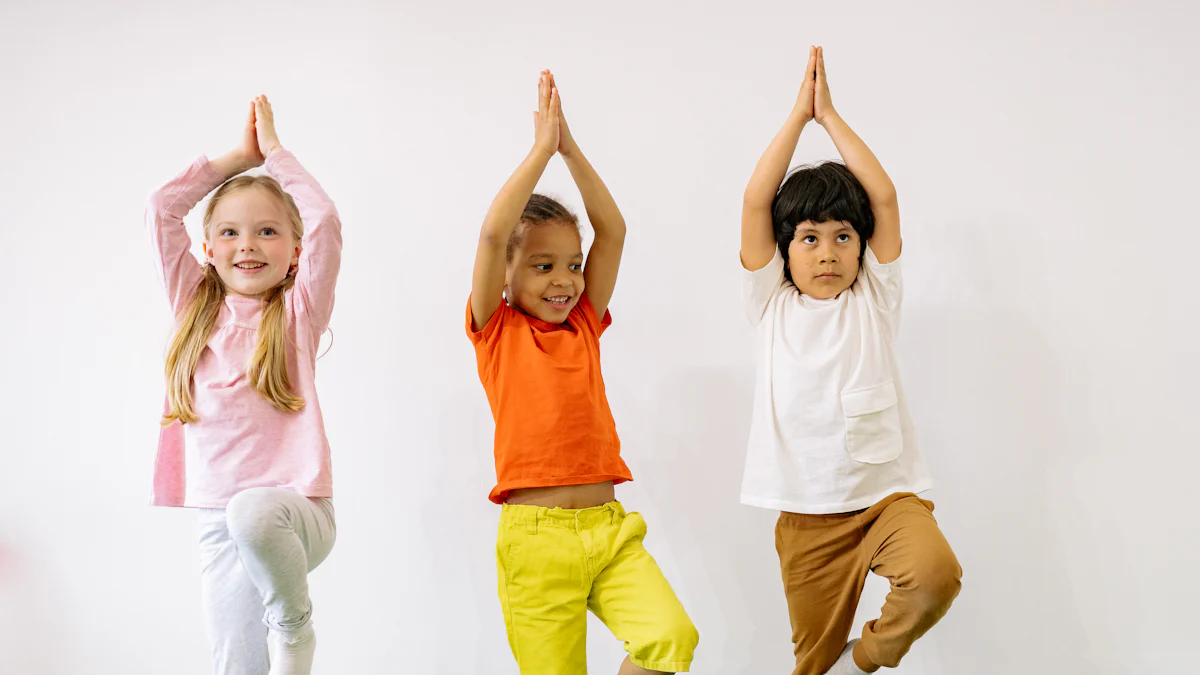
Yoga offers incredible benefits for kids. It enhances their physical well-being, boosts mental clarity, and improves emotional health. By practicing yoga, children can refine their balance, coordination, and concentration skills. You’ll notice improvements in their mood and self-regulation, helping them manage stress and behavior more effectively.
However, some people think yoga is too complex for kids. In reality, y7 yoga and similar practices make it accessible and fun. Kids learn to be present, relax, and enjoy a peaceful state of mind. So, why not introduce yoga to your little ones today?
Understanding Kids' Yoga
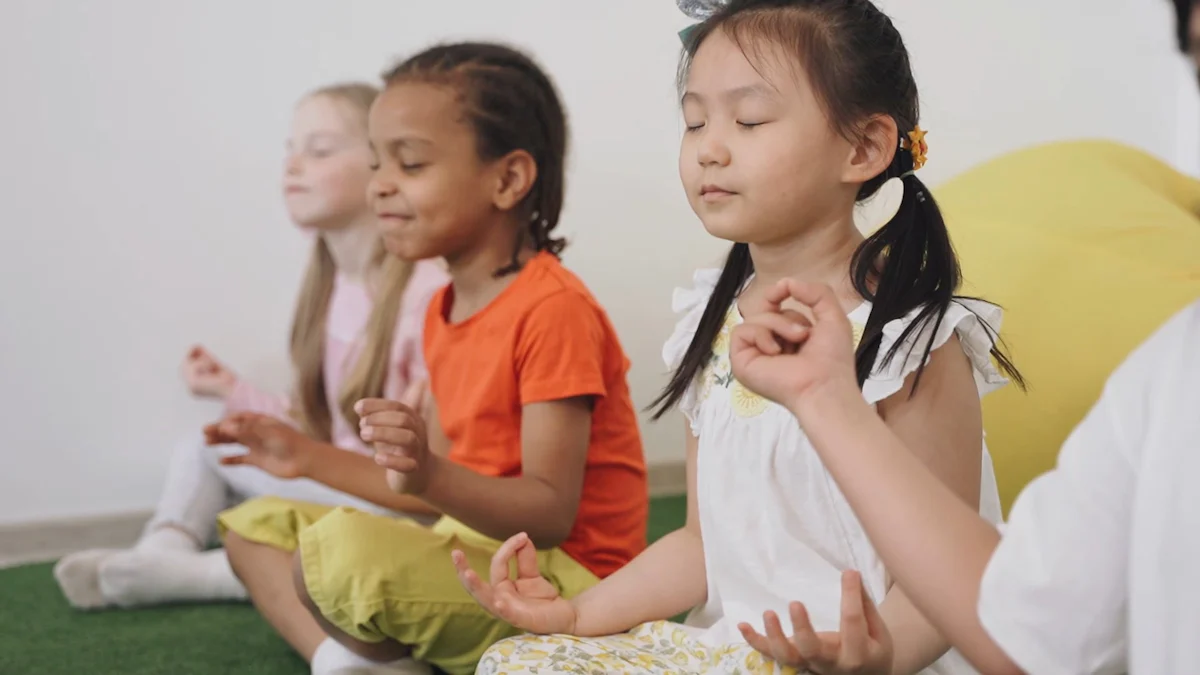
Teaching yoga to kids is a unique experience. It differs from adult yoga in several ways, making it essential to tailor your approach to suit their needs and interests.
What Makes Kids' Yoga Different
Age-appropriate techniques
When you teach yoga to children, it's crucial to use age-appropriate techniques. Kids have different physical and cognitive abilities compared to adults. You should focus on simple poses that are easy for them to understand and perform. For instance, the Tree Pose or Cat-Cow Stretch can be great starting points. These poses help improve balance and coordination without overwhelming them.
"Yoga's Positive Impact on Children's Well-being and Academic Readiness" highlights how yoga enhances visual-motor coordination in children. This makes it an excellent practice for developing these skills early on.
Engaging children in yoga
Engagement is key when it comes to kids' yoga. You want to make the sessions fun and interactive. Incorporate storytelling into your classes. Imagine a jungle adventure where each pose represents a different animal. This approach captures their imagination and keeps them interested.
You can also introduce y7 yoga elements, which are designed to be playful and engaging. Use props like colorful mats or small stuffed animals to make the experience more enjoyable. Remember, the goal is to create a positive association with yoga, so they look forward to each session.
Benefits of Yoga for Kids
Yoga offers numerous benefits for children, impacting both their physical and mental well-being.
Physical benefits
Yoga helps kids develop strength, flexibility, and balance. Regular practice can enhance their physical health significantly. According to studies, children who practice yoga show improved behavior and cognitive performance compared to those in standard physical education programs. This means yoga not only boosts their physical abilities but also supports their overall development.
Mental and emotional benefits
The mental and emotional benefits of yoga are profound. Yoga teaches children to be present and relax, which can lead to better emotional regulation. They learn to manage stress and anxiety more effectively. School-based yoga programs have shown positive impacts on adolescents' mental and emotional health. By introducing y7 yoga to kids, you provide them with tools to navigate their emotions and maintain a peaceful state of mind.
Incorporating y7 yoga into your teaching can make a significant difference in children's lives. It offers a holistic approach to their development, nurturing both body and mind. So, why not start today and see the positive changes unfold?
Preparing to Teach Yoga to Kids
Getting ready to teach yoga to kids involves more than just knowing the poses. You need to create an inviting environment and plan engaging sessions. Let's dive into how you can set the stage for a successful kids' yoga class.
Setting Up the Environment
Choosing the right space
First, find a space that feels welcoming and safe. Kids need room to move freely without obstacles. A quiet area helps minimize distractions, allowing them to focus on their practice. If you're teaching at home, clear a section of the living room or use a spare room. In a school or studio, choose a room with good lighting and ventilation.
Consider using Kids Yoga Mats from WholesaleYogaMats.com. These mats come in bright, colorful designs that appeal to young yogis. They offer a no-slip surface and firm foam support, perfect for energetic children. Gaiam also provides mats with fun patterns, designed for kids aged five to eight. These mats are grippy and free of harmful chemicals, ensuring a safe practice.
Gathering necessary materials
Next, gather materials that make the class enjoyable. Props like small stuffed animals or colorful scarves can add an element of fun. Music is another great tool. Choose calming tunes or playful songs to match the mood of your session.
Don't forget about visual aids. Posters showing different poses can help kids learn by seeing. You might also want to have a few extra mats on hand for those who forget theirs. With the right materials, you can create a vibrant and engaging yoga environment.
Planning Your Yoga Session
Structuring the class
When planning your session, think about how to keep it dynamic and interactive. Start with a warm-up to get the kids moving. Simple stretches or a fun game can set the tone. Follow with a series of poses that flow naturally from one to the next.
Incorporate y7 yoga elements to keep things lively. This style emphasizes playfulness and creativity, which kids love. End with a cool-down period, where they can relax and reflect on what they've learned. A consistent structure helps kids know what to expect and keeps them engaged.
Selecting appropriate poses
Choose poses that are suitable for their age and ability. For younger kids, focus on basic poses like the Tree Pose or Downward Dog. These poses are easy to understand and perform. As they progress, introduce more challenging poses gradually.
Use y7 yoga techniques to make the poses fun. Turn the Warrior Pose into a superhero stance or the Cobra Pose into a snake slithering through the jungle. By making the poses relatable, you help kids connect with the practice. Remember, the goal is to make yoga enjoyable and accessible for every child.
Teaching Techniques for Kids' Yoga
Making Yoga Fun and Interactive
Incorporating games and stories
You can transform yoga into an exciting adventure for kids by weaving in games and stories. Imagine a session where each pose tells part of a story. For example, the Tree Pose could be a tall tree in a magical forest. This approach captures their imagination and keeps them engaged. Games like "Yoga Freeze" or "Pose Detective" add a playful element, making the practice enjoyable.
"Yoga programs designed for young learners often incorporate storytelling, games, music, and imagination to make the yoga practice fun and engaging."
Using music and props
Music and props can elevate the yoga experience. Play calming tunes during relaxation or upbeat songs for energetic sequences. Props like colorful scarves or small stuffed animals can make poses more accessible. They also add a layer of fun. You might use a scarf to mimic a butterfly's wings during the Butterfly Pose. These elements help maintain a light-hearted atmosphere, encouraging kids to explore y7 yoga creatively.
Encouraging Participation and Focus
Techniques to maintain attention
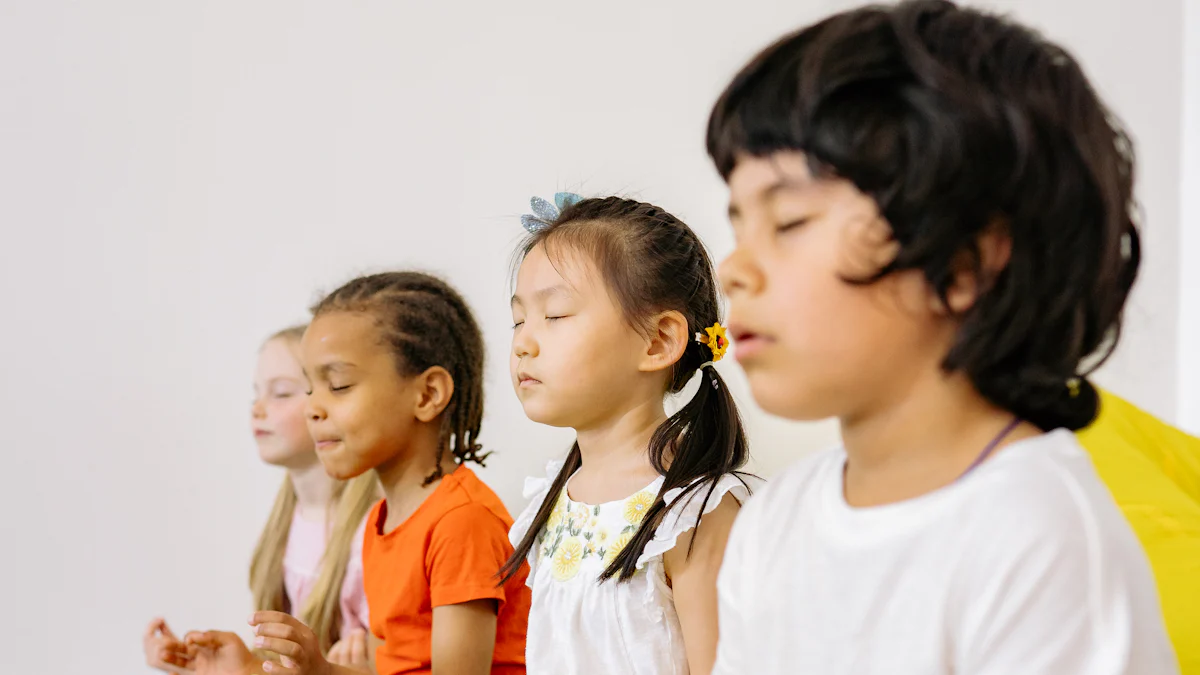
Keeping kids focused can be challenging, but with the right techniques, you can maintain their attention. Start by matching activities to their energy levels. Begin with high-energy poses and gradually move to calming ones. Introduce brief mindfulness exercises, like focusing on breathing, to enhance concentration. Encourage them to listen to their bodies and be present in the moment.
Motivating reluctant participants
Motivating reluctant participants requires patience and creativity. Offer choices and modifications for poses to accommodate different abilities. Celebrate their progress and efforts, no matter how small. Use partner poses and group activities to foster teamwork and social skills. By creating a supportive environment, you help them feel comfortable and eager to participate in y7 yoga sessions.
"Teaching yoga to children requires a thoughtful approach that keeps them engaged, motivated, and safe."
Addressing Challenges in Kids' Yoga
Teaching yoga to kids can be rewarding, but it comes with its own set of challenges. Let’s explore how you can effectively manage these hurdles.
Managing Different Age Groups
Tailoring sessions for various ages
Kids of different ages have unique needs and abilities. You’ll want to tailor your sessions to match these differences. For younger children, focus on simple poses and playful activities. Older kids might enjoy more structured sequences and mindfulness exercises. Adjust your language and instructions to suit their comprehension levels. This approach ensures that each child feels included and engaged.
Handling mixed-age classes
Mixed-age classes can be tricky, but they also offer opportunities for peer learning. Encourage older kids to help younger ones with poses. This fosters a sense of community and cooperation. You can design activities that cater to various skill levels, allowing each child to participate at their own pace. By creating an inclusive environment, you help everyone benefit from the practice.
Overcoming Common Obstacles
Dealing with distractions
Kids can get easily distracted, especially in a group setting. To keep their attention, use engaging techniques like storytelling or games. Short, varied activities can prevent boredom. Encourage focus by incorporating breathing exercises or quiet moments. These strategies help maintain a calm and centered atmosphere.
Addressing physical limitations
Some children may face physical limitations. Yoga offers a non-pharmacological way to support their development. Modify poses to accommodate different abilities. Use props or alternative positions to ensure comfort and safety. By being adaptable, you provide a supportive space where every child can thrive.
"Yoga as a Complementary Therapy for Children and Adolescents" highlights yoga's accessibility and minimal adverse effects, making it suitable for kids with diverse needs.
Implementing these strategies can transform your yoga sessions into a positive experience for all children. You’ll not only teach them yoga but also help them grow physically, mentally, and socially.
Building a Yoga Community for Kids
Creating a supportive yoga community for kids involves engaging parents and fostering a welcoming environment. Let's explore how you can achieve this.
Engaging Parents and Guardians
Communicating benefits and progress
You play a crucial role in helping parents understand the benefits of yoga for their children. Share regular updates about their progress. Highlight improvements in physical abilities, emotional well-being, and cognitive skills. Use newsletters or brief meetings to keep them informed. When parents see the positive changes, they become more invested in their child's yoga journey.
"Yoga can be a valuable tool for children, helping them face life's challenges with steadiness and maturity."
Encouraging home practice
Encourage parents to support yoga practice at home. Provide simple routines or poses that kids can do with their family. This not only reinforces what they learn in class but also strengthens family bonds. Suggest using y7 yoga techniques to make home practice fun and engaging. When parents participate, it creates a shared experience that enhances the child's enthusiasm for yoga.
Creating a Supportive Environment
Fostering a sense of belonging
You can foster a sense of belonging by creating an inclusive and welcoming atmosphere. Encourage kids to support each other during sessions. Use group activities that promote teamwork and cooperation. Celebrate diversity and ensure every child feels valued. This approach helps build a strong community where kids feel connected and motivated to participate in y7 yoga.
Celebrating achievements
Celebrate achievements, no matter how small. Recognize milestones like mastering a new pose or showing improved focus. Use certificates or small rewards to acknowledge their efforts. Share these successes with parents to reinforce the positive impact of yoga. Celebrating achievements boosts confidence and encourages kids to continue exploring y7 yoga with enthusiasm.
Building a yoga community for kids requires collaboration and creativity. By engaging parents and creating a supportive environment, you help children thrive in their yoga practice. This community not only nurtures their physical and emotional growth but also instills a lifelong love for yoga.
Teaching yoga to kids is a rewarding journey. You've learned how to make yoga fun and engaging, using age-appropriate techniques and creative storytelling. By incorporating y7 yoga, you can create a playful and interactive environment that kids love. Now, it's time to take the plunge and start teaching yoga to children. You'll not only help them develop physically and mentally but also instill a lifelong appreciation for wellness. Remember, teach from your heart and enjoy every moment. Your passion and dedication will inspire young yogis to embrace the joy of yoga.
See Also
Effortless Ways to Teach Yoga to Young Children
Selecting the Perfect Yoga School for Your Path
Comprehensive Guide to Yin Yoga Teacher Training in Spain

Hi my name is Lia and i am your host in this yoga journey in Portugal, Subscribe to our newsletter to receive every week the best of Yoga in Portugal.

We bring back the importance of initiation into womanhood by Roos-Veerle Krijnen & Ella-June Henrard
Welcome to the Women’s Initiation Retreat by Naked Truth Retreats, a transformative journey into the depths of your True Feminine Nature. This retreat invites you to remember the sacredness and wholeness of your being.
Roos-Veerle Krijnen & Ella-June Henrard