How to Start Doing Yoga: Easy Tips

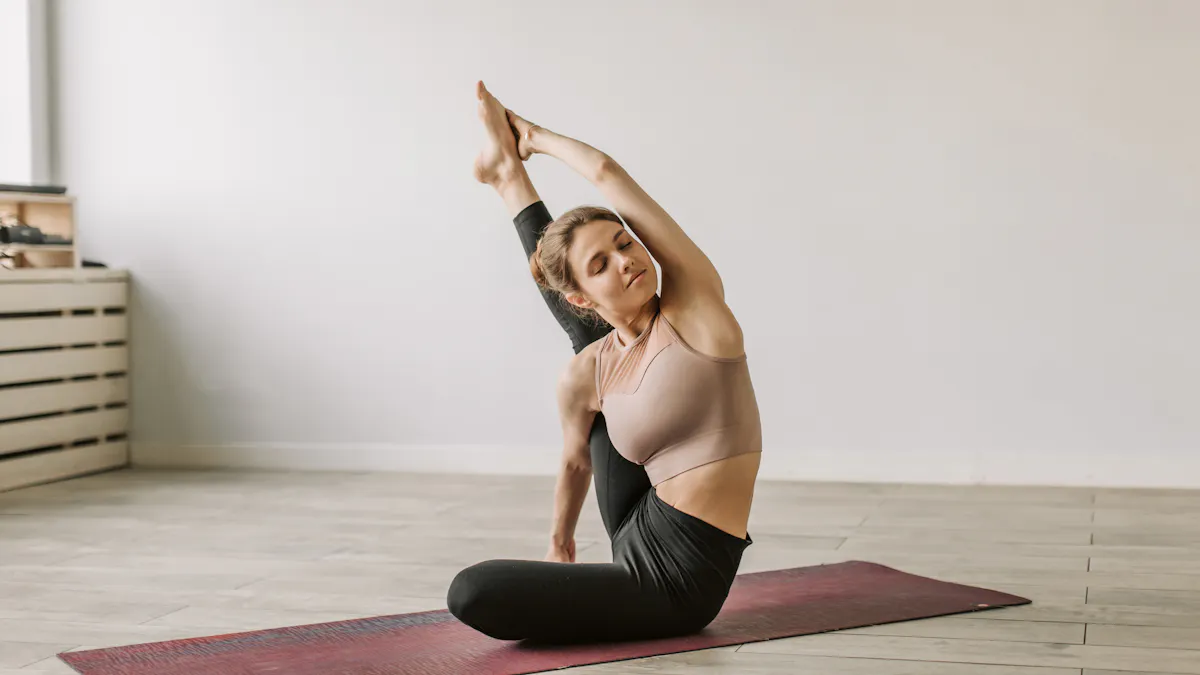
Starting yoga can feel daunting, but remember, everyone begins somewhere. Over half of yoga practitioners in the US are beginners, just like you. Embrace your current abilities and limitations. Yoga is not about perfection; it's about progress. You join a community where 67% of Americans have tried yoga at least once. This practice welcomes you with open arms. Whether you're looking to ease stress or improve flexibility, yoga offers a path tailored to your needs. So, take a deep breath, relax, and let's explore how to start doing yoga together.
How to Start Doing Yoga: Understanding the Core Principles
Embarking on your yoga journey involves more than just learning poses. It's about understanding the core principles that make yoga a holistic practice. Let's dive into these foundational elements.
Connection Between Mind, Body, and Breath
Yoga is all about the harmony between your mind, body, and breath. This connection forms the essence of yoga practice.
Importance of Mindfulness
Mindfulness is your gateway to experiencing the full benefits of yoga. When you focus on the present moment, you become more aware of your thoughts and feelings. This awareness helps reduce stress and anxiety. Studies show that yoga can improve mental health by reducing symptoms of depression and enhancing overall well-being. By practicing mindfulness, you can enjoy a more peaceful and balanced life.
Philosophical Foundation of Yoga
Yoga isn't just physical exercise; it's rooted in ancient philosophy. The practice encourages you to live with intention and purpose. It teaches you to embrace compassion, patience, and gratitude. These values guide you on your journey, helping you grow both on and off the mat. Understanding this philosophical foundation enriches your practice and deepens your connection to yoga.
Releasing Expectations
When you start doing yoga, it's important to let go of expectations. Yoga is a personal journey, and everyone progresses at their own pace.
Embracing the Journey
Yoga is not about achieving perfection. It's about embracing the journey and celebrating small victories along the way. Each pose and breath brings you closer to self-discovery. Remember, yoga is a lifelong practice. Enjoy the process and be kind to yourself as you learn and grow.
Focusing on Personal Growth
Your yoga practice is unique to you. Focus on personal growth rather than comparing yourself to others. Yoga inspires healthier choices and enhances mental wellness. By concentrating on your progress, you cultivate a positive mindset and build resilience. This focus on personal growth empowers you to overcome challenges and achieve your goals.
By understanding these core principles, you lay a strong foundation for your yoga practice. As you explore how to start doing yoga, remember to connect your mind, body, and breath, and release any expectations. Embrace the journey and focus on your personal growth. With these principles in mind, you're well on your way to a fulfilling yoga experience.
Practical Breathing Techniques
Breathing is more than just a physical necessity; it's a powerful tool in your yoga practice. By mastering breathing techniques, you can enhance your yoga experience and improve your overall well-being. Let's explore how to start doing yoga with a focus on practical breathing techniques.
Importance of Being Present
Being present is crucial in yoga. It allows you to fully engage with each moment and movement. When you focus on your breath, you anchor yourself in the present, reducing stress and anxiety. According to Yoga Anytime, deep breathing is one of the best antidotes to stress. By practicing mindful breathing, you can cultivate a sense of calm and clarity.
Techniques for Mindful Breathing
Mindful breathing involves paying attention to your breath without trying to change it. Here are some techniques to help you get started:
Breath Focus: Sit comfortably and close your eyes. Inhale deeply through your nose, feeling your chest and abdomen rise. Exhale slowly, noticing the sensation of air leaving your body. Repeat this process, focusing solely on your breath.
Equal Breathing: Inhale for a count of four, then exhale for the same count. This technique helps balance your breath and calm your mind.
"Just focusing on your breath for a few minutes can impact your stress levels." - Healthline
Benefits of Controlled Breathing
Controlled breathing offers numerous benefits. It can improve your quality of sleep and enhance mindfulness, both of which contribute to better mental health. Today highlights that yoga breathing has been known to improve these aspects of well-being. By incorporating controlled breathing into your practice, you can experience greater relaxation and focus.
Basic Breathing Exercises
Now that you understand the importance of being present, let's dive into some basic breathing exercises. These exercises form the foundation of your yoga practice and can be practiced anywhere.
Diaphragmatic Breathing
Diaphragmatic breathing, or belly breathing, involves using your diaphragm to breathe deeply. Here's how to do it:
Lie on your back with your knees bent.
Place one hand on your chest and the other on your abdomen.
Inhale deeply through your nose, allowing your abdomen to rise.
Exhale slowly, feeling your abdomen fall.
This exercise helps strengthen your diaphragm and promotes relaxation.
Alternate Nostril Breathing
Alternate nostril breathing is a calming technique that balances your body's energy. Follow these steps:
Sit comfortably and close your eyes.
Use your right thumb to close your right nostril.
Inhale deeply through your left nostril.
Close your left nostril with your ring finger and release your right nostril.
Exhale through your right nostril.
Inhale through your right nostril, then switch and exhale through your left.
Repeat this cycle several times to experience its calming effects.
By incorporating these breathing techniques into your routine, you lay a strong foundation for your yoga practice. Understanding how to start doing yoga with a focus on breath can transform your experience, making it more fulfilling and beneficial. Remember, your breath is your guide, leading you to a deeper connection with yourself and your practice.
Introducing Basic Yoga Poses

Starting your yoga journey involves learning some basic poses. These poses help you build a strong foundation and boost your confidence. Let's explore some essential beginner yoga poses that will guide you on how to start doing yoga.
Building a Strong Foundation
Creating a solid base in yoga begins with mastering foundational poses. These poses are simple yet powerful, setting the stage for more advanced practice.
Mountain Pose
Mountain Pose, or Tadasana, is the cornerstone of standing poses. It looks simple, but it teaches you alignment and balance. Here's how to do it:
Stand with your feet together, grounding through all four corners of your feet.
Engage your thighs and lift your kneecaps.
Lengthen your spine and reach your arms overhead.
Relax your shoulders and breathe deeply.
This pose improves posture and strengthens your legs. Practicing Mountain Pose regularly helps you feel more centered and balanced.
Downward Dog
Downward Dog, or Adho Mukha Svanasana, is a staple in yoga practice. It stretches and strengthens your entire body. Follow these steps:
Start on your hands and knees, with your wrists under your shoulders and knees under your hips.
Tuck your toes and lift your hips up and back, forming an inverted V-shape.
Keep your knees slightly bent if needed, and press your heels toward the floor.
Spread your fingers wide and relax your neck.
This pose energizes your body and calms your mind. It's a great way to transition between other poses.
Beginner-Friendly Poses
Once you've built a strong foundation, try these beginner-friendly poses. They offer comfort and ease, making them perfect for newcomers.
Child's Pose
Child's Pose, or Balasana, is a restful pose that provides a gentle stretch. It's a great way to relax and recharge. Here's how to practice it:
Kneel on the floor, touching your big toes together and sitting on your heels.
Separate your knees about hip-width apart.
Exhale and lay your torso down between your thighs.
Extend your arms forward or rest them by your sides.
This pose releases tension in your back and shoulders. Use it whenever you need a break during your practice.
Warrior I
Warrior I, or Virabhadrasana I, builds strength and focus. It empowers you and enhances your balance. Follow these steps:
Stand with your feet hip-width apart.
Step your left foot back, keeping your right knee over your ankle.
Turn your left foot slightly inward and press into the outer edge.
Raise your arms overhead and gaze forward.
This pose strengthens your legs and opens your chest. It encourages you to stand tall and confident.
By incorporating these basic yoga poses into your routine, you establish a strong foundation for your practice. Understanding how to start doing yoga with these poses helps you progress safely and effectively. Remember, yoga is a journey, and each pose brings you closer to a healthier and more balanced life.
Creating a Conducive Environment for Practice

Creating the right environment for your yoga practice can make a big difference in your experience. A supportive setting helps you focus and enjoy your sessions more. Let's explore how to find beginner classes and set up a practice space that suits your needs.
Finding Beginner Classes
Starting with the right class can set the tone for your yoga journey. You have options to explore both online and in-person classes.
Online Resources
Online yoga classes offer flexibility and convenience. You can practice at your own pace and choose from a variety of styles and instructors. Websites like Yoga with Adriene or platforms like Glo provide excellent beginner-friendly classes. These resources allow you to learn from the comfort of your home, making it easier to fit yoga into your schedule.
Local Yoga Studios
If you prefer a more personal touch, consider visiting a local yoga studio. Studios often offer beginner classes where you can receive guidance from experienced instructors. At Unwind Yoga Studio, students have shared how yoga positively impacts their physical and mental health. Joining a studio can also connect you with a community of fellow beginners, providing support and motivation.
Setting Up a Practice Space
Having a dedicated space for yoga can enhance your practice. It doesn't need to be elaborate, just comfortable and inviting.
Choosing a Quiet Place
Select a quiet spot in your home where you can practice without distractions. A peaceful environment helps you focus on your breath and movements. Whether it's a corner of your living room or a spot in your bedroom, make sure it's a place where you feel relaxed and at ease.
Using a Suitable Yoga Mat
A good yoga mat provides the support and stability you need during practice. Look for a mat with enough cushioning to protect your joints. It should also have a non-slip surface to prevent slipping during poses. Investing in a quality mat can make your practice more comfortable and enjoyable.
By finding the right classes and setting up a conducive practice space, you create an environment that supports your yoga journey. Whether you choose online resources or local studios, and whether you practice in a quiet corner or a dedicated room, these steps help you focus on your growth and well-being. Remember, the key is to make your practice space a reflection of your personal journey in yoga.
Physical Preparation Tips
Getting ready for yoga involves more than just rolling out your mat. Preparing your body ensures a more enjoyable and effective practice. Let's dive into some essential tips to help you get started.
Practicing on a Light Stomach
Yoga feels best when your stomach isn't too full. Practicing on a light stomach helps you move more freely and comfortably.
Timing Your Meals
Timing is key. Try to eat your meals at least two hours before your yoga session. This gives your body enough time to digest, reducing any discomfort during poses. If you're hungry closer to your practice, opt for a small snack like a banana or a handful of nuts.
Foods to Avoid Before Practice
Certain foods can make yoga uncomfortable. Avoid heavy, greasy, or spicy foods before you practice. These can cause bloating or indigestion, making it hard to focus on your poses. Stick to light, easily digestible options to keep your energy up without feeling weighed down.
Staying Hydrated
Hydration plays a crucial role in your yoga practice. It keeps your muscles flexible and helps you stay focused.
Importance of Hydration
Drinking enough water supports your overall health and enhances your yoga experience. According to the International Journal of Yoga, staying hydrated is especially important in practices like hot yoga, where you sweat more. Proper hydration reduces the risk of dehydration-related symptoms, ensuring a safer and more enjoyable session.
Tips for Maintaining Hydration
Here are some simple tips to keep you hydrated:
Drink Water Throughout the Day: Don't wait until you're thirsty. Sip water regularly to maintain hydration levels.
Start Your Day with Water: Begin your morning with a glass of water to kickstart your hydration.
Bring a Water Bottle to Class: Keep a bottle nearby during your practice. Take small sips as needed, especially if you're sweating a lot.
By following these physical preparation tips, you set yourself up for a successful yoga practice. Eating lightly and staying hydrated helps you feel your best on the mat. Remember, yoga is about listening to your body, so take these steps to support your journey.
Starting yoga is a journey, not a race. Go slow and listen to your body. Progress at a pace that feels comfortable for you. Yoga with Tori has helped many find a pain-free body and increased focus. Like Karen's students, you can boost your confidence and reduce stress. Andrea's practice inspires a positive attitude and physical changes. Rachael offers a safe space for mindful yoga, helping you connect body and breath. Embrace persistence and confidence in your practice. Remember, each step brings you closer to a healthier, happier you.
See Also
Beginner's Guide to Isha Hatha Yoga Practice
Exploring the Wellness Advantages of Yoga
Achieving Mastery in Kundalini Yoga Kriyas for Newbies

Hi my name is Lia and i am your host in this yoga journey in Portugal, Subscribe to our newsletter to receive every week the best of Yoga in Portugal.

We bring back the importance of initiation into womanhood by Roos-Veerle Krijnen & Ella-June Henrard
Welcome to the Women’s Initiation Retreat by Naked Truth Retreats, a transformative journey into the depths of your True Feminine Nature. This retreat invites you to remember the sacredness and wholeness of your being.
Roos-Veerle Krijnen & Ella-June Henrard