How to Select the Perfect Hot Yoga Studio

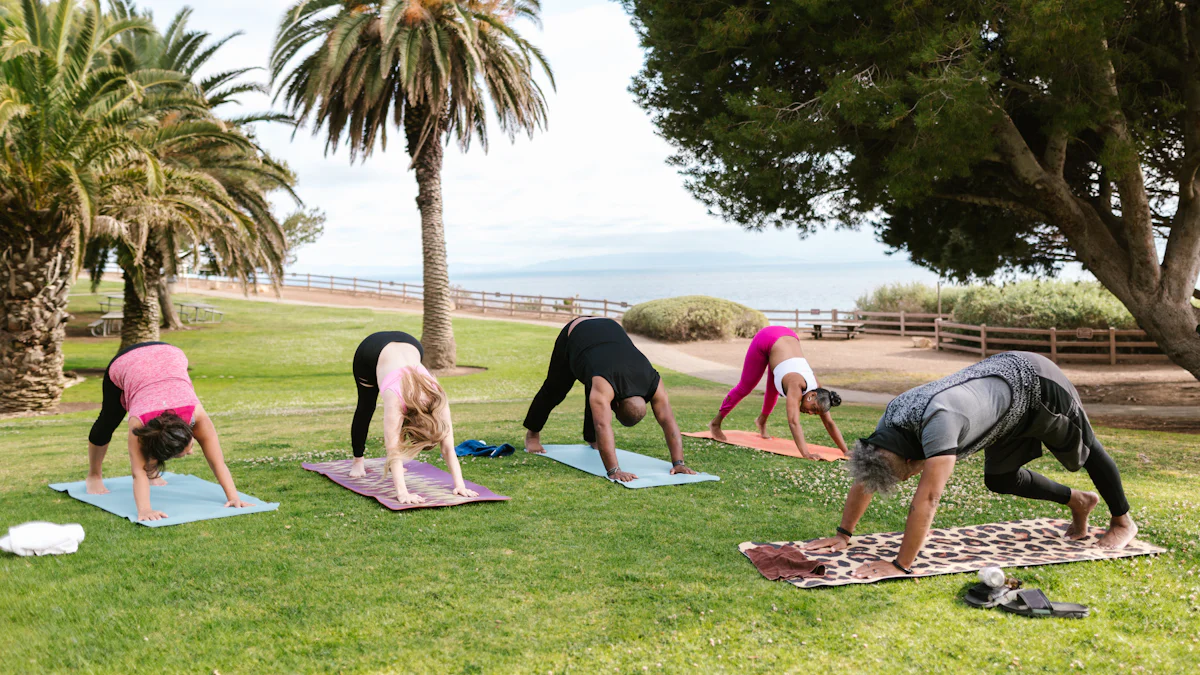
Choosing the right pure hot yoga studio significantly influences your practice. A suitable environment enhances your experience, allowing you to focus on your goals. Reflect on your personal needs and preferences. Consider what you seek from your sessions. Whether you aim for physical fitness or stress relief, the right pure hot yoga studio can make all the difference. Engage with a community that supports your journey.
Key Takeaways
Define your personal goals for yoga practice, whether it's physical fitness or stress relief, to find a studio that aligns with your needs.
Consider your experience level when choosing a studio; beginners should seek supportive environments, while advanced practitioners may prefer challenging classes.
Evaluate the studio's location for convenience, as a nearby studio encourages regular attendance and helps you stay committed to your practice.
Research the types of hot yoga classes offered, such as Bikram or Vinyasa, to find a style that suits your preferences and fitness goals.
Assess instructor qualifications and teaching styles to ensure you receive the guidance and support necessary for your growth in yoga.
Visit potential studios to gauge the atmosphere, cleanliness, and community culture, as these factors significantly impact your overall experience.
Prepare for your first class by bringing essential items like a yoga mat and water, and set clear intentions to enhance your practice.
Define Your Personal Goals for Yoga Practice
Identify Your Objectives
Before you choose a hot yoga studio, clarify your objectives. Understanding what you want from your practice helps you find the right environment.
Physical fitness
If you aim for physical fitness, look for studios that offer classes focusing on strength and flexibility. Hot yoga can enhance your endurance and improve muscle tone. Many practitioners report significant improvements in their overall fitness levels after consistent practice.
Stress relief
If stress relief is your goal, seek studios that foster a calming atmosphere. Hot yoga can reduce symptoms of anxiety and depression. In fact, studies show a 50% decrease in symptoms of depression among participants in hot yoga sessions, with 44% achieving remission. This evidence highlights the mental health benefits of engaging in a supportive yoga community.
Consider Your Experience Level
Your experience level plays a crucial role in selecting the right studio. Different studios cater to various skill levels.
Beginner
If you are a beginner, choose a studio that offers introductory classes. Look for instructors who provide clear guidance and support. A welcoming environment will help you feel comfortable as you learn the basics of hot yoga.
Intermediate/Advanced
If you have more experience, seek studios that challenge you. Advanced classes often incorporate complex poses and techniques. Engaging with skilled instructors can deepen your practice and enhance your skills.
Evaluate Studio Locations
Proximity to Home or Work
Convenience
When selecting a hot yoga studio, consider its location. A studio close to your home or workplace offers convenience. You can easily fit classes into your daily routine. This accessibility encourages regular attendance, which is vital for achieving your yoga goals.
Travel time
Long travel times can deter you from attending classes. Aim for a studio that minimises your commute. A shorter journey means less stress and more time to prepare for your practice. Look for studios situated in high-traffic areas. These locations often provide better visibility and accessibility, making it easier for you to commit to your yoga journey.
Accessibility and Facilities
Changing rooms
Evaluate the studio's facilities. Clean and spacious changing rooms enhance your experience. You want a comfortable space to prepare for your class. A well-maintained environment reflects the studio's commitment to quality.
Showers
Showers are another essential facility to consider. After an intense hot yoga session, you may wish to freshen up. Access to clean showers allows you to transition smoothly back into your day. Look for studios that prioritise cleanliness and comfort. A peaceful and roomy environment contributes to a better yoga experience.
Research Class Types Offered
Different Styles of Hot Yoga
When selecting a hot yoga studio, explore the various styles of classes available. Each style offers unique benefits and caters to different preferences.
Bikram
Bikram Yoga consists of a specific sequence of 26 postures performed in a heated room. This method emphasises precision and intent, allowing you to warm and stretch the appropriate muscles, ligaments, and tendons. Practising Bikram can enhance your strength and flexibility while promoting detoxification through sweat. Many practitioners appreciate the structure of this style, as it provides a consistent routine that helps them track their progress.
Vinyasa
Vinyasa Yoga offers a more fluid approach, linking breath with movement. Classes often vary in intensity and pace, allowing you to adapt your practice to your energy levels. This style encourages creativity, as instructors may incorporate different sequences and poses. Vinyasa can be an excellent choice if you seek a dynamic workout that challenges both your body and mind.
Class Schedules and Frequency
Consider the class schedules and frequency when choosing a studio. Flexibility in timing can significantly impact your ability to attend regularly.
Morning vs Evening Classes
Morning classes can energise your day, setting a positive tone for your activities. Many people find that practising yoga in the morning enhances their focus and productivity. Evening classes, on the other hand, provide an opportunity to unwind after a long day. They can help you release tension and prepare for restful sleep. Assess your daily routine and choose a schedule that aligns with your lifestyle.
Weekend Options
Weekend classes often attract those with busy weekdays. Many studios offer special sessions during this time, allowing you to deepen your practice without the rush. Look for studios that provide a variety of weekend options, including workshops or longer classes. These sessions can enrich your experience and help you connect with fellow practitioners.
Assess Instructor Qualifications
Instructor Experience and Training
When selecting a hot yoga studio, you must consider the qualifications of the instructors. Their experience and training significantly impact your practice.
Certifications
Instructors should hold relevant certifications. Look for teachers certified by recognised organisations, such as Yoga Alliance. This certification ensures they possess the necessary skills and knowledge to guide you effectively. For instance, Susana Jones, a certified yoga therapist and educator, has over 12 years of experience. Her qualifications include registration as an E-RYT 500 with Yoga Alliance. Such credentials indicate a commitment to high standards in teaching.
Teaching style
Each instructor has a unique teaching style. Some may focus on alignment and precision, while others might emphasise flow and creativity. You should attend a few classes to determine which style resonates with you. A supportive instructor can enhance your experience. As one student noted, “At North Sydney Yoga, I have found the teaching to be personal, thorough and challenging.” This personal approach can help you grow in your practice.
Class Size and Instructor Attention
Class size plays a crucial role in the level of attention you receive. Smaller classes often allow for more personalised guidance.
Personalised guidance
In smaller classes, instructors can offer tailored feedback. This attention helps you refine your poses and deepen your understanding of the practice. You can ask questions and receive immediate responses. This interaction fosters a supportive learning environment.
Group dynamics
Larger classes can create a vibrant atmosphere. However, they may limit individual attention. You might find it challenging to connect with the instructor. Consider your comfort level with group dynamics. Some students thrive in larger settings, while others prefer the intimacy of smaller classes. As one practitioner shared, “Yoga, in all its facets as taught at North Sydney Yoga, has taught me to be present and has helped my ageing body to be flexible and strong.” This highlights the importance of finding the right balance between class size and instructor engagement.
Visit the Studio Environment
Atmosphere and Ambience
Cleanliness
You should prioritise cleanliness when visiting a hot yoga studio. A tidy environment enhances your experience and promotes a sense of well-being. Studios that maintain high standards of hygiene create a welcoming atmosphere. You want to feel comfortable as you practice, and a clean space contributes significantly to that comfort.
Many students appreciate the effort studios put into cleanliness. One visitor noted, “I loved the intimate space and feeling Angelika and her teachers have created. I found it very welcoming and friendly.” This sentiment highlights how a clean environment can positively influence your perception of the studio.
Lighting and temperature
Lighting and temperature also play crucial roles in your yoga experience. A well-lit studio can uplift your mood and energise your practice. Soft, natural lighting often creates a calming effect, allowing you to focus on your movements and breath.
Temperature settings are equally important. Each studio may heat their rooms differently, affecting your comfort level. You should inquire about the studio's heating system to ensure it aligns with your preferences. A comfortable temperature allows you to engage fully in your practice without distraction.
Community and Culture
Inclusivity
A supportive community fosters a positive yoga experience. Look for studios that promote inclusivity and welcome practitioners of all backgrounds and skill levels. An inclusive environment encourages you to explore your practice without fear of judgement.
Many students find that a strong sense of community enhances their commitment to yoga. One new student shared, “I joined North Sydney Yoga with no prior experience to yoga and have progressed with my Ashtanga yoga journey with the help of the incredible teachers.” This illustrates how a welcoming culture can support your growth and development.
Social events
Social events can enrich your experience at a hot yoga studio. Participating in workshops, retreats, or community gatherings allows you to connect with fellow practitioners. These interactions foster friendships and create a sense of belonging.
Studios that organise social events often cultivate a vibrant community. Engaging with others who share your passion for yoga can motivate you to attend classes regularly. As one student remarked, “It is a warm and inviting studio that focuses on both the physical practice of yoga and also the development of stillness, breathe and awareness.” This highlights the importance of community in enhancing your overall yoga journey.
Tips for Attending Your First Class
What to Bring
Yoga mat
Bring your own yoga mat to class. A personal mat provides comfort and hygiene. Many studios offer mats for rent, but using your own ensures you have a familiar surface. If you are new to hot yoga, consider investing in a high-quality mat designed for heated environments. These mats often provide better grip and cushioning, enhancing your practice.
Water bottle
Stay hydrated by bringing a water bottle. Hot yoga classes can be intense, and you will sweat significantly. Drinking water before, during, and after class helps maintain your hydration levels. Aim to drink water throughout the day leading up to your session. This preparation ensures your body is ready for the heat.
Preparing Mentally and Physically
Arriving early
Arrive at the studio early to settle in. This extra time allows you to acclimatise to the environment. Use this opportunity to explore the studio, find your space, and set up your mat. Arriving early also gives you a chance to meet the instructor and ask any questions. This connection can ease any nerves you may feel before your first class.
Setting intentions
Before stepping onto your mat, take a moment to set your intentions. Reflect on what you hope to achieve during your practice. Whether you seek physical fitness, stress relief, or personal growth, having a clear intention can enhance your experience. As you move through the poses, keep your intention in mind. This focus can help you stay present and engaged throughout the class.
“Listen to your body. You are always welcome to sit out poses if needed.” This advice is crucial, especially for beginners. Remember, yoga is a personal journey. Embrace your unique path and enjoy the process of discovery.
Selecting the right pure hot yoga studio requires careful consideration of various factors. Reflect on your personal goals, the studio's location, class types, and instructor qualifications. Take your time to explore different options. This decision impacts your overall experience and growth in yoga.
Share your experiences and recommendations with others. Your insights can help fellow practitioners find their ideal studio. Remember, the journey of yoga is personal and unique to you.
FAQ
What is hot yoga?
Hot yoga involves performing yoga poses in a heated room. The warmth helps to increase flexibility and allows your muscles to stretch more effectively. This practice often includes various styles, such as Bikram and Vinyasa, each offering unique benefits.
Why is the hot yoga room heated?
The hot yoga room is heated to provide specific benefits. The heat encourages sweating, which can help detoxify your body. It also promotes increased blood flow, enhancing circulation and aiding in muscle recovery.
What are the benefits of hot yoga?
Hot yoga offers numerous benefits for both the body and mind. Practising in a heated environment can improve flexibility, build strength, and enhance endurance. Additionally, many practitioners report reduced stress levels and improved mental clarity after sessions.
How often should I attend hot yoga classes?
You should aim to attend hot yoga classes regularly to experience the full benefits. Many practitioners find that attending two to three times a week helps them maintain progress and deepen their practice. Listen to your body and adjust your frequency based on your comfort level.
What should I wear to hot yoga?
Wear lightweight, breathable clothing that allows for easy movement. Opt for moisture-wicking fabrics to help keep you comfortable during your practice. Avoid heavy materials that may trap heat and sweat.
Can beginners join hot yoga classes?
Yes, beginners can absolutely join hot yoga classes. Many studios offer introductory sessions designed specifically for newcomers. Instructors will guide you through the basics and help you adapt to the heat.
Do I need to bring my own mat?
Bringing your own yoga mat is highly recommended. A personal mat provides comfort and hygiene. While many studios offer mats for rent, using your own ensures you have a familiar surface to practice on.
How can I stay hydrated during hot yoga?
Staying hydrated is crucial during hot yoga. Drink plenty of water before, during, and after class. Aim to hydrate throughout the day leading up to your session to ensure your body is prepared for the heat.
What if I feel dizzy or uncomfortable during class?
If you feel dizzy or uncomfortable during class, listen to your body. Take a break, sit down, or step out of the room if needed. Remember, yoga is a personal journey, and it’s essential to prioritise your well-being.
Are there any health conditions that prevent me from practising hot yoga?
Certain health conditions may require caution when practising hot yoga. If you have cardiovascular issues, respiratory problems, or are pregnant, consult with your healthcare provider before attending classes. Always inform your instructor of any concerns before starting.
See Also
Your Ultimate Guide to Choosing the Right Yoga Studio
Discover the Ideal Yoga Studio in Collingwood
Essential Advice for Choosing Hot Yoga Mats and Towels

Hi my name is Lia and i am your host in this yoga journey in Portugal, Subscribe to our newsletter to receive every week the best of Yoga in Portugal.

We bring back the importance of initiation into womanhood by Roos-Veerle Krijnen & Ella-June Henrard
Welcome to the Women’s Initiation Retreat by Naked Truth Retreats, a transformative journey into the depths of your True Feminine Nature. This retreat invites you to remember the sacredness and wholeness of your being.
Roos-Veerle Krijnen & Ella-June Henrard