How to Practice Siddhar Yoga for Inner Peace

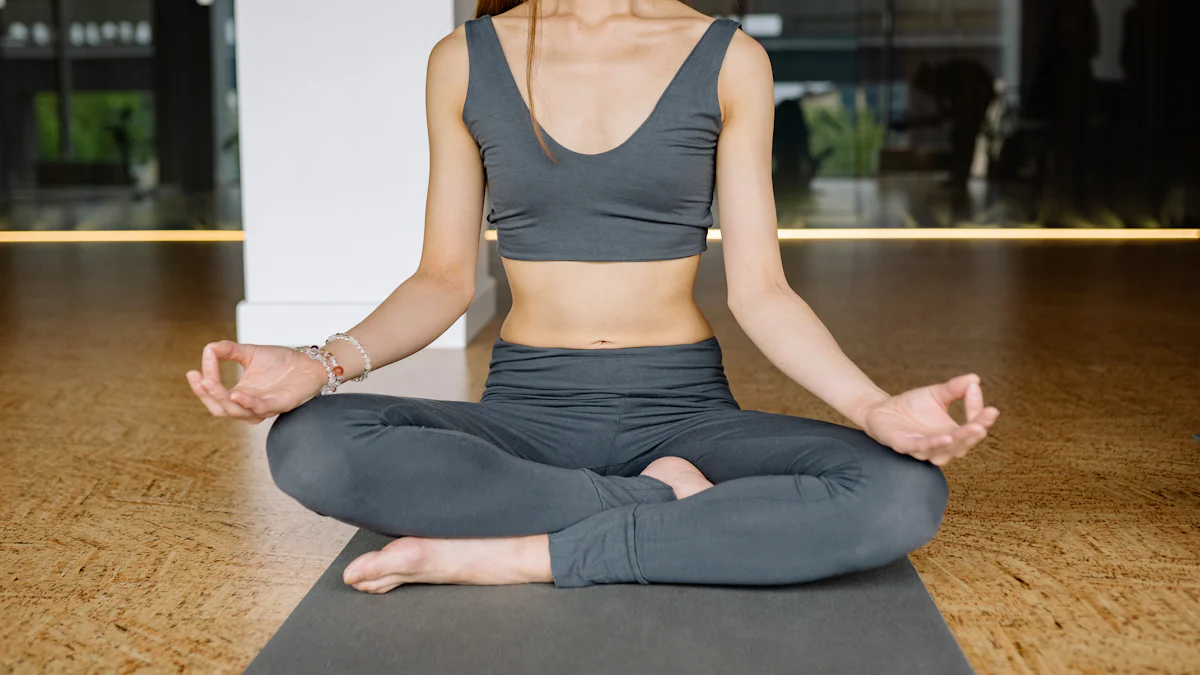
Engaging in Siddhar Yoga offers a pathway to cultivate inner peace. This practice emphasises the importance of consistent effort, allowing you to experience tranquillity in your daily life. By integrating techniques such as meditation, breathing exercises, and mindful movements, you can create lasting benefits. Scientific research highlights that yoga can positively influence mood and reduce anxiety, making Siddhar Yoga a valuable tool for enhancing your emotional well-being.
Key Takeaways
Siddhar Yoga promotes inner peace through consistent practice, integrating meditation, breathing exercises, and mindful movements.
Breath control, or pranayama, is essential in Siddhar Yoga, enhancing meditation and fostering emotional stability.
Establish a dedicated practice space free from distractions to deepen your Siddhar Yoga experience.
Incorporate mindfulness into daily activities to enhance your connection with yourself and promote tranquillity.
Set clear goals and create a routine to maintain motivation and consistency in your Siddhar Yoga practice.
Regular practice of Siddhar Yoga can significantly reduce stress and anxiety, improving emotional and mental well-being.
Engaging in Siddhar Yoga nurtures spiritual growth, leading to greater self-awareness and a deeper understanding of your purpose.
The Foundations of Siddhar Yoga

Key Principles of Siddhar Yoga
Siddhar Yoga serves as a profound means to deepen your experience of inner peace. This practice focuses on cleansing your consciousness from disturbances and distractions. You will learn to develop concentration, fortitude, and clarity. The teachings of the Siddhas reveal that you can discover your true nature, which embodies timeless and unchanging peace. The journey towards self-realisation unfolds through the principles outlined in the Yoga Sutras of Siddha Patanjali and Mahasiddha Agathiyar’s “Saumya Sagaram” Yoga Sutras.
The essence of Siddhar Yoga lies in its philosophical foundation. It teaches that achieving unity with your true self requires surrendering to this self and remembering your divine nature. You must follow the path of Yoga to realise the divinity of your soul. This tradition, rooted in southern India, emphasises transforming from a human state to an enlightened one through techniques that control prana, or life force.
The Role of Breath in Siddhar Yoga
Breath plays a crucial role in Siddhar Yoga. You will find that conscious breathing enhances your meditation practice and helps you connect with your inner self. By focusing on your breath, you cultivate awareness and presence. This practice allows you to regulate your energy and calm your mind.
In Siddhar Yoga, breathing techniques, known as pranayama, help you harness the life force within. These techniques not only improve your physical health but also promote emotional stability. Regular practice of these breathing exercises leads to a deeper understanding of your body and mind, fostering a harmonious relationship between the two.
Understanding the Mind-Body Connection in Siddhar Yoga
The mind-body connection is a fundamental aspect of Siddhar Yoga. You will learn that your thoughts and emotions directly influence your physical state. By practising Siddhar Yoga, you can cultivate awareness of this connection, leading to greater self-understanding and healing.
The Siddhas have demonstrated that living in constant awareness of your true self is achievable. This awareness allows you to transcend mundane experiences and reach higher states of consciousness. As you engage in Siddhar Yoga, you will experience the transformative power of this connection, leading to emotional and spiritual growth.
Essential Techniques for Practicing Siddhar Yoga
Meditation Practices in Siddhar Yoga
Meditation forms the core of Siddhar Yoga. You can start by finding a quiet space where you feel comfortable. Sit in a relaxed position, keeping your spine straight. Close your eyes and focus on your breath. Allow your thoughts to settle. As you breathe in and out, repeat a mantra silently. This repetition helps deepen your concentration and connects you with your inner self.
You may also explore guided meditations. These sessions often provide structure and support, especially for beginners. Many resources are available online, offering various themes and durations. Regular practice of meditation enhances your ability to remain calm and centred, even amidst chaos.
Breathing Techniques in Siddhar Yoga
Breathing techniques, or pranayama, play a vital role in Siddhar Yoga. You can practice several methods to enhance your energy and focus. One effective technique is the "Nadi Shodhana" or alternate nostril breathing. This method balances the left and right hemispheres of your brain. To perform it, close your right nostril with your thumb and inhale through your left nostril. Then, close your left nostril with your ring finger and exhale through your right nostril. Repeat this process for several minutes.
Another technique is "Kapalabhati," or skull shining breath. This method involves short, forceful exhales followed by passive inhales. It energises your body and clears your mind. Incorporating these breathing exercises into your daily routine can significantly improve your emotional stability and overall well-being.
Physical Postures in Siddhar Yoga
Physical postures, or asanas, complement the meditation and breathing practices in Siddhar Yoga. You can begin with simple poses such as "Sukhasana" (Easy Pose) or "Padmasana" (Lotus Pose). These positions promote flexibility and help you maintain focus during meditation.
As you progress, you may explore more dynamic postures like "Surya Namaskar" (Sun Salutation). This sequence of movements warms up your body and prepares you for deeper practices. Always listen to your body and avoid pushing yourself too hard. The goal is to create a harmonious balance between your mind and body.
Incorporating these essential techniques into your Siddhar Yoga practice will enhance your journey towards inner peace. Regular engagement with meditation, breathing, and physical postures fosters a deeper connection with yourself and promotes tranquillity in your life.
Creating a Daily Siddhar Yoga Routine
Setting Up Your Practice Space for Siddhar Yoga
Creating a dedicated practice space enhances your experience with Siddhar Yoga. Choose a quiet area in your home where you feel comfortable and relaxed. Keep this space free from distractions. You can use a yoga mat or a soft surface to sit on. Add elements that inspire you, such as candles, incense, or calming images. These items help create a serene atmosphere.
Ensure that your practice space has good ventilation and natural light. This environment promotes a sense of peace and connection to nature. You may also want to keep a journal nearby. Writing down your thoughts after each session can deepen your understanding of your practice.
Time Management for Consistency in Siddhar Yoga
Consistency is key in Siddhar Yoga. Set aside specific times each day for your practice. Morning sessions can energise you for the day ahead. Evening practices can help you unwind and reflect. Choose a duration that suits your schedule, whether it’s 20 minutes or an hour.
Use reminders to help you stay on track. You can set alarms on your phone or mark your calendar. Treat these sessions as important appointments. This commitment reinforces your dedication to the practice. Over time, you will notice the benefits of regular engagement with Siddhar Yoga.
Incorporating Mindfulness into Daily Activities with Siddhar Yoga
Mindfulness is an essential aspect of Siddhar Yoga. You can integrate mindfulness into your daily activities. Focus on being present in each moment. Whether you are eating, walking, or working, pay attention to your sensations and surroundings.
Try to observe your thoughts without judgement. This practice helps you cultivate awareness and reduces stress. You can also use mantras during daily tasks. Repeating a mantra while performing chores can transform mundane activities into moments of meditation.
By incorporating mindfulness into your life, you enhance your Siddhar Yoga practice. This approach fosters a deeper connection with yourself and promotes inner peace throughout your day.
Overcoming Challenges in Siddhar Yoga Practice
Common Obstacles Faced by Practitioners of Siddhar Yoga
You may encounter several obstacles while practising Siddhar Yoga. These challenges can hinder your progress and affect your motivation. Common issues include:
Lack of Time: Busy schedules often leave little room for consistent practice.
Physical Discomfort: You might experience discomfort during meditation or physical postures.
Mental Distractions: Your mind may wander, making it difficult to focus on your practice.
Emotional Resistance: Past experiences or emotions can surface, creating resistance to deeper practices.
Recognising these obstacles is the first step towards overcoming them. Each challenge presents an opportunity for growth and self-discovery.
Strategies for Maintaining Motivation in Siddhar Yoga
To maintain motivation in your Siddhar Yoga practice, consider implementing the following strategies:
Set Clear Goals: Define what you wish to achieve through your practice. Whether it’s inner peace, emotional stability, or spiritual growth, having clear goals keeps you focused.
Create a Routine: Establish a consistent practice schedule. Treat your practice time as a sacred appointment with yourself.
Join a Community: Engaging with fellow practitioners can provide support and encouragement. Participating in group sessions or retreats can enhance your experience.
Celebrate Progress: Acknowledge your achievements, no matter how small. Celebrating milestones reinforces your commitment to the practice.
As you navigate your Siddhar Yoga journey, remember that motivation can ebb and flow. Embrace the process and allow yourself to grow at your own pace.
Dealing with Distractions During Siddhar Yoga Practice
Distractions can disrupt your Siddhar Yoga practice. To minimise these interruptions, try the following techniques:
Create a Dedicated Space: Designate a specific area for your practice. This space should be free from distractions and conducive to meditation.
Limit External Noise: Use earplugs or calming music to drown out background noise. This can help you focus better during your sessions.
Practice Mindfulness: Cultivate awareness of your thoughts and feelings. When distractions arise, acknowledge them without judgement and gently return your focus to your breath or mantra.
Use Guided Meditations: If you struggle with maintaining focus, consider using guided meditations. These can provide structure and help you stay engaged.
By implementing these strategies, you can create a more conducive environment for your Siddhar Yoga practice. Overcoming distractions allows you to deepen your connection with yourself and enhances your journey towards inner peace.
The Benefits of Siddhar Yoga for Inner Peace

Emotional and Mental Well-being through Siddhar Yoga
Siddhar Yoga significantly enhances your emotional and mental well-being. You will notice a reduction in stress and anxiety levels as you engage in regular practice. Meditation helps you cultivate a calm mind. This tranquillity allows you to respond to challenges with clarity rather than react impulsively.
Practising Siddhar Yoga also fosters self-awareness. You begin to understand your thoughts and emotions better. This understanding leads to improved emotional regulation. You can manage your feelings more effectively, which contributes to a more balanced life.
Physical Health Improvements from Siddhar Yoga
Siddhar Yoga offers numerous physical health benefits. Regular practice improves your flexibility and strength. You will find that physical postures enhance your overall fitness. As you progress, you may experience increased energy levels and vitality.
Breathing techniques in Siddhar Yoga promote better respiratory function. You learn to control your breath, which can lead to improved lung capacity. This enhancement supports your physical activities and overall health. Additionally, the practice can aid in reducing chronic pain and tension in your body.
Spiritual Growth and Awareness via Siddhar Yoga
Engaging in Siddhar Yoga nurtures your spiritual growth. You embark on a journey of self-discovery and inner exploration. This practice encourages you to connect with your true self. You will find that meditation deepens your spiritual awareness.
As you continue your practice, you may experience moments of profound insight. These insights can lead to a greater understanding of your purpose and place in the universe. Siddhar Yoga helps you transcend the mundane aspects of life, allowing you to embrace a more meaningful existence.
Siddhar Yoga transforms your journey towards inner peace. This practice empowers you to connect with your true self and cultivate tranquillity in your life. Embrace the path of Siddhar Yoga with patience and dedication. Each session brings you closer to emotional balance and spiritual growth.
Integrating Siddhar Yoga into your daily routine offers long-term benefits. You will experience improved mental clarity, emotional stability, and physical vitality. Allow this practice to guide you towards a more harmonious existence.
FAQ
What is Siddhar Yoga?
Siddhar Yoga is a spiritual practice that combines meditation, breathing techniques, and physical postures. This practice aims to help you connect with your true self and cultivate inner peace. It draws from ancient teachings and emphasises the importance of consistent practice for emotional and spiritual growth.
How often should I practice Siddhar Yoga?
You should aim to practice Siddhar Yoga daily. Consistency enhances your experience and deepens your connection with the techniques. Even short sessions of 20 minutes can yield significant benefits. Find a routine that fits your lifestyle and commit to it.
Do I need a teacher to start practicing Siddhar Yoga?
While you can begin your practice independently, guidance from a qualified teacher can be beneficial. A teacher can provide personalised instruction and support your journey. Consider attending classes or workshops to deepen your understanding.
Can Siddhar Yoga help with stress and anxiety?
Yes, Siddhar Yoga can significantly reduce stress and anxiety. The combination of meditation and breathing techniques promotes relaxation and emotional stability. Regular practice helps you develop a calm mind, allowing you to respond to challenges more effectively.
What should I wear during Siddhar Yoga practice?
Wear comfortable clothing that allows for easy movement. Choose breathable fabrics that do not restrict your body. You want to feel relaxed and at ease during your practice. Avoid tight or heavy clothing that may distract you.
Is it necessary to follow a specific diet while practicing Siddhar Yoga?
While there is no strict dietary requirement, a balanced and nutritious diet can enhance your practice. Focus on whole foods, such as fruits, vegetables, and grains. Staying hydrated also supports your overall well-being.
How can I create a conducive environment for my practice?
Choose a quiet space free from distractions. Ensure good ventilation and natural light in your practice area. You can enhance the atmosphere with calming elements like candles or incense. A serene environment fosters a deeper connection during your sessions.
What if I struggle to meditate?
Struggling with meditation is common, especially for beginners. Start with short sessions and gradually increase the duration. Use guided meditations to help you focus. Remember, it is normal for your mind to wander; gently bring your attention back to your breath or mantra.
How can I stay motivated in my Siddhar Yoga practice?
Set clear goals for your practice. Establish a routine and treat your practice time as a priority. Joining a community of fellow practitioners can provide support and encouragement. Celebrate your progress, no matter how small, to maintain motivation.
Where can I find more resources about Siddhar Yoga?
You can explore various online platforms for resources on Siddhar Yoga. Websites often offer articles, videos, and guided meditations. For specific questions or requests, consider reaching out to organisations like Siddha Yoga by emailing info@symcseattle.org. They can provide additional information and support for your journey.
See Also
Starting Your Journey Into Yoga And Meditation
Uncover The Advantages Of Yoga Blankets In Practice
Finding Iyengar Yoga Classes Close To You

Hi my name is Lia and i am your host in this yoga journey in Portugal, Subscribe to our newsletter to receive every week the best of Yoga in Portugal.

We bring back the importance of initiation into womanhood by Roos-Veerle Krijnen & Ella-June Henrard
Welcome to the Women’s Initiation Retreat by Naked Truth Retreats, a transformative journey into the depths of your True Feminine Nature. This retreat invites you to remember the sacredness and wholeness of your being.
Roos-Veerle Krijnen & Ella-June Henrard