How to Practice Japa Yoga for Inner Peace

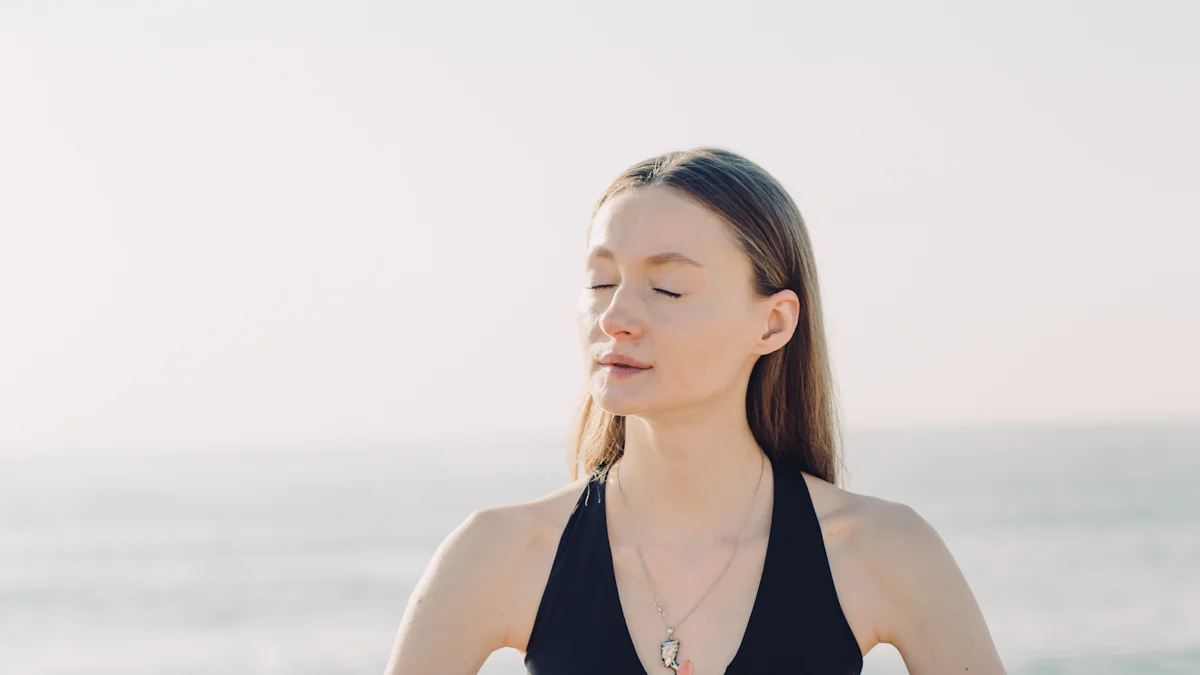
Japa Yoga helps you cultivate inner peace through focused mantra repetition. This practice encourages you to set clear intentions and maintain consistency, which are vital for experiencing its full benefits. As you engage in Japa Yoga, you may notice transformative effects on your mental and emotional well-being. Regular practice can reduce stress, enhance concentration, and promote a sense of calm. Embrace this journey, and discover how Japa Yoga can enrich your life.
Key Takeaways
Japa Yoga promotes inner peace through the focused repetition of mantras, helping to reduce stress and enhance concentration.
Create a dedicated and peaceful practice space to enhance your Japa Yoga experience; consider factors like comfort, lighting, and aroma.
Choose a mantra that resonates with your personal journey, whether it's a traditional Sanskrit mantra or a phrase that inspires you.
Establish a consistent routine by selecting a specific time and duration for your practice, starting with 10-15 minutes daily.
Incorporate mindfulness techniques, such as breath awareness and visualization, to deepen your connection to your mantra during practice.
Use mala beads to keep track of your repetitions and maintain focus, grounding you in the present moment.
Stay committed to your practice by setting realistic goals, tracking your progress, and integrating Japa into your daily life.
Understanding Japa Yoga
Definition and Origins of Japa Yoga
Japa Yoga has deep roots in Indian spiritual traditions. You can trace its origins back to ancient texts like the Vedas and the Upanishads. These texts highlight the importance of mantra repetition as a means of spiritual purification. For thousands of years, practitioners have used Japa Yoga to connect with the divine and cultivate inner harmony.
The practice involves the conscious repetition of a mantra, which helps you focus your mind and elevate your consciousness. Swami Sivananda described Japa as an essential part of yoga, emphasizing that repeating any mantra or the name of the Lord is a powerful way to transform your thoughts. This method allows you to plant divine thoughts deeper into your mind, promoting a sense of peace and clarity.
Benefits of Japa Yoga for Inner Peace
Engaging in Japa Yoga offers numerous benefits for your mental and emotional well-being. Here are some key advantages:
Reduces Stress: The repetitive nature of mantra chanting calms your mind, helping you let go of daily worries.
Enhances Focus: As you concentrate on your mantra, you train your mind to stay present, improving your overall concentration.
Promotes Calmness: Regular practice creates a soothing effect, allowing you to experience a deeper sense of tranquility.
Encourages Self-Awareness: Japa Yoga fosters a connection to your inner self, helping you understand your thoughts and emotions better.
By incorporating Japa Yoga into your routine, you can experience these benefits firsthand. The practice not only helps you find inner peace but also enriches your spiritual journey.
Setting Up Your Practice Space for Japa Yoga

Choosing a Quiet and Comfortable Location
Finding the right spot for your Japa Yoga practice is crucial. You want a place that feels peaceful and allows you to focus. Look for a quiet corner in your home, away from distractions. This could be a cozy nook in your living room or a serene space in your bedroom.
Consider the following tips when selecting your location:
Avoid Noise: Choose a spot where outside sounds won’t interrupt your practice. If possible, practice during quieter times of the day.
Comfort Matters: Make sure you can sit comfortably for your sessions. A soft rug or cushion can enhance your comfort level.
Regularity: Try to use the same location each time. This creates a sense of familiarity and helps you get into the right mindset.
Creating a Peaceful Atmosphere
Once you’ve chosen your location, it’s time to set the mood. A peaceful atmosphere can significantly enhance your Japa Yoga experience. Here are some ideas to help you create that calming environment:
Declutter: Clear away any clutter. A tidy space promotes a clear mind.
Lighting: Use soft lighting or candles to create a warm ambiance. Natural light can also be uplifting.
Aromatherapy: Consider using essential oils or incense. Scents like lavender or sandalwood can help you relax and focus.
Sacred Space: As Prentiss Alter suggests, think of your practice area as a sacred space. This mindset can open you up to deeper experiences during your practice.
By setting up a dedicated space for Japa Yoga, you invite tranquility into your routine. This intentional environment supports your journey toward inner peace and enhances the benefits of your practice.
Choosing the Right Mantra for Japa Yoga
Types of Mantras
When you practice Japa Yoga, selecting the right mantra is crucial. Mantras can vary widely, each carrying unique vibrations and meanings. Here are some common types of mantras you might consider:
Sanskrit Mantras: These ancient phrases often hold deep spiritual significance. For example, "Om" represents universal consciousness, while "Om Mani Padme Hum" symbolizes compassion and purification.
Personal Mantras: You can create a mantra that resonates with your personal journey. This could be a phrase that inspires you or reflects your intentions.
Seed Mantras: These short sounds, like "Ram" or "Shreem," focus on specific energies or deities. They can help you connect with particular aspects of your spiritual practice.
Swami Sivananda once said, “Mantra Yoga is an exact science. By the constant thinking of Mantra, one is protected and released from the round of births and death.” This highlights the power of mantra repetition in your practice.
How to Select a Personal Mantra
Choosing a personal mantra involves reflection and intention. Here’s how you can find the right one for your Japa Yoga practice:
Align with Your Goals: Think about what you want to achieve through your practice. Do you seek peace, love, or clarity? Your mantra should reflect these desires.
Feel the Resonance: Say different mantras out loud. Notice how each one feels. The right mantra will resonate with you on a deeper level.
Keep It Simple: A mantra doesn’t need to be complex. Sometimes, a single word or short phrase can be the most powerful.
Use Guidance: If you’re unsure, consider seeking advice from experienced practitioners or spiritual teachers. They can offer insights into mantras that align with your journey.
Remember, the mantra you select should resonate with your current intentions or spiritual journey. As you repeat it during your practice, allow it to penetrate your consciousness and bring about a sense of inner peace and spiritual connection.
Establishing a Routine for Japa Yoga
Finding the Best Time for Practice
Choosing the right time for your Japa Yoga practice can make a big difference. You want to find a moment when you feel calm and focused. Many practitioners prefer early mornings. The world is quieter, and your mind is fresh. This time allows you to set a positive tone for the day ahead.
If mornings don’t work for you, consider practicing in the evening. After a long day, Japa Yoga can help you unwind and release stress. You might also try different times throughout the week to see what feels best. Listen to your body and mind. They will guide you to the ideal time for your practice.
Setting a Duration for Your Sessions
Deciding how long to practice Japa Yoga is just as important as choosing the right time. Start with shorter sessions if you’re new to the practice. Aim for about 10 to 15 minutes. This duration allows you to ease into the rhythm of mantra repetition without feeling overwhelmed.
As you grow more comfortable, gradually increase your practice time. Many experienced practitioners enjoy sessions lasting 30 minutes or even an hour. The key is to find a duration that feels right for you. Consistency matters more than length. Regular practice, even for shorter periods, can lead to significant benefits.
Remember, Japa Yoga offers a wide range of advantages for your mind, body, and spirit. By focusing on the repetition of a mantra, you can quiet your mind and enter a state of deep relaxation. This practice helps reduce stress and anxiety while improving concentration and promoting inner peace.
Techniques for Effective Japa Yoga Practice
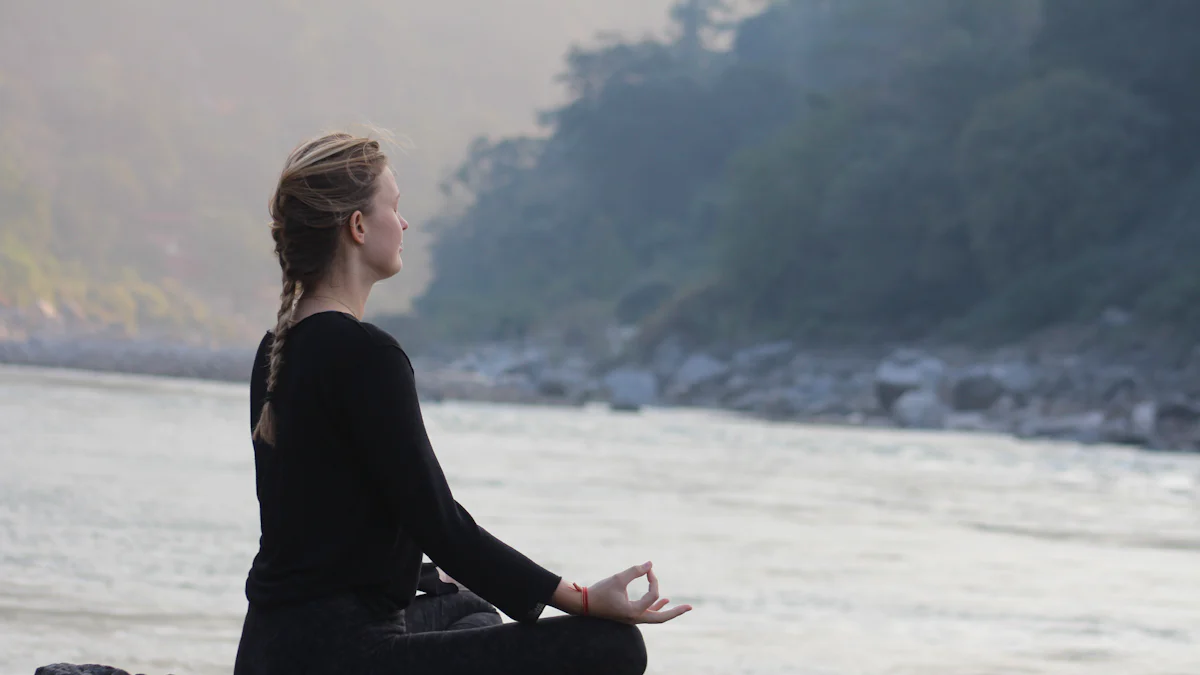
Using a Mala Bead Necklace
A mala bead necklace can enhance your Japa Yoga practice significantly. This string of beads typically contains 108 beads, which helps you keep track of your mantra repetitions. As you move through your practice, each bead serves as a physical reminder to stay focused.
Here’s how to use a mala effectively:
Hold the Mala: Start by holding the mala in your right hand. Use your thumb and middle finger to grip the first bead next to the guru bead, which is the larger bead that marks the beginning and end of your cycle.
Recite Your Mantra: As you say your mantra, move to the next bead. This action helps you concentrate on the repetition while keeping your mind engaged.
Avoid Crossing the Guru Bead: When you reach the guru bead, do not cross it. Instead, turn the mala around and continue in the opposite direction. This practice maintains the integrity of your cycle.
Using a mala not only aids in counting but also deepens your connection to the mantra. The tactile experience of moving through the beads can ground you in the present moment, making your practice more effective.
Focusing on Breath and Intention
Breath awareness plays a crucial role in Japa Yoga. Coordinating your breath with your mantra can deepen your mindfulness. Here’s how to integrate breath focus into your practice:
Inhale and Exhale: Begin by taking a deep breath. As you inhale, prepare to recite your mantra. On the exhale, say your mantra softly. This rhythm creates a natural flow between your breath and your words.
Mindful Movement: As you move through the mala beads, synchronize your breath with each bead. For example, inhale as you hold the bead and exhale as you move to the next one. This technique enhances your focus and reinforces your intention.
Set Your Intention: Before starting, take a moment to set a clear intention for your practice. This could be a desire for peace, clarity, or healing. Keeping this intention in mind as you practice helps you stay connected to your purpose.
By focusing on your breath and intention, you create a powerful synergy that enriches your Japa Yoga experience. This approach not only calms your mind but also fosters a deeper connection to your spiritual journey.
Tips for Maintaining Focus in Japa Yoga
Dealing with Distractions
Distractions can pop up during your Japa Yoga practice. Whether it's a noisy environment or wandering thoughts, these interruptions can pull you away from your mantra. Here are some strategies to help you stay focused:
Create a Distraction-Free Zone: Choose a quiet space where you can practice without interruptions. Turn off your phone or any devices that might distract you. Let others know you need some uninterrupted time.
Acknowledge Your Thoughts: When your mind starts to wander, don’t fight it. Acknowledge the thought, then gently bring your focus back to your mantra. This practice helps you train your mind to return to the present moment.
Use a Timer: Set a timer for your practice. Knowing you have a specific duration can help you stay committed. You can focus on your mantra without worrying about how long you've been practicing.
Practice Regularly: The more you practice, the better you’ll get at maintaining focus. Consistency builds a habit, making it easier to concentrate over time.
Remember, Japa Yoga combines mantra repetition with meditation. This combination creates a powerful tool for enhancing your mental focus and spiritual growth.
Incorporating Mindfulness Techniques
Mindfulness techniques can elevate your Japa Yoga experience. They help you stay present and deepen your connection to your practice. Here are some effective methods to incorporate:
Breath Awareness: Pay attention to your breath as you recite your mantra. Inhale deeply before starting, then exhale slowly while chanting. This rhythm calms your mind and enhances your focus.
Body Scan: Before you begin, take a moment to scan your body. Notice any tension or discomfort. Relax those areas as you settle into your practice. This awareness helps you stay grounded.
Visualize Your Mantra: Picture your mantra as a vibrant light or energy. Imagine it filling your mind and body with peace. Visualization can strengthen your connection to the mantra and enhance your meditation.
Set an Intention: Before starting, set a clear intention for your practice. This could be a desire for peace, clarity, or healing. Keeping this intention in mind helps you stay focused and connected to your purpose.
By incorporating these mindfulness techniques, you can quiet your mind and enhance your Japa Yoga practice. This approach not only fosters emotional stability but also helps you modify deeply ingrained thought patterns. Embrace these tips, and watch your focus improve as you journey toward inner peace.
Overcoming Common Challenges in Japa Yoga
Addressing Restlessness and Frustration
You might find yourself feeling restless or frustrated during your Japa Yoga practice. This is completely normal, especially when you’re just starting out. The mind often wanders, and distractions can pull you away from your mantra. Here are some strategies to help you overcome these challenges:
Acknowledge Your Feelings: Recognize that restlessness is part of the process. Instead of fighting it, accept it. This acceptance can help you return to your mantra with a clearer mind.
Use Mala Beads: Holding mala beads can keep your hands busy and your mind focused. Each bead represents a repetition of your mantra. This tactile experience helps ground you in the present moment.
Set Realistic Expectations: Don’t expect perfection. Some days will be easier than others. Focus on the quality of your practice rather than the quantity of repetitions.
Practice Mindfulness: Incorporate mindfulness techniques into your practice. Pay attention to your breath and the sensations in your body. This awareness can help calm your mind and reduce frustration.
“If you repeat the name of God ten thousand times while thinking of something else, you cannot expect to get any result.” This quote emphasizes the importance of sincere and focused chanting. When you bring your full attention to your practice, you’ll notice a significant shift in your experience.
Staying Committed to Your Practice
Staying committed to your Japa Yoga practice can be challenging, especially when life gets busy. Here are some tips to help you maintain your dedication:
Create a Schedule: Set aside specific times for your practice. Treat these sessions as important appointments. Consistency builds a habit, making it easier to stay committed.
Start Small: If you’re new to Japa Yoga, begin with shorter sessions. Aim for just 10 minutes a day. As you grow more comfortable, gradually increase your practice time.
Track Your Progress: Keep a journal to note your experiences and feelings after each session. Reflecting on your journey can motivate you to continue.
Join a Community: Connect with others who practice Japa Yoga. Sharing your experiences and challenges can provide support and encouragement.
Incorporate Japa into Daily Life: You don’t have to limit your practice to formal sessions. Try repeating your mantra while doing daily tasks. This approach helps integrate Japa into your life, making it a natural part of your routine.
By addressing restlessness and staying committed, you can deepen your Japa Yoga practice. Remember, every moment spent in practice brings you closer to inner peace. Embrace the journey, and allow your practice to evolve over time.
You’ve explored how to practice Japa Yoga effectively for inner peace. Remember, consistency and intention are key. Embrace your journey with an open heart. Each session brings you closer to tranquility.
Patience and persistence will guide your growth in this practice. As Swami Sivananda said, Japa is a spiritual food for the hungry soul. Allow the mantra to transform your consciousness.
Start today, and let Japa Yoga enrich your life.
FAQ
What is Japa Yoga?
Japa Yoga involves the repetition of a mantra to focus your mind and elevate your consciousness. This practice helps you cultivate inner peace and connect with your spiritual self.
How do I choose a mantra for Japa Yoga?
Select a mantra that resonates with you. Consider your intentions and what you hope to achieve through your practice. You can choose from traditional Sanskrit mantras or create a personal phrase that inspires you.
How long should I practice Japa Yoga each day?
Start with 10 to 15 minutes daily. As you become more comfortable, gradually increase your practice time. Consistency matters more than duration, so find a schedule that works for you.
Can I practice Japa Yoga anywhere?
Yes, you can practice Japa Yoga in various locations. However, choose a quiet and comfortable space where you can focus without distractions. Creating a peaceful atmosphere enhances your experience.
What if my mind wanders during practice?
It's normal for your mind to wander. When it happens, gently acknowledge the thought and bring your focus back to your mantra. This practice helps train your mind to stay present.
Do I need special tools for Japa Yoga?
While you can practice without any tools, using a mala bead necklace can enhance your experience. It helps you keep track of your mantra repetitions and keeps your hands engaged.
How can I maintain focus during Japa Yoga?
Create a distraction-free zone for your practice. Turn off your phone and let others know you need uninterrupted time. Regular practice also builds your ability to concentrate.
Is Japa Yoga suitable for beginners?
Absolutely! Japa Yoga welcomes practitioners of all levels. Start with shorter sessions and gradually build your practice. The key is to approach it with an open heart and mind.
Can I incorporate Japa Yoga into my daily routine?
Yes! You can repeat your mantra while doing daily tasks. This approach helps integrate Japa into your life, making it a natural part of your routine.
What are the benefits of practicing Japa Yoga?
Practicing Japa Yoga reduces stress, enhances focus, promotes calmness, and encourages self-awareness. Regular practice can lead to a deeper sense of inner peace and spiritual growth.
See Also
Mastering Samadhi Yoga Techniques for Tranquil Mind
Embrace Yin Yoga for Complete Serenity and Calm
Experience Pure Flow Yoga for Lasting Harmony

Hi my name is Lia and i am your host in this yoga journey in Portugal, Subscribe to our newsletter to receive every week the best of Yoga in Portugal.

We bring back the importance of initiation into womanhood by Roos-Veerle Krijnen & Ella-June Henrard
Welcome to the Women’s Initiation Retreat by Naked Truth Retreats, a transformative journey into the depths of your True Feminine Nature. This retreat invites you to remember the sacredness and wholeness of your being.
Roos-Veerle Krijnen & Ella-June Henrard