How to Master the Most Powerful Yoga Poses

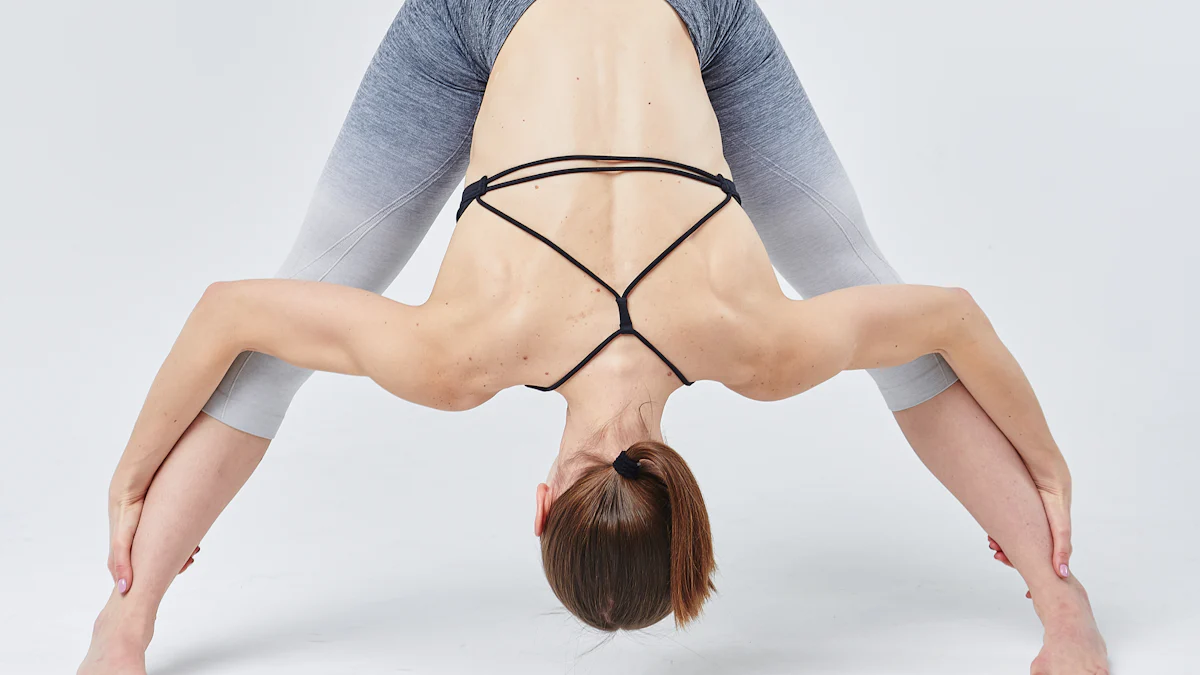
Mastering the most powerful yoga poses can significantly enhance your physical and mental well-being. You’ll notice improvements in strength, flexibility, and focus. Incorporating these poses into your daily routine transforms not just your practice but your entire day. Embracing this journey of mastery fosters personal growth, helping you connect deeper with yourself. As you progress, you’ll find that each pose teaches you something new about resilience and balance.
Key Takeaways
Mastering powerful yoga poses enhances both physical strength and flexibility, leading to a more resilient body.
Regular practice of yoga improves mental clarity and focus, helping you tackle daily challenges with a clearer mindset.
Incorporating yoga into your daily routine promotes overall well-being, fostering a sense of calm and balance in your life.
Consistency is crucial; aim for at least 15-30 minutes of practice each day to see significant improvements.
Listening to your body is essential; adjust poses as needed to prevent injury and enhance your practice.
Creating a conducive practice environment can enhance your focus and overall yoga experience.
Finding a supportive teacher can provide valuable guidance and help you safely master challenging poses.
The Importance of Most Powerful Yoga Poses
Enhancing Strength and Flexibility
You’ll find that mastering the most powerful yoga poses significantly boosts your strength and flexibility. Each pose challenges your muscles, pushing them to adapt and grow. For instance, poses like Warrior II and Bridge Pose engage multiple muscle groups, helping you build a strong foundation. Research shows that regular practice enhances effectiveness in various areas, including balance and posture. As you progress, you’ll notice how your body becomes more resilient and agile.
Boosting Mental Clarity and Focus
Yoga isn’t just about physical strength; it also sharpens your mind. When you practice powerful poses, you cultivate mental clarity and focus. Engaging in poses like Crow Pose requires concentration and patience. This focus translates into your daily life, helping you tackle challenges with a clearer mindset. Studies highlight that yoga improves mental health by reducing stress levels and enhancing emotional resilience. You’ll find that the more you practice, the better you can manage distractions and maintain your attention.
Promoting Overall Well-Being
Incorporating powerful yoga poses into your routine promotes overall well-being. These poses not only strengthen your body but also nurture your spirit. You’ll experience a sense of calm and balance that extends beyond your mat. Regular practice leads to increased cardiovascular fitness and improved muscular strength. As you embrace this journey, you’ll notice a positive shift in your mood and energy levels. Yoga truly enhances your quality of life, making you feel more connected to yourself and the world around you.
Key Most Powerful Yoga Poses to Master
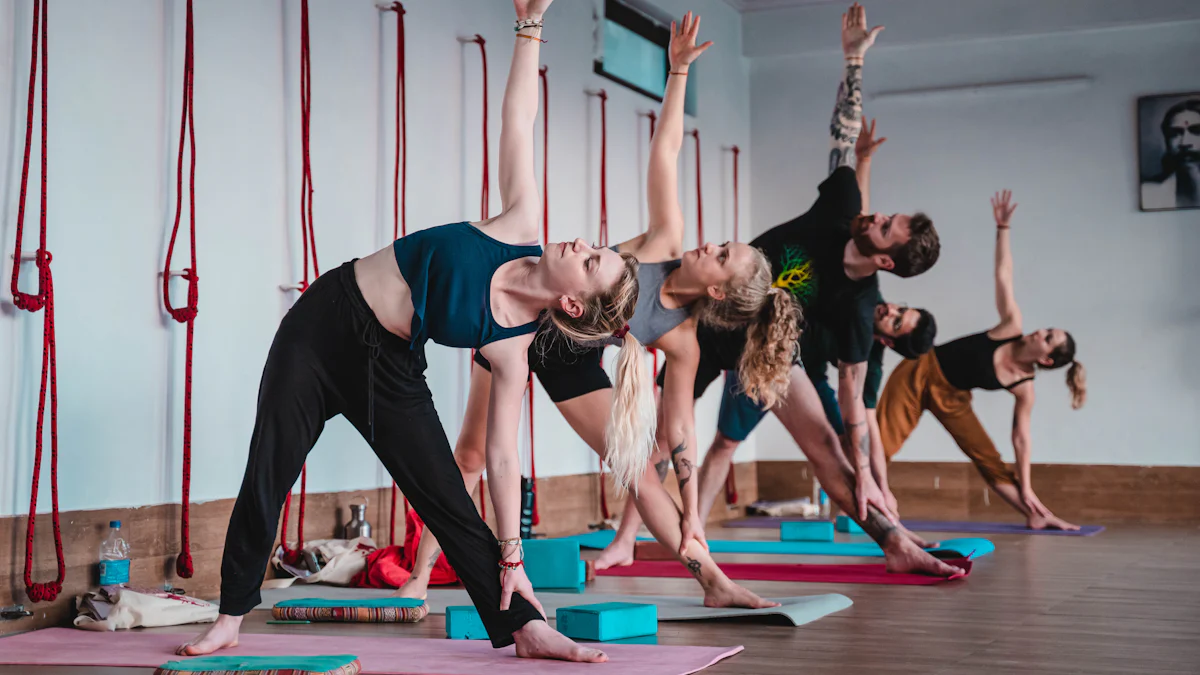
Warrior II (Virabhadrasana II)
Warrior II stands as one of the most powerful yoga poses you can master. This pose strengthens your legs, opens your hips, and stretches your arms. To get into Warrior II, start in a standing position. Step one foot back while bending your front knee. Keep your back leg straight and your arms extended parallel to the ground. Focus your gaze over your front hand.
This pose not only builds physical strength but also enhances your mental focus. As you hold Warrior II, you cultivate a sense of stability and confidence. You’ll feel empowered as you embody the warrior spirit. Remember, *advanced yoga postures like this one help you build core strength, balance, and emotional resilience*.
Crow Pose (Bakasana)
Crow Pose challenges your balance and builds upper body strength. Begin in a squat position with your feet close together. Place your hands on the mat in front of you, shoulder-width apart. Bend your elbows slightly and lift your hips. Lean forward, placing your knees on your upper arms. Slowly lift your feet off the ground, balancing on your hands.
This pose requires concentration and patience. As you practice Crow Pose, you’ll notice improvements in your focus and mindfulness. You’ll also develop a stronger connection between your mind and body. Practicing arm balances like Crow enhances your ability to remain present and aware.
Bridge Pose (Setu Bandhasana)
Bridge Pose is another essential asana that promotes flexibility and strength. Lie on your back with your knees bent and feet flat on the floor, hip-width apart. Press your feet into the ground as you lift your hips towards the ceiling. Clasp your hands under your back for support.
This pose opens your chest and strengthens your back. You’ll feel a sense of release as you stretch your spine. Regular practice of Bridge Pose can improve your posture and alleviate tension in your body. Engaging in powerful yoga asanas like this one contributes to a strong and healthy body.
Downward Facing Dog (Adho Mukha Svanasana)
Downward Facing Dog is a fundamental pose that offers numerous benefits. This pose stretches your entire body while building strength. Start on your hands and knees. Tuck your toes under and lift your hips towards the ceiling. Your body should form an inverted V shape. Keep your hands shoulder-width apart and your feet hip-width apart. Press your heels towards the ground, feeling the stretch in your calves and hamstrings.
As you hold this pose, focus on your breath. Inhale deeply and exhale slowly. This practice not only enhances flexibility but also calms your mind. You’ll find that Downward Facing Dog helps relieve tension and stress. Many yoga instructors emphasize its importance, stating that it cultivates mindfulness and mental clarity.
"Advanced yoga postures also possess numerous benefits, including flexibility and strength." - Yoga Instructors
Plank Pose (Phalakasana)
Plank Pose is another essential asana that builds core strength and stability. Begin in a push-up position with your hands directly under your shoulders. Keep your body in a straight line from head to heels. Engage your core and hold this position.
This pose challenges your endurance and balance. As you practice Plank Pose, you’ll notice improvements in your overall strength. It requires focus and determination, pushing you to stay present. Many experts agree that practicing challenging poses like Plank enhances your mind-body connection. You’ll develop patience and resilience as you hold the pose.
Incorporating these powerful yoga poses into your routine will elevate your practice. You’ll experience the physical and mental benefits that come with mastering them.
General Tips for Mastering Most Powerful Yoga Poses
Consistency is Key
You need to practice regularly to master the most powerful yoga poses. Consistency builds strength and flexibility over time. Set aside time each day or week for your practice. Even short sessions can make a difference. Aim for at least 15-30 minutes daily. This routine helps your body adapt and grow stronger. Remember, progress takes time, so be patient with yourself.
Finding a Good Teacher
A good teacher can make a world of difference in your yoga journey. Look for someone who inspires you and understands your goals. They should provide clear instructions and adjustments to help you improve. A knowledgeable instructor can guide you through challenging poses safely. They can also offer valuable insights into your practice. As various experts say, “Yoga improves strength and flexibility, and this may lead to better alignment and posture.” A supportive teacher can help you achieve that alignment.
Creating a Conducive Practice Environment
Your practice environment plays a crucial role in your success. Choose a space that feels comfortable and inviting. Keep it clean and free from distractions. Consider using calming elements like candles or soft music. A peaceful atmosphere allows you to focus on your breath and movements. You’ll find that a conducive environment enhances your overall experience.
Incorporating these tips into your routine will help you master the most powerful yoga poses. Stay consistent, seek guidance, and create a space that nurtures your practice.
Listening to Your Body
Listening to your body is crucial in mastering powerful yoga poses. Your body communicates its needs and limits. Pay attention to these signals. When you feel discomfort or pain, it’s your body telling you to adjust or take a break. Ignoring these messages can lead to injury and hinder your progress.
Start by tuning into how each pose feels. Notice the sensations in your muscles and joints. Are you feeling tightness? Is there any strain? If so, modify the pose or ease out of it. You can use props like blocks or straps to support your practice. These tools help you maintain proper alignment without overexerting yourself.
Remember, yoga is not about perfection. It’s about progress and self-discovery. Each time you step onto your mat, you embark on a journey of exploration. Embrace where you are today. Some days, you might feel strong and flexible. Other days, you may need to take it slow. Both experiences are valid.
Expert Testimony:
Various Experts emphasize that “Yoga improves strength and flexibility, and this may lead to better alignment and posture.” This insight highlights the importance of listening to your body. As you practice, you’ll notice how your balance improves over time.
Here are some tips to help you listen to your body effectively:
Practice Mindfulness: Focus on your breath and movements. This awareness helps you connect with your body.
Take Breaks: If you feel fatigued, pause and rest. Allow your body to recover before continuing.
Modify Poses: Don’t hesitate to adjust poses to suit your comfort level. Use variations that feel right for you.
Reflect After Practice: Spend a few moments after your session to reflect on how your body feels. This reflection can guide your future practices.
By listening to your body, you cultivate a deeper connection with yourself. This connection enhances your yoga journey and promotes overall well-being. Trust your instincts, and let your body guide you toward mastery.
Integrating Most Powerful Yoga Poses into Daily Life
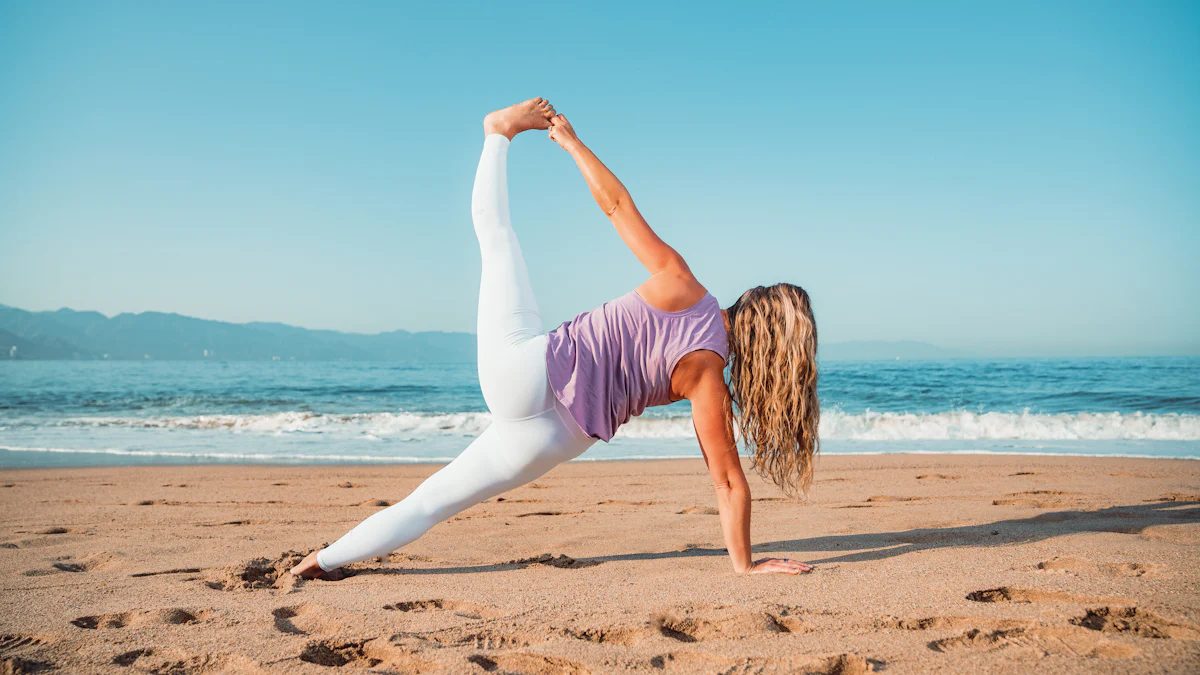
Setting a Regular Practice Schedule
Creating a regular practice schedule helps you stay committed to mastering the most powerful yoga poses. Choose specific days and times that work best for you. Consistency builds strength and flexibility over time. You might start with just 15-30 minutes a day. Gradually increase your practice duration as you become more comfortable.
Consider using a calendar or an app to remind you of your sessions. This way, you’ll treat your practice like an important appointment. Remember, even short sessions can yield significant benefits.
Incorporating Poses into Daily Routines
You can easily incorporate powerful yoga poses into your daily routines. Look for opportunities throughout your day to practice. For example, try doing a few stretches in the morning to wake up your body. You can also practice poses during breaks at work. A quick session can help relieve stress and boost your energy.
Consider integrating poses into your evening routine as well. This practice can help you unwind and prepare for a restful night. You might find that even a few minutes of yoga can enhance your overall well-being.
Survey Results show that 54% of yogis practice to reduce stress. Incorporating yoga into your daily life can help you manage stress effectively.
Mindfulness and Breath Awareness
Mindfulness and breath awareness play crucial roles in your yoga practice. Focus on your breath as you move through each pose. This connection enhances your experience and helps you stay present.
Try to notice how your body feels in each position. Are you tense? Relax your muscles and breathe deeply. This practice not only improves your poses but also calms your mind.
Engaging in mindfulness can lead to a happier and more balanced life. Remember, 43% of practitioners turn to yoga for a happiness boost. By incorporating mindfulness into your routine, you can cultivate a deeper sense of joy and fulfillment.
Regular practice and patience lead you to master the most powerful yoga poses. Each session on your mat builds strength, flexibility, and mental clarity. As you progress, you’ll notice how these poses contribute to your holistic well-being. They enhance your body awareness and help you manage stress effectively. Sharing your experiences with others can enrich your yoga journey. You’ll find inspiration and support in a community that values growth and connection. Embrace this journey, and let each pose guide you toward a deeper understanding of yourself.
FAQ
What are the benefits of practicing powerful yoga poses?
Practicing powerful yoga poses offers numerous benefits. You can enhance your strength, flexibility, and balance. These poses also improve mental clarity and focus. Many practitioners report feeling more connected to their bodies and experiencing reduced stress levels. Research shows that regular yoga practice contributes to overall well-being.
How often should I practice yoga to see results?
Aim for consistency in your practice. You should try to practice yoga at least 15-30 minutes a day. Even short sessions can yield significant benefits. Many yogis find that practicing several times a week leads to noticeable improvements in strength and flexibility.
Can beginners master powerful yoga poses?
Absolutely! Beginners can start with foundational poses and gradually work their way up. Focus on building strength and flexibility first. As you gain confidence, you can incorporate more powerful poses into your routine. Remember, progress takes time, so be patient with yourself.
How can I stay motivated to practice yoga regularly?
Staying motivated can be challenging. Here are some tips to help you:
Set specific goals for your practice.
Find a yoga buddy to practice with.
Explore different styles of yoga to keep things fresh.
Keep a journal to track your progress and reflect on your experiences.
What should I do if I feel pain during a pose?
Listening to your body is crucial. If you feel pain, ease out of the pose or modify it. Use props like blocks or straps for support. Remember, yoga is about progress, not perfection. If pain persists, consider consulting a yoga instructor or healthcare professional.
How can I integrate yoga into my daily life?
You can easily incorporate yoga into your daily routine. Try doing a few stretches in the morning to wake up your body. Practice poses during breaks at work or before bed to unwind. Even a few minutes of yoga can enhance your overall well-being.
What role does breath play in yoga practice?
Breath is essential in yoga. Focusing on your breath helps you stay present and enhances your experience. Deep, mindful breathing calms your mind and allows you to connect with your body. Many practitioners find that breath awareness improves their poses and overall practice.
How can I find a good yoga teacher?
Look for a teacher who inspires you and aligns with your goals. Attend a few classes to see if their teaching style resonates with you. A good teacher provides clear instructions and adjustments to help you improve. They should create a supportive environment for your practice.
What if I can’t do a pose perfectly?
Perfection isn’t the goal in yoga. Each practice is a journey of self-discovery. Focus on how each pose feels rather than how it looks. Embrace where you are today. With time and practice, you’ll notice improvements in your abilities.
How does yoga contribute to mental well-being?
Yoga promotes mental well-being by reducing stress and enhancing emotional resilience. Many practitioners report feeling calmer and more centered after their sessions. Studies show that regular yoga practice can lead to higher self-esteem and improved body image. Engaging in mindfulness during yoga helps you cultivate a deeper sense of joy and fulfillment.
See Also
Beginner's Guide to Perfecting Standing Yoga Poses
Unlock Your Inner Power with Third Chakra Poses
Eight Essential Yoga Poses for Successful Weight Loss

Hi my name is Lia and i am your host in this yoga journey in Portugal, Subscribe to our newsletter to receive every week the best of Yoga in Portugal.

We bring back the importance of initiation into womanhood by Roos-Veerle Krijnen & Ella-June Henrard
Welcome to the Women’s Initiation Retreat by Naked Truth Retreats, a transformative journey into the depths of your True Feminine Nature. This retreat invites you to remember the sacredness and wholeness of your being.
Roos-Veerle Krijnen & Ella-June Henrard