How to Land Your Dream Yoga Instructor Job

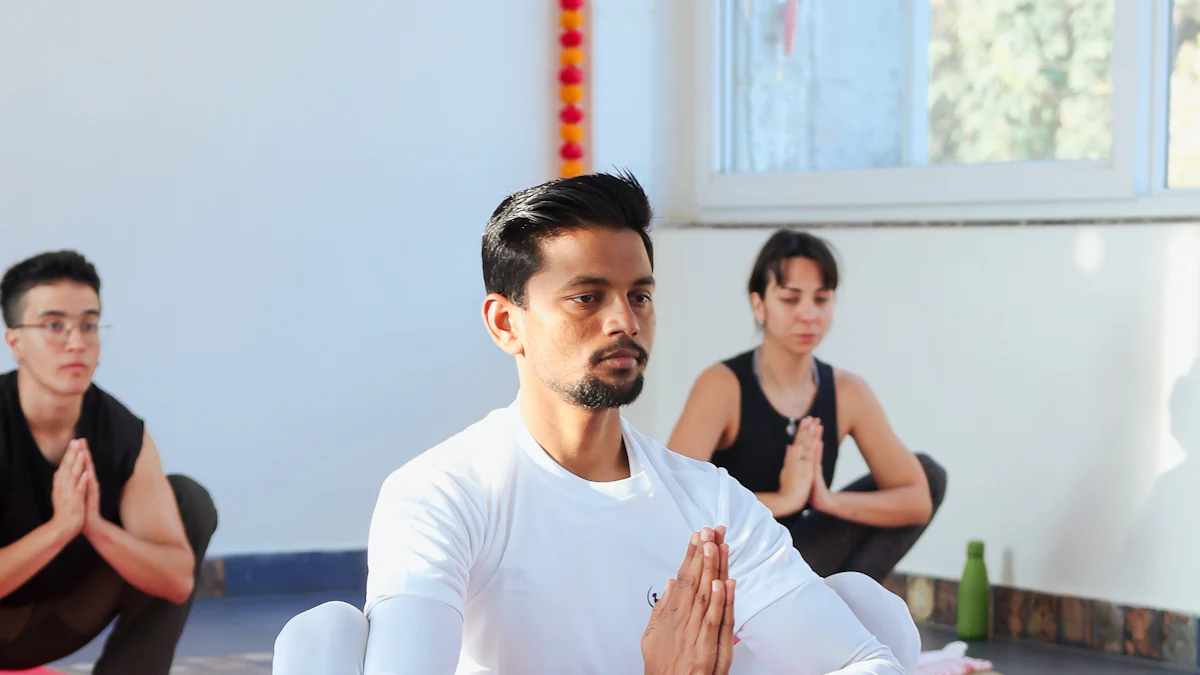
Becoming a yoga instructor opens doors to a fulfilling career. First, you need to understand the qualifications required for this role. Many instructors start with a 200-hour certification, which is essential for most yoga instructor jobs. Next, effective job search techniques can help you find the right opportunities. Networking within the yoga community also plays a crucial role in discovering hidden job openings. Finally, preparing for interviews ensures you make a lasting impression on potential employers.
Key Takeaways
Start your journey with a 200-hour certification, as it's the foundational requirement for most yoga instructor jobs.
Consider pursuing a 500-hour certification to enhance your skills and stand out in a competitive job market.
Utilize online job boards like Indeed.com and Yoga Trade to find targeted job listings that match your qualifications.
Network actively within the yoga community by attending workshops and joining local yoga associations to discover hidden job opportunities.
Craft a standout resume and cover letter that highlight your unique skills, teaching philosophy, and passion for yoga.
Prepare thoroughly for interviews by practicing common questions and demonstrating your teaching style with a sample class.
Follow up with a thank-you note after interviews to express gratitude and reinforce your interest in the position.
Essential Qualifications for Yoga Instructors
To land your dream yoga instructor job, you need to meet certain qualifications. These qualifications often include specific certifications and additional skills that can set you apart from other candidates.
Required Certifications
200-hour and 500-hour Teacher Training Programs
Most yoga instructors start with a 200-hour teacher training program. This certification is essential for many yoga instructor jobs. In fact, about 81.2% of yoga teachers hold this certification. It provides you with the foundational knowledge and skills necessary to teach yoga effectively.
If you want to advance your career, consider pursuing a 500-hour teacher training program. This advanced certification allows you to deepen your practice and teaching abilities. Only 18.8% of instructors have this level of training, which means you can stand out in a competitive job market by obtaining it.
Recognized Accrediting Organizations (e.g., Yoga Alliance)
When choosing a training program, ensure it’s accredited by a recognized organization like Yoga Alliance. This accreditation adds credibility to your qualifications. Employers often look for instructors who have completed programs from reputable organizations. Being part of Yoga Alliance also opens up networking opportunities and resources that can help you in your career.
Additional Skills and Experience
Prior Teaching Experience
Having prior teaching experience can significantly boost your chances of landing a yoga instructor job. If you’ve taught other subjects or led workshops, highlight that experience on your resume. It shows potential employers that you possess valuable skills in communication and leadership.
Specialized Training (e.g., prenatal, restorative yoga)
Consider obtaining specialized training in areas like prenatal yoga or restorative yoga. These niches can make you more appealing to studios and clients looking for specific expertise. Specialized training not only enhances your skills but also broadens your teaching opportunities.
By focusing on these essential qualifications, you can position yourself as a strong candidate for yoga instructor jobs.
Where to Find Yoga Instructor Job Listings
Finding the right yoga instructor job can feel overwhelming, but you have plenty of options. Start by exploring online job boards and local studios. Each avenue offers unique opportunities to connect with potential employers.
Online Job Boards
Indeed.com and SimplyHired
Online job boards like Indeed.com and SimplyHired serve as excellent resources for discovering yoga instructor jobs. You can filter your search by location, job type, and experience level. These platforms list numerous openings, making it easy to find positions that match your qualifications.
Yoga-Specific Job Boards (e.g., Yoga Trade)
For more targeted searches, check out yoga-specific job boards such as Yoga Trade. This platform connects instructors with wellness spaces globally. You’ll find listings that cater specifically to yoga instructors, which can help you land a job that aligns with your passion.
Local Studios and Gyms
Approaching Studios Directly
Don’t underestimate the power of local studios and gyms. Many yoga studios provide excellent opportunities for yoga teachers. You can visit these studios in person to inquire about job openings. Meeting the hiring personnel face-to-face can help you stand out from other applicants. Bring your resume and be ready to discuss your teaching philosophy and experience.
Networking with Gym Managers
Networking plays a crucial role in your job search. Build relationships with gym managers and staff at local fitness centers. They often know about upcoming job openings before they get posted online. Attend classes and events at these gyms to make connections. Engaging with the community can lead to valuable job leads and recommendations.
By utilizing both online resources and local connections, you can increase your chances of finding the perfect yoga instructor job. Stay proactive and open to opportunities that come your way.
Networking Strategies for Yoga Instructors
Building a strong network in the yoga community can open doors to exciting opportunities. You can connect with fellow instructors, studio owners, and potential employers. Here are some effective strategies to help you expand your network.
Building Relationships in the Yoga Community
Attending Workshops and Yoga Events
Participating in workshops and yoga events is a fantastic way to meet people in the industry. These gatherings allow you to learn new techniques and share experiences with other instructors. You can also gain insights into different teaching styles and philosophies.
When you attend these events, engage with others. Ask questions and share your journey. This approach not only helps you learn but also builds rapport with fellow attendees. Remember, yoga instructors act as role models. By demonstrating your commitment to the practice, you inspire others and create lasting connections.
Joining Yoga Associations (e.g., local yoga groups)
Consider joining local yoga associations or groups. These organizations often host events, classes, and networking opportunities. Being part of a community can enhance your visibility and credibility. You’ll meet like-minded individuals who share your passion for yoga.
Membership in these associations can also provide access to resources and job listings. Many studios look for instructors who are active in their communities. By joining, you position yourself as a dedicated professional in the field.
Leveraging Social Media
Social media platforms offer powerful tools for networking. You can showcase your skills and connect with a broader audience. Here’s how to make the most of these platforms.
Creating a Professional Profile on Platforms like Instagram
Start by creating a professional profile on platforms like Instagram. Share your teaching style, yoga tips, and personal insights. Use high-quality images and engaging captions to attract followers. This approach helps you build a personal brand that reflects your unique voice as an instructor.
Don’t forget to use relevant hashtags to increase your visibility. Engage with your followers by responding to comments and messages. This interaction fosters a sense of community and encourages others to connect with you.
Engaging with the Yoga Community Online
Engagement goes beyond posting content. Actively participate in discussions within the yoga community online. Follow other instructors, comment on their posts, and share valuable insights. This interaction can lead to collaborations and job opportunities.
Remember, active listening is crucial. Pay attention to what others say and respond thoughtfully. This practice builds credibility and strengthens your relationships. As you connect with others, you’ll find that many opportunities arise from these interactions.
By implementing these networking strategies, you can enhance your chances of landing yoga instructor jobs. Building relationships and leveraging social media will set you apart in a competitive field.
Crafting a Standout Resume and Cover Letter
Creating a standout resume and cover letter can make a significant difference in your job search. These documents serve as your first impression, so you want them to reflect your skills and passion for yoga. Let’s dive into the key elements that will help you shine.
Key Elements of a Yoga Instructor Resume
Your resume should highlight your relevant experience and skills. Focus on what makes you unique as a yoga instructor.
Highlighting Relevant Experience and Skills
Start by listing your teaching experience. Include any classes you’ve taught, workshops you’ve led, or even volunteer work related to yoga. Use bullet points to make this information easy to read. For example:
Taught Hatha yoga classes at XYZ Studio for over two years.
Led community yoga workshops focusing on mindfulness and relaxation techniques.
Next, emphasize your skills. Think about what you excel at. Do you have strong communication skills? Are you great at creating a welcoming environment for students? Make sure to include these attributes.
Including Certifications and Training
Don’t forget to showcase your certifications. List your 200-hour or 500-hour teacher training programs. Mention any specialized training, like prenatal or restorative yoga. This information adds credibility to your resume. Employers look for instructors with solid training backgrounds.
Writing an Effective Cover Letter
Your cover letter should complement your resume. It’s your chance to express your personality and passion for yoga. Personalize your approach for each application to stand out.
Personalizing Your Approach for Each Application
Avoid using a generic cover letter. Tailor your message to the specific studio or gym. Research their values and teaching styles. Mention why you want to work there and how you align with their mission. This shows employers that you care about the position.
For example, you might say, “I admire your studio’s commitment to community wellness and would love to contribute my skills in restorative yoga to your team.” This personal touch can make a lasting impression.
Showcasing Your Passion for Yoga and Teaching
Let your enthusiasm shine through in your cover letter. Share your journey in yoga and what inspires you to teach. Talk about your teaching philosophy and how you connect with students.
“Yoga transformed my life, and I want to share that gift with others.” This kind of statement resonates with hiring managers. It shows them that you’re not just looking for a job; you’re passionate about making a difference.
By crafting a standout resume and cover letter, you position yourself as a strong candidate for yoga instructor jobs. Take the time to personalize your documents and showcase your unique skills.
Preparing for Yoga Instructor Interviews
Getting ready for your yoga instructor interview can feel daunting. You want to make a great impression and show that you’re the right fit for the studio or gym. Let’s break down some common interview questions and how to demonstrate your teaching style effectively.
Common Interview Questions
Typical Questions to Expect (e.g., teaching philosophy)
During your interview, expect questions about your teaching philosophy. Interviewers often want to know how you approach yoga and what you believe is essential for your students. They might ask:
What does yoga mean to you?
How do you create a welcoming environment for your students?
What styles of yoga do you prefer to teach, and why?
These questions help interviewers gauge your passion and alignment with their studio's values.
How to Answer Effectively
When answering these questions, be authentic. Share your personal experiences and insights. For example, if you emphasize community in your teaching, explain how you foster connections among students. Use specific examples from your past classes to illustrate your points. This approach not only shows your expertise but also makes your answers memorable.
Demonstrating Your Teaching Style
Preparing a Sample Class to Showcase Skills
Many studios may ask you to prepare a sample class. This request allows you to showcase your teaching style and skills. Choose a class format that reflects your strengths.
Consider these tips for your sample class:
Plan a Clear Structure: Outline the flow of your class. Include warm-ups, main poses, and cool-downs.
Engage Your Audience: Think about how you will interact with your students. Use clear instructions and encourage questions.
Incorporate Your Unique Touch: Whether it’s a specific theme or a favorite pose, let your personality shine through.
Practicing your sample class beforehand can help you feel more confident.
Engaging with Interviewers During the Process
Engagement during your interview is crucial. Make eye contact and smile. Show enthusiasm for the opportunity. When demonstrating your teaching style, invite feedback from the interviewers. Ask them if they have any specific requests or preferences for the class. This interaction not only showcases your flexibility but also builds rapport with potential employers.
By preparing for common interview questions and demonstrating your teaching style, you position yourself as a strong candidate for yoga instructor jobs. Remember, interviews are as much about showcasing your personality as they are about your qualifications.
Following Up After Interviews
Importance of Thank You Notes
After your interview, sending a thank-you note can make a big difference. It shows your appreciation and keeps you fresh in the interviewer's mind. In fact, 80% of hiring managers say that receiving a thank-you note affects their decision-making process. Among them, 22% state it has a significant impact. So, don’t skip this step!
When to Send Them After an Interview
Aim to send your thank-you note within 24 hours of your interview. This quick response demonstrates your enthusiasm for the position. Use this time to reflect on your conversation and think about what stood out during the interview.
What to Include in Your Note
Your thank-you note should be thoughtful and personal. Here are some key elements to include:
Express Gratitude: Start by thanking the interviewer for their time and the opportunity to discuss the yoga instructor job.
Mention Specifics: Reference something specific from your conversation. This shows you were engaged and attentive. For example, if you discussed a particular teaching method, mention how you resonate with it.
Reiterate Interest: Clearly state your interest in the position. Let them know you’re excited about the possibility of joining their team.
A well-crafted thank-you note can tilt the scales in your direction, especially if it builds on the conversation you had during the interview.
Staying Connected
Maintaining connections after your interview can open doors for future opportunities. You never know when a position might become available, so staying in touch is crucial.
Maintaining Professional Relationships Post-Interview
Keep the lines of communication open. Follow up with a brief email every few months. Share updates about your yoga journey or any new certifications you’ve earned. This keeps you on their radar and shows your commitment to growth in the field.
Checking In on Future Opportunities
If you don’t hear back after your interview, don’t hesitate to check in. A polite email asking about the status of your application shows your continued interest. You can also inquire about any upcoming opportunities. This proactive approach can set you apart from other candidates.
By following up after interviews and staying connected, you enhance your chances of landing yoga instructor jobs. Remember, building relationships is key in this industry.
Securing yoga instructor jobs requires a mix of qualifications and networking. You must invest time in building your skills and connecting with others in the community. Take proactive steps in your job search. Attend workshops, engage on social media, and reach out to studios directly. Remember, persistence and passion drive success. Your love for yoga can inspire others and create opportunities. Keep pushing forward, and you will land that dream job.
FAQ
How do you go about getting certified as a yoga instructor?
To become a certified yoga instructor, start by practicing yoga for several years. This personal experience lays the foundation for your training. Next, choose between a 200-hour or 500-hour certification program based on your goals. Before selecting a program, think about the type of yoga you want to teach. Complete your training with a registered yoga school, get CPR/AED and first aid certified, and become a registered yoga teacher with Yoga Alliance. You’ll also need strong business and organizational skills, along with a flexible schedule. For specialized forms of yoga, like Bikram or Anusara, you’ll need additional training.
How much time and hard work does it take to become a qualified yoga instructor?
The time and effort required to become a qualified yoga instructor vary. Some training programs last only a few weeks, while others can take months or even years. Choose a program that fits your needs and goals. Becoming a yoga instructor demands dedication and a passion for sharing yoga with others. You’ll help students grow physically, mentally, and spiritually through your teaching.
What are some common questions that arise for aspiring yoga teachers?
Aspiring yoga teachers often wonder about their target audience. If you plan to teach at a gym or local studio, most require a Yoga Alliance-approved certification, such as a 200-hour or 300-hour program. Some studios may even ask you to complete their specific teacher training. Understanding these requirements helps you prepare for your teaching journey.
What is required to conduct yoga classes and become a yoga teacher?
Conducting yoga classes requires a strong commitment to both the physical and philosophical aspects of yoga. You need to complete a comprehensive teacher training program and gain experience. Continuously deepening your personal practice is essential. Good communication skills, patience, and the ability to create a safe environment for all students are crucial. While teaching can be rewarding, it also presents physical and emotional challenges.
Can I teach yoga without a certification?
While you might have the skills to teach yoga, many studios and gyms require certification. Having a recognized certification not only enhances your credibility but also assures students of your training. If you want to teach professionally, pursuing certification is the best route.
What styles of yoga should I consider teaching?
Consider teaching styles that resonate with you. Popular options include Hatha, Vinyasa, Ashtanga, and Restorative yoga. If you have a passion for a specific style, pursue training in that area. Your enthusiasm will shine through in your classes, attracting students who share your interests.
How can I gain experience as a new yoga instructor?
Gaining experience as a new yoga instructor can be challenging but rewarding. Start by offering free classes to friends or family. You can also volunteer at local studios or community centers. This approach helps you build confidence and refine your teaching style. Additionally, attending workshops can provide valuable insights and networking opportunities.
What should I include in my yoga instructor resume?
Your yoga instructor resume should highlight relevant experience, certifications, and skills. Include any teaching experience, workshops led, and specialized training. Use bullet points for clarity. Don’t forget to showcase your unique qualities, such as communication skills and your ability to create a welcoming environment.
How can I stand out in a competitive job market?
To stand out in a competitive job market, focus on building a strong personal brand. Use social media to showcase your teaching style and connect with potential employers. Attend workshops and networking events to meet others in the industry. Your passion for yoga and commitment to growth will set you apart from other candidates.
What are some tips for preparing for a yoga instructor interview?
When preparing for a yoga instructor interview, research the studio or gym. Understand their values and teaching styles. Be ready to discuss your teaching philosophy and how you connect with students. Practice answering common interview questions and prepare a sample class to demonstrate your skills. Engaging with interviewers during the process can leave a lasting impression.
See Also
Comprehensive Pathway to Achieving Yoga Instructor Certification
Starting Your Yoga Adventure: A Beginner's Guide
Tips for Selecting the Perfect Yoga Studio for You

Hi my name is Lia and i am your host in this yoga journey in Portugal, Subscribe to our newsletter to receive every week the best of Yoga in Portugal.

We bring back the importance of initiation into womanhood by Roos-Veerle Krijnen & Ella-June Henrard
Welcome to the Women’s Initiation Retreat by Naked Truth Retreats, a transformative journey into the depths of your True Feminine Nature. This retreat invites you to remember the sacredness and wholeness of your being.
Roos-Veerle Krijnen & Ella-June Henrard