How to Begin a Simple Yoga Routine

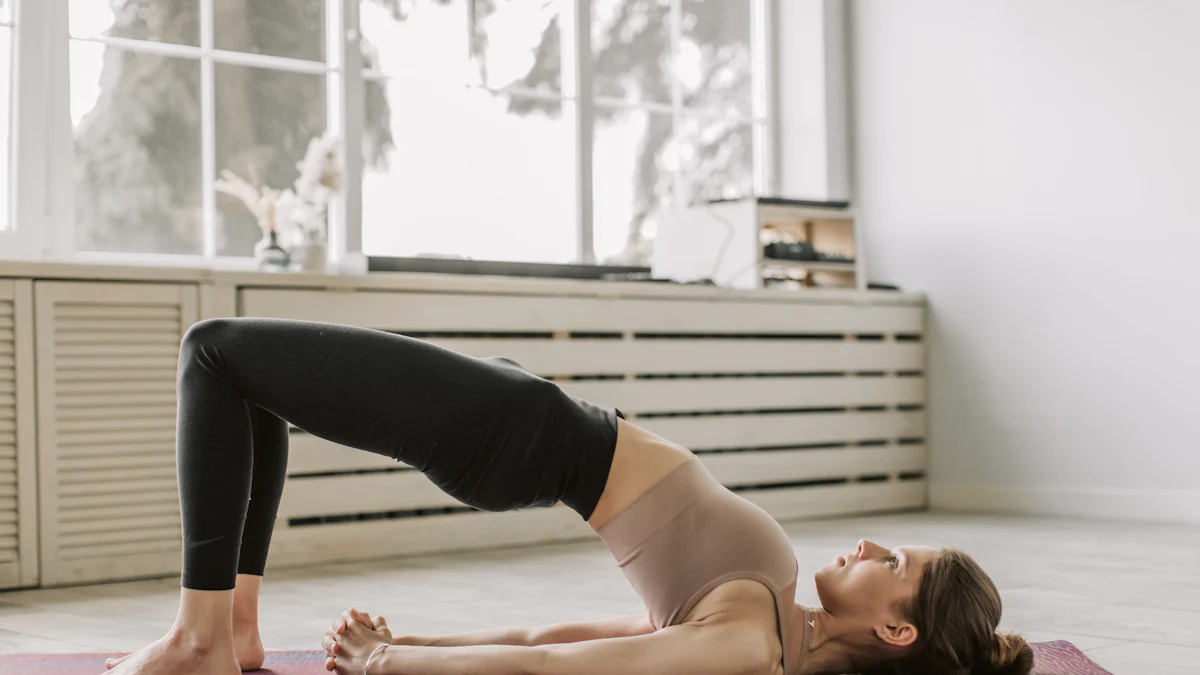
Yoga is a wonderful way to enhance both your physical and mental well-being. By understanding the basics of yoga, you can start a journey that offers numerous benefits. Many people find that yoga helps them feel stronger and more flexible. In fact, 91.6% of practitioners report improved flexibility. Starting a basic yoga routine can also reduce stress and improve sleep. It's important to begin with small, simple steps. This approach makes it easier to stick with your practice and enjoy the positive changes yoga brings to your life.
Preparing for Your Yoga Journey
Embarking on a yoga journey can feel exciting and a bit overwhelming. But don't worry! With the right preparation, you can set yourself up for success. Let's dive into how you can get started with a basic yoga routine.
Setting Realistic Goals
Understanding your personal objectives
Before you roll out your mat, take a moment to think about why you want to start a basic yoga routine. Are you looking to increase flexibility, reduce stress, or maybe improve your overall well-being? Knowing your personal objectives helps you stay focused and motivated. Remember, yoga is a personal journey, and your goals should reflect what you truly want to achieve.
Importance of achievable milestones
Setting small, achievable milestones is key to maintaining motivation. Instead of aiming to master complex poses right away, start with foundational ones. Celebrate each milestone, like holding a pose for a few more seconds or feeling more relaxed after a session. These small victories build confidence and keep you moving forward.
Creating a Comfortable Space
Choosing the right location
Your yoga space should feel inviting and peaceful. Whether it's a corner of your living room or a spot in your backyard, choose a location where you can focus without distractions. Make sure there's enough room to stretch out and move freely. A calm environment enhances your practice and helps you connect with your basic yoga routine.
Gathering necessary equipment
You don't need much to start a basic yoga routine. A good yoga mat provides cushioning and grip. If you're practicing on a hard floor, consider a thicker mat for extra comfort. Blocks and straps can assist with flexibility and alignment, especially for beginners. Keep a water bottle nearby to stay hydrated. As you progress, you might explore additional props, but starting simple is perfectly fine.
Experienced Yoga Instructor: "A qualified yoga teacher can answer your questions during your class, as well as help you achieve the proper posture for each pose with individualized cues and hands-on adjustments."
Consider taking a beginner class or following online tutorials. An experienced instructor can guide you through poses and breathing techniques, ensuring you practice safely and effectively. Their insights can be invaluable as you establish your basic yoga routine.
Learning Basic Yoga Poses
Starting with Foundational Poses
Getting started with yoga involves learning some foundational poses. These poses form the building blocks of your practice and help you develop strength and flexibility.
Mountain Pose
Mountain Pose, or Tadasana, is a great starting point. Stand tall with your feet together and arms by your sides. Press your feet into the ground and lengthen your spine. This pose helps you improve posture and balance. It also encourages mindfulness as you focus on your breath and body alignment.
Downward Dog
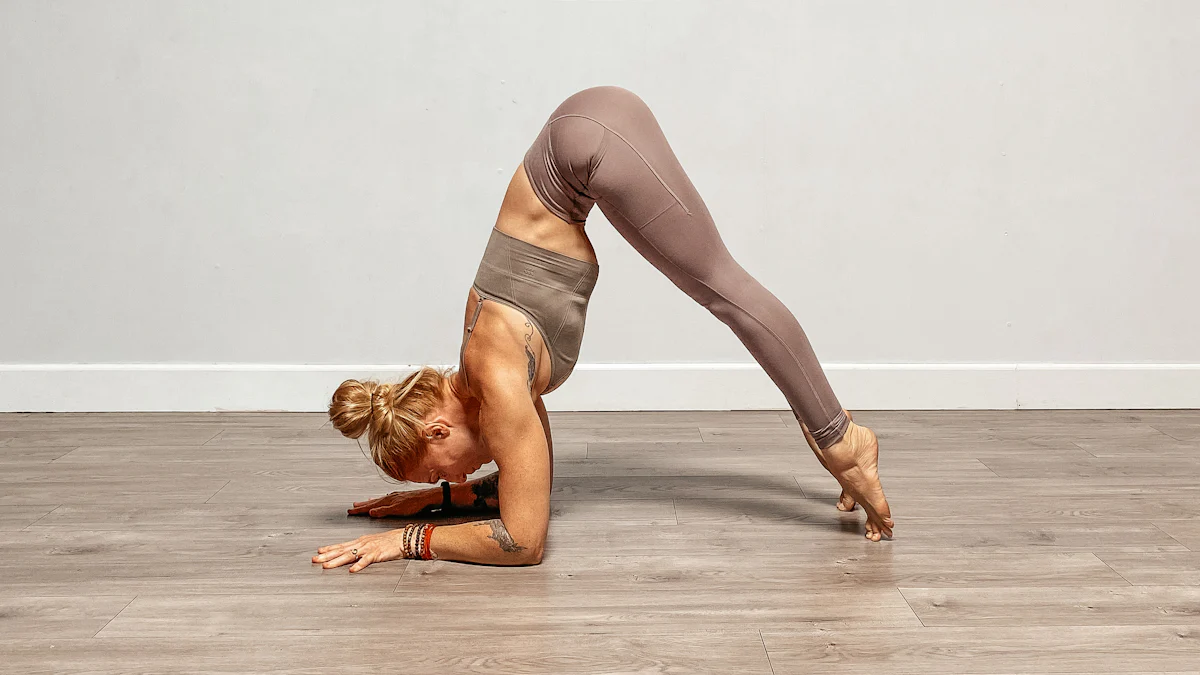
Downward Dog, or Adho Mukha Svanasana, is another essential pose. Begin on your hands and knees, then lift your hips to form an inverted V-shape. Keep your hands shoulder-width apart and feet hip-width apart. This pose stretches your hamstrings and calves while strengthening your arms and shoulders. It also helps calm the mind and relieve stress.
Incorporating Breathing Techniques
Breathing is a vital part of yoga. It connects your mind and body, enhancing the benefits of each pose.
Importance of Breath in Yoga
Breath, or pranayama, plays a crucial role in yoga. It helps you stay present and focused during your practice. Proper breathing can reduce stress and anxiety, promoting a sense of calm and well-being. According to research, yoga improves mental health by reducing stress and increasing positive self-esteem.
Simple Breathing Exercises
Start with simple breathing exercises to enhance your yoga routine. Try deep belly breathing: inhale deeply through your nose, letting your belly expand, then exhale slowly. This exercise helps you relax and center your mind. Practicing these techniques regularly can improve your overall mental and emotional health, as shown in studies on yoga's benefits.
By mastering these basic poses and breathing techniques, you lay a strong foundation for your yoga journey. Remember, yoga is about progress, not perfection. Enjoy each step of your practice and embrace the positive changes it brings to your life.
Building a Consistent Routine
Creating a consistent yoga routine is key to reaping the full benefits of your practice. It helps you stay committed and allows you to experience the transformative effects of yoga on both your body and mind.
Scheduling Your Practice
Finding the right time for your yoga practice can make all the difference. You want to choose a time that fits seamlessly into your daily life.
Finding the Best Time for You
Consider your daily schedule and energy levels. Some people find morning yoga invigorating, setting a positive tone for the day. Others prefer evening sessions to unwind and relax. Experiment with different times to see what feels best for you. Remember, consistency is more important than the specific time of day.
Creating a Weekly Plan
Once you've identified your ideal practice time, create a weekly plan. Aim for at least two to three sessions per week. This frequency helps build strength and flexibility gradually. Write down your schedule and treat these sessions as important appointments with yourself. A structured plan keeps you accountable and motivated.
Staying Motivated
Maintaining motivation can be challenging, but it's crucial for a lasting yoga practice. Here are some strategies to keep you inspired.
Tracking Your Progress
Keep a journal or use an app to track your progress. Note how you feel before and after each session. Record any improvements in flexibility, strength, or mental clarity. Seeing your progress over time can boost your motivation and remind you of the benefits you're gaining.
"In consistently showing up to my mat three days a week, I have noticed a deeper sense of connection with my body and its needs," shares Sarah C. from Evanston. This reflection highlights the importance of regular practice in enhancing self-awareness and well-being.
Rewarding Yourself for Consistency
Celebrate your dedication by rewarding yourself. Treat yourself to a new yoga mat, a relaxing bath, or a favorite healthy snack after reaching a milestone. Rewards reinforce positive behavior and make your practice more enjoyable.
"Yoga has allowed me to become much more balanced and even in my living and emotions," says an anonymous practitioner. This personal account underscores the profound impact of a consistent yoga routine on emotional balance and overall health.
By building a consistent routine, you create a strong foundation for your yoga journey. Embrace the process, and enjoy the positive changes it brings to your life.
Starting a yoga routine is a powerful step towards enhancing your physical and mental well-being. As you continue your practice, you'll discover the profound benefits it brings to your life. Many practitioners, like Ashton, have realized the increasing importance of yoga in daily life. Yoga not only helps manage stress but also boosts confidence and emotional balance. "Yoga changed my life a lot," shares Tabansi Sandra, highlighting its positive effects on body awareness and strength. Embrace this journey, and enjoy the long-term benefits of a consistent yoga practice. Keep growing, and let yoga transform your life.
See Also
Starting Chair Yoga for Novices
Path Yoga: Simple Home Practice Guide
Grasping Hatha Yoga Fundamentals

Hi my name is Lia and i am your host in this yoga journey in Portugal, Subscribe to our newsletter to receive every week the best of Yoga in Portugal.

We bring back the importance of initiation into womanhood by Roos-Veerle Krijnen & Ella-June Henrard
Welcome to the Women’s Initiation Retreat by Naked Truth Retreats, a transformative journey into the depths of your True Feminine Nature. This retreat invites you to remember the sacredness and wholeness of your being.
Roos-Veerle Krijnen & Ella-June Henrard