How to Become a Yoga Instructor in the UK: A Step-by-Step Guide

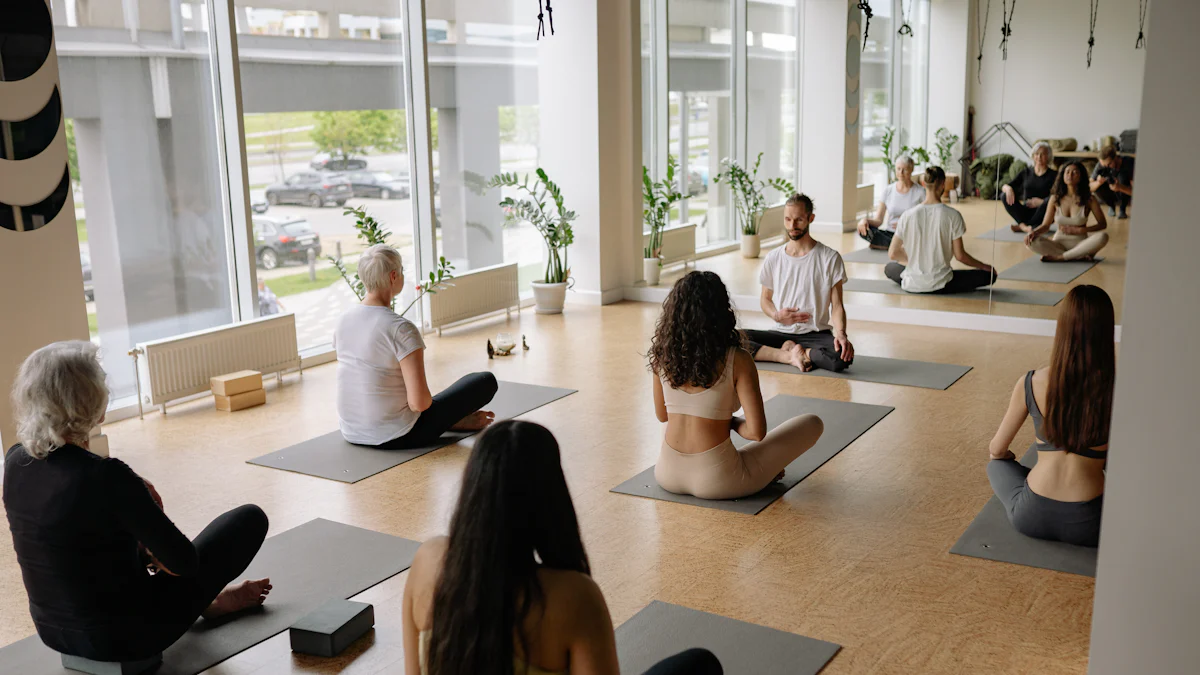
Becoming a yoga instructor in the UK offers you a fulfilling career path. As a yoga instructor, you guide individuals on their journey to physical and mental well-being. Yoga's popularity in the UK has surged, with up to 460,000 Brits participating in classes weekly. This demand creates numerous yoga instructor positions across the country. With approximately 4,900 yoga studios offering between 20,000 and 30,000 classes each week, you have ample opportunities to share your passion for yoga and make a positive impact on people's lives.
Understanding the Role of a Yoga Instructor
Responsibilities and Duties
As a yoga instructor, you hold a pivotal role in guiding students through their yoga journey. Your responsibilities extend beyond merely demonstrating poses. You create an environment that fosters growth and well-being.
Teaching Yoga Classes
Teaching yoga classes involves more than just leading exercises. You talk students through various poses, ensuring they understand the movements and their benefits. Clear communication is essential, especially in a fast-paced class setting. You must be conscious of your wording to provide precise instructions. Encouragement plays a significant role as well. You motivate students, helping them push their boundaries while respecting their limits.
Developing Lesson Plans
Developing lesson plans requires creativity and understanding of your students' needs. You design classes that cater to different skill levels, ensuring everyone benefits. Lesson plans should incorporate a balance of physical postures, breathing exercises, and relaxation techniques. This approach helps students achieve both physical fitness and mental clarity.
Skills and Qualities Required
To excel as a yoga instructor, you need a blend of skills and personal qualities. These attributes enable you to connect with students and deliver effective classes.
Communication Skills
Strong communication skills are vital. You must articulate instructions clearly and adapt your communication style to suit different learners. Listening is equally important. By understanding students' concerns and feedback, you can tailor your teaching to meet their needs.
Various Experienced Yoga Instructors highlight the importance of communication: "Yoga teachers literally talk their students through the various poses while encouraging them along the way."
Physical Fitness
Physical fitness is a fundamental requirement for yoga instructors. You demonstrate poses and sequences, showcasing proper form and technique. Maintaining your own practice is crucial. It not only keeps you fit but also deepens your understanding of yoga. This commitment to personal practice enhances your credibility and effectiveness as an instructor.
Various Experienced Yoga Instructors emphasise the need for a commitment to personal practice: "The best yoga instructors have a commitment to their own practice and expert knowledge about all that yoga encompasses."
By embracing these responsibilities and honing these skills, you can become a successful yoga instructor, inspiring others on their path to wellness.
Meeting the Prerequisites
Personal Practice and Experience
Regular Yoga Practice
To become a proficient yoga instructor, you must engage in regular yoga practice. This commitment not only enhances your physical fitness but also deepens your understanding of yoga's transformative power. Regular practice helps you experience the benefits firsthand, such as reduced anxiety, improved flexibility, and increased resilience to stress. By maintaining a consistent routine, you embody the principles of yoga, making you a more credible and effective teacher.
Understanding Different Yoga Styles
Familiarity with various yoga styles enriches your teaching repertoire. Each style offers unique benefits and caters to different needs. For instance, Hatha yoga focuses on physical postures, while Vinyasa emphasises flow and breath synchronisation. Understanding these differences allows you to tailor your classes to diverse student preferences. This knowledge also enables you to guide students in choosing the style that best suits their goals and abilities.
Educational Background
Relevant Qualifications
Obtaining relevant qualifications is crucial for establishing your credibility as a yoga instructor. In the UK, completing a minimum of a 200-hour yoga teacher training course registered with Yoga Alliance is typically required. This certification ensures you possess the necessary skills and knowledge to teach effectively. Additionally, the Level 3 Diploma in Teaching Yoga is considered the minimum qualification for yoga teachers in the UK. These credentials not only enhance your teaching abilities but also increase your employability in the competitive yoga industry.
Basic Anatomy Knowledge
A solid understanding of basic anatomy is essential for any yoga instructor. This knowledge helps you guide students safely through poses, preventing injuries and maximising the benefits of each posture. Familiarity with anatomy allows you to modify exercises to accommodate individual needs and limitations. Moreover, it empowers you to explain the physiological effects of yoga, enriching your students' learning experience. By integrating anatomy knowledge into your teaching, you foster a safer and more informed practice environment.
Choosing the Right Yoga Teacher Training Programme
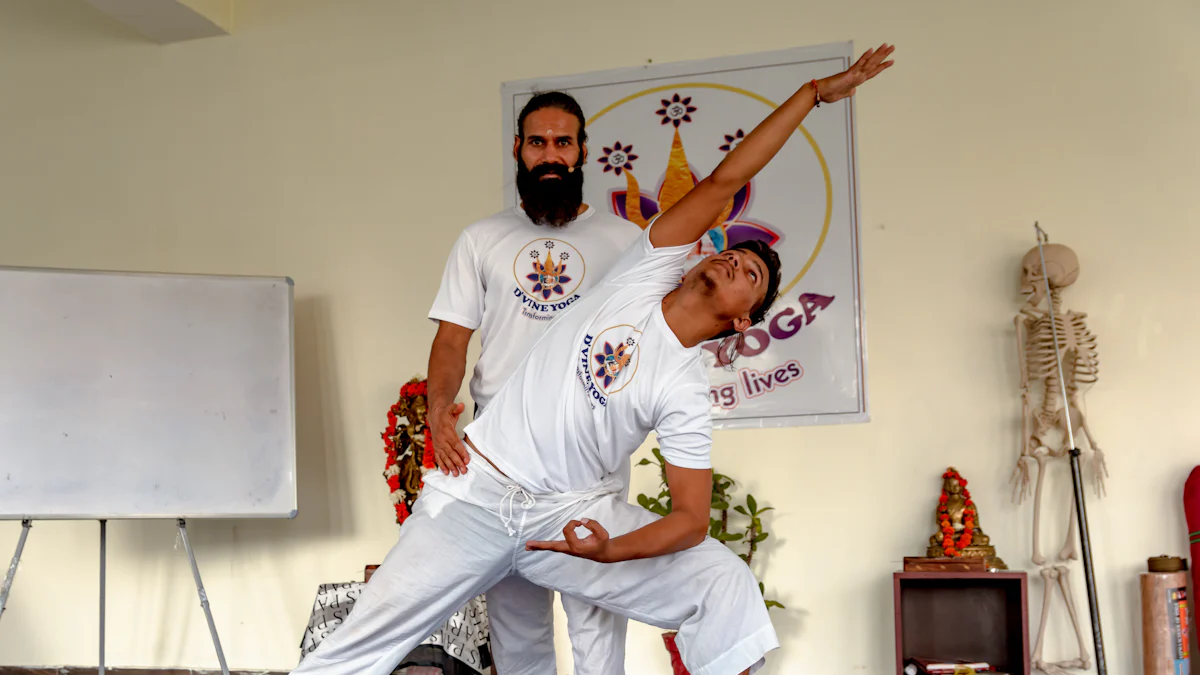
Embarking on your journey to become a yoga instructor requires selecting the right training programme. This decision shapes your teaching style and career trajectory. Understanding the types of programmes and their accreditation ensures you make an informed choice.
Types of Training Programmes
200-Hour Certification
The 200-Hour Certification serves as the foundational step for aspiring yoga instructors. This programme equips you with essential skills and knowledge. You learn about asana, meditation, and yogic breathing. Many institutions, like Yogacampus, offer comprehensive courses that provide an authentic and inclusive learning experience. Completing this certification allows you to teach a broad range of yoga participants, making it a versatile qualification.
Advanced Training Options
For those seeking to deepen their expertise, Advanced Training Options offer further specialisation. These programmes often combine multiple qualifications into a single study path. For instance, the Advanced Yoga Teacher Training Programme includes Ofqual regulated qualifications, recognised by organisations like CIMSPA. Such advanced courses not only enhance your teaching abilities but also accelerate your yoga career. They prepare you to join professional directories, expanding your employment opportunities.
Accreditation and Recognition
Yoga Alliance Standards
Accreditation plays a crucial role in establishing your credibility as a yoga instructor. The Yoga Alliance Standards set the benchmark for quality in yoga teacher training. Enrolling in a programme registered with Yoga Alliance ensures you receive a curriculum that meets international standards. This recognition enhances your employability and assures students of your competence.
UK Accreditation Bodies
In the UK, several accreditation bodies oversee yoga teacher training. These organisations ensure that programmes adhere to high educational standards. Completing a course accredited by a UK body, such as YMCA Awards, provides you with a recognised qualification. This recognition is vital for obtaining insurance and gaining credibility in the competitive yoga industry. By choosing an accredited programme, you position yourself as a qualified and trustworthy yoga instructor.
Selecting the right yoga teacher training programme is a pivotal step in your journey. By understanding the types of programmes and their accreditation, you can make an informed decision that aligns with your career goals.
Completing the Training and Certification
Embarking on your journey to become a yoga instructor involves completing essential training and certification. This process equips you with the skills and knowledge needed to teach yoga effectively.
Training Components
Practical Teaching Experience
Practical teaching experience forms a crucial part of your training. You will engage in hands-on sessions where you lead classes under supervision. This experience helps you develop confidence and refine your teaching techniques. By practising in real-world settings, you learn to manage class dynamics and address student needs effectively. Practical experience also allows you to receive feedback from experienced instructors, which is invaluable for your growth.
Theoretical Knowledge
Theoretical knowledge complements your practical training. You will study various aspects of yoga, including its history, philosophy, and principles. Understanding these elements enriches your teaching and enables you to convey the essence of yoga to your students. You will also delve into anatomy and physiology, which are vital for guiding students safely through poses. This knowledge empowers you to explain the benefits of yoga and tailor classes to individual needs.
Certification Process
Assessment and Evaluation
Assessment and evaluation are integral to the certification process. You will undergo evaluations to demonstrate your proficiency in teaching yoga. These assessments typically include practical demonstrations and written exams. They ensure you meet the standards set by recognised bodies, such as the Yoga Alliance and UK accreditation organisations. Successfully passing these evaluations confirms your readiness to teach yoga professionally.
Obtaining Certification
Obtaining certification marks the culmination of your training journey. Upon successful completion of assessments, you receive a certificate that qualifies you to teach yoga. This certification is essential for gaining credibility and securing insurance coverage. In the UK, the Level 3 Diploma in Yoga Teaching is a widely recognised qualification. It provides the necessary credentials to embark on your career as a yoga instructor. With your certification in hand, you are ready to inspire and guide others on their yoga journey.
Starting Your Career as a Yoga Instructor

Embarking on your career as a yoga instructor opens up a world of opportunities. You can choose from various employment options and build a professional network that supports your growth.
Finding Employment Opportunities
Yoga Studios and Gyms
Yoga studios and gyms offer a structured environment for new instructors. You can gain valuable experience by teaching regular classes. These venues often provide a steady stream of students, allowing you to hone your teaching skills. When applying for positions, highlight your training and any unique styles you teach. Lucas Rockwood, a seasoned yoga instructor, emphasises the importance of interviewing skills. He suggests preparing to discuss your teaching style and experience during interviews. This preparation helps you build rapport with potential employers.
Freelance and Private Classes
Freelancing offers flexibility and the chance to tailor classes to individual needs. You can teach private sessions in clients' homes or rent space in community centres. This approach allows you to set your schedule and rates. Marketing yourself effectively is crucial. Use social media and word-of-mouth to attract clients. Highlight your unique offerings and success stories from past students. Freelancing requires self-motivation and business acumen, but it can be rewarding as you build a loyal client base.
Building Your Professional Network
Joining Professional Associations
Joining professional associations connects you with other yoga instructors and industry experts. These organisations offer resources, workshops, and networking events. Membership can enhance your credibility and provide opportunities for continuing education. Associations like the British Wheel of Yoga offer support and guidance for instructors at all stages of their careers. By participating actively, you stay informed about industry trends and best practices.
Attending Yoga Workshops and Events
Workshops and events are excellent for expanding your knowledge and meeting fellow instructors. They offer a platform to learn new techniques and styles. Attending these events keeps you inspired and motivated. You can also share experiences and insights with peers. Various yoga instructors stress the value of networking at such gatherings. Building relationships with other professionals can lead to collaborations and job opportunities. Stay open to learning and connecting with others in the yoga community.
Starting your career as a yoga instructor involves exploring diverse employment opportunities and building a strong professional network. By engaging with studios, freelancing, joining associations, and attending events, you position yourself for success in the vibrant world of yoga.
Exploring Yoga Instructor Positions
Embarking on a career as a yoga instructor opens up diverse opportunities. Understanding the different types of positions available can help you make informed decisions about your career path.
Types of Yoga Instructor Positions
Full-time vs Part-time Roles
As a yoga instructor, you can choose between full-time and part-time roles. Full-time instructors enjoy a guaranteed income and often build a loyal following of regular students. This stability allows you to gain experience in various aspects of teaching and become the first choice for covering additional classes. In contrast, part-time instructors might have another source of income. This flexibility can be appealing if you wish to balance teaching with other commitments. However, part-time roles may limit the variety of yoga styles you can teach due to time constraints.
Specialised Yoga Instructor Positions
Specialisation offers another avenue for career growth. You can focus on specific areas such as prenatal yoga, yoga therapy, or children's yoga. Specialised positions allow you to cater to niche markets and develop expertise in particular styles or student demographics. This focus can enhance your reputation and attract students seeking tailored yoga experiences. By pursuing specialisation, you position yourself as an expert in your chosen field, which can lead to unique teaching opportunities.
Advancing Your Career
Continuing Education
Continuing education plays a vital role in advancing your career as a yoga instructor. Engaging in workshops, courses, and seminars keeps you updated with the latest trends and techniques in yoga. This ongoing learning enhances your teaching skills and broadens your knowledge base. By investing in your education, you demonstrate a commitment to personal and professional growth, which can increase your appeal to potential employers and students alike.
Specialisation Opportunities
Exploring specialisation opportunities can further elevate your career. You might choose to delve deeper into areas like yoga therapy, which involves using yoga to support physical and mental health. Alternatively, you could focus on teaching yoga to specific groups, such as seniors or athletes. Specialisation not only enriches your teaching repertoire but also opens doors to new markets and collaborations. By honing your skills in a specialised area, you can offer unique value to your students and stand out in the competitive yoga industry.
By understanding the various yoga instructor positions and exploring avenues for career advancement, you can carve out a fulfilling and successful path in the world of yoga.
Becoming a yoga instructor in the UK involves several key steps. You start by understanding the role and responsibilities, meeting prerequisites, choosing the right training programme, completing certification, and finally, embarking on your career. This journey offers you a chance to inspire others and grow personally.
A seasoned yoga teacher shares, "Teaching yoga is a deeply humbling, inspiring, and soul-fulfilling experience."
Pursuing a career in yoga allows you to witness your students' growth and transformation. The benefits of being a yoga instructor extend beyond physical fitness; they enrich your life with purpose and connection.
See Also
The Ultimate Guide to Yoga in Primrose Hill, London
The Best Guide to Yoga in Leamington Spa
A Step-by-Step Journey into Yoga Journaling

Hi my name is Lia and i am your host in this yoga journey in Portugal, Subscribe to our newsletter to receive every week the best of Yoga in Portugal.

We bring back the importance of initiation into womanhood by Roos-Veerle Krijnen & Ella-June Henrard
Welcome to the Women’s Initiation Retreat by Naked Truth Retreats, a transformative journey into the depths of your True Feminine Nature. This retreat invites you to remember the sacredness and wholeness of your being.
Roos-Veerle Krijnen & Ella-June Henrard