How to Be Yoga Teacher Training That Fits You

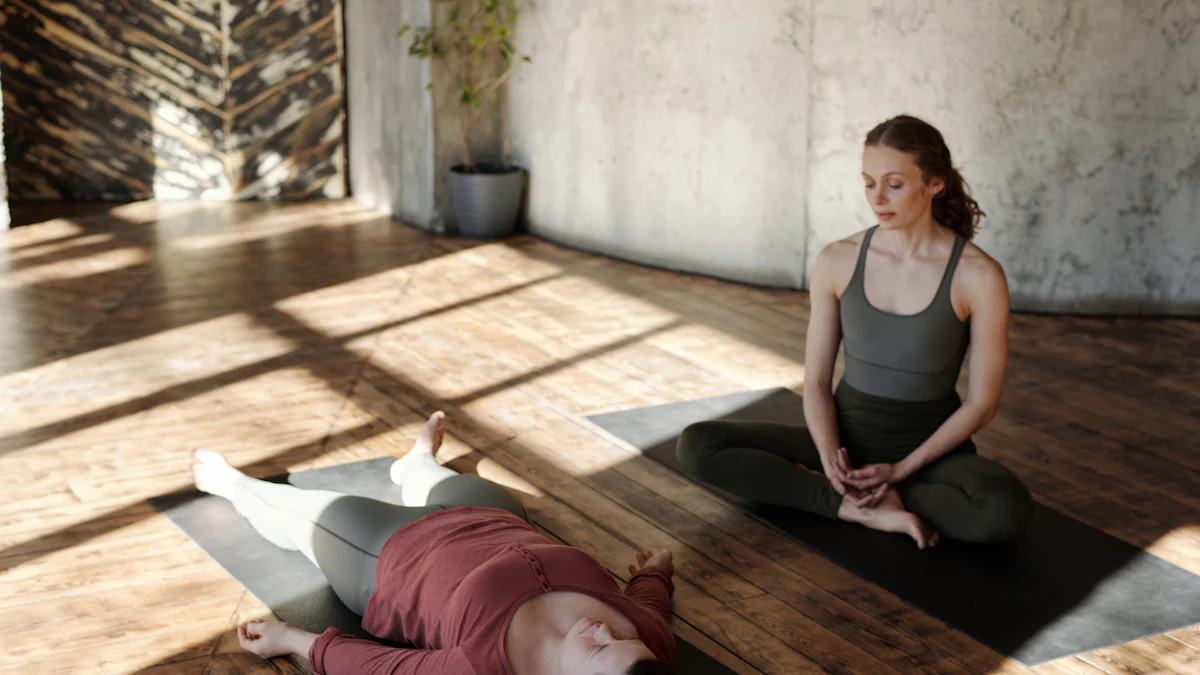
Choosing the right be yoga teacher training program is crucial for your journey. A program that fits your needs can significantly enhance your teaching skills and personal growth. Think about what you want to achieve. Are you eager to teach, or do you want to deepen your practice? Reflecting on your goals will help you find a program that truly resonates with you.
Key Takeaways
Define your personal goals before selecting a yoga teacher training program to ensure it aligns with your aspirations, whether teaching or personal growth.
Assess your current experience level and time commitment to choose a training format that suits your lifestyle, whether full-time or part-time.
Explore different yoga styles to find one that resonates with you, as this will shape your teaching approach and personal practice.
Research instructors' qualifications and teaching styles to find a mentor who aligns with your values and learning preferences.
Consider the program's location and community, as a supportive environment can enhance your learning experience.
Budget effectively by understanding all costs associated with training, including tuition, materials, and additional expenses, to avoid financial surprises.
Read reviews and testimonials from alumni to gauge the program's reputation and effectiveness, helping you make an informed decision.
Identifying Personal Goals
Defining Your Intentions
What do you hope to achieve?
Before diving into a yoga teacher training program, take a moment to think about your goals. What do you truly want to accomplish? Whether you aim to teach or simply deepen your practice, defining your intentions sets the stage for your journey.
If teaching excites you, consider what type of teacher you want to become. Do you envision leading classes in a studio, or perhaps guiding workshops? On the other hand, if your focus leans toward personal growth, think about how you want to enhance your practice. This clarity will help you choose a program that aligns with your aspirations.
Are you looking to teach or deepen your practice?
Your choice between teaching and personal development will influence the type of training you pursue. Many programs cater specifically to aspiring teachers, while others focus on personal exploration.
Ask yourself:
Do you want to learn how to instruct others?
Are you more interested in understanding yoga's philosophy and techniques for your own benefit?
Understanding your primary motivation will guide you toward the right program.
Setting Realistic Expectations
What is your current level of experience?
Your experience level plays a crucial role in selecting a suitable training program. If you're a beginner, look for programs that offer foundational knowledge. If you have some experience, consider advanced courses that challenge you further.
Reflect on your practice. Have you attended classes regularly? Do you have a grasp of basic poses and principles? Knowing where you stand helps you set realistic expectations for what you can achieve during your training.
How much time can you commit?
Time commitment is another vital factor. Think about your schedule and how much time you can dedicate to training. Some programs require intensive study over a few weeks, while others offer part-time options spread over several months.
Consider your lifestyle. Can you manage a full-time program, or do you need something more flexible? Balancing your training with work, family, and other responsibilities is essential for a successful experience.
"Choosing a program that fits your life makes all the difference," says a past participant. "I found a part-time course that allowed me to grow without overwhelming my schedule."
By identifying your personal goals and setting realistic expectations, you pave the way for a fulfilling yoga teacher training experience.
Understanding Different Yoga Styles

Exploring Popular Yoga Styles
Hatha, Vinyasa, Ashtanga, etc.
Yoga offers a variety of styles, each with its unique approach and benefits. You might find yourself drawn to one or more of these popular styles:
Hatha: This style focuses on basic postures and breathing techniques. It’s great for beginners and helps build a solid foundation.
Vinyasa: Known for its fluid movement, Vinyasa links breath with movement. It often features dynamic sequences that keep you engaged.
Ashtanga: This style follows a specific sequence of poses and emphasizes strength and stamina. It’s perfect for those who enjoy a structured practice.
Take time to explore these styles. Attend classes or watch online videos to see which one resonates with you. Each style can shape your teaching approach and personal practice.
Which style resonates with you?
Choosing a style that speaks to you is essential. Think about what you enjoy most in your practice. Do you prefer a slower pace or a more vigorous workout? Your preference will guide you in selecting a training program that aligns with your interests.
Aligning Style with Personal Philosophy
What values do you want to embody as a teacher?
As you consider becoming a yoga teacher, reflect on the values you want to share with your students. Do you prioritize mindfulness, compassion, or strength? Your personal philosophy will influence how you teach and connect with your students.
For example, if you value mindfulness, you might incorporate meditation and breathwork into your classes. If you focus on strength, you may emphasize challenging poses and physical endurance. Aligning your teaching style with your values creates a more authentic experience for both you and your students.
How does your preferred style influence your teaching?
Your chosen yoga style will shape your teaching methods. Each style has its own techniques and philosophies. Understanding these can help you create a unique teaching approach.
For instance, if you choose Vinyasa, you might focus on the flow of movement and breath. This can lead to a dynamic class that keeps students engaged. On the other hand, if you prefer Hatha, you may emphasize alignment and foundational poses, creating a more restorative environment.
Ultimately, your style influences not just how you teach but also how your students experience yoga. By embracing a style that resonates with you, you foster a deeper connection with your practice and your students.
Evaluating Program Formats and Lengths
Full-Time vs. Part-Time Programs
What fits your schedule best?
When choosing a yoga teacher training program, consider how much time you can dedicate. Full-time programs usually last around 3 to 5 months. They offer an immersive experience, allowing you to dive deep into your training. If you thrive in a structured environment, this option might suit you well.
On the other hand, part-time programs typically take about 6 months to complete. They provide flexibility, letting you balance training with work or family commitments. If you have a busy schedule, a part-time program could be the better choice. Think about your daily routine and what fits best.
Are you open to intensive training?
Intensive training can be rewarding. It allows you to absorb information quickly and practice consistently. However, it can also be demanding. Ask yourself if you’re ready for that level of commitment. If you enjoy a fast-paced learning environment, an intensive program might be right for you.
If you prefer a more gradual approach, a part-time program offers a gentler pace. You can take your time to absorb the material and practice your skills.
Online vs. In-Person Training
What are the pros and cons of each format?
Both online and in-person training have their benefits. Online training offers flexibility. You can learn from anywhere and often at your own pace. This format suits those who juggle multiple responsibilities. However, it may lack the personal interaction that some learners crave.
In-person training provides a community experience. You can connect with instructors and fellow students face-to-face. This interaction can enhance your learning and create lasting relationships. However, it requires travel and a fixed schedule, which may not work for everyone.
How does your learning style affect your choice?
Your learning style plays a significant role in this decision. If you thrive in social settings, in-person training might be ideal. You can engage with others, ask questions, and receive immediate feedback.
If you prefer self-paced learning, online training could be a better fit. You can revisit materials as needed and learn at your own speed. Consider how you learn best and choose a format that aligns with your preferences.
Considering Location and Environment
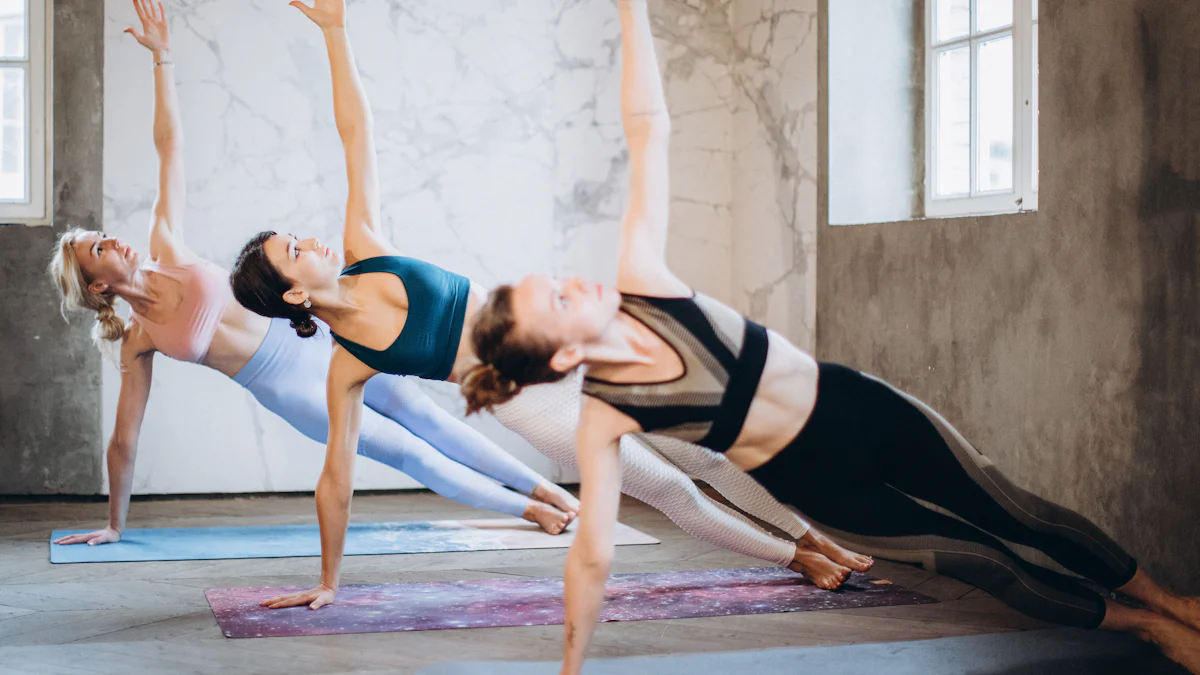
Choosing the Right Setting
Do you prefer a local program or a destination retreat?
Think about where you want to train. Do you prefer a local program that fits into your daily routine? Local training allows you to stay close to home, making it easier to balance your commitments. You can attend classes after work or on weekends without the hassle of travel.
On the other hand, a destination retreat offers a unique experience. Imagine immersing yourself in yoga surrounded by nature. You can escape daily distractions and focus entirely on your training. This setting often provides a serene environment that enhances your learning.
Consider what feels right for you. Do you thrive in familiar surroundings, or do you seek adventure in a new location? Your choice will shape your training experience.
What kind of environment enhances your learning?
The environment plays a crucial role in your learning process. Some people flourish in quiet, peaceful settings. Others thrive in lively, interactive spaces. Think about what helps you concentrate and absorb information best.
If you enjoy a calm atmosphere, look for programs that emphasize tranquility. A serene studio or a retreat in nature can create a perfect backdrop for your training. If you prefer a more dynamic environment, choose a program that encourages group activities and discussions.
Ultimately, the right environment can make a significant difference in your training experience. It can inspire you, motivate you, and help you grow as a teacher.
Community and Support
What kind of community do you want to be part of?
The community surrounding your training program matters. Do you want to connect with like-minded individuals who share your passion for yoga? A supportive community can enhance your learning and provide valuable connections.
Some programs foster a close-knit atmosphere. You might find yourself forming lasting friendships with fellow trainees. Others may offer a larger network, giving you access to diverse perspectives and experiences. Think about what type of community resonates with you.
How important is networking for you?
Networking can play a vital role in your yoga career. Building relationships with instructors and fellow trainees can open doors for future opportunities. Consider how important this aspect is for you.
If you see yourself teaching in studios or leading workshops, connecting with others in the field can be beneficial. Look for programs that encourage networking and collaboration. This can lead to mentorship opportunities and support as you embark on your teaching journey.
Assessing Instructors' Qualifications
Researching Instructor Backgrounds
What credentials should you look for?
When you choose a yoga teacher training program, pay close attention to the instructors' qualifications. Look for teachers certified through recognized organizations like Yoga Alliance. This certification ensures they meet specific standards in yoga instruction.
You might also want to check their educational background. Instructors with degrees in fields like physical education, health, or psychology often bring valuable insights to their teaching.
Consider these points when researching instructors:
Certification: Ensure they have valid credentials.
Specializations: Look for expertise in areas that interest you, such as prenatal yoga or trauma-informed practices.
Continuing Education: Instructors who pursue ongoing training show commitment to their craft.
How important is teaching experience?
Teaching experience matters. Instructors with years of practice can offer practical insights and guidance. They often know how to handle various student needs and adapt their teaching styles accordingly.
Ask about their experience:
How long have they been teaching?
What types of classes do they lead?
Have they worked with diverse student populations?
Dr. Goldfarb, an expert in yoga instruction, emphasizes the importance of finding the right instructor. He states, “Finding an instructor who can help you reach your goals is essential.” This highlights the need for a teacher who aligns with your aspirations.
Understanding Teaching Styles
What teaching methods resonate with you?
Every instructor has a unique teaching style. Some may focus on alignment and precision, while others emphasize flow and creativity. Think about what resonates with you.
Consider these teaching methods:
Hands-on adjustments: Some instructors prefer to guide students through physical adjustments.
Verbal cues: Others may rely on clear verbal instructions to guide you through poses.
Philosophical discussions: If you enjoy exploring yoga's deeper meanings, look for instructors who incorporate philosophy into their classes.
Reflect on your learning preferences. Do you thrive in a structured environment, or do you prefer a more relaxed approach? Understanding your preferences will help you choose an instructor whose style matches your needs.
How do instructors' philosophies align with yours?
Your instructor's philosophy can shape your learning experience. Some teachers focus on physical practice, while others emphasize mindfulness and meditation.
Ask yourself:
What values do you want to embody in your practice?
How do you see yoga fitting into your life?
Finding an instructor whose philosophy aligns with yours can enhance your training. It creates a more authentic connection and fosters a supportive learning environment.
By assessing instructors' qualifications and understanding their teaching styles, you can make an informed decision. This choice will significantly impact your yoga teacher training journey.
Budgeting for Training
Understanding Costs
What is included in the program fee?
When you look at yoga teacher training programs, you’ll notice a wide range of costs. Programs can cost anywhere from $1,500 to $12,000. The price often reflects the program's length, location, and the value it provides.
Most program fees cover essential elements like:
Tuition: This is the main cost for the training itself.
Materials: Expect to pay for books, manuals, and other resources.
Certification: Some programs include the cost of your certification upon completion.
However, not all expenses are included. Make sure to ask what’s covered in the fee. Understanding these details helps you avoid surprises later.
Are there additional expenses to consider?
In addition to the program fee, consider other potential costs. These may include:
Accommodation: If you choose an in-person program, factor in where you’ll stay. Some programs offer housing, while others do not.
Travel: If you attend a destination retreat, budget for flights and transportation.
Food: Meals may or may not be included in your training. Check if you need to plan for your meals during the program.
Additional workshops or classes: Some programs offer optional extras that can enhance your training but come at an extra cost.
By accounting for these additional expenses, you can create a more accurate budget for your training.
Exploring Financial Options
Are there scholarships or payment plans available?
Many yoga teacher training programs offer financial assistance options. Scholarships can help reduce your costs, making training more accessible. Look for programs that provide these opportunities.
Payment plans also make training more manageable. Instead of paying the full amount upfront, you can spread the cost over several months. This option can ease the financial burden and allow you to focus on your training.
How can you budget effectively for training?
Creating a budget for your yoga teacher training is essential. Here are some steps to help you manage your finances:
Research costs: Gather information on various programs and their fees. Compare what each offers.
List all expenses: Include tuition, materials, accommodation, travel, and food.
Set a savings goal: Determine how much you need to save each month to reach your goal before the program starts.
Look for additional income: Consider taking on extra work or freelance gigs to boost your savings.
Track your spending: Keep an eye on your expenses to ensure you stay within your budget.
By following these steps, you can prepare financially for your yoga teacher training. Remember, investing in your education is a step toward your future as a yoga teacher.
Reading Reviews and Testimonials
Gathering Insights from Alumni
Where can you find reliable reviews?
Finding trustworthy reviews can guide your decision-making process. Start by checking the program's website. Many schools showcase testimonials from past students. You can also explore social media platforms. Look for groups or pages dedicated to yoga teacher training. Alumni often share their experiences there.
Don’t forget about review sites. Websites like Yelp or Google Reviews can provide honest feedback. Pay attention to both positive and negative comments. This balanced view helps you understand what to expect.
What should you look for in testimonials?
When reading testimonials, focus on specific details. Look for comments about the curriculum. Did the training cover essential topics? Consider the instructors' teaching styles. Did students feel supported and engaged?
Also, check for mentions of personal growth. Did the training help students deepen their practice or prepare them for teaching? For example, one graduate shared, “The training I received was thorough, professional, and transformational. I felt completely prepared by the training to begin teaching.” This kind of insight can highlight the program's effectiveness.
Evaluating Program Reputation
How does the program's reputation influence your decision?
A program's reputation can significantly impact your experience. Well-regarded programs often attract experienced instructors. They also tend to offer comprehensive curricula. Research the program's history. How long has it been running? What do other yoga professionals say about it?
Consider accreditation as well. Programs recognized by organizations like Yoga Alliance often meet high standards. This recognition can enhance your credibility as a certified teacher.
What do current students say about their experience?
Current students can provide valuable insights. Reach out to them if possible. Ask about their experiences and what they liked most. You might hear stories like this: “I will be forever grateful to Ganga for having shared her knowledge of the ancient wisdom of yoga with me. The training went beyond my expectations.” Such testimonials reveal the depth of the training and the quality of instruction.
Additionally, look for video testimonials. Watching graduates share their journeys can give you a clearer picture of the program. As one contributor noted, “Read the stories and watch the video testimonials of graduated students from the school. This can give you a great overview of the YTT program.” These personal accounts can help you feel more confident in your choice.
By gathering insights from alumni and evaluating the program's reputation, you can make a more informed decision. This step is crucial in finding a yoga teacher training program that truly fits you.
Choosing the right yoga teacher training program is essential for your growth. Aligning the program with your personal goals enhances your teaching effectiveness and enriches your journey. Take your time to explore options. Trust your instincts as you find a program that resonates with you. Remember, the right fit can significantly boost your confidence and skills as a teacher. Embrace this opportunity to grow both personally and professionally.
See Also
Your Journey to Becoming a Yoga Instructor in 2024
Ultimate Resource for Yoga Instructor Training in India 2024
Diya Yoga: The Journey to Teaching Excellence

Hi my name is Lia and i am your host in this yoga journey in Portugal, Subscribe to our newsletter to receive every week the best of Yoga in Portugal.

We bring back the importance of initiation into womanhood by Roos-Veerle Krijnen & Ella-June Henrard
Welcome to the Women’s Initiation Retreat by Naked Truth Retreats, a transformative journey into the depths of your True Feminine Nature. This retreat invites you to remember the sacredness and wholeness of your being.
Roos-Veerle Krijnen & Ella-June Henrard