How Sun Salutations Became a Yoga Essential

Sun salutation yoga holds a vital place in modern yoga practice. You engage in this sequence to honour the sun, bridging ancient traditions with contemporary methods. This practice enhances your physical strength and flexibility while promoting mental clarity. Research shows that just a few rounds of sun salutation yoga can significantly reduce stress levels and improve overall well-being. By incorporating this essential routine into your life, you cultivate a deeper connection between body and mind.
Key Takeaways
Sun Salutations, or Surya Namaskar, are rooted in ancient Indian traditions and serve as a vital practice in modern yoga, enhancing both physical and mental well-being.
Incorporating Sun Salutations into your routine can significantly improve flexibility, strength, and cardiovascular health, making it a comprehensive workout.
The practice promotes mindfulness by linking breath with movement, helping to reduce stress and enhance mental clarity.
Sun Salutations are adaptable to various yoga styles, allowing practitioners of all levels to personalise their experience and find a version that suits their needs.
Regular practice of Sun Salutations can lead to positive changes in lung function and overall vitality, contributing to a healthier lifestyle.
Starting with just a few rounds of Sun Salutations can energise your day and foster a deeper connection between your body and mind.
The Historical Origins of Sun Salutations
Ancient Texts and Practices
Sun Salutations, known as Surya Namaskar, have deep roots in ancient Indian traditions. You can trace their origins back to the Vedic period, around 1500 BCE. The Rig Veda describes these rituals as a form of prostration to the dawn. This practice involved worshipping the sun, recognising its vital role in sustaining life. You performed Sun Salutations at dawn, facing the rising sun, to express gratitude for its warmth and light.
Cultural Influences from India
Cultural influences from India shaped the practice of Sun Salutations. These rituals connected to Hindu mythology often involved reverence for the Sun God. You may find that traditional practices included a series of poses linked with breath, honouring the sun's power. Additionally, the connection to Hanuman, the monkey god and devoted follower of the sun, highlights the spiritual significance of this practice.
Key Historical Figures in Yoga
Key figures in yoga history played a crucial role in popularising Sun Salutations. T. Krishnamacharya, a prominent yoga teacher in the early 20th century, integrated Sun Salutations into his teachings. He made this practice accessible to a broader audience, bridging ancient traditions with modern yoga. His influence helped establish Sun Salutations as a fundamental component of contemporary yoga classes.
The Evolution of Sun Salutations
Transition from Traditional to Modern Practices
You can observe a significant shift in the practice of Sun Salutations over the years. Originally, these sequences served as rituals, honouring the sun and its life-giving energy. As yoga evolved, practitioners began to incorporate Sun Salutations into their physical routines. The sequence you know today is a modern interpretation, designed to enhance flexibility, strength, and overall fitness.
The basic structure of a Sun Salutation offers numerous opportunities for innovation. While traditional practices often adhered to specific poses, contemporary yoga allows for variations. You might find that different styles of yoga adapt the sequence to suit their unique philosophies and goals. This flexibility in practice encourages you to explore and personalise your experience.
The Influence of Western Yoga Movements
Western yoga movements have played a crucial role in popularising Sun Salutations. In the 20th century, yoga gained traction in the West, attracting a diverse audience. Influential teachers introduced Sun Salutations into their classes, emphasising their benefits for both body and mind.
As a result, Sun Salutations became a cornerstone of many Vinyasa styles. These styles focus on the flow of movement, linking breath with each pose. You may notice that this dynamic approach enhances your cardiovascular health and promotes a sense of mindfulness. Research indicates that regular practice of Sun Salutations can lead to positive changes in lung function and overall well-being.
Adaptations in Various Yoga Styles
Different yoga styles have embraced Sun Salutations, each adding its unique flair. For instance, the Ashtanga tradition maintains a set series of poses, ensuring consistency in their Sun A and Sun B sequences. Other styles, however, allow for greater freedom. Individual teachers often modify the sequence to reflect their teaching style or the needs of their students.
This adaptability makes Sun Salutations accessible to everyone. Whether you are a beginner or an experienced practitioner, you can find a version that suits your level. The practice not only strengthens your body but also fosters a deeper connection between movement and breath.
The Structure of Sun Salutations in Yoga
Breakdown of the Sequence
Sun Salutations consist of a series of postures performed in a flowing sequence. This dynamic full-body flow warms up your major muscles and joints effectively. You begin with Mountain Pose (Tadasana), standing tall and grounding yourself. From there, you move into Upward Salute (Urdhva Hastasana), reaching your arms overhead.
Next, you transition into Forward Fold (Uttanasana), bending forward and allowing your head to hang. Following this, you step back into Plank Pose, engaging your core. You then lower into Chaturanga Dandasana, a challenging pose that builds strength. After that, you lift into Upward Facing Dog (Urdhva Mukha Svanasana), opening your chest and shoulders. Finally, you flow into Downward Facing Dog (Adho Mukha Svanasana), creating a stretch throughout your body.
This sequence repeats, often linking breath with movement. Each inhale and exhale guides your transitions, promoting mindfulness. As you practice, you may notice how this rhythm enhances your overall experience.
Variations Across Different Yoga Styles
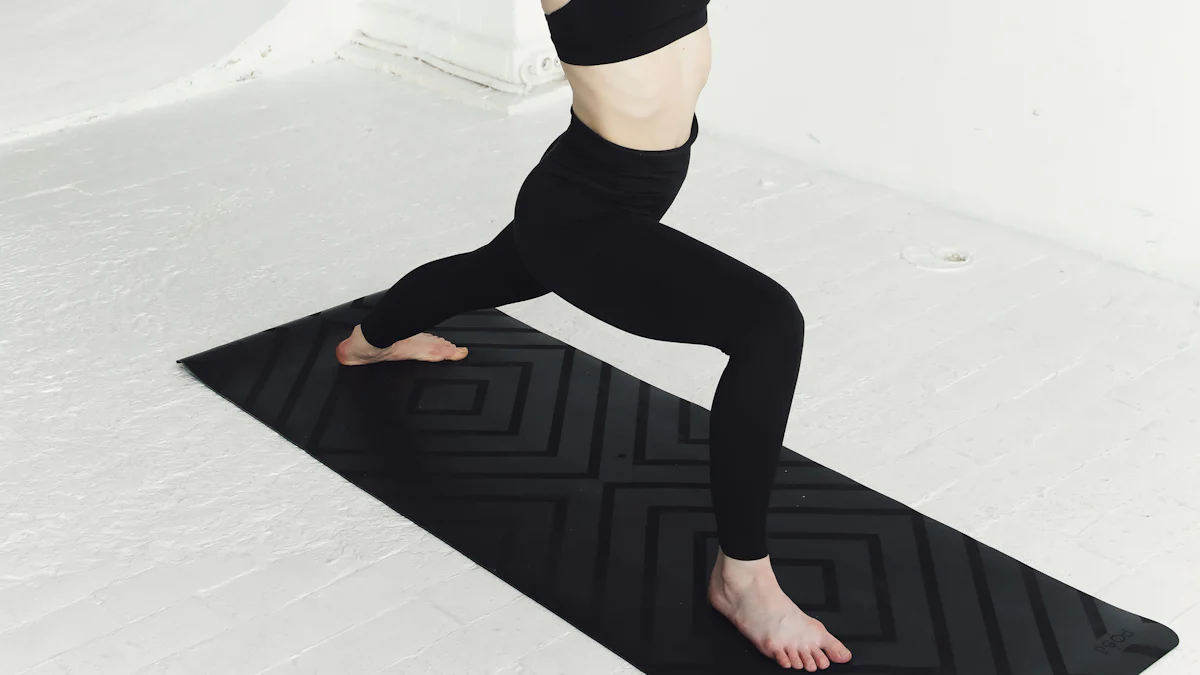
Today, you can find several variations of Sun Salutations depending on the style of yoga you practice. Each variation offers unique benefits and challenges. For instance, in Ashtanga Yoga, you perform Sun Salutation A and Sun Salutation B, which include specific poses like Warrior 1 (Virabhadrasana I) and Warrior 2 (Virabhadrasana II).
In Vinyasa Yoga, the sequence often adapts to create a more fluid experience. You might encounter different transitions and additional poses that align with the class's theme. As one expert notes, “Sun Salutations have become a somewhat quintessential element of modern yoga Asana classes.”
You may also explore Power Yoga, where the sequence incorporates more vigorous movements. This style challenges your strength and endurance while maintaining the essence of breath synchronization.
Ultimately, these variations allow you to choose the sequence that best aligns with your specific goals. Whether you seek a gentle flow or a more intense workout, Sun Salutations cater to your individual needs. Ready to dive into the flow? Give Sun Salutations a try. They might just be the key to unlocking the next step in your yoga journey.
The Physical Benefits of Sun Salutations
Enhancing Flexibility and Strength
You will notice significant improvements in your flexibility and strength through regular practice of Sun Salutation yoga. This dynamic sequence engages multiple muscle groups, promoting a full-body workout. Each pose stretches and strengthens your muscles, enhancing your overall physical capabilities.
Research published in the International Journal of Yoga highlights that participants who practised Sun Salutations experienced notable increases in flexibility. The study found that this practice effectively improved muscle strength and endurance as well. You can expect to see these benefits manifest as you commit to a consistent routine.
As you flow through the sequence, you challenge your body in various ways. For instance, poses like Downward Facing Dog and Plank Pose build upper body strength, while Forward Fold and Upward Salute enhance flexibility in your hamstrings and spine. This combination of strength and flexibility creates a balanced workout that supports your overall fitness goals.
Improving Cardiovascular Health
Sun Salutations also contribute positively to your cardiovascular health. Engaging in this practice elevates your heart rate, providing an excellent cardiovascular workout. A study from the International Journal of Yoga found that Sun Salutations and circuit training significantly improved cardio-respiratory fitness.
When you perform Sun Salutations, you stimulate your heart and lungs, enhancing their efficiency. Regular practice leads to positive changes in lung function and respiratory pressure. You may find that your resting cardiovascular parameters improve, allowing you to feel more energised throughout the day.
Incorporating Sun Salutations into your routine can also help reduce stress levels. A 2015 study indicated that participants who practised a 20-minute Sun Salutation routine for two weeks exhibited lower stress levels. This reduction in stress can further support your cardiovascular health, as high stress often negatively impacts heart function.
By embracing Sun Salutation yoga, you not only enhance your physical strength and flexibility but also promote a healthier heart. This practice serves as a powerful tool for improving your overall well-being.
The Mental and Spiritual Benefits of Sun Salutations
Promoting Mindfulness and Focus
Practising Sun Salutations cultivates mindfulness and enhances your focus. As you flow through each pose, you connect your movements with your breath. This synchronisation encourages you to stay present in the moment. You may find that your mind quiets, allowing distractions to fade away.
Research supports these benefits. A study published in the International Journal of Yoga in 2015 revealed that students who practised Sun Salutations for just two weeks experienced lower stress levels. They reported feeling more relaxed and at peace compared to those who did not engage in this practice. This demonstrates how regular practice can help you achieve a calmer state of mind.
Additionally, the rhythmic nature of Sun Salutations promotes a meditative quality. You focus on your breath and body, creating a sense of harmony. This practice not only enhances your mental clarity but also fosters a deeper connection to your inner self.
Connecting Body and Breath
Sun Salutations serve as a powerful tool for connecting your body and breath. Each movement corresponds with an inhale or exhale, creating a flowing rhythm. This connection helps you develop greater awareness of your physical sensations. You learn to listen to your body, recognising areas of tension and relaxation.
The benefits extend beyond physical awareness. A study from the Journal of Bodywork and Movement Therapies highlighted the positive impact of Sun Salutations on mental health. Regular practitioners reported reductions in anxiety and depression symptoms. This connection between body and breath fosters emotional balance and resilience.
As you engage in Sun Salutation yoga, you may notice how your breath guides your movements. This practice encourages you to breathe deeply, enhancing lung function and respiratory pressure. A 2011 study in the International Journal of Yoga found that regular practice led to positive changes in these areas. You can experience increased vitality and a sense of well-being through this mindful connection.
Sun Salutations in Contemporary Yoga Practice
Their Role in Yoga Classes Today
Sun Salutations play a pivotal role in yoga classes today. You often begin your practice with this sequence, setting the tone for your session. The flowing movements warm up your body, preparing your muscles and joints for deeper stretches. Instructors frequently incorporate Sun Salutations into their classes to create a rhythm that links breath with movement. This connection enhances your overall experience, allowing you to focus on your body and mind.
Many yoga styles, such as Vinyasa and Ashtanga, emphasise the importance of Sun Salutations. You might find that these sequences serve as a foundation for more complex poses. By mastering the Sun Salutation, you build strength and flexibility, which supports your progress in yoga.
Popularity Among Practitioners
The popularity of Sun Salutations among practitioners continues to grow. Many people appreciate the physical and mental benefits this practice offers. Research shows that regular practice of Sun Salutations leads to significant improvements in flexibility, strength, and endurance. You may notice these changes in your body as you commit to this routine.
Moreover, studies indicate that Sun Salutations promote positive changes in lung function and cardiovascular health. Participants in these studies reported feeling more energised and less stressed after incorporating Sun Salutations into their routines. This practice not only enhances your physical capabilities but also nurtures your mental well-being.
In addition, the adaptability of Sun Salutations appeals to a wide range of practitioners. Whether you are a beginner or an experienced yogi, you can modify the sequence to suit your needs. This inclusivity makes Sun Salutations a staple in many yoga classes, ensuring that everyone can benefit from this essential practice.
Sun Salutations have a rich history, evolving from ancient Vedic rituals to a core component of modern yoga. You can appreciate their enduring relevance as they connect physical movement with breath, enhancing your overall practice. This sequence not only warms up your body but also calms your mind, promoting health and harmony. Embrace Sun Salutation yoga in your routine to experience its transformative benefits. By doing so, you honour a tradition that has shaped the practice of yoga for centuries.
FAQ
Why Practice Sun Salutations?
Sun Salutations form an integral part of your yoga practice. Each variation brings its unique intensity and benefits, catering to your individual needs and objectives. You can use this sequence to warm up your body, enhance flexibility, and build strength.
What are the benefits of Sun Salutations?
Practising Surya Namaskar may enhance cardiovascular health, improve digestion, and promote muscle flexibility and strength. This sequence also helps increase lung capacity and respiratory function. Regular practice can lead to significant improvements in your overall well-being.
What are some important facts for Sun Salutation beginners?
When you start any yoga posture practice, it is crucial to perform Sun Salutations correctly. Understanding key facts will help you achieve the best results. Focus on your breath, maintain proper alignment, and listen to your body.
How many rounds of Sun Salutations should I do?
You can begin with a few rounds, such as three to five, and gradually increase the number as you become more comfortable. Listen to your body and adjust the number of repetitions based on your energy levels and experience.
Can I modify Sun Salutations for my fitness level?
Absolutely! You can modify the sequence to suit your fitness level. Beginners may choose to skip certain poses or perform them at a slower pace. As you gain strength and confidence, you can incorporate more challenging variations.
When is the best time to practise Sun Salutations?
Many practitioners prefer to perform Sun Salutations in the morning. This practice helps energise your body and mind for the day ahead. However, you can also enjoy this sequence at any time that fits your schedule.
Do I need any special equipment for Sun Salutations?
You do not need any special equipment to practise Sun Salutations. A yoga mat provides a comfortable surface, but you can also perform the sequence on a flat, non-slip surface. Wear comfortable clothing that allows for easy movement.
Can Sun Salutations help with stress relief?
Yes, Sun Salutations can significantly reduce stress levels. The combination of movement and breath promotes relaxation and mindfulness. Regular practice can help you feel more centred and calm in your daily life.
Are there any contraindications for practising Sun Salutations?
While Sun Salutations are generally safe for most people, certain conditions may require caution. If you have injuries, chronic pain, or specific health concerns, consult a healthcare professional or a qualified yoga instructor before starting.
How can I incorporate Sun Salutations into my daily routine?
You can easily integrate Sun Salutations into your daily routine. Consider setting aside a few minutes each morning or evening to practise. Even a short session can provide physical and mental benefits, helping you stay connected to your body and breath.
Hi my name is Lia and i am your host in this yoga journey in Portugal, Subscribe to our newsletter to receive every week the best of Yoga in Portugal.

We bring back the importance of initiation into womanhood by Roos-Veerle Krijnen & Ella-June Henrard
Welcome to the Women’s Initiation Retreat by Naked Truth Retreats, a transformative journey into the depths of your True Feminine Nature. This retreat invites you to remember the sacredness and wholeness of your being.
Roos-Veerle Krijnen & Ella-June Henrard