How Beginners Can Start Somatic Yoga

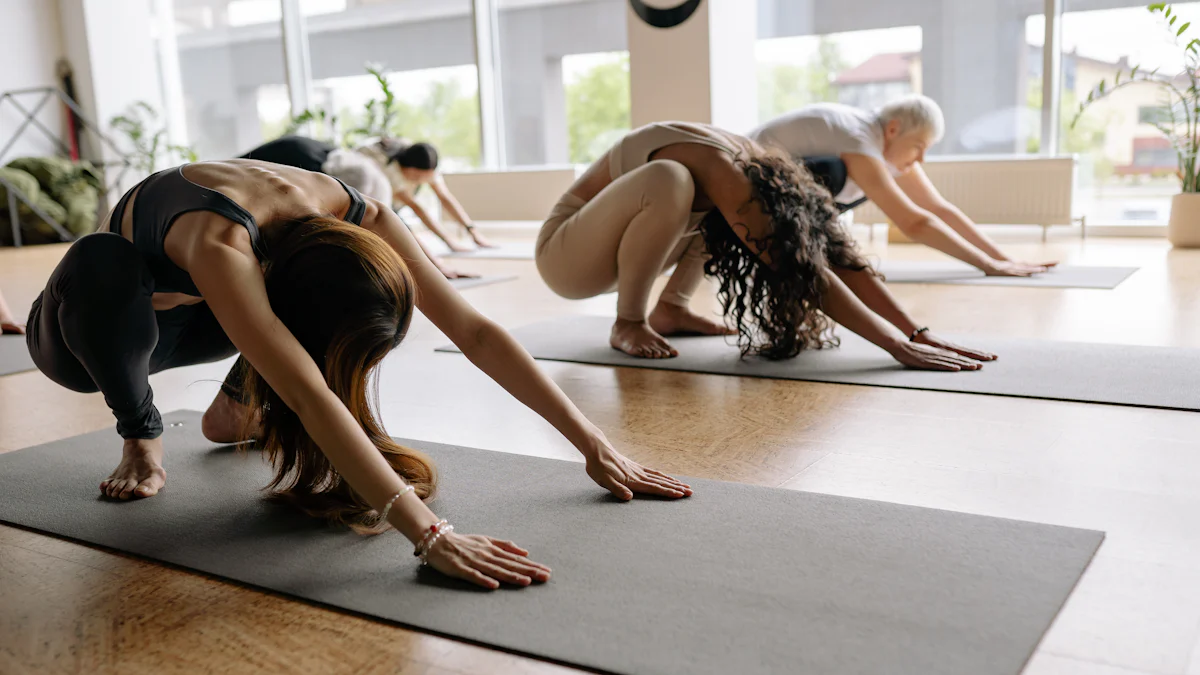
Somatic yoga offers a gentle and accessible way for you to connect with your body. This practice emphasizes body awareness through mindful movements. You can experience numerous benefits, such as improved flexibility, reduced stress, and enhanced mindfulness. By focusing on your breath, you can achieve better attention and awareness, leading to a calmer state of mind. Approach somatic yoga with an open mind and patience. Remember, it's not about perfection but about the journey of self-discovery and well-being.
Preparing for Your Somatic Yoga Practice
Embarking on your somatic yoga journey begins with creating the right environment and mindset. These foundational steps set the stage for a fulfilling practice.
Finding a Comfortable Space
Your practice space plays a crucial role in your somatic yoga experience. Choose a spot where you feel safe and free from distractions. This could be a quiet corner in your home or a serene outdoor setting. Ensure the area is clean and has enough room for you to move comfortably. A yoga mat can provide cushioning and define your practice area.
Consider the ambiance. Soft lighting and calming music can enhance your focus and relaxation. Some practitioners find that a simple body scan, either standing or seated, helps them connect with their surroundings and prepare for the session. This initial awareness can guide you throughout your practice, allowing you to tune into your body's needs.
Setting the Right Mindset
Approaching somatic yoga with the right mindset is essential. Start by letting go of any expectations. Remember, somatic yoga is about exploration and self-discovery, not achieving perfection. Embrace each session as an opportunity to learn more about your body and mind.
Focus on being present. Pay attention to your breath and how your body feels in each moment. This mindfulness can lead to a relaxed state of awareness, similar to what some students experience during guided practices. One student described it as feeling awake yet deeply relaxed, a sensation she had never encountered before. This state of awareness can become a regular part of your practice, offering profound relaxation and insight.
Set an intention for your practice. Whether it's to relieve stress, improve flexibility, or simply enjoy the movement, having a clear purpose can enhance your experience. As you progress, you'll find that somatic yoga not only benefits your body but also enriches your mental and emotional well-being.
Focusing on Breath Awareness
Breath awareness forms the heart of somatic yoga. By tuning into your breath, you can unlock a deeper connection between your mind and body. This practice not only enhances your yoga experience but also brings numerous benefits to your daily life.
Understanding Breath Awareness
Breath awareness in somatic yoga involves paying close attention to your breathing patterns. You might wonder why this is important. Well, focusing on your breath can help you stay present and grounded. It acts as an anchor, keeping your mind from wandering. When you concentrate on each inhale and exhale, you create a sense of calm and clarity.
Research has shown that yoga breathing can improve mindfulness and reduce stress. In fact, a study found that breathing-focused yoga practices significantly increased mindfulness and decreased stress levels compared to meditation-focused practices. This means that by simply being aware of your breath, you can enhance your mental well-being.
To start, find a comfortable position. Close your eyes if it feels right. Take a deep breath in through your nose, letting your belly expand. Then, slowly exhale through your mouth. Notice how your body feels with each breath. Is there tension? Are you relaxed? This simple exercise can help you become more attuned to your body's needs.
Incorporating Breath into Movement
Once you feel comfortable with breath awareness, it's time to integrate it into your somatic yoga movements. This combination can transform your practice, making it more fluid and intentional. When you synchronize your breath with movement, you create a harmonious flow that enhances body awareness.
Start with basic movements like pelvic tilts or shoulder rolls. As you inhale, initiate the movement. For example, when performing a pelvic tilt, breathe in as you tilt your pelvis forward. Then, exhale as you return to the starting position. This rhythm helps you move with ease and grace.
Incorporating breath into movement also boosts your focus. A study on yoga breathing found that it increased attentional neural resources. This means that by aligning your breath with your movements, you can sharpen your attention and stay engaged in your practice.
Remember, there's no rush. Take your time to explore how your breath influences each movement. With practice, you'll find that somatic yoga becomes a seamless blend of breath and motion, offering a deeper sense of relaxation and mindfulness.
Gentle Warm-Up Exercises
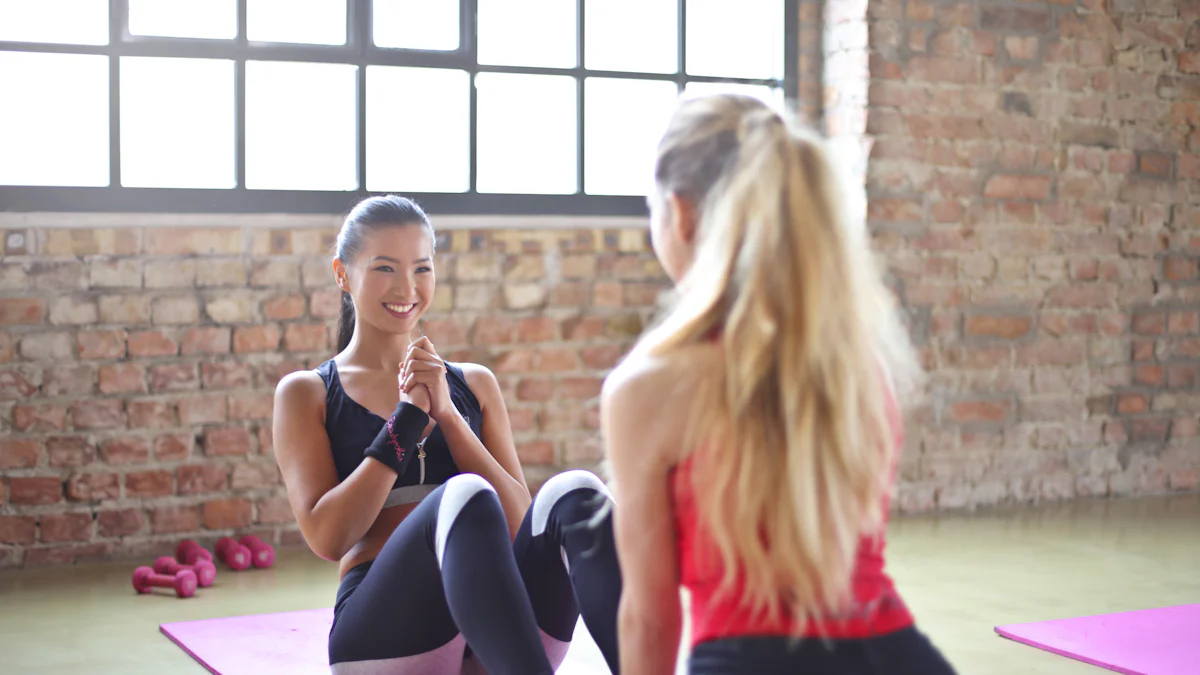
Before diving into your somatic yoga practice, it's important to ease your body into movement. Gentle warm-up exercises prepare your muscles and joints, helping you avoid injury and enhancing your overall experience. Think of these exercises as a way to signal to your body that it's time to transition from stillness to mindful motion.
Simple Stretches to Begin
Start with some simple stretches to awaken your body. These stretches don't need to be complex. Focus on areas that often hold tension, like your neck, shoulders, and back. Begin by gently tilting your head from side to side, feeling the stretch along your neck. Roll your shoulders forward and backward to release any tightness.
Next, try a gentle spinal twist. Sit comfortably, place your right hand on your left knee, and slowly twist your torso to the left. Hold for a few breaths, then switch sides. This movement helps increase flexibility in your spine and promotes relaxation.
Remember, the goal is to move with awareness. Pay attention to how each stretch feels. If you encounter any discomfort, ease off and adjust your position. Somatic yoga encourages you to listen to your body and respect its limits.
Preparing the Body for Movement
Once you've completed your stretches, it's time to prepare your body for more dynamic movements. This phase of your somatic yoga practice focuses on gradually increasing your range of motion and warming up your muscles.
Begin with a series of gentle joint rotations. Start with your wrists and ankles, making small circles in both directions. Move on to your elbows and knees, ensuring each joint gets some attention. These rotations help lubricate your joints and improve circulation.
Incorporate some light bouncing or shaking movements. Stand with your feet hip-width apart and gently bounce on your toes. This action can help release tension and energize your body. You might feel a sense of lightness and readiness for the upcoming practice.
Medical Professional Advice: It is advisable to consult a medical professional, if possible, before starting a yoga practice. This ensures that you're aware of any limitations or modifications you might need to consider.
As you engage in these warm-up exercises, maintain a focus on your breath. Let your inhales and exhales guide your movements. This connection between breath and motion is a cornerstone of somatic yoga, fostering a deeper awareness of your body's needs.
By taking the time to warm up properly, you set a positive tone for your somatic yoga session. You'll find that your body responds more favorably to the practice, allowing you to explore movements with greater ease and confidence.
Exploring Basic Somatic Movements
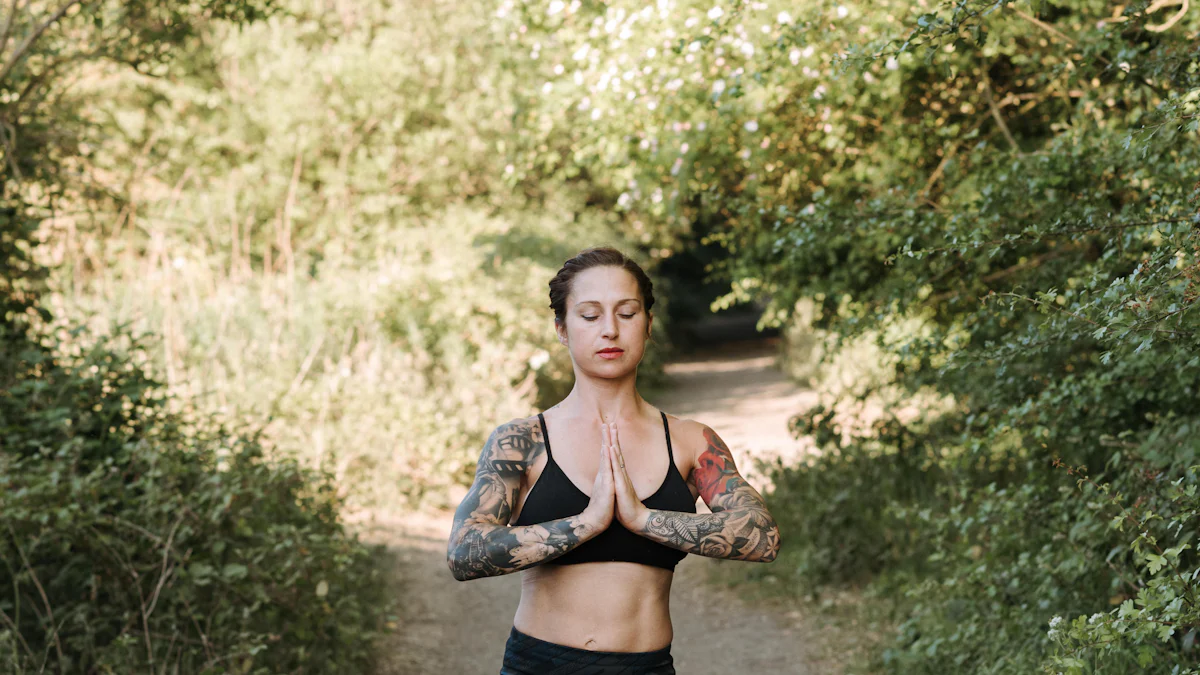
In this section, you'll dive into some foundational somatic movements. These exercises help you develop body awareness and release tension. Let's explore how to perform these movements effectively.
Pelvic Tilts
Pelvic tilts are a gentle way to engage your core and improve lower back flexibility. Start by lying on your back with your knees bent and feet flat on the floor. Place your hands on your hips to feel the movement. As you inhale, arch your lower back slightly, creating a small space between your back and the floor. Exhale and gently press your lower back into the floor, tilting your pelvis upward. Repeat this motion several times, focusing on the rhythm of your breath.
This movement helps you connect with your body's natural alignment. If you find it challenging, consider using yoga props like a folded blanket under your hips for support. This can make the exercise more accessible and comfortable.
Cat-Cow Stretch
The Cat-Cow stretch is a classic yoga pose that enhances spinal flexibility and promotes relaxation. Begin on your hands and knees in a tabletop position. As you inhale, drop your belly towards the floor, lift your head, and arch your back into the Cow pose. Exhale and round your spine, tucking your chin to your chest for the Cat pose. Move slowly between these positions, synchronizing your breath with each movement.
This stretch not only improves flexibility but also helps relieve tension in your back and neck. If you're new to this movement, yoga blocks can assist in maintaining proper alignment. Place them under your hands to elevate your upper body slightly, making the transition smoother.
Shoulder Rolls
Shoulder rolls are a simple yet effective way to release tension in your shoulders and neck. Sit or stand comfortably with your arms relaxed by your sides. Inhale and lift your shoulders towards your ears. Exhale and roll them back and down, creating a circular motion. Repeat this several times, then reverse the direction.
This movement encourages relaxation and improves posture. On days when you feel particularly stiff, using yoga props like a strap can help. Hold the strap behind your back with both hands, gently pulling to open your chest and enhance the stretch.
By incorporating these basic somatic movements into your practice, you can cultivate greater body awareness and ease tension. Remember, the goal is to move mindfully and listen to your body's signals. With regular practice, you'll find these exercises become a natural part of your routine, supporting your journey towards improved well-being.
Relaxation Techniques and Reflection
Ending Your Practice with Relaxation
As you wrap up your somatic yoga session, it's essential to transition into a state of relaxation. This final phase allows your body and mind to absorb the benefits of your practice. You might find that this is the most rewarding part of your session.
Begin by lying down in a comfortable position, such as Savasana or the "corpse pose." Let your arms rest by your sides with palms facing up. Close your eyes and take a few deep breaths, allowing your body to sink into the mat. Feel the tension melt away with each exhale.
Consider using a guided relaxation practice. Many yoga instructors include this in their classes to help students experience a relaxed state of awareness. One participant described this sensation as feeling awake yet deeply relaxed, a unique experience she had never encountered before. This state can offer profound relaxation and insight.
Tip: If you find it challenging to relax, try focusing on different parts of your body. Start from your toes and work your way up, consciously releasing tension in each area. This technique, known as a body scan, can enhance your relaxation experience.
Reflecting on Your Experience
After your practice, take a moment to reflect on your experience. This reflection helps you connect with your progress and understand how somatic yoga impacts your well-being.
Ask yourself a few questions:
How did my body feel during the practice?
What emotions or thoughts surfaced?
Did I notice any changes in my breath or tension levels?
Jot down your reflections in a journal. This practice can help you track your journey and identify patterns or areas for growth. You might discover that certain movements bring more relaxation or that your breath awareness has improved over time.
Remember, somatic yoga is a personal journey. Each session offers new insights and opportunities for self-discovery. Embrace these moments of reflection as a valuable part of your practice. They can deepen your connection to your body and enhance your overall well-being.
Frequently Asked Questions
Common Concerns for Beginners
Starting somatic yoga might feel a bit overwhelming at first. You may have questions or concerns, and that's completely normal. Let's address some common worries beginners often have.
Is somatic yoga suitable for everyone?
Absolutely! Somatic yoga is gentle and adaptable. You can modify movements to suit your comfort level. If you have specific health concerns, consult a healthcare professional before starting.
Do I need any special equipment?
Not really. A yoga mat provides comfort, but you can practice on a soft carpet or blanket. Props like blocks or straps can enhance your experience, but they're optional.
How often should I practice?
Consistency matters more than frequency. Start with short sessions a few times a week. As you become more comfortable, gradually increase the duration and frequency.
What if I can't do a movement perfectly?
Perfection isn't the goal. Focus on how your body feels rather than achieving a perfect pose. Listen to your body and move within your limits.
Will I see results quickly?
Results vary for each person. Some notice improvements in flexibility and relaxation after a few sessions. Be patient and enjoy the journey.
Tips for Staying Motivated
Staying motivated in your somatic yoga practice can sometimes be challenging. Here are some tips to keep you inspired and committed:
Set Realistic Goals: Start with achievable goals. Whether it's practicing twice a week or mastering a new movement, having clear objectives keeps you focused.
Create a Routine: Establish a regular practice schedule. Consistency helps build a habit. Choose a time that fits your lifestyle, whether it's morning or evening.
Track Your Progress: Keep a journal of your experiences. Note any changes in your body or mood. Reflecting on your progress can boost motivation.
Join a Community: Connect with others who practice somatic yoga. Online forums or local classes offer support and encouragement. Sharing experiences can inspire you.
Celebrate Small Wins: Acknowledge your achievements, no matter how small. Each step forward is progress. Reward yourself for your dedication.
Remember, somatic yoga is a personal journey. Embrace each session as an opportunity to learn and grow. Stay curious and open-minded, and you'll find joy in your practice.
Starting somatic yoga involves a few simple steps. First, find a comfortable space and set the right mindset. Focus on breath awareness and incorporate gentle warm-up exercises. Explore basic somatic movements like pelvic tilts and shoulder rolls. End your practice with relaxation and reflection. Regular practice is key. Be patient with your progress. Somatic yoga offers numerous benefits, including improved flexibility and stress reduction. It connects your mind, body, and spirit, enhancing overall well-being. Consider exploring further resources or classes to deepen your understanding and continue your journey in somatic yoga.
See Also
Starting Your Yoga Practice From The Comfort Of Home
Five Essential Yoga Poses For New Practitioners
Kickstart Your 30-Day Yoga Challenge As A Beginner

Hi my name is Lia and i am your host in this yoga journey in Portugal, Subscribe to our newsletter to receive every week the best of Yoga in Portugal.

We bring back the importance of initiation into womanhood by Roos-Veerle Krijnen & Ella-June Henrard
Welcome to the Women’s Initiation Retreat by Naked Truth Retreats, a transformative journey into the depths of your True Feminine Nature. This retreat invites you to remember the sacredness and wholeness of your being.
Roos-Veerle Krijnen & Ella-June Henrard