Exploring the Heritage of Yoga Narasimha Swamy Temple

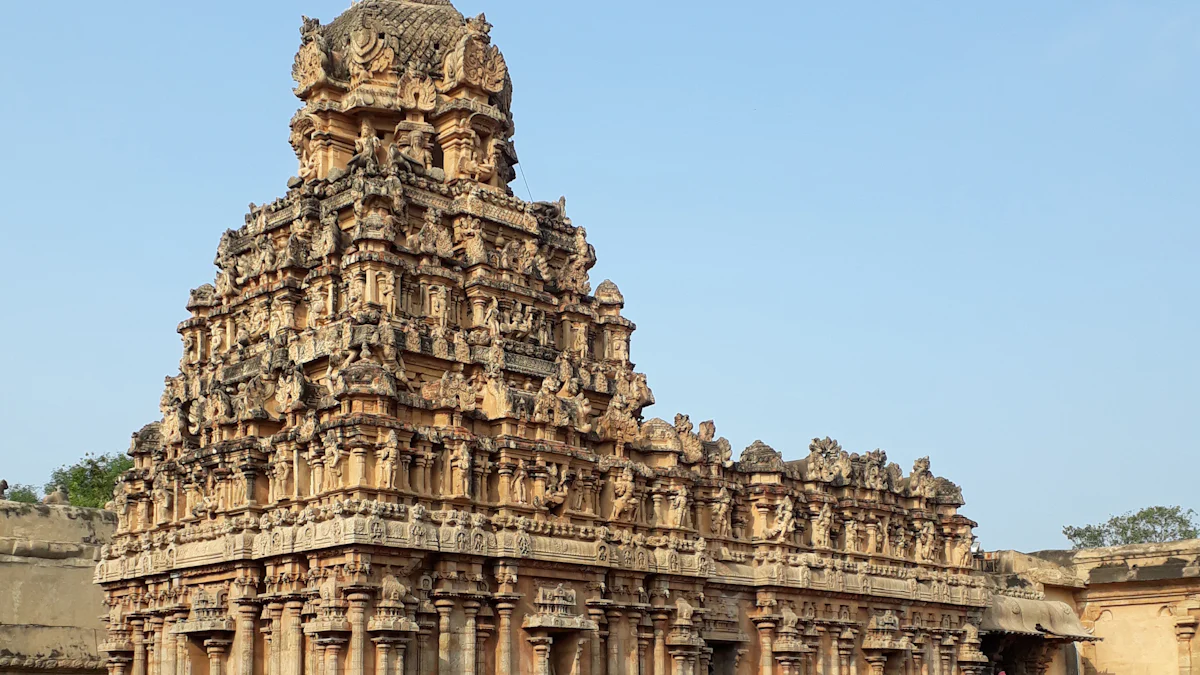
The Yoga Narasimha Swamy Temple stands as a testament to ancient architectural brilliance and spiritual devotion. Nestled in the serene landscapes of Mudigere, this temple has captivated visitors for centuries. Its intricate carvings and historical significance draw both pilgrims and history enthusiasts alike. Exploring the heritage of the Yoga Narasimha Swamy Temple offers a glimpse into the rich cultural tapestry of the Hoysala period. This sacred site not only serves as a place of worship but also as a beacon of historical and architectural wonder.
Location and Significance
Geographical Setting
The Yoga Narasimha Swamy Temple graces the picturesque landscapes of Mudigere. This serene location enhances the temple's spiritual ambiance. Visitors find the temple nestled amidst lush greenery, offering a tranquil retreat from the hustle and bustle of daily life. The temple's geographical setting not only provides a peaceful environment but also holds religious importance. Many devotees believe that the temple's location amplifies the spiritual energy, making it an ideal place for meditation and worship.
The temple stands on a hill, surrounded by a granite wall that encloses all its shrines. This architectural feature adds to the temple's grandeur and significance. A five-tiered raja gopuram crowns the hilltop, symbolizing the temple's prominence in the region. At the foothills, a temple tank known as TakkanKulam invites devotees to bathe and purify themselves before entering the sacred space. This ritual is believed to cleanse negative energies, further emphasizing the temple's religious importance.
Cultural Significance
The Yoga Narasimha Swamy Temple plays a vital role in local traditions and festivals. It serves as a focal point for cultural celebrations, drawing large crowds during significant events. One of the most notable festivals is the annual Vairamudi festival, celebrated in the Tamil month of Chithirai (April/May). During this festival, the presiding deity is adorned with a diamond-studded crown, attracting devotees from across the region. This event highlights the temple's cultural and spiritual significance, as it brings together people from various communities to celebrate their shared heritage.
In addition to the Vairamudi festival, the temple hosts special pujas during the Karthika month. These celebrations attract large numbers of devotees, who come to participate in the rituals and seek blessings. The temple's influence extends beyond religious practices, impacting the surrounding community by fostering a sense of unity and cultural pride.
The Yoga Narasimha Swamy Temple also holds historical significance due to its connection with the legendary figure Prahalada. According to popular belief, Prahalada himself installed the idol of the deity Narasimha, adding to the temple's mythological allure. This story, along with the temple's rich history, contributes to its status as a revered pilgrimage site.
The temple operates under the administrative control of the Telangana State Government's Endowments Department. It follows the Vaikhanasa agama doctrine of worship, with priests belonging to the Sri Vaishnavaite community. These practices ensure that the temple remains a well-maintained and respected place of worship, preserving its cultural and religious heritage for future generations.
Historical Context
Origins and Construction
Historical timeline of the temple's construction
The Yoga Narasimha Swamy Temple traces its origins back to the Hoysala period, approximately 850 to 900 years ago. This era marked a significant phase in South Indian history, renowned for its architectural advancements. The temple's construction began under the guidance of the legendary architect Jakanachari. His expertise in stonework and design left an indelible mark on the temple's structure. The Hoysala dynasty, known for its patronage of art and architecture, played a pivotal role in the temple's establishment. Their support ensured that the temple became a center of spiritual and cultural activity.
Key figures involved in its establishment
Jakanachari, the master architect, stands out as a key figure in the temple's creation. His vision and craftsmanship brought the temple to life, showcasing the intricate carvings and detailed stonework characteristic of Hoysala architecture. The Hoysala rulers, with their commitment to promoting religious and cultural endeavors, provided the necessary resources and support for the temple's construction. Their involvement underscores the temple's importance as a spiritual and cultural landmark.
Historical Events
Significant events associated with the temple
Throughout its history, the Yoga Narasimha Swamy Temple has witnessed numerous significant events. During the reign of the Vijayanagara Empire, the temple underwent further development. Swami Dhoddachar, a revered spiritual leader, played a crucial role in this phase. His contributions helped enhance the temple's spiritual and cultural significance. The temple also served as a focal point for various religious ceremonies and festivals, drawing devotees from far and wide.
Changes and renovations over the years
Over the centuries, the temple has experienced several changes and renovations. These modifications aimed to preserve its architectural integrity while accommodating the needs of the growing number of devotees. The temple's management, under the guidance of the Telangana State Government's Endowments Department, has ensured that these renovations respect the original design and craftsmanship. This careful preservation allows the temple to continue serving as a beacon of spiritual and historical significance for future generations.
Architectural Details
Design and Structure
Architectural style and features
The Yoga Narasimha Swamy Temple exemplifies the Hoysala architectural style, renowned for its intricate carvings and detailed stonework. This style flourished during the Hoysala period, approximately 850 to 900 years ago. The temple's design reflects the architectural advancements of that era, showcasing the skill and artistry of the craftsmen involved. The temple stands on a hill, offering a panoramic view of the surrounding landscape. Its elevated position not only enhances its grandeur but also signifies its spiritual importance.
The temple's structure includes a five-tiered raja gopuram, a monumental entrance tower that serves as a gateway to the sacred space. This architectural feature symbolizes the temple's prominence and acts as a beacon for devotees. The temple's layout follows the traditional Hoysala design, with a central sanctum surrounded by smaller shrines. This arrangement creates a harmonious balance between the spiritual and architectural elements, inviting visitors to explore its sacred spaces.
Unique elements of the temple's design
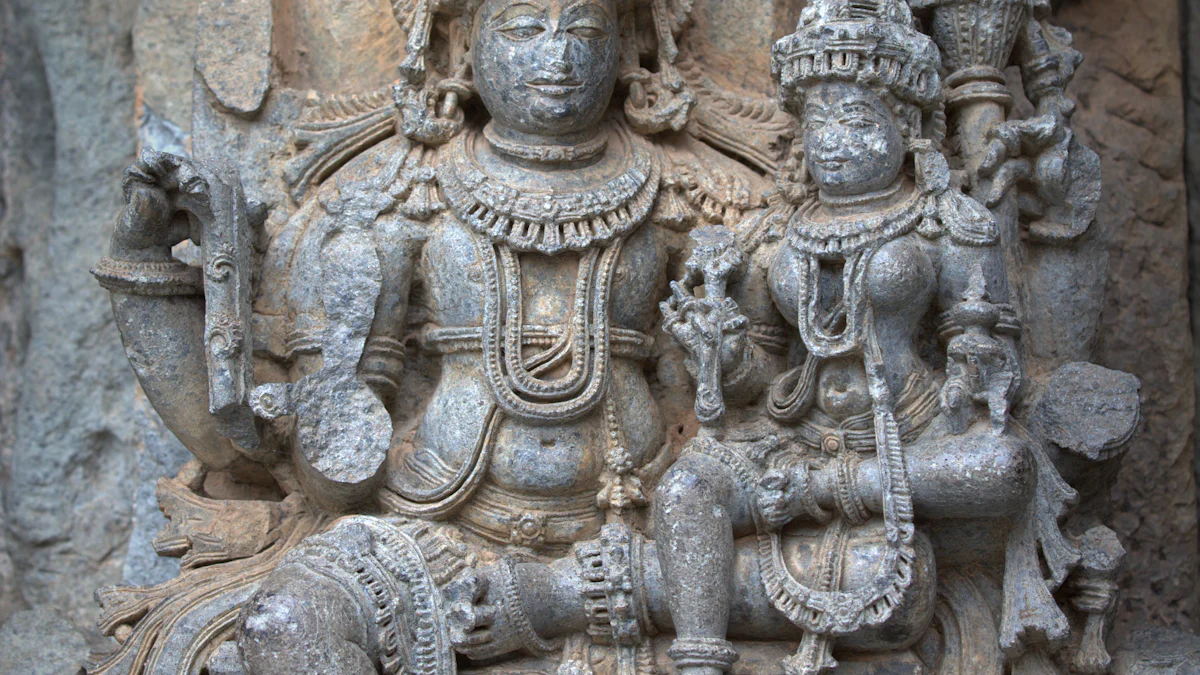
Several unique elements distinguish the Yoga Narasimha Swamy Temple from other Hoysala temples. The temple's pillars feature intricate carvings that depict scenes from Hindu mythology, showcasing the artistic prowess of the craftsmen. These carvings not only enhance the temple's aesthetic appeal but also serve as a visual narrative of the stories and legends associated with the deity Narasimha.
Another distinctive feature is the temple's tank, known as TakkanKulam. This sacred water body holds religious significance, as devotees believe it possesses medicinal properties. The tank's presence adds to the temple's spiritual ambiance, offering a place for purification and reflection before entering the main sanctum.
Artistic Elements
Sculptures and carvings
The Yoga Narasimha Swamy Temple boasts an impressive array of sculptures and carvings that adorn its walls and pillars. These artistic elements provide a glimpse into the rich cultural heritage of the Hoysala period. The temple's sculptures depict various deities, celestial beings, and mythological scenes, each crafted with meticulous attention to detail. The artisans employed a technique known as "soapstone carving," which allowed for intricate designs and delicate features.
The temple's carvings also include depictions of flora and fauna, adding a naturalistic touch to the overall design. These elements reflect the artisans' deep connection with nature and their ability to incorporate it into their work. The carvings serve as a testament to the temple's historical and artistic significance, attracting art enthusiasts and historians alike.
Symbolic representations in the temple art
Symbolism plays a crucial role in the artistic elements of the Yoga Narasimha Swamy Temple. The carvings and sculptures convey deeper meanings and spiritual messages, inviting visitors to contemplate their significance. For instance, the depiction of Lord Narasimha, the temple's presiding deity, represents the triumph of good over evil. This symbolism resonates with devotees, reinforcing their faith and devotion.
The temple's art also includes representations of various Hindu symbols, such as the lotus and the conch. These symbols hold spiritual significance, symbolizing purity, enlightenment, and divine presence. The incorporation of these elements into the temple's design enhances its spiritual ambiance, creating a space for meditation and introspection.
Legends and Myths
Mythological Stories
Popular legends associated with the temple
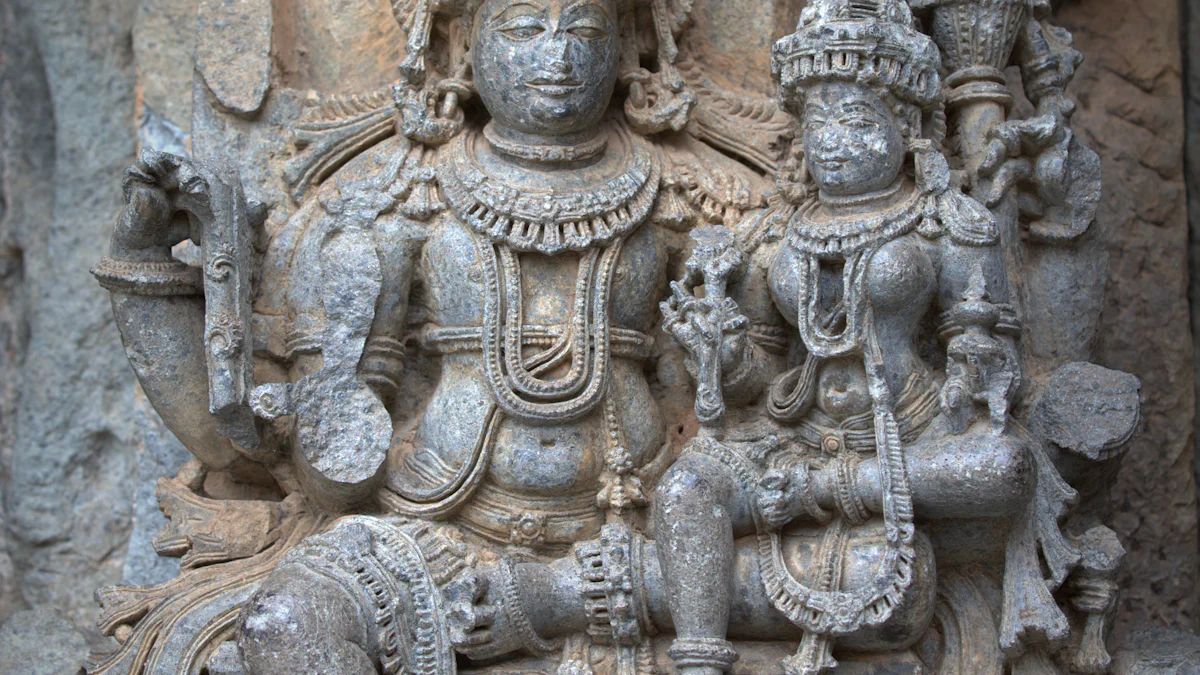
The Yoga Narasimha Swamy Temple is steeped in numerous legends that captivate the imagination of devotees and visitors. One of the most popular legends tells the story of Lord Narasimha, an incarnation of Lord Vishnu, who appeared to protect his devotee Prahalada from his tyrannical father, Hiranyakashipu. This tale highlights the divine intervention and protection offered by Lord Narasimha, reinforcing the temple's spiritual significance.
Another legend speaks of the temple's origins, where it is believed that Prahalada himself installed the idol of Lord Narasimha. This act of devotion adds a layer of historical and spiritual depth to the temple, making it a revered site for worshippers seeking divine blessings.
Significance of these stories in Hindu mythology
These legends hold immense significance in Hindu mythology. They symbolize the triumph of good over evil and the unwavering faith of devotees. The story of Lord Narasimha's appearance to save Prahalada serves as a powerful reminder of divine justice and protection. It emphasizes the importance of righteousness and devotion in overcoming adversity.
The temple's association with these mythological stories enhances its cultural and spiritual importance. It stands as a testament to the enduring power of faith and the rich tapestry of Hindu mythology. Visitors to the temple often find inspiration and solace in these stories, deepening their connection to the divine.
Rituals and Practices
Traditional rituals performed at the temple
The Yoga Narasimha Swamy Temple hosts a variety of traditional rituals that reflect its deep-rooted cultural heritage. Daily rituals include the Abhishekam, a ceremonial bathing of the deity with sacred substances like milk, honey, and sandalwood paste. This ritual symbolizes purification and devotion, inviting devotees to partake in the spiritual cleansing process.
The temple also conducts special pujas during significant festivals, such as the Vairamudi festival and the Karthika month celebrations. These rituals involve elaborate offerings, chanting of Vedic hymns, and the adornment of the deity with precious ornaments. Devotees gather in large numbers to witness these ceremonies, seeking blessings and spiritual fulfillment.
Their connection to the temple's legends
The rituals performed at the temple are deeply intertwined with its legends and mythological stories. The Abhishekam ritual, for instance, is believed to invoke the protective and benevolent aspects of Lord Narasimha, as depicted in the legend of Prahalada. By participating in these rituals, devotees connect with the divine narrative and reinforce their faith in the deity's power.
The temple's festivals and special pujas serve as a celebration of the legends associated with the temple. They provide an opportunity for devotees to immerse themselves in the spiritual and cultural heritage of the temple, fostering a sense of community and shared devotion. Through these rituals, the temple continues to preserve its rich legacy, offering a space for reflection, worship, and cultural continuity.
Visitor Information
Accessibility
Directions and transportation options
Visitors can easily reach the Yoga Narasimha Swamy Temple by various means of transportation. The temple is located in Mudigere, which is well-connected by road. Travelers can drive or hire a taxi from nearby cities like Bangalore or Mysore. For those preferring public transport, buses frequently operate from major towns to Mudigere. Upon reaching Mudigere, local transport options such as auto-rickshaws and taxis provide convenient access to the temple.
Facilities available for visitors
The temple offers several facilities to ensure a comfortable visit. A spacious parking area accommodates vehicles, making it convenient for those traveling by car. Restrooms and drinking water facilities are available for visitors' convenience. The temple complex also includes a small shop selling souvenirs and religious items, allowing visitors to take home a piece of their spiritual journey. Additionally, the temple provides seating areas for devotees to rest and reflect.
Timings and Events
Temple opening hours
The Yoga Narasimha Swamy Temple welcomes visitors daily. The temple opens its doors early in the morning, allowing devotees to begin their day with prayers and meditation. Morning hours typically start around 6:00 AM and continue until noon. After a brief closure, the temple reopens in the afternoon and remains accessible until evening, usually closing around 8:00 PM. These timings enable visitors to plan their visit according to their schedule.
Special events and festivals to attend
The temple hosts several special events and festivals throughout the year, attracting large numbers of devotees. The annual Vairamudi festival stands out as a major event, celebrated with great fervor in the Tamil month of Chithirai (April/May). During this festival, the deity receives a diamond-studded crown, drawing pilgrims from far and wide. Another significant celebration occurs during the Karthika month, featuring special pujas and rituals. These events offer a unique opportunity for visitors to experience the temple's vibrant cultural and spiritual atmosphere.
The Yoga Narasimha Swamy Temple embodies a rich tapestry of history, culture, and spirituality. Its architectural marvels and mythological tales offer a profound glimpse into the Hoysala period's heritage. Visitors can immerse themselves in the temple's serene ambiance and partake in its vibrant traditions. Exploring this sacred site provides a unique opportunity to connect with India's cultural legacy. Preserving such heritage sites is crucial for future generations. They serve as reminders of our shared past and inspire continued appreciation for cultural diversity and historical significance.
See Also
Exploring Yoga Vidya Niketan in Vashi
Investigating the Scientific Proof of Yoga Nidra Benefits
Explore the Best 10 Yoga Classes Nearby

Hi my name is Lia and i am your host in this yoga journey in Portugal, Subscribe to our newsletter to receive every week the best of Yoga in Portugal.

We bring back the importance of initiation into womanhood by Roos-Veerle Krijnen & Ella-June Henrard
Welcome to the Women’s Initiation Retreat by Naked Truth Retreats, a transformative journey into the depths of your True Feminine Nature. This retreat invites you to remember the sacredness and wholeness of your being.
Roos-Veerle Krijnen & Ella-June Henrard