Discover the Health Advantages of Yoga

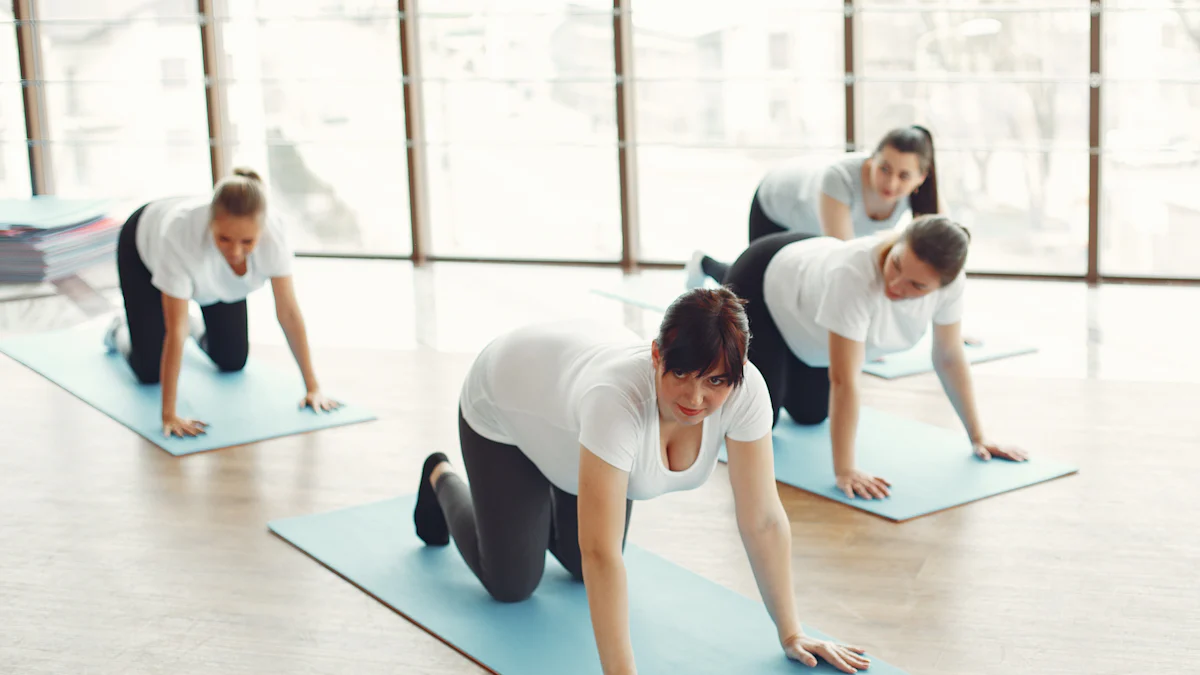
Yoga advantages are numerous and can truly transform your life. By practising yoga, you can enhance both your physical and mental well-being. Physically, yoga improves flexibility, strength, and posture. Mentally, it reduces stress and promotes relaxation. In fact, 94% of adults who practise yoga do so to improve their overall wellness. With its growing popularity, yoga has become a global phenomenon. You should consider incorporating yoga into your routine to experience these advantages. Embrace yoga as a beneficial health practice and unlock a healthier, more balanced lifestyle.
Physical Yoga Advantages
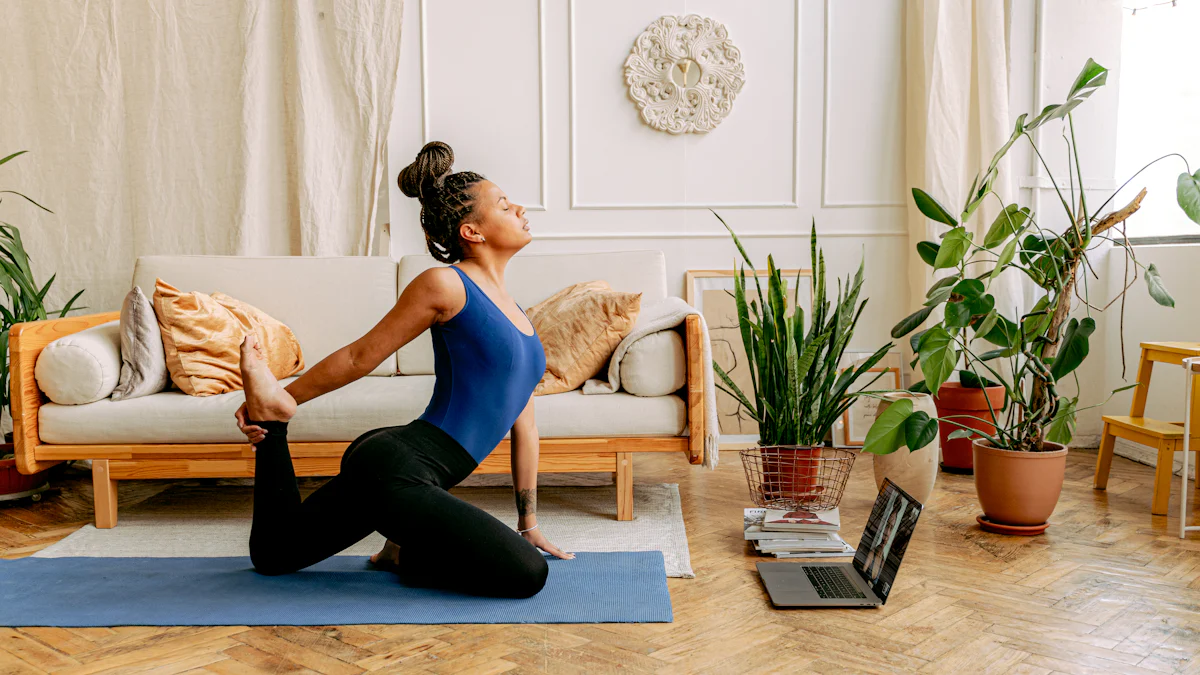
Yoga offers numerous physical benefits that can enhance your overall well-being. By incorporating yoga into your routine, you can experience improvements in flexibility, strength, posture, and heart health.
Flexibility and Strength
Enhanced range of motion
Yoga significantly enhances your range of motion. Regular practice involves stretching and holding various poses, which gradually increases your flexibility. This improvement allows you to move more freely and reduces the risk of injuries. As you become more flexible, everyday activities become easier, and you may notice a decrease in muscle stiffness.
Muscle toning and endurance
Yoga is an excellent way to tone your muscles and build endurance. Many poses require you to support your body weight, which strengthens your muscles over time. This form of exercise not only tones your muscles but also improves your stamina. As a result, you will find yourself feeling more energised and capable of handling physical tasks with ease.
Posture and Balance
Alignment and balance
Practising yoga regularly helps improve your posture and balance. The focus on alignment in yoga encourages you to maintain proper posture, which can prevent common issues such as slouching. Improved balance is another advantage, as yoga poses often require you to stabilise your body. This enhancement in balance can lead to better coordination and reduced risk of falls.
Prevention of back pain
Yoga can be a powerful tool in preventing and alleviating back pain. By strengthening the muscles that support your spine and increasing flexibility, yoga helps maintain a healthy back. Many people find relief from chronic back pain through regular practice, as it promotes better posture and reduces tension in the back muscles.
Heart and Joint Health
Support for joint health
Yoga provides significant support for joint health. The gentle movements and stretches involved in yoga help lubricate the joints, reducing stiffness and discomfort. This is particularly beneficial for individuals with arthritis or joint pain, as yoga can improve mobility and reduce inflammation.
Improved heart health
Engaging in yoga can lead to improved heart health. The practice of yoga has been shown to lower blood pressure and reduce stress, both of which are crucial for maintaining a healthy heart. Additionally, yoga encourages better circulation and can help manage cholesterol levels, contributing to overall cardiovascular well-being.
Mental Yoga Advantages
Yoga offers profound mental benefits that can enhance your overall well-being. By engaging in regular practice, you can experience reduced stress levels, improved relaxation, better sleep, and enhanced mental clarity.
Stress and Relaxation
Reduction in cortisol levels
Yoga plays a significant role in reducing cortisol levels, the hormone associated with stress. When you practise yoga, you engage in breathing techniques and meditation that help calm your mind. This process downregulates the hypothalamic–pituitary–adrenal (HPA) axis, leading to lower cortisol levels. As a result, you feel less stressed and more at ease. Research shows that yoga interventions are linked to improved objective measures of stress, such as reduced cortisol levels and lower resting heart rate.
Promotion of relaxation
The practice of yoga promotes relaxation by encouraging mindfulness and emotional management. As you focus on your breath and movements, you become more aware of your body and mind. This awareness helps you release tension and achieve a state of calmness. Even a single session of yoga can positively impact your mood, reducing tension and anxiety. By incorporating yoga into your routine, you can enjoy a more relaxed and balanced lifestyle.
Sleep and Mental Clarity
Regulation of sleep patterns
Yoga can significantly improve your sleep quality by regulating sleep patterns. The relaxation techniques used in yoga help calm your nervous system, making it easier for you to fall asleep and stay asleep. Regular practice can lead to better sleep hygiene, allowing you to wake up feeling refreshed and energised. Improved sleep quality contributes to overall well-being and enhances your ability to function effectively during the day.
Focus and concentration
Yoga enhances mental clarity by sharpening your focus and concentration. The meditative aspects of yoga encourage you to centre your attention and clear your mind of distractions. As you practise, you develop greater mental discipline, which can improve your ability to concentrate on tasks. This increased focus not only benefits your daily activities but also enhances your overall mental well-being. By embracing yoga, you can unlock these mental advantages and lead a more fulfilling life.
Starting Your Yoga Journey
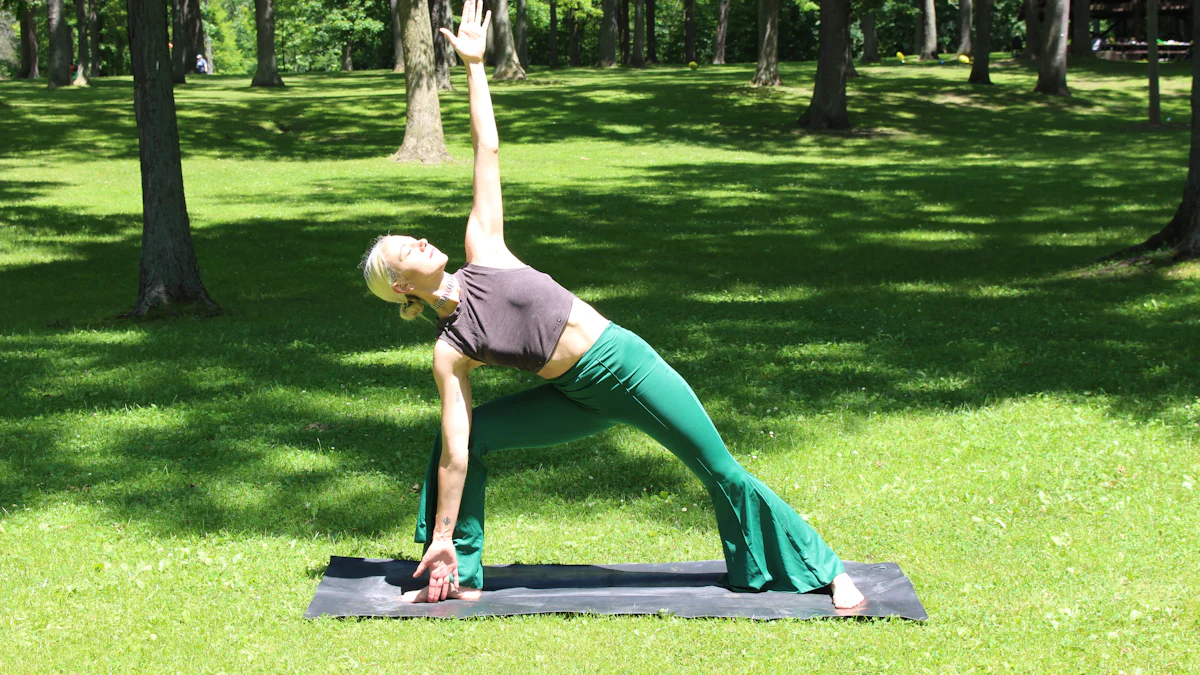
Embarking on your yoga journey can be an exciting and rewarding experience. With numerous styles and resources available, you can tailor your practice to suit your personal goals and needs.
Choosing the Right Style
Overview of different yoga styles
Yoga offers a variety of styles, each with unique benefits. Hatha Yoga focuses on basic postures and breathing techniques, making it ideal for beginners. Vinyasa Yoga involves a dynamic flow of poses, perfect for those seeking a more vigorous workout. Ashtanga Yoga follows a set sequence of postures, providing structure and discipline. Bikram Yoga takes place in a heated room, promoting detoxification through sweat. Yin Yoga involves holding poses for extended periods, enhancing flexibility and relaxation. Exploring these styles helps you find the one that resonates with you.
Matching style to personal goals
Selecting the right yoga style depends on your personal goals. If you aim to improve flexibility and relaxation, Yin Yoga might be your best choice. For building strength and endurance, consider Vinyasa or Ashtanga Yoga. If stress relief is your priority, Hatha Yoga offers a gentle approach. Those looking for a detoxifying experience may prefer Bikram Yoga. Aligning your goals with the appropriate style ensures a fulfilling and effective practice.
Accessibility and Safety
Finding classes and resources
Accessing yoga classes and resources has never been easier. Many studios offer in-person classes with certified instructors who guide you through poses safely. Online platforms provide virtual classes, allowing you to practise from the comfort of your home. YouTube channels and apps offer free tutorials and guided sessions. Exploring these options helps you find the right fit for your schedule and preferences.
Understanding limitations and modifications
Understanding your body's limitations is crucial for a safe yoga practice. Certified Instructor advises,
"As with any new exercise routine, you should talk to your doctor about it before you begin to make sure it's safe for you."
Listening to your body and respecting its boundaries prevents injury. Modifications and props, such as blocks and straps, can assist in achieving poses comfortably. Instructors often provide alternatives to accommodate different levels of flexibility and strength. Prioritising safety ensures a sustainable and enjoyable yoga journey.
Incorporating Yoga into Daily Life
Creating a Routine
Setting realistic goals
Incorporating yoga into your daily life begins with setting realistic goals. Start by identifying what you want to achieve through your practice. Whether it's improving flexibility, reducing stress, or enhancing mental clarity, having clear objectives will guide your journey. Begin with small, achievable targets. For instance, aim to practise yoga for 10 minutes each day. Gradually increase the duration as you become more comfortable. This approach prevents burnout and keeps you motivated. Remember, yoga is a personal journey. Your progress is unique to you.
Incorporating yoga into daily activities
Integrating yoga into your daily routine doesn't require drastic changes. You can weave it into your existing schedule seamlessly. Consider practising yoga in the morning to energise your day or in the evening to unwind. Even short sessions during lunch breaks can be beneficial. Incorporate yoga poses into daily activities. For example, practise deep breathing while commuting or perform simple stretches while watching TV. These small adjustments make yoga a natural part of your life, enhancing both physical and mental well-being.
Maintaining Motivation
Tracking progress
Tracking your progress is essential for maintaining motivation. Keep a journal to record your yoga sessions, noting how you feel before and after practice. Document any improvements in flexibility, strength, or mental clarity. This record serves as a tangible reminder of your achievements. It also helps identify patterns and areas for improvement. Celebrate milestones, no matter how small. Recognising your progress boosts confidence and encourages continued practice. As one practitioner shared, "The benefits of yoga soon began revealing themselves outside of the classroom. The more yoga I did, the more recalibrated my body felt."
Joining a community
Joining a yoga community can significantly enhance your motivation. Practising with others fosters a sense of belonging and accountability. Attend local classes or join online groups to connect with fellow enthusiasts. Sharing experiences and challenges creates a supportive environment. As one individual noted, "Teaching yoga to friends has also taught me to create boundaries and stick to them." Engaging with a community provides opportunities for learning and growth. It also introduces you to diverse perspectives and techniques, enriching your practice. Embrace the camaraderie and encouragement that comes from being part of a yoga community.
Potential Risks and Considerations
Yoga offers numerous benefits, but you must be aware of potential risks and considerations to ensure a safe practice. Understanding your physical limitations and avoiding common mistakes can help you enjoy yoga safely and effectively.
Understanding Physical Limitations
Listening to your body
Your body communicates its limits, and it's crucial to listen. Pay attention to any discomfort or pain during practice. If a pose feels wrong, modify it or skip it. Yoga is not about pushing through pain but about finding balance and harmony within your body. By respecting your body's signals, you prevent injuries and promote a sustainable practice.
Consulting with healthcare professionals
Before starting yoga, especially if you have medical conditions, consult with healthcare professionals. They can provide guidance tailored to your health needs. Yoga instructors often stress the importance of this step, ensuring that your practice aligns with your health status. A doctor's advice can help you choose the right yoga style and intensity, making your practice both safe and beneficial.
Avoiding Common Mistakes
Proper technique and form
Proper technique and form are vital in yoga. Incorrect postures can lead to strain or injury. Focus on alignment and engage your core muscles to support your movements. Attending classes with trained instructors can help you learn the correct form. They offer valuable feedback and adjustments, ensuring you practise safely. Remember, quality over quantity is key in yoga.
Importance of warm-up and cool-down
Warm-up and cool-down routines are essential components of a yoga session. Warming up prepares your muscles and joints for the practice, reducing the risk of injury. Simple stretches and breathing exercises can effectively warm your body. Cooling down helps your body transition back to a resting state, promoting relaxation and recovery. Incorporate these routines into your practice to enhance its safety and effectiveness.
By understanding these potential risks and considerations, you can enjoy a fulfilling and safe yoga journey. Prioritise your well-being and embrace yoga as a lifelong practice.
Yoga offers a wealth of health benefits that can transform your life. By practising regularly, you enhance your physical fitness and mental well-being. Yoga improves flexibility, balance, and strength. It also reduces stress and promotes relaxation. You can experience better sleep and increased mental clarity.
"Yoga is much more than a physical practice," experts say. It cultivates awareness of your physical, mental, and emotional state.
Take the first step towards incorporating yoga into your lifestyle. Embrace it as a sustainable practice for long-term health and well-being.
See Also
The Impact of Yoga on Overall Health and Wellness
Yoga's Role in Boosting Seniors' Physical and Mental Health
Unveiling the Advantages of Yoga Blankets in Practice

Hi my name is Lia and i am your host in this yoga journey in Portugal, Subscribe to our newsletter to receive every week the best of Yoga in Portugal.

We bring back the importance of initiation into womanhood by Roos-Veerle Krijnen & Ella-June Henrard
Welcome to the Women’s Initiation Retreat by Naked Truth Retreats, a transformative journey into the depths of your True Feminine Nature. This retreat invites you to remember the sacredness and wholeness of your being.
Roos-Veerle Krijnen & Ella-June Henrard