Hatha Yoga Class Sequence Made Simple

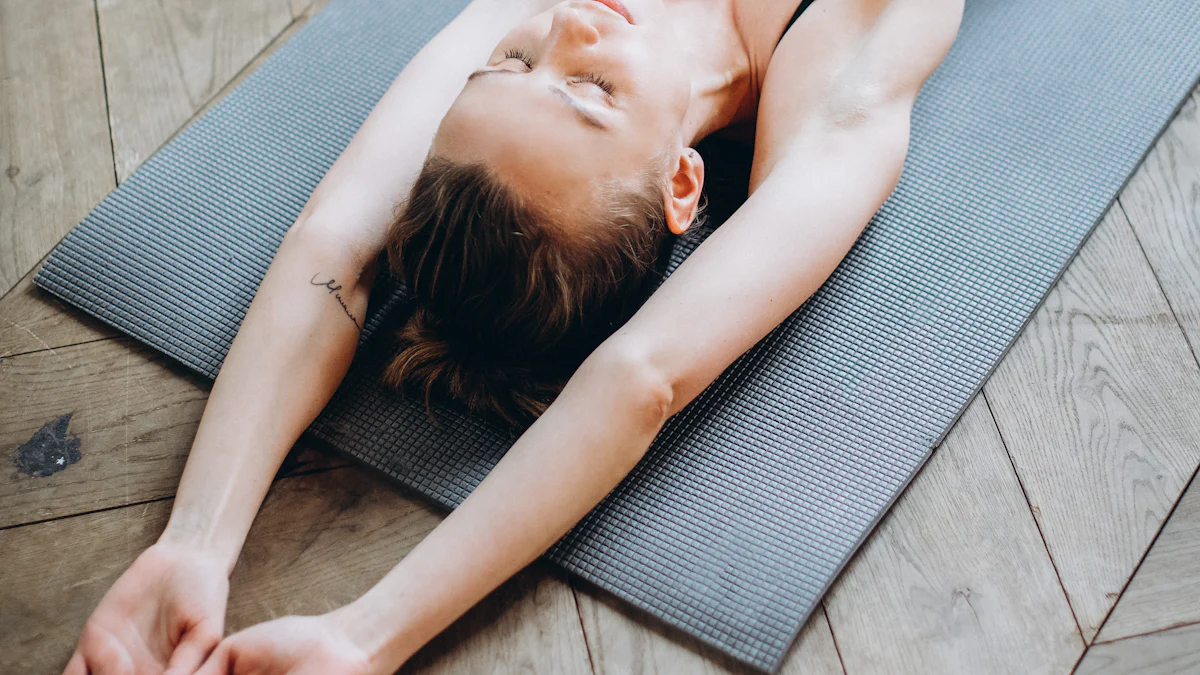
Sequencing plays a crucial role in your Hatha yoga class sequence. It ensures a balanced practice, allowing you to experience the full benefits of yoga. By following a well-structured sequence, you prevent injuries and maximize the benefits of each pose. A thoughtfully designed hatha yoga class sequence enhances your overall yoga experience. It guides you through warm-ups, standing poses, and cool-downs, ensuring every part of your body receives attention. This approach not only improves your physical strength but also deepens your mental focus. Embrace the power of sequencing to transform your Hatha yoga class sequence into a harmonious journey.
Warm-up Poses
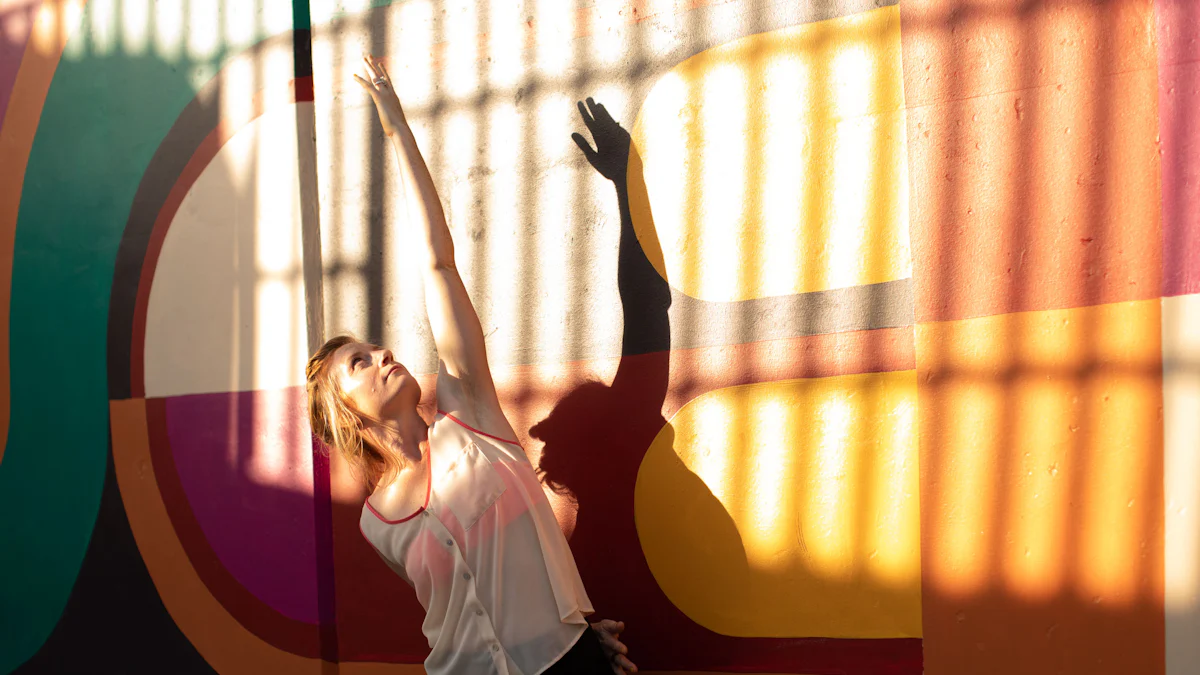
Warming up is an essential part of your hatha yoga class sequence. It prepares your body for the practice ahead, reducing the risk of injury and enhancing flexibility. A well-structured warm-up routine increases blood circulation and gently loosens muscles and joints. This process heats up your body from within, making it ready for more challenging postures.
Gentle Stretches
Start your hatha yoga class sequence with gentle stretches. These poses ease your body into the practice, allowing you to transition smoothly into more demanding asanas.
Cat-Cow Pose
The Cat-Cow Pose is a dynamic movement that warms up your spine. Begin on your hands and knees. Inhale as you arch your back, lifting your head and tailbone towards the ceiling (Cow Pose). Exhale as you round your spine, tucking your chin to your chest (Cat Pose). This sequence improves spinal flexibility and relieves tension in your back.
Child's Pose
Child's Pose offers a gentle stretch for your hips, thighs, and ankles. Kneel on the floor, sit back on your heels, and extend your arms forward. Rest your forehead on the mat. This pose calms your mind and relaxes your body, making it an ideal transition into deeper stretches.
Breathing Exercises
Breathing exercises are crucial in your hatha yoga class sequence. They help you focus and prepare your mind for the practice.
Pranayama Techniques
Pranayama involves controlled breathing techniques that enhance your lung capacity and oxygenate your body. Begin with simple exercises like Nadi Shodhana (Alternate Nostril Breathing). This technique balances your energy and calms your mind, setting a peaceful tone for your practice.
Deep Breathing
Deep breathing is another vital component of your warm-up. Sit comfortably and take slow, deep breaths. Inhale deeply through your nose, filling your lungs completely. Exhale slowly, releasing any tension. This practice centers your mind and prepares you for the physical demands of your hatha yoga class sequence.
Incorporating these warm-up poses and breathing exercises into your hatha yoga class sequence ensures a safe and effective practice. By dedicating the first 10-15 minutes to warming up, you enhance your overall yoga experience and reduce the chances of injury.
Standing Poses
Standing poses form the backbone of your hatha yoga class sequence. These poses build strength, stability, and flexibility. They also enhance your balance and concentration. By practicing standing poses, you engage multiple muscle groups, which helps in improving your overall posture and alignment.
Foundation Building
Foundation building is crucial in your hatha yoga class sequence. It sets the stage for more complex poses by establishing a strong base.
Mountain Pose
Mountain Pose, or Tadasana, is the starting point for many standing poses. Stand tall with your feet together and arms at your sides. Engage your thighs and lift your chest. This pose improves your posture and strengthens your legs. It also enhances your awareness of body alignment, which is essential for a balanced practice.
Warrior I
Warrior I, or Virabhadrasana I, is a powerful pose that builds strength in your legs and core. Step one foot forward and bend your knee while keeping the other leg straight. Raise your arms overhead and gaze forward. This pose opens your hips and chest, promoting flexibility and stability. It also boosts your confidence and focus, preparing you for more challenging asanas.
Strength and Stability
Strength and stability are key components of a successful hatha yoga class sequence. These elements help you maintain balance and prevent injuries.
Warrior II
Warrior II, or Virabhadrasana II, is a dynamic pose that enhances your strength and endurance. Stand with your feet wide apart and extend your arms parallel to the floor. Bend your front knee and gaze over your fingertips. This pose strengthens your legs, shoulders, and arms. It also improves your concentration and mental resilience, making it an integral part of your practice.
Triangle Pose
Triangle Pose, or Trikonasana, stretches and strengthens your entire body. Stand with your feet wide apart and extend one arm towards the sky while reaching the other towards the ground. This pose opens your hips, shoulders, and chest. It also improves your balance and flexibility, allowing you to move with ease and grace.
Incorporating these standing poses into your hatha yoga class sequence enhances your physical and mental well-being. By focusing on foundation building and strength and stability, you create a balanced practice that supports your overall health. Remember to practice regularly and mindfully to experience the full benefits of these poses.
Balancing Poses
Balancing poses in your hatha yoga class sequence enhance your focus, concentration, and core strength. These poses challenge your stability and help you develop a strong sense of body awareness. By practicing balancing poses, you improve your coordination and mental clarity, which are essential for a well-rounded yoga practice.
Focus and Concentration
Balancing poses require you to concentrate and maintain your focus. This mental engagement helps you stay present and aware during your practice.
Tree Pose
Tree Pose, or Vrksasana, is a classic balancing pose that improves your focus and concentration. Stand tall and shift your weight onto one foot. Place the sole of your other foot on your inner thigh or calf, avoiding the knee. Bring your hands together in front of your chest or extend them overhead. This pose strengthens your legs and enhances your balance. It also encourages you to find stillness and stability, both physically and mentally.
Eagle Pose
Eagle Pose, or Garudasana, challenges your balance and concentration. Stand with your feet together and bend your knees slightly. Wrap one leg over the other and hook your foot behind your calf. Cross your arms in front of you, bringing your palms together. This pose stretches your shoulders and hips while improving your focus. It requires you to engage your core and maintain your balance, making it an excellent addition to your hatha yoga class sequence.
Core Engagement
Balancing poses also engage your core muscles, providing strength and stability to your practice.
Half Moon Pose
Half Moon Pose, or Ardha Chandrasana, is a dynamic balancing pose that strengthens your core and improves your flexibility. Begin in a standing position and shift your weight onto one foot. Extend your opposite leg behind you and reach your arm towards the ground. Lift your other arm towards the sky, creating a straight line from your fingertips to your toes. This pose challenges your balance and engages your core muscles, enhancing your overall stability.
Dancer's Pose
Dancer's Pose, or Natarajasana, combines balance, strength, and grace. Stand tall and shift your weight onto one foot. Bend your opposite knee and grasp your ankle with your hand. Extend your other arm forward and lift your leg behind you, creating a graceful arch. This pose strengthens your legs and core while improving your balance and flexibility. It encourages you to find harmony between strength and elegance in your hatha yoga class sequence.
Incorporating these balancing poses into your hatha yoga class sequence enhances your physical and mental well-being. By focusing on poses that improve your focus, concentration, and core engagement, you create a balanced practice that supports your overall health. Regular practice of these poses will help you develop a strong sense of balance and stability, both on and off the mat.
Seated Poses
Seated poses in your Hatha yoga class sequence offer a unique opportunity to enhance flexibility and relaxation. These poses provide a stable foundation, allowing you to focus on stretching and releasing tension. They are particularly beneficial for beginners and those with limited flexibility, as they offer a gentle yet effective way to improve your range of motion.
Flexibility and Relaxation
Seated poses are excellent for increasing flexibility while promoting relaxation. They target both the upper and lower body, providing a comprehensive stretch that can alleviate tension and improve overall well-being.
Seated Forward Bend
The Seated Forward Bend, or Paschimottanasana, is a calming pose that stretches your spine, shoulders, and hamstrings. Sit with your legs extended in front of you. Inhale deeply, then exhale as you reach forward, aiming to touch your toes. This pose encourages a deep stretch in your back and legs, enhancing flexibility and promoting relaxation. It also helps to calm the mind, making it an ideal addition to your practice.
Bound Angle Pose
Bound Angle Pose, or Baddha Konasana, opens your hips and stretches your inner thighs. Sit with your feet together and knees bent, allowing your knees to fall open to the sides. Hold your feet with your hands and gently press your knees towards the floor. This pose improves flexibility in your hips and groin, providing a soothing stretch that can relieve tension and stress.
Hip Openers
Hip openers are essential in your Hatha yoga class sequence. They release tightness in the hips and lower back, enhancing your overall flexibility and mobility.
Pigeon Pose
Pigeon Pose, or Kapotasana, is a powerful hip opener that stretches your thighs, groins, and back. Begin in a kneeling position and slide one leg forward, bending your knee and placing your foot near your opposite hip. Extend your other leg straight behind you. This pose releases tension in your hips and lower back, promoting flexibility and relaxation. It also encourages a deep sense of calm and focus.
Cow Face Pose
Cow Face Pose, or Gomukhasana, stretches your hips, thighs, and shoulders. Sit with your knees stacked and feet on either side of your hips. Reach one arm overhead and bend your elbow, bringing your hand down your back. Reach your other arm behind you and clasp your hands. This pose opens your shoulders and hips, enhancing flexibility and relieving tension. It also improves your posture and alignment, making it a valuable addition to your practice.
Incorporating these seated poses into your Hatha yoga class sequence enhances your flexibility and relaxation. By focusing on poses that stretch and open your body, you create a balanced practice that supports your overall health and well-being. Regular practice of these poses will help you develop a deeper connection with your body and mind, allowing you to experience the full benefits of yoga.
Backbends
Backbends in your Hatha yoga class sequence invigorate your body and open your heart. These poses stretch the front of your body, strengthen your back, and improve your posture. By practicing backbends, you increase your energy levels and enhance your emotional well-being.
Energizing the Body
Backbends energize your body by stimulating your nervous system and increasing blood flow. They help you feel more awake and alert, making them an excellent addition to your practice.
Cobra Pose
Cobra Pose, or Bhujangasana, strengthens your spine and opens your chest. Lie on your stomach with your hands under your shoulders. Press into your palms and lift your chest off the ground. Keep your elbows close to your body. This pose stretches your abdominal muscles and improves your posture. It also increases flexibility in your spine, helping you feel more energized and focused.
Bridge Pose
Bridge Pose, or Setu Bandhasana, strengthens your back and opens your chest. Lie on your back with your knees bent and feet flat on the floor. Press into your feet and lift your hips towards the ceiling. Clasp your hands under your back and roll your shoulders underneath you. This pose stretches your chest, neck, and spine. It also calms your mind and reduces stress, making it a valuable addition to your practice.
Heart Openers
Heart openers in your Hatha yoga class sequence release tension in your chest and shoulders. They promote emotional balance and help you connect with your inner self.
Camel Pose
Camel Pose, or Ustrasana, stretches your entire front body and opens your heart. Kneel on the floor with your knees hip-width apart. Place your hands on your lower back and gently arch your back, reaching for your heels. This pose improves flexibility in your spine and shoulders. It also enhances your breathing capacity, allowing you to feel more open and receptive.
Bow Pose
Bow Pose, or Dhanurasana, strengthens your back and opens your chest. Lie on your stomach and bend your knees. Reach back and grasp your ankles with your hands. Inhale and lift your chest and thighs off the ground. This pose stretches your entire front body and improves your posture. It also stimulates your digestive organs, promoting better circulation and overall health.
Incorporating these backbends into your Hatha yoga class sequence enhances your physical and emotional well-being. By focusing on poses that energize your body and open your heart, you create a balanced practice that supports your overall health. Regular practice of these poses will help you develop a deeper connection with your body and mind, allowing you to experience the full benefits of yoga.
Cool Down
The cool-down phase in your hatha yoga class sequence is essential for transitioning your body from active poses to a state of rest. This phase helps in gradually reducing your heart rate and calming your mind. It also aids in releasing any residual tension, ensuring you leave the practice feeling refreshed and rejuvenated.
Gentle Stretches
Gentle stretches during the cool-down phase promote relaxation and flexibility. They help in easing muscle tension and improving circulation, which is crucial after an intense practice.
Supine Twist
Supine Twist is a restorative pose that gently stretches your spine and shoulders. Lie on your back and draw your knees to your chest. Extend your arms out to the sides and let your knees fall to one side. This pose releases tension in your lower back and enhances spinal flexibility. It also aids digestion and promotes relaxation, making it a perfect addition to your hatha yoga class sequence.
Happy Baby Pose
Happy Baby Pose offers a gentle stretch for your hips and lower back. Lie on your back and bend your knees towards your chest. Hold the outer edges of your feet with your hands, keeping your ankles above your knees. This pose opens your hips and stretches your inner thighs. It also calms your mind and reduces fatigue, helping you feel refreshed and energized.
Breathing and Relaxation
Breathing exercises and relaxation techniques are vital components of the cool-down phase. They help in calming your nervous system and preparing your body for rest.
Legs-Up-the-Wall Pose
Legs-Up-the-Wall Pose is a restorative pose that promotes relaxation and improves circulation. Sit close to a wall and swing your legs up, resting them against the wall. Keep your arms relaxed by your sides. This pose reduces swelling in your legs and feet, alleviates fatigue, and calms your mind. It is an excellent way to conclude your hatha yoga class sequence.
Reclined Bound Angle Pose
Reclined Bound Angle Pose gently opens your hips and stretches your inner thighs. Lie on your back and bring the soles of your feet together, allowing your knees to fall open. Place your arms by your sides or overhead. This pose encourages deep relaxation and enhances flexibility. It also helps in reducing stress and anxiety, leaving you with a sense of peace and tranquility.
Incorporating these cool-down poses into your hatha yoga class sequence ensures a smooth transition from active practice to rest. By focusing on gentle stretches and relaxation techniques, you enhance your overall well-being and prepare your body for the next phase of your day. Regular practice of these poses will help you maintain a balanced and harmonious yoga routine.
Final Relaxation
The final relaxation phase in your hatha yoga class sequence is crucial for integrating the benefits of your practice. This phase allows your body and mind to absorb the effects of the poses, promoting a sense of peace and tranquility. By dedicating time to final relaxation, you enhance your overall yoga experience and leave the mat feeling rejuvenated.
Integration and Rest
During this phase, focus on integrating the physical and mental aspects of your practice. Allow yourself to rest and reflect on the journey you've just completed.
Savasana
Savasana, or Corpse Pose, is the ultimate relaxation pose in your hatha yoga class sequence. Lie flat on your back with your legs extended and arms resting by your sides. Close your eyes and breathe naturally. This pose encourages complete relaxation and helps your body recover from the practice. It also calms your mind, reducing stress and anxiety. Spend at least five to ten minutes in Savasana to fully experience its restorative benefits.
Guided Meditation
Guided meditation enhances the relaxation phase of your hatha yoga class sequence. It involves focusing your mind on a specific thought or image, helping you achieve a deeper state of relaxation. Sit comfortably or remain in Savasana. Listen to a guided meditation recording or follow your own mental imagery. This practice promotes mindfulness and inner peace, allowing you to connect with your true self. Incorporating guided meditation into your routine enriches your yoga practice and supports your mental well-being.
By including final relaxation in your hatha yoga class sequence, you ensure a comprehensive and balanced practice. This phase allows you to integrate the physical, mental, and emotional benefits of yoga, leaving you refreshed and centered. Regularly practicing final relaxation will help you cultivate a deeper connection with yourself and enhance your overall quality of life.
In your Hatha yoga journey, sequencing plays a vital role. It ensures a balanced practice, enhancing both physical and mental well-being. By following a structured sequence, you maximize the benefits of each pose. Adapt the sequence to fit your personal needs and preferences. This flexibility allows you to grow and evolve in your practice. Explore further yoga practices to deepen your understanding and experience. Embrace the transformative power of yoga as you continue on this path.
See Also
Beginner's Guide to Isha Hatha Yoga Practice
A Comprehensive Guide to Beginning Ashtanga Yoga
Simple Tips for Getting Started with Yoga

Hi my name is Lia and i am your host in this yoga journey in Portugal, Subscribe to our newsletter to receive every week the best of Yoga in Portugal.

We bring back the importance of initiation into womanhood by Roos-Veerle Krijnen & Ella-June Henrard
Welcome to the Women’s Initiation Retreat by Naked Truth Retreats, a transformative journey into the depths of your True Feminine Nature. This retreat invites you to remember the sacredness and wholeness of your being.
Roos-Veerle Krijnen & Ella-June Henrard